







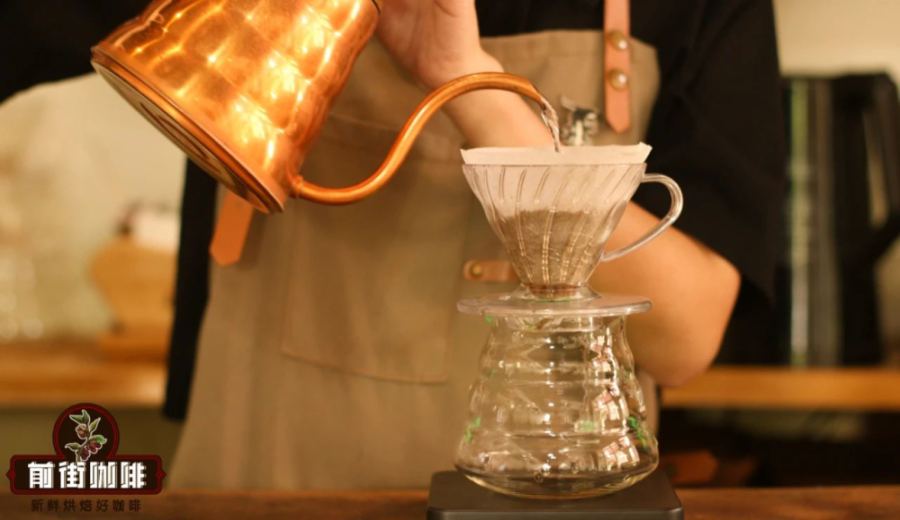
Introduction:Learning how to brew pour over coffee isn’t difficult—the key lies in mastering the correct coffee-to-water ratio and extraction parameters. This article delves into the golden ratio of 1:12 to 1:15 recommended by the Specialty Coffee Association of America (SCAA), takes you through the seven essential elements of pour over brewing—including water temperature, grind size, and brewing time—and includes practical brewing examples to help you easily make a balanced and rich cup of coffee for two.
In recent years, with the rise of specialty coffee culture, pour over coffee has become a daily ritual for many coffee enthusiasts at home due to its simple yet layered brewing method. Whether you’re a beginner just starting out or an experienced coffee enthusiast who’s tried it many times, getting the right ratio of coffee grounds to water is crucial to how the flavors turn out. So how exactly do you make a pour over coffee for two? How should you balance the ratio of coffee powder to water? Let’s start from the basics and take a deeper look at the science and art of pour over brewing.
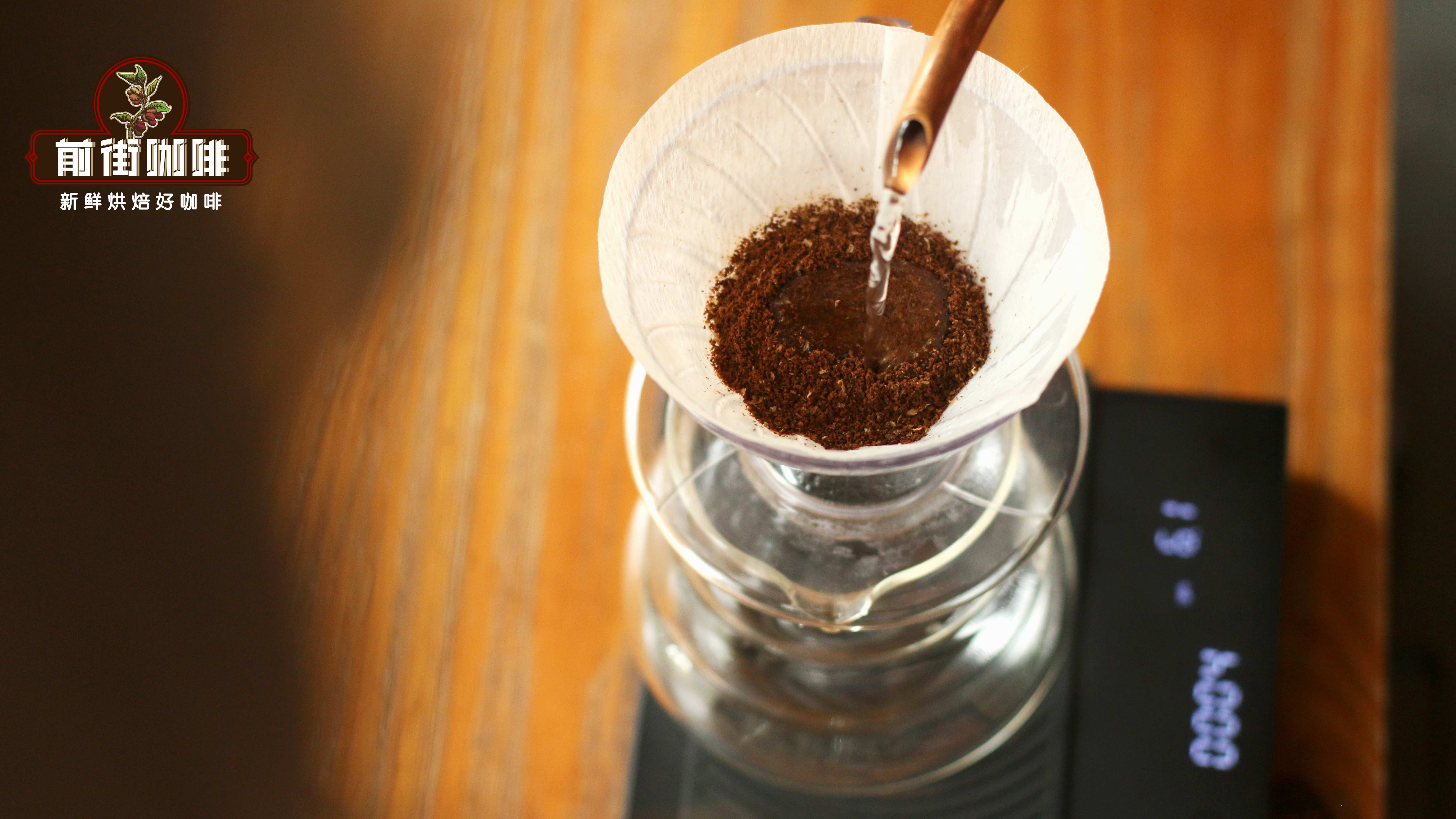
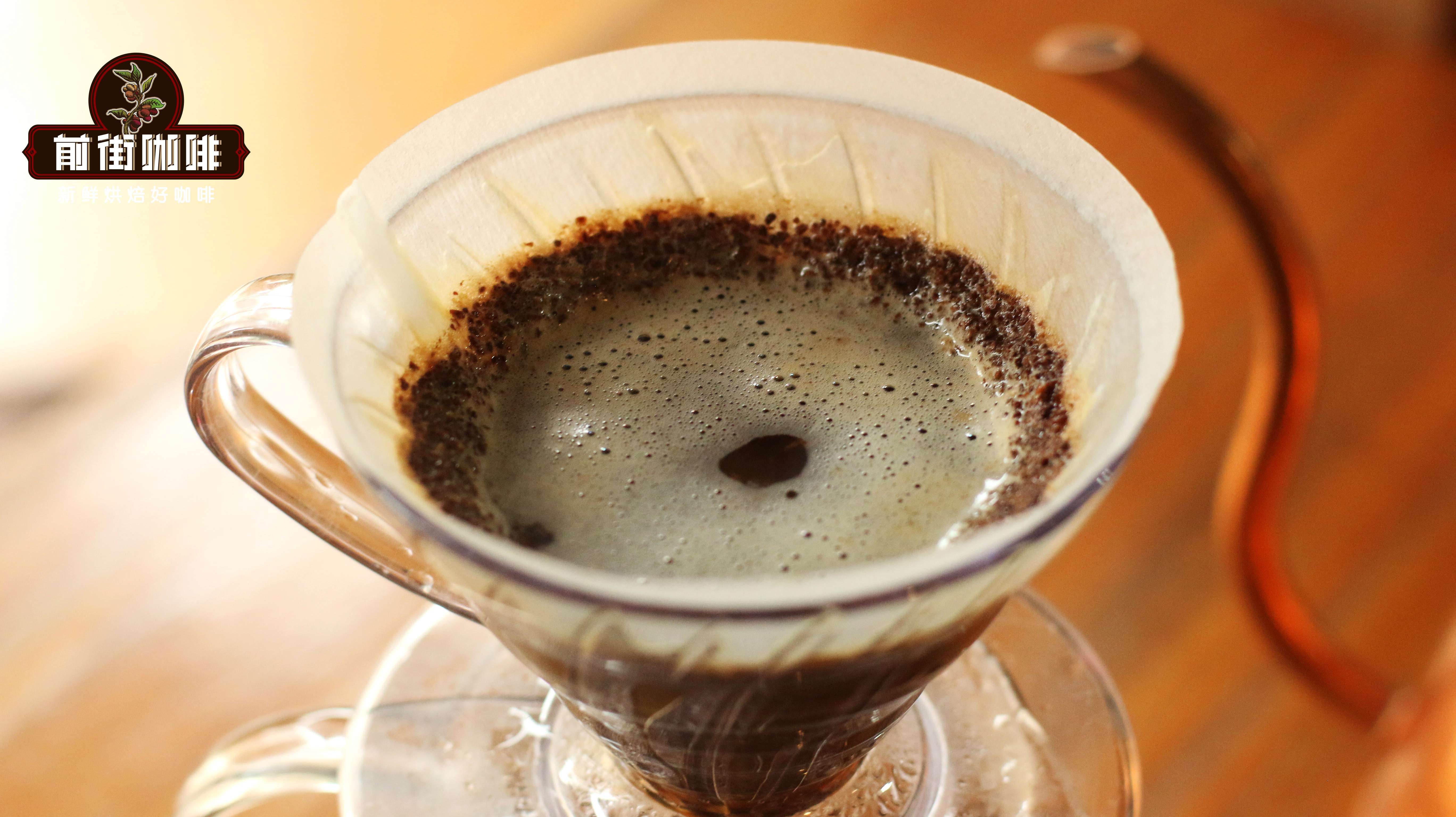
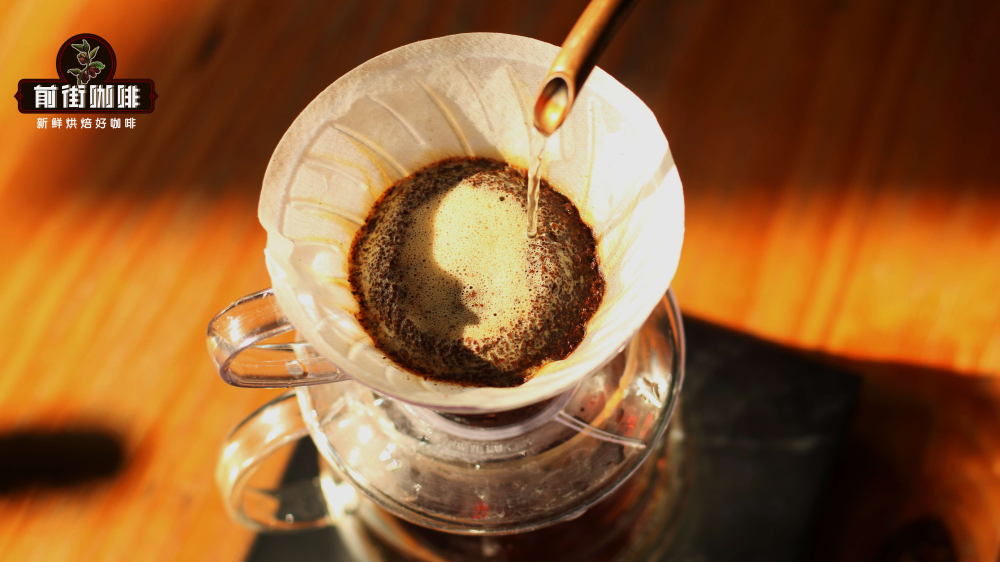
The principle of pour over coffee is to use a filter cone and paper filter, along with precisely controlled hot water, to evenly extract the desirable flavor compounds from coffee grounds under normal atmospheric pressure. During this process,the coffee-to-water ratioplays a pivotal role, directly determining the final concentration and taste profile of the coffee. To brew an ideal cup of pour over coffee, you must understand the meaning and practical application behind these parameters.
The so-called coffee-to-water ratio refers to the weight of the coffee grounds used compared to the total volume of brewed coffee liquid extracted. According to recommendations from the Specialty Coffee Association of America (SCAA), the ideal coffee concentration for pour over should be between 1.2% and 1.45%. Translated into practical coffee-to-water ratios, this generally falls withinthe range of 1:12 to 1:15. For example, if you use 10 grams of coffee grounds, keeping the total water volume between 120 and 150 grams will achieve this golden concentration range. Among these,the 1:15 ratio is considered the standard value most suitable for most coffee beans, not only fitting for everyday drinking but also fully showcasing the layers and details of the coffee.
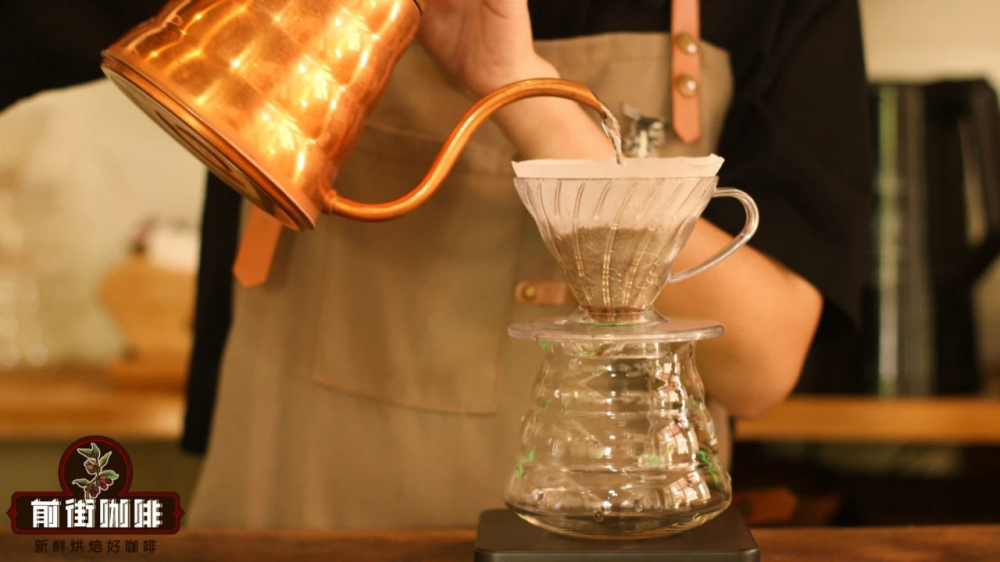
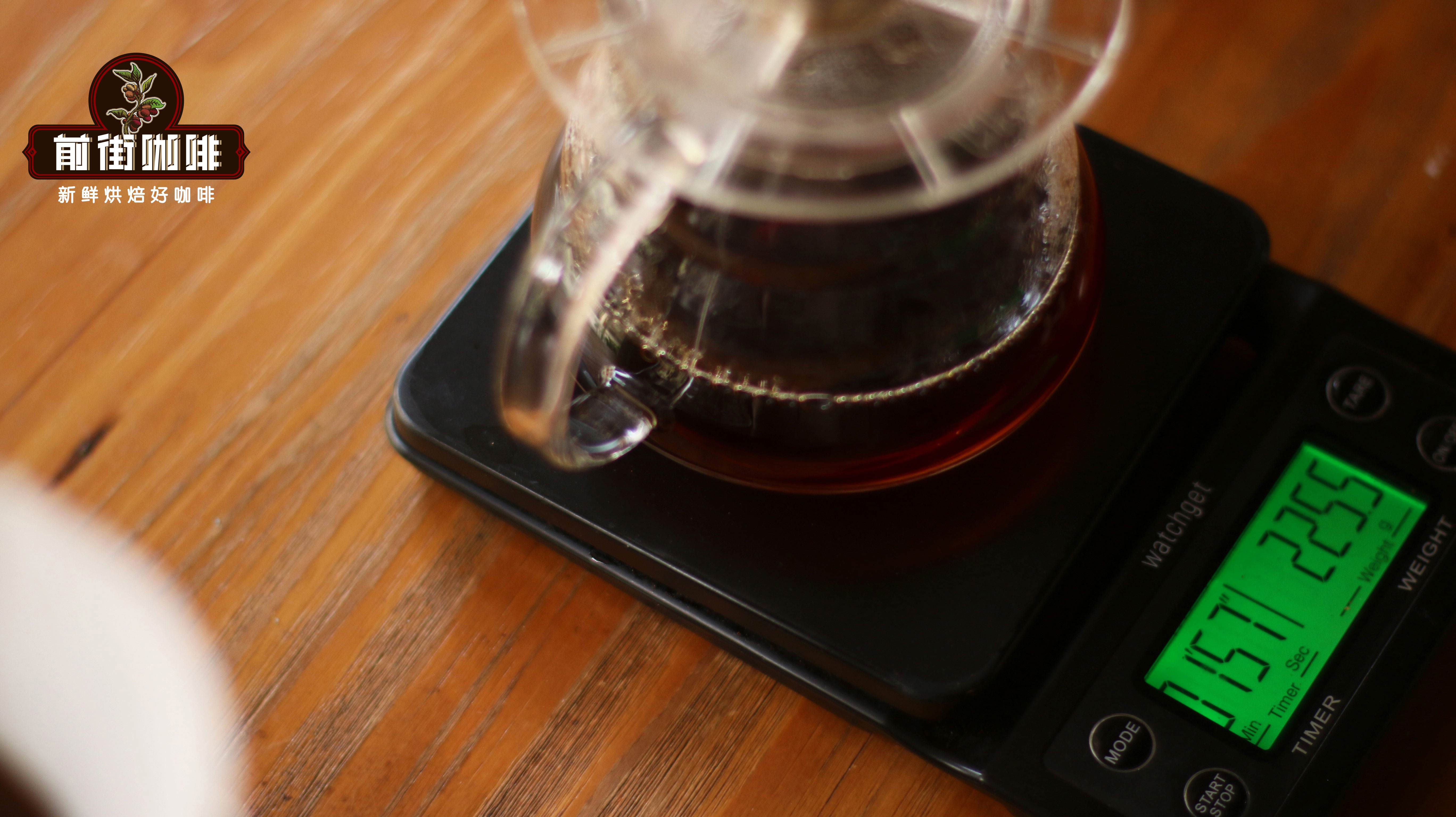
However, the coffee-to-water ratio isn’t set in stone—a 1:10 ratio yields a stronger intensity and more intense flavor impact, while 1:20 results in a brew that’s too light, suitable for those who prefer minimalistic flavors. Therefore, it’s recommended to fine-tune the ratio based on personal taste preferences and the characteristics of the coffee beans used to find the most suitable combination for you. In practice, many baristas use about 225 grams of water per serving as a benchmark—that is, using roughly 15 grams of coffee grounds per serving to brew a well-balanced and smooth single-origin coffee.
Beyond the coffee-to-water ratio, the success of pour over coffee also relies on six other key elements: freshly roasted coffee beans, appropriate grind size, precise water temperature control, high-quality water, a suitable filter cone, and well-managed brewing time. These variables interact with each other and together determine the final flavor profile in the cup. Especially for those trying pour over for the first time, understanding the interplay of these factors can effectively help avoid common mistakes and improve your chances of a successful brew.
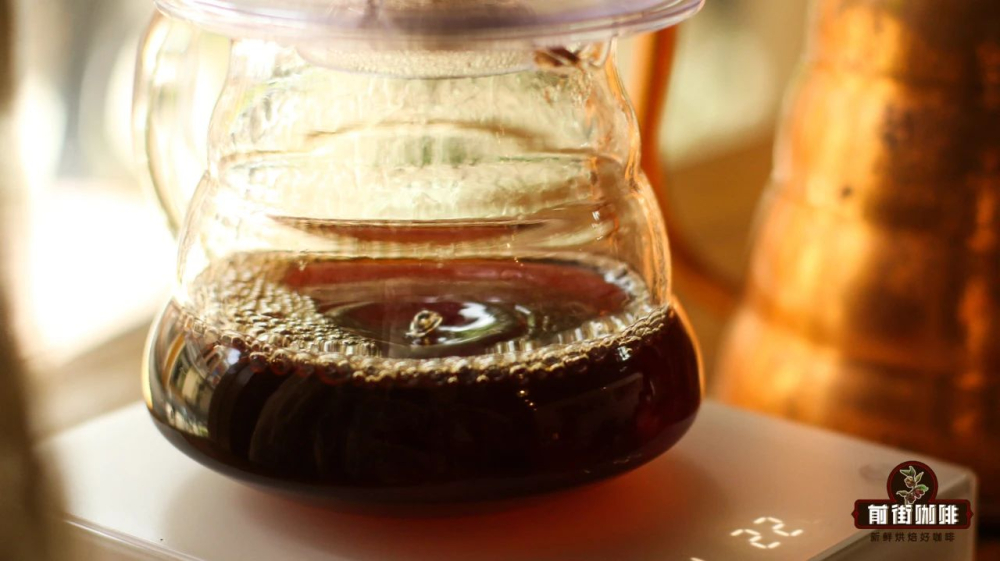
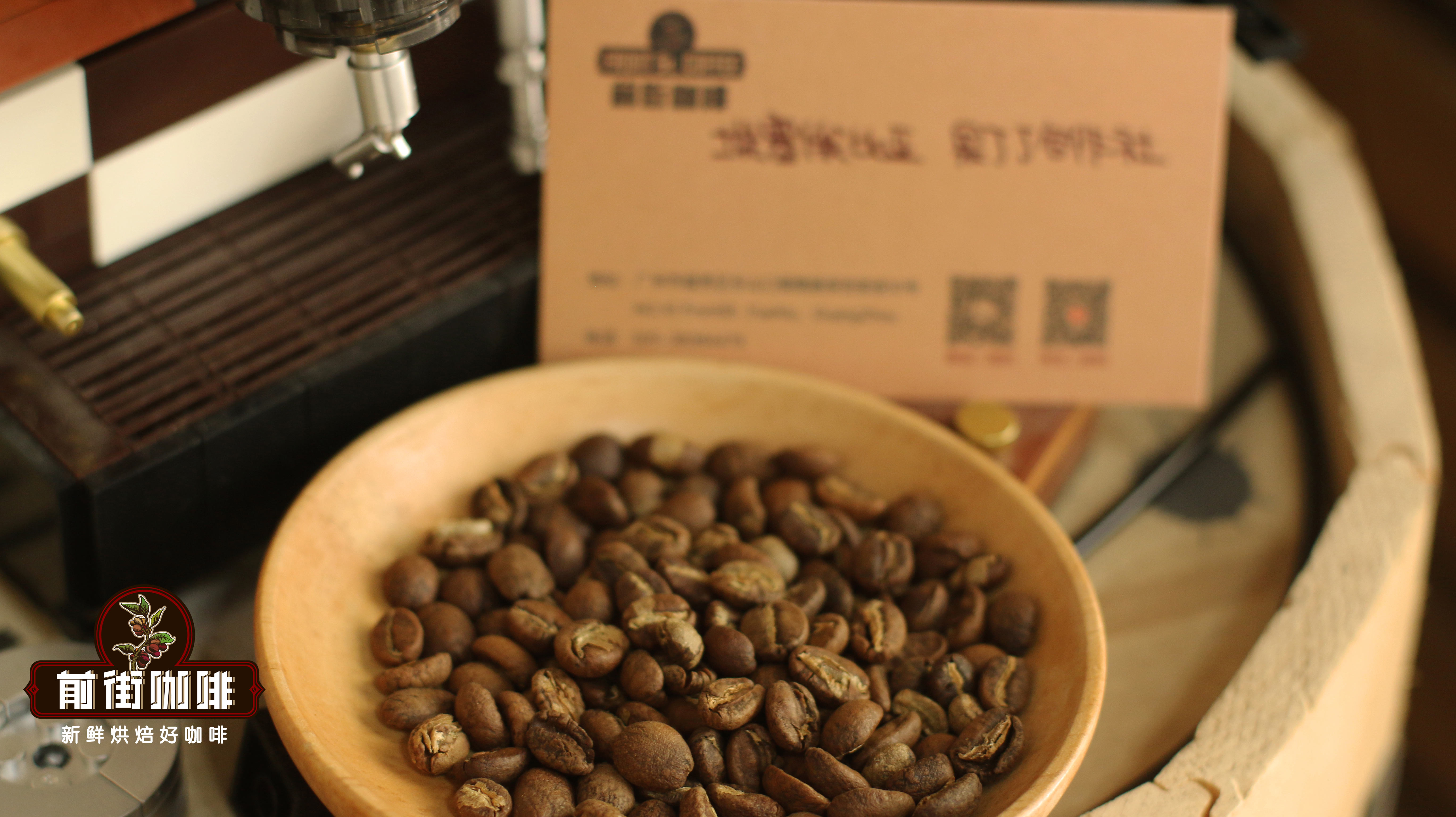
First and foremost, the freshness of the coffee beans is crucial. Generally speaking, coffee beans are at their peak flavor within the first 30 days after roasting. After this period, aromatic molecules gradually diminish as carbon dioxide is released, resulting in coffee that tastes flat. Therefore,it’s recommended to choose freshly roasted coffee beansand store them properly in a dark, low-oxygen environment to extend their optimal flavor window.
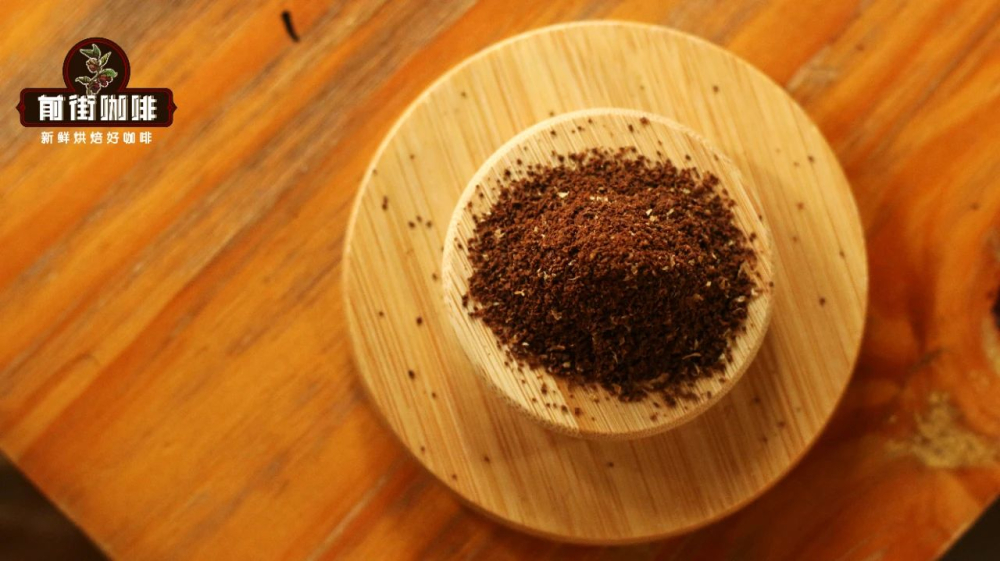
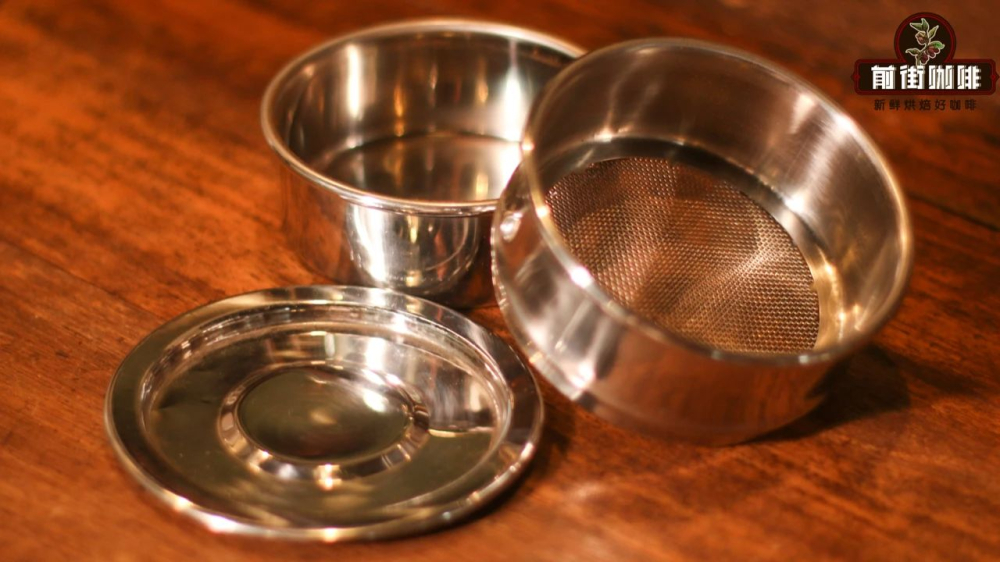
The grind size of the coffee beans also greatly affects extraction efficiency and taste performance. A grind that’s too fine creates excessive resistance to water flow, lengthening the brewing time and often leading to over-extraction, resulting in woody or off-flavors. Conversely, a grind that’s too coarse allows water to pass through too quickly, causing under-extraction and weak coffee flavor. For beans of different roast levels, it’s recommended to perform a sieve test using a No. 20 sieve—the ideal passing rate for medium-light roasted beans is around 80%, while for medium-dark roasted beans it’s about 70%-75%, adjusting accordingly to find the most suitable grind coarseness.
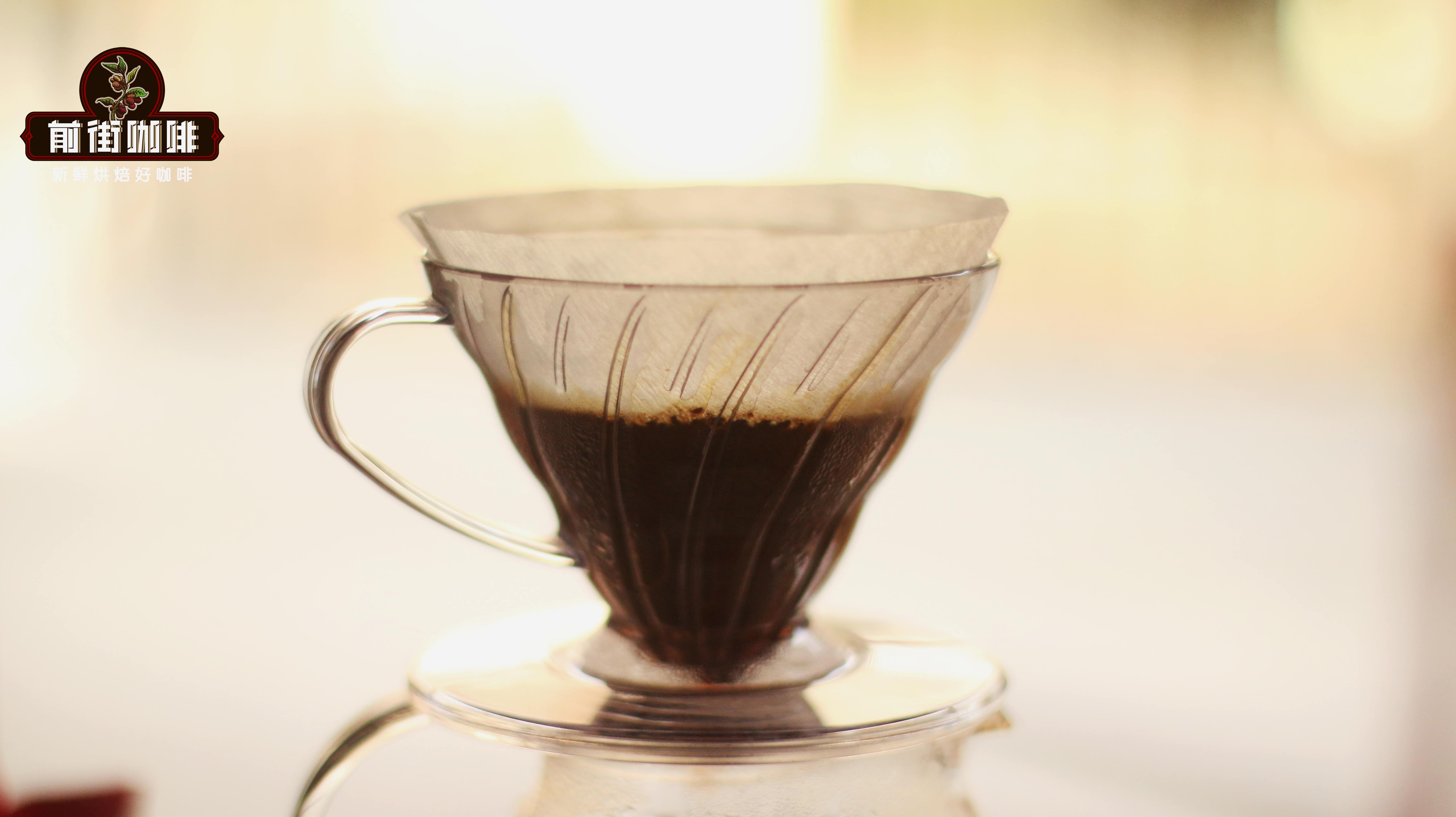
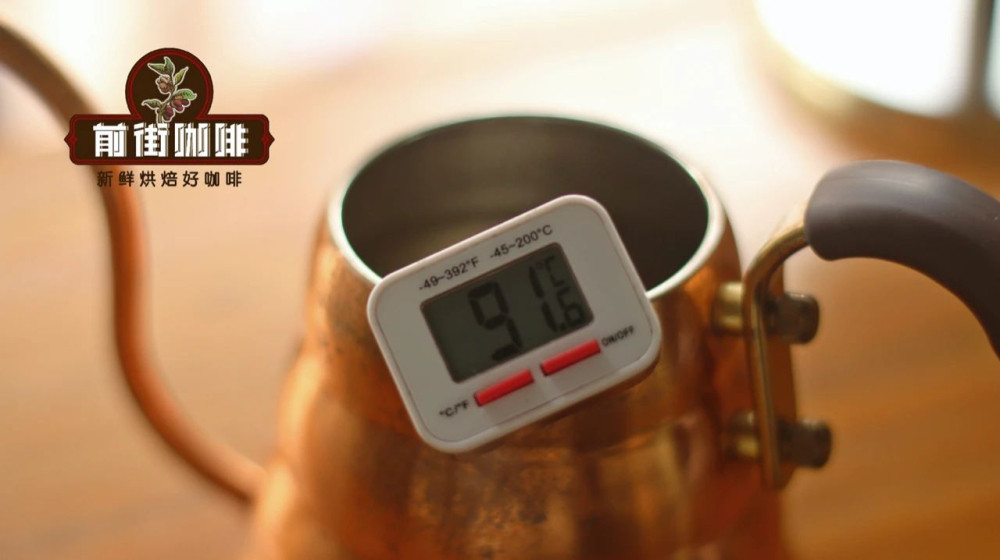
Water temperature is another critical variable. Generally speaking,medium-light roasted coffee beans are best brewed with a high water temperature of 90–91°Cto fully extract acidity and aroma; whereasmedium-dark roasted beans are recommended to be brewed at a lower temperature of 87–89°Cto avoid over-extracting bitterness and off-flavors. Additionally, the mineral content of the water also affects extraction—filtered or soft water is recommended to avoid impurities in tap water that could interfere with the pure flavor of the coffee.
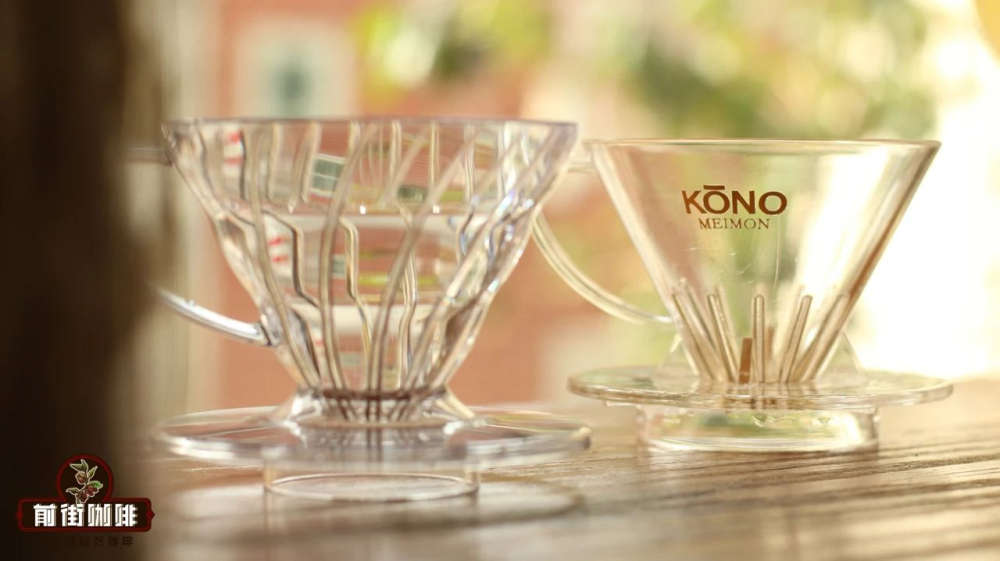
As for the choice of filter cone, for beginners,the V60 #01 filter cone is a very user-friendly entry-level option. Its wide opening and spiral rib structure promote airflow and improve extraction uniformity. Although the mouthfeel may be less full-bodied, it highlights the acidity, sweetness, and aroma of the coffee. With the right coffee-to-water ratio and brewing technique, you can easily brew a balanced and layered pour over coffee.
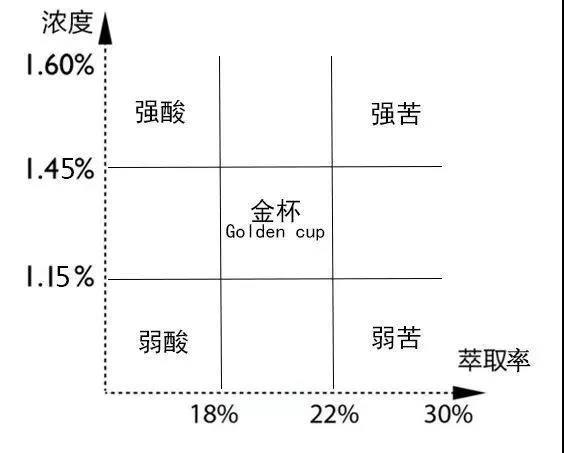
Finally, brewing time is also an aspect that shouldn’t be overlooked. At a 1:15 coffee-to-water ratio, using 15 grams of coffee as an example, it’s recommended to keep the total brewing time between 2 and 2 minutes 30 seconds. This ensures that various flavor compounds (such as acidity, sweetness, and bitterness) are released in layers, avoiding over-extraction or under-extraction. A stable pouring technique and appropriate bloom time are also important details that affect the final flavor outcome.

Taking all the above elements into account, pour over coffee is not just a simple brewing process—it’s an art that combines science and sensory experience. From the precise coffee-to-water ratio and water temperature control, to grind size and filter cone selection, every step influences the final presentation of the coffee. As long as you master these basic principles and fine-tune according to your personal taste, you too can easily enjoy a cup of pour over coffee that’s uniquely yours at home.
The above content is compiled by CoffeeHunters, a coffee news website.


