







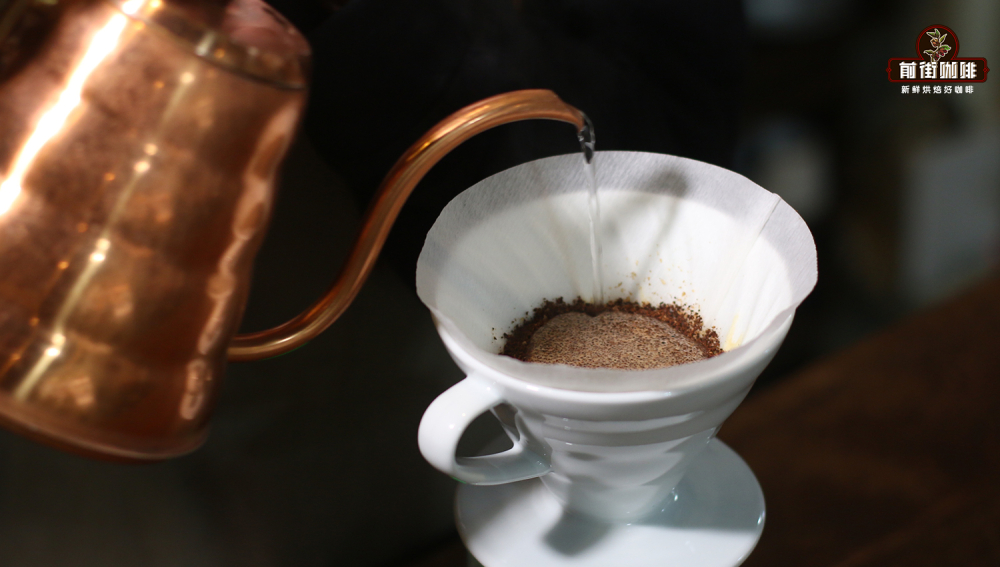
Introduction:From the theoretical foundation of the Golden Cup to four classic pour-over techniques, this article systematically analyzes the golden parameters that influence coffee flavor. It delves into the scientific rationale behind the 1:15 coffee-to-water ratio, compares the pros and cons of methods such as single-pour and drip-style, and includes real-world testing data from Colombia’s Huayueye, helping beginners precisely master the extraction balance point.
In the specialty coffee realm, the core of pour-over technique lies in precise control of variables. Many coffee enthusiasts often struggle with water pouring paths or coffee dosage choices, but the key actually lies in understanding the synergistic effect of three fundamental elements: grind size, water temperature, and coffee-to-water ratio. For single-serving extraction, when using 15 grams of coffee grounds with 225 milliliters of hot water, the 1:15 ratio falls exactly within the ideal range of the Golden Cup extraction standard.
What is the Golden Cup extraction standard?
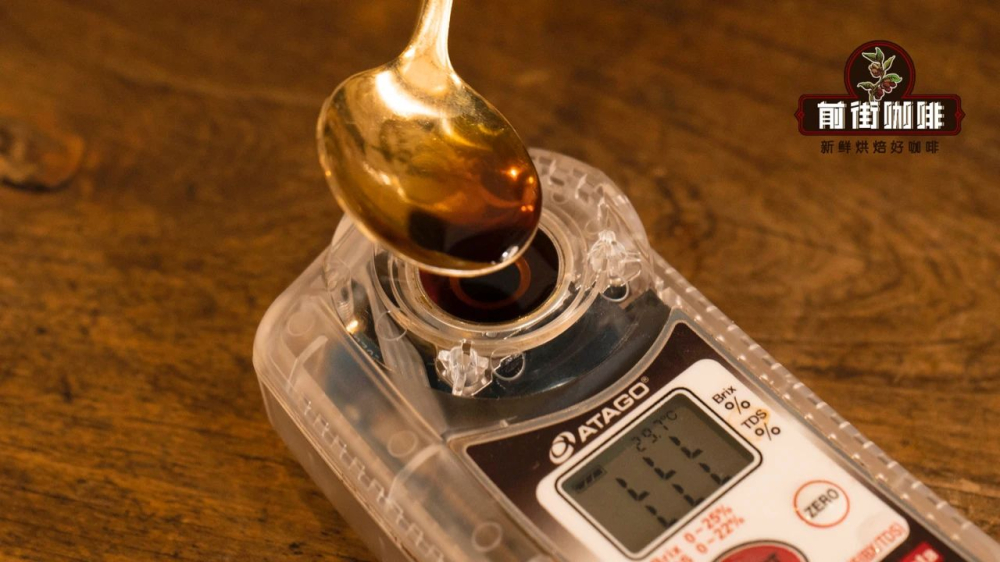
The International Coffee Organization defines the perfect extraction range as 18%-22%, corresponding to 1.8-2.2 grams of soluble substances released per 10 grams of coffee grounds. This ratio allows coffee to achieve optimal balance—neither too light (under-extracted) nor bitter (over-extracted). In actual brewing, it is recommended to control concentration between 1.2%-1.45%, which translates to common parameters of 12-15 milliliters of water per gram of coffee. Notably, this standard adjusts based on roast level, with lighter roasts typically requiring slightly higher extraction rates to showcase layered flavors.
Single-serving practical parameter configuration
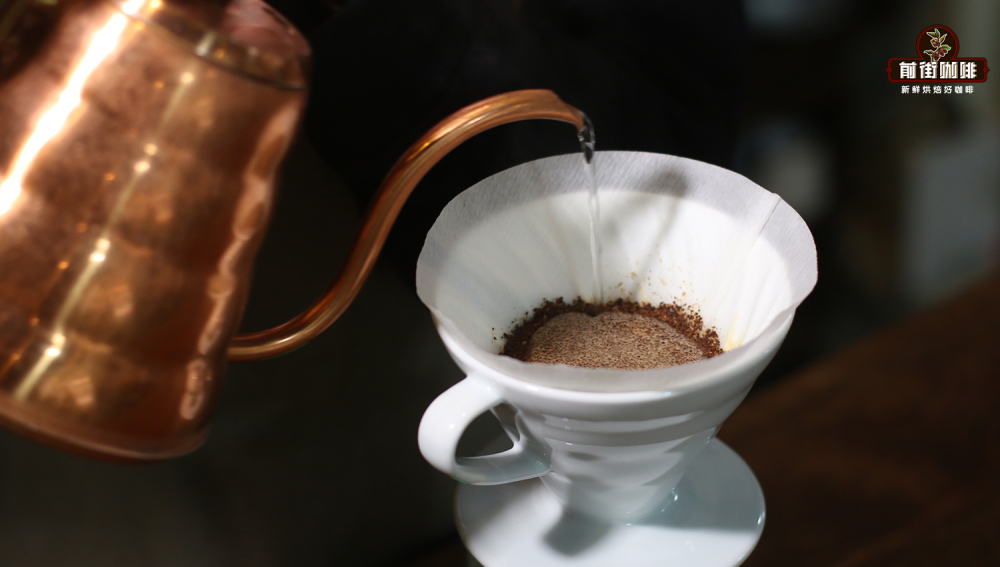
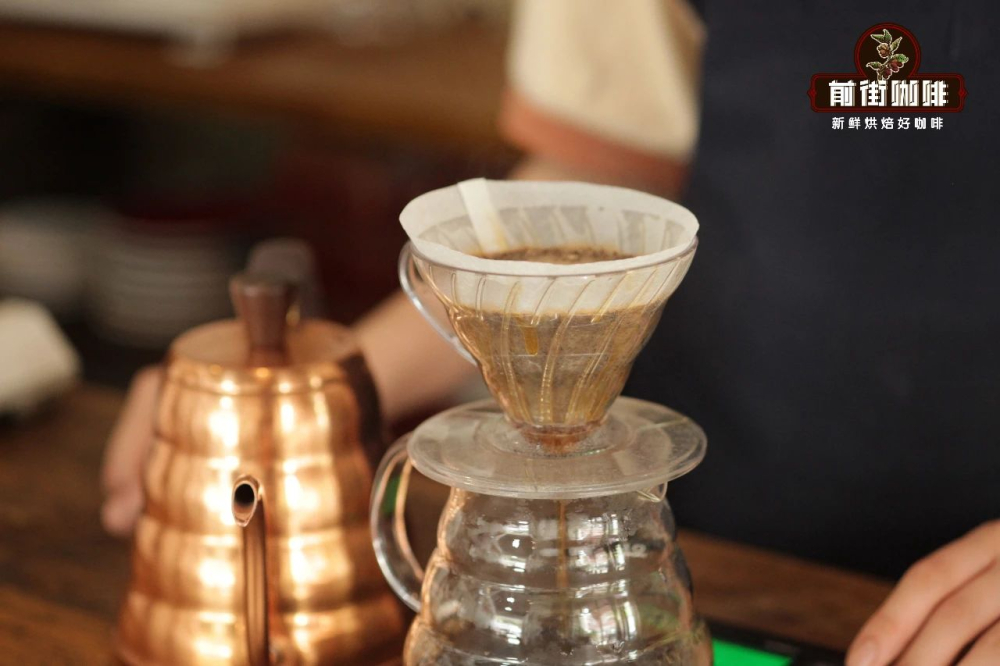
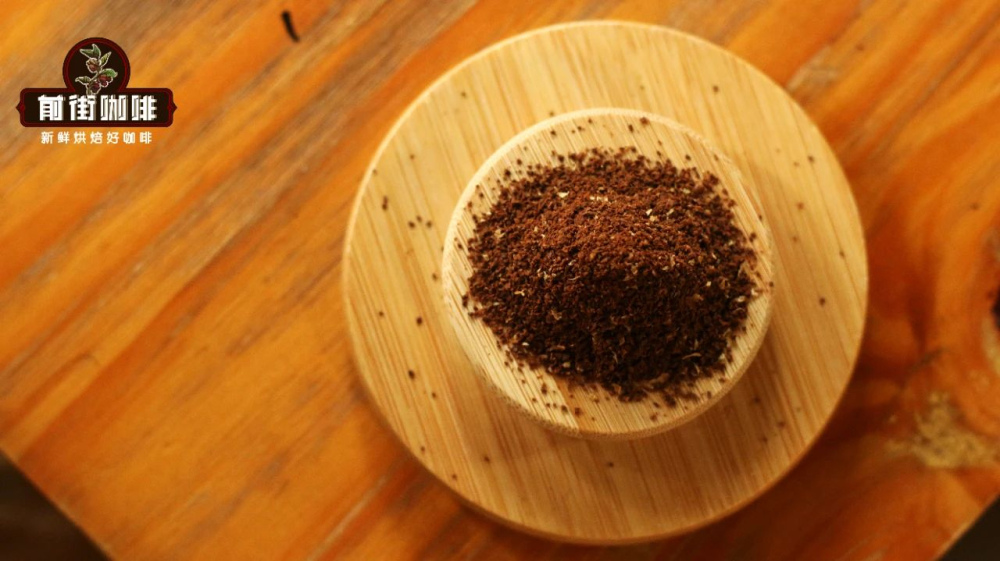
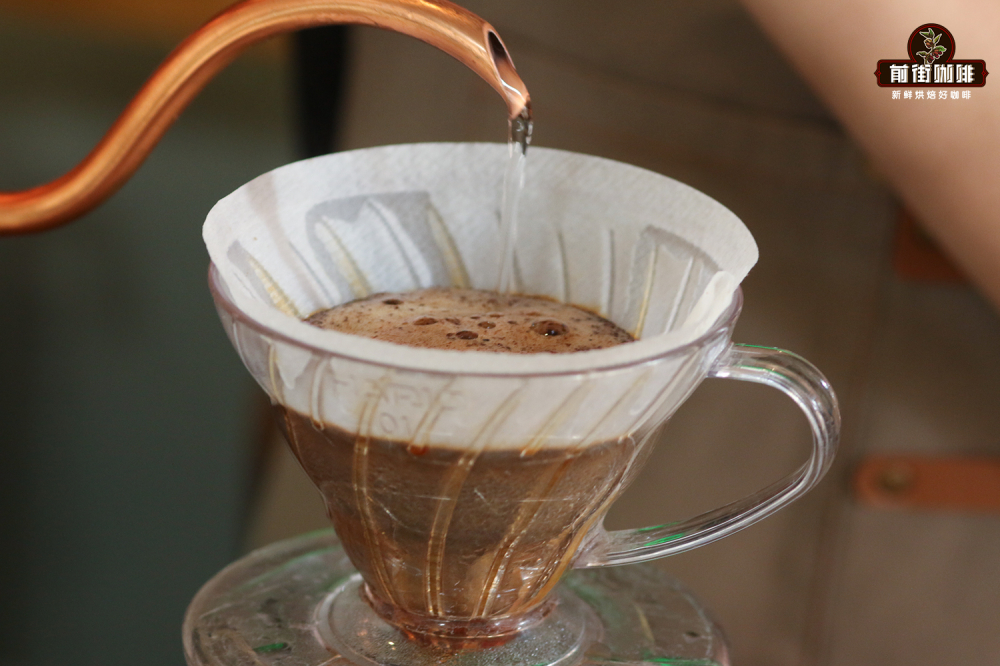
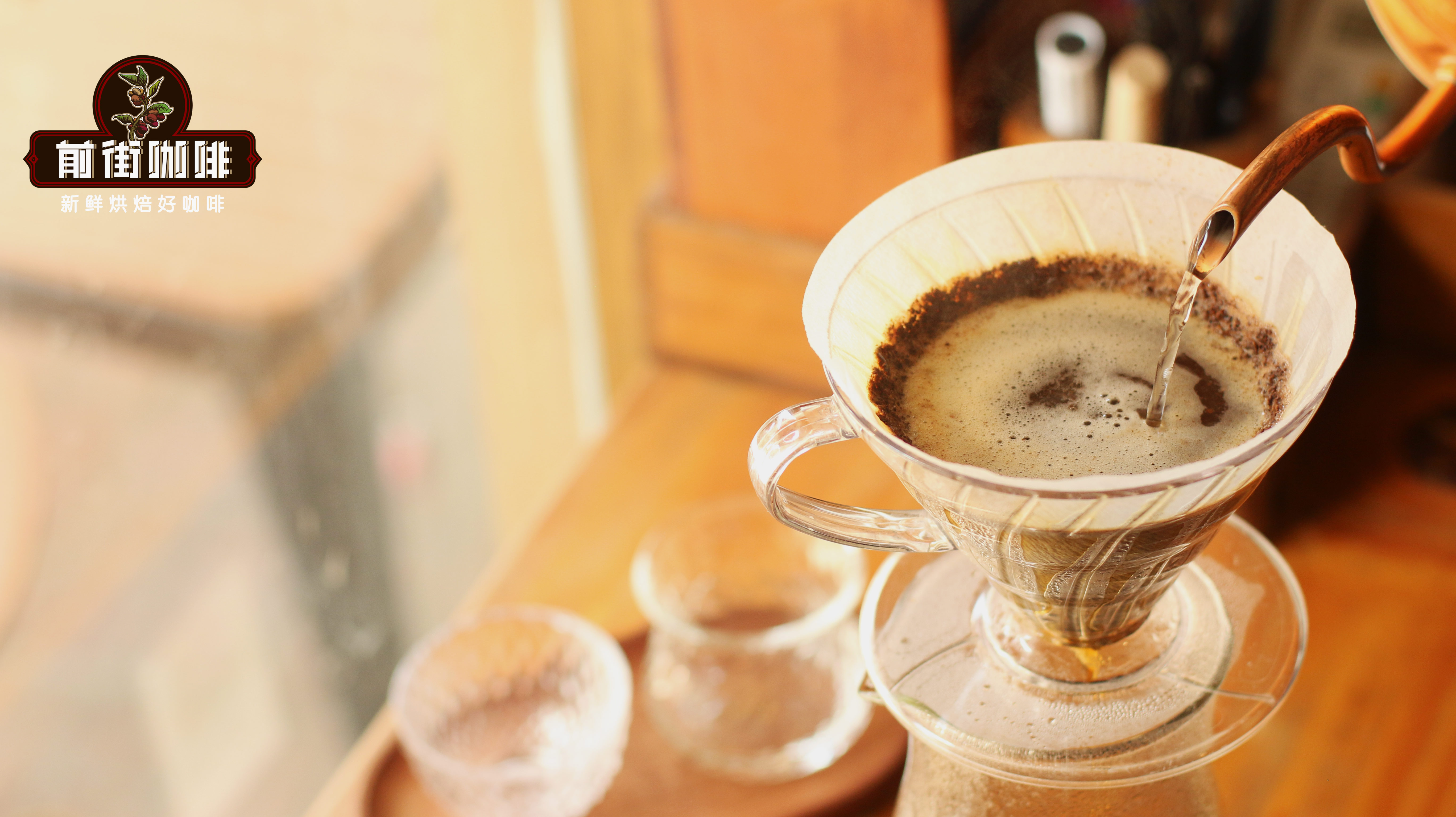
Taking the most commonly used Hario V60 filter cone as an example, 15 grams of coffee grounds can produce exactly 225 milliliters of coffee liquid to meet single-serving needs. Key parameter combinations include: medium-fine grind (80% passing rate through China Standard No. 20 sieve), 90°C water temperature, and precise three-stage pouring. This configuration is particularly suitable for light to medium roasts from high-altitude regions above 1,500 meters, clearly highlighting floral and fruity notes without appearing thin.
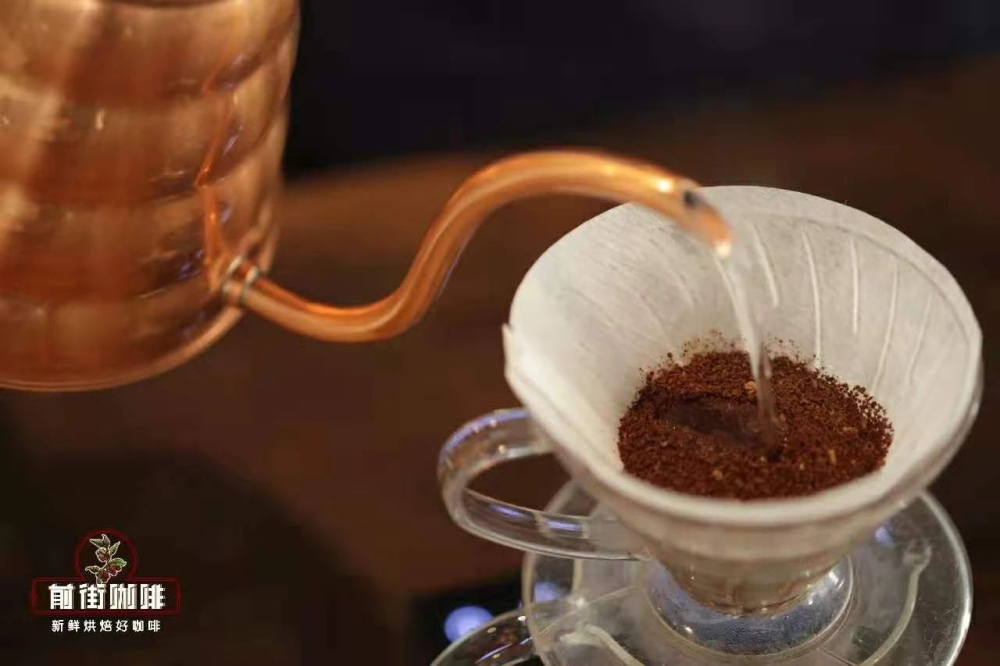
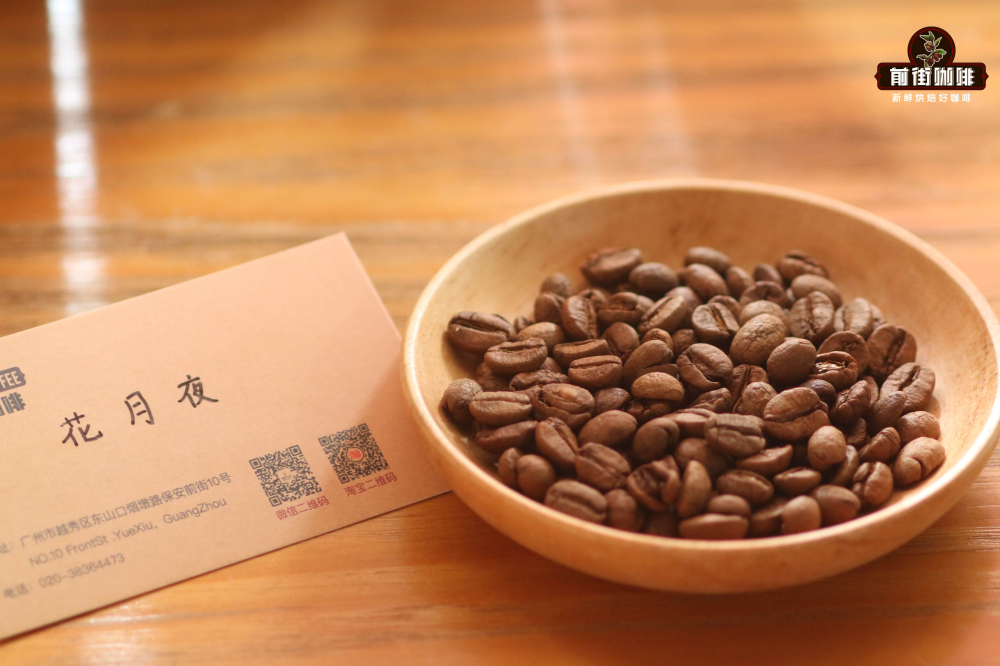
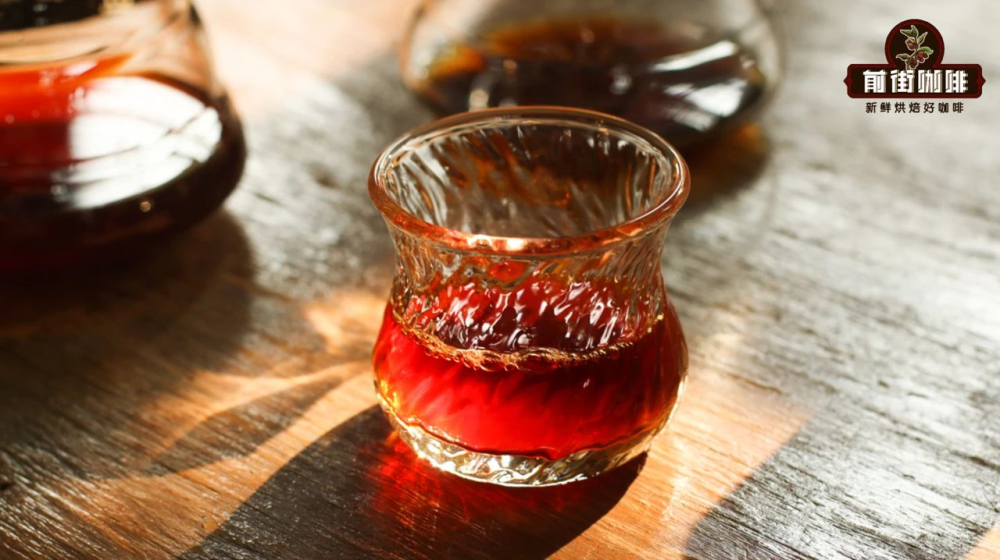
Taking Colombia’s Huila region’s Huayueye coffee as an example, its anaerobic sun-dried processing method brings unique berry fermentation aromas. Using 90°C water temperature can fully stimulate the sweetness of the Caturra variety while avoiding high-temperature-induced sharpness. Actual tests show that the total extraction time of 2 minutes under this configuration perfectly balances the bright acidity in the early stage with the caramel aftertaste in the middle stage.
Comparison of four mainstream pouring techniques
Three-stage standard method(Recommended for beginners):
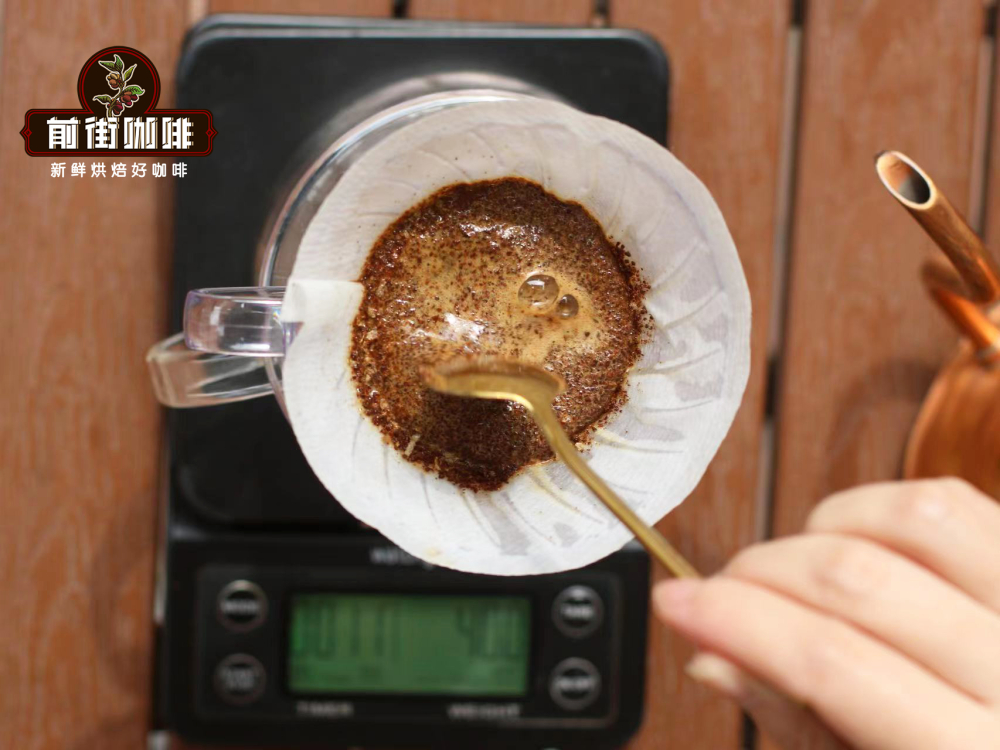
Activating the coffee grounds by blooming with 30 grams of water for 30 seconds, then pouring in stages up to the 125-gram and 225-gram marks. This segmented control effectively prevents channeling,especially suitable for high-altitude light roasts around 1,800 meters,such as those from Ethiopia’s Yirgacheffe region. Note that the blooming water amount should be twice the coffee weight, and the water flow must evenly cover the entire coffee bed.
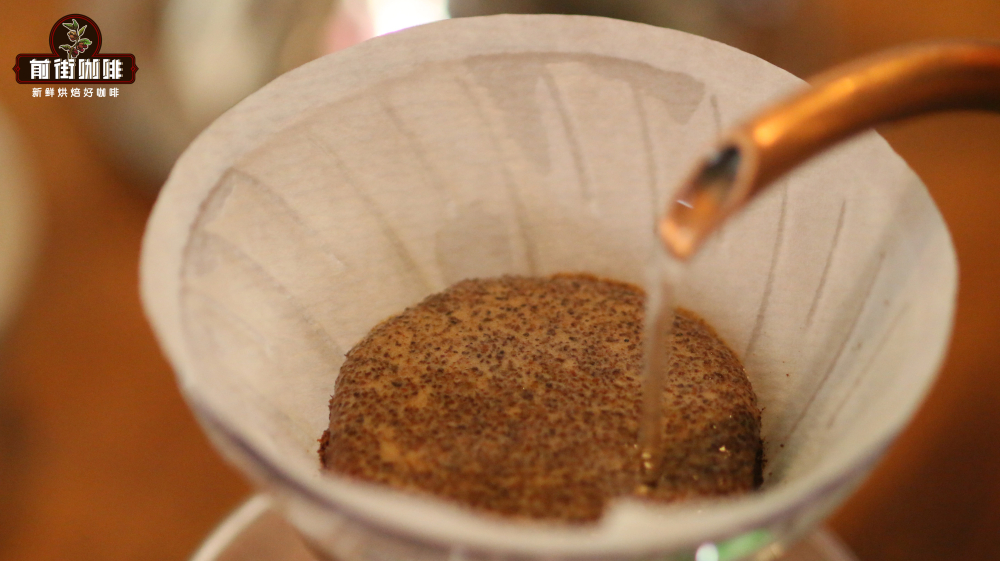
Single-pour continuous method:
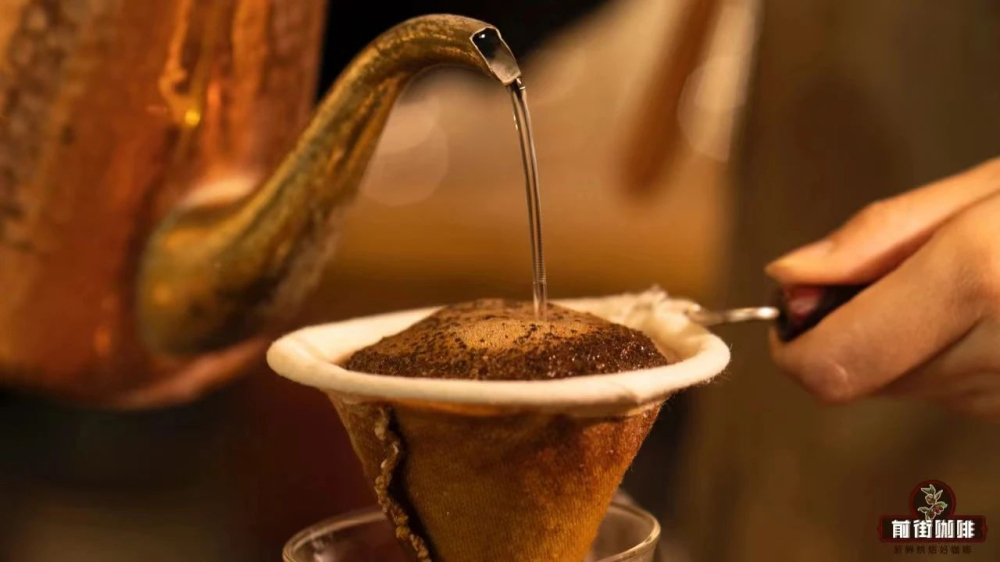
Maintaining a steady water flow throughout without interruption, relying on precise flow rate control to maintain extraction balance. Its advantage lies in simple operation and the ability to highlight a rich mouthfeel, butit may lead to uneven edge extraction for beginners.It is recommended to use a cloth filter to buffer the water impact.
Drip-style slow extraction method:
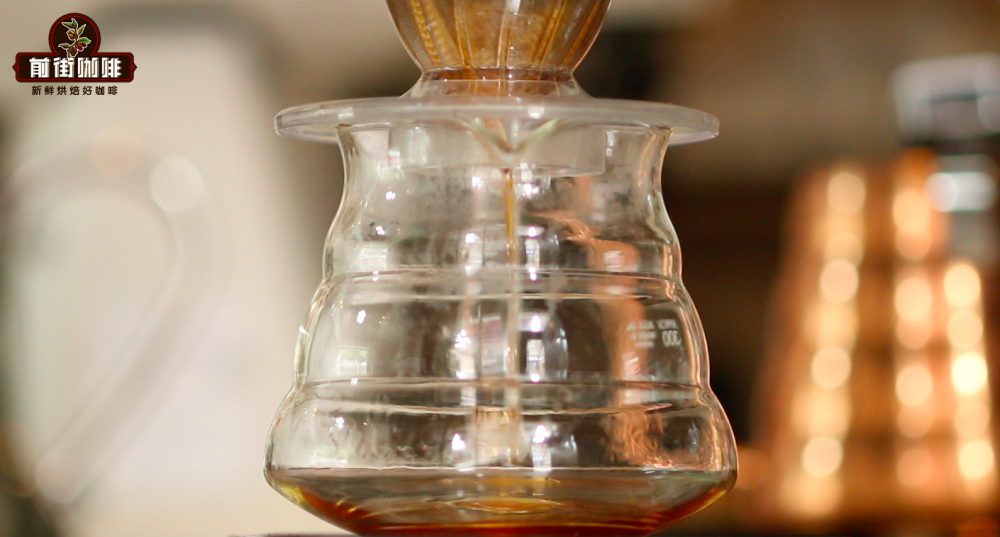
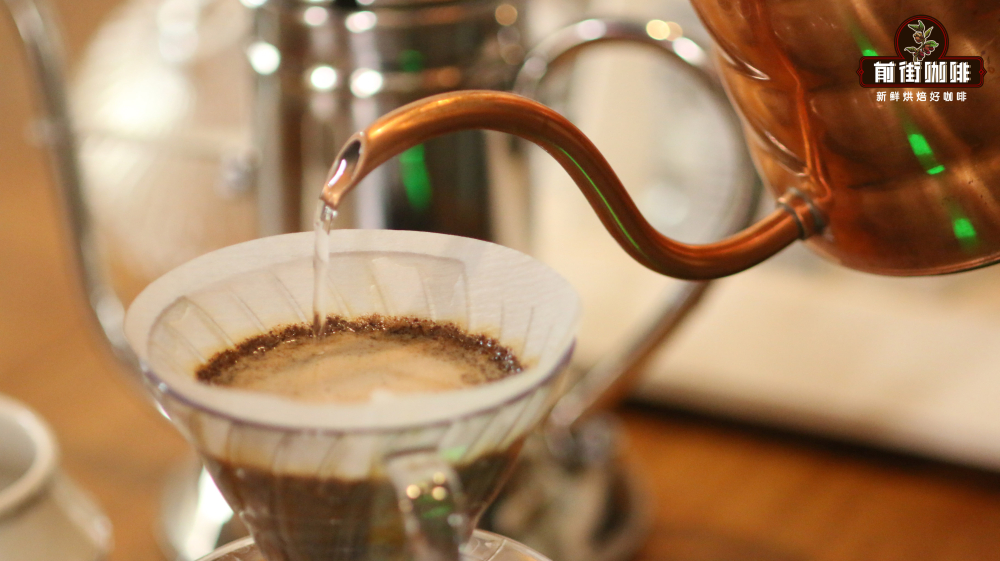
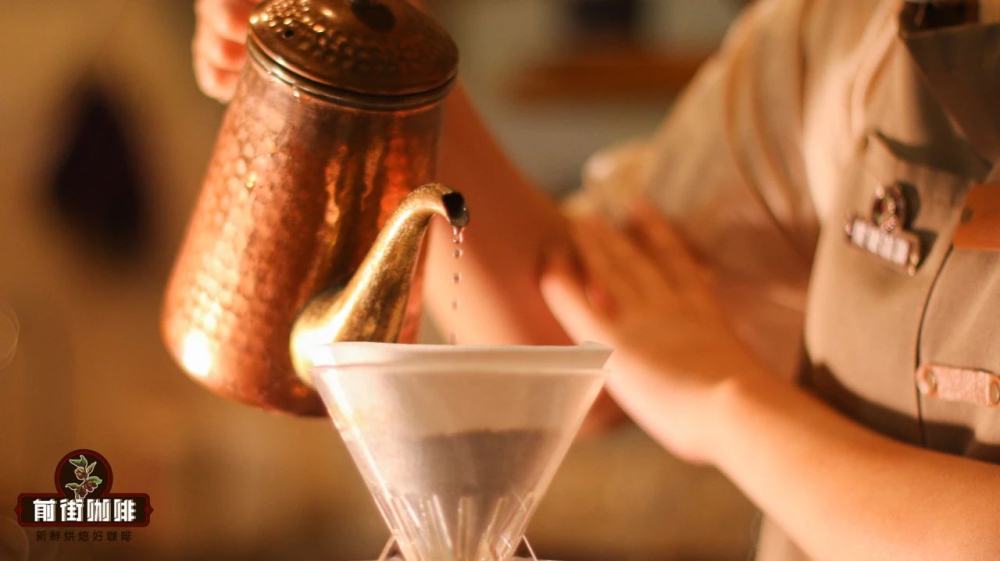
Using extremely fine water flow for prolonged immersion, creating a rich, silky mouthfeel. Requires a wide-spout gooseneck kettle to precisely control the flow rate of 1-2 drops per second, particularly suitable for extracting sugar compounds in dark roasts. But full extraction takes 4-5 minutes, making it unsuitable as a daily quick-brew solution.
Volcanic impact method:
A special technique for dark roasts, creating a boiling extraction zone in the center of the coffee bed. When using a V60 filter cone, concentrate pouring in a coin-sized area,but follow up with even replenishment to avoid localized over-extraction.This method enhances dark chocolate and smoky flavors, but temperature control error must be less than ±1°C.
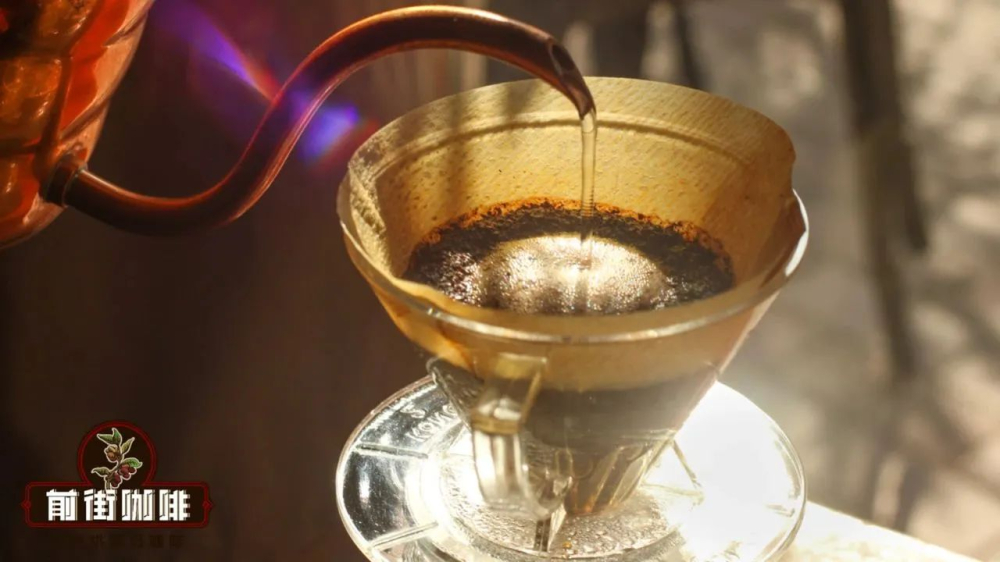
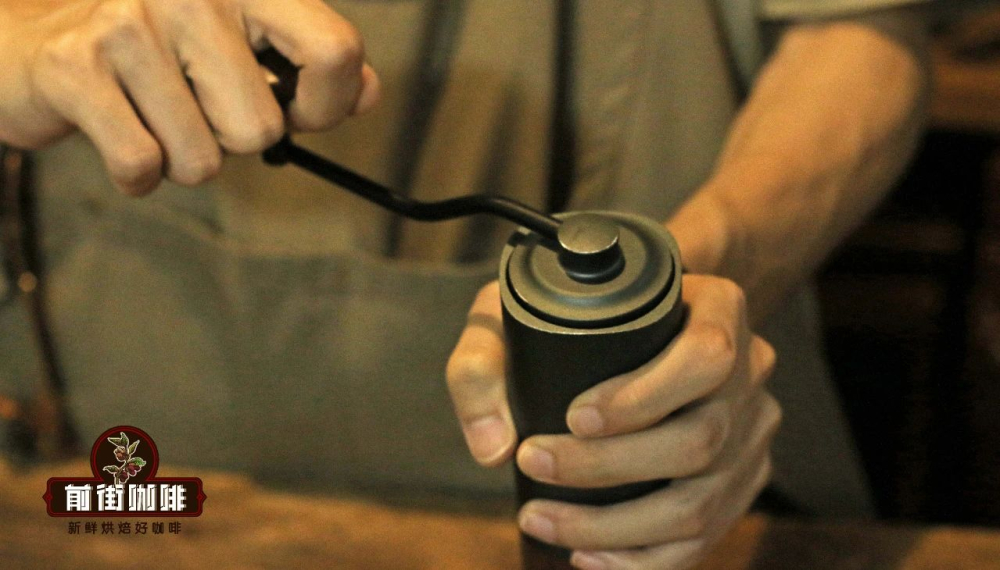
Regardless of which method you choose, regularly calibrating your grinder is key. It is recommended to check the 20-number sieve passing rate after grinding every 200 grams of coffee, and fine-tune the grind size according to bean characteristics. For example, when handling low-acid hard beans like Brazil Santos, you can appropriately adjust the grind coarser to a 75% passing rate to prevent over-extraction that produces woody notes.
The above content is compiled by CoffeeHunters, a coffee news website.


