








Introduction:Want to brew a professional-level pour over coffee at home? This article systematically explains the correct English terminology for pour over coffee, the seven core elements that influence flavor—including key parameters such as grind size, water temperature, and water quality—and introduces mainstream brewing methods like the three-stage pour. Master these practical techniques to easily adjust to your desired flavor profile and avoid common brewing mistakes.
Pour over coffee is becoming increasingly popular among coffee enthusiasts, but do you really know its correct English name? Many mistakenly call it “Hand coffee” or “Hand punch.” In fact, the internationally recognized professional term is “Pour over coffee.” This brewing method emphasizes extracting the essence of coffee under atmospheric pressure using a steady water flow through a filter cone and paper filter.
To understand the essence of pour over coffee, you first need to be familiar with theseven key elementsthat influence flavor presentation. These elements are closely interconnected—from the freshness of the coffee beans to the final brew time—each step directly affects the taste complexity of the final cup.
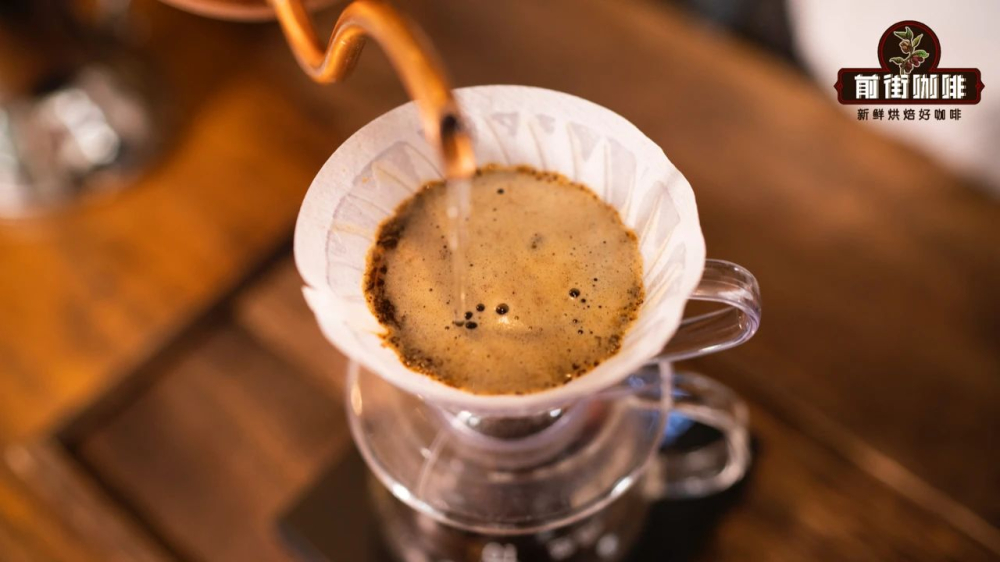
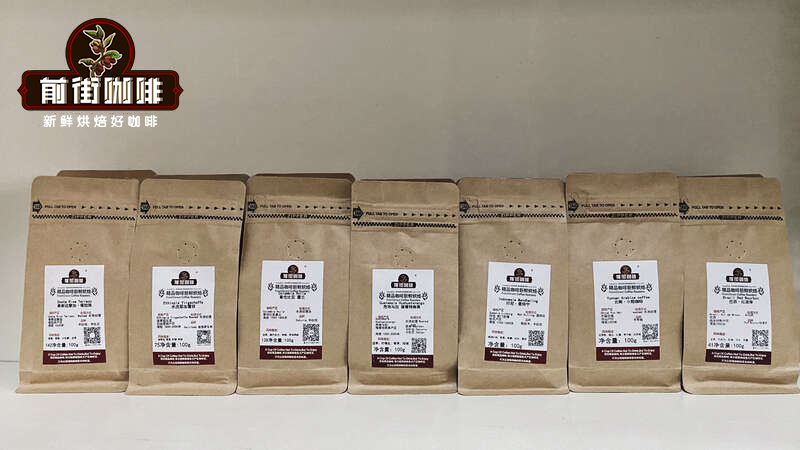
Freshness is the foundation of a high-quality pour over coffee.The optimal enjoyment period for coffee beans is typically within 30 days after roasting, when aromatic compounds are most active. Over time, the gradual loss of carbon dioxide leads to weakened aroma, and beans past their prime often result in bland-tasting drinks. It’s recommended to check the roast date when purchasing, prioritizing products that have been recently roasted.
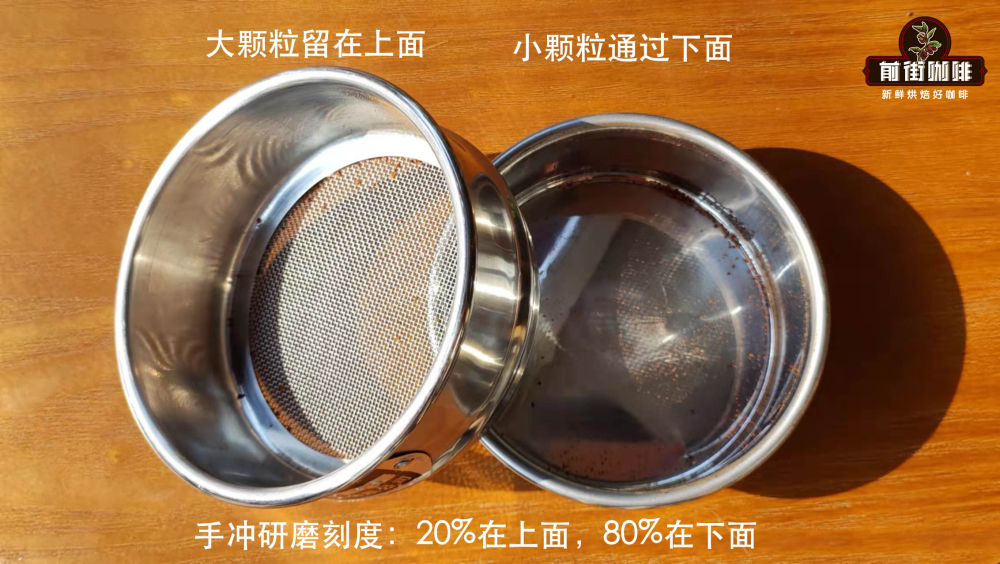
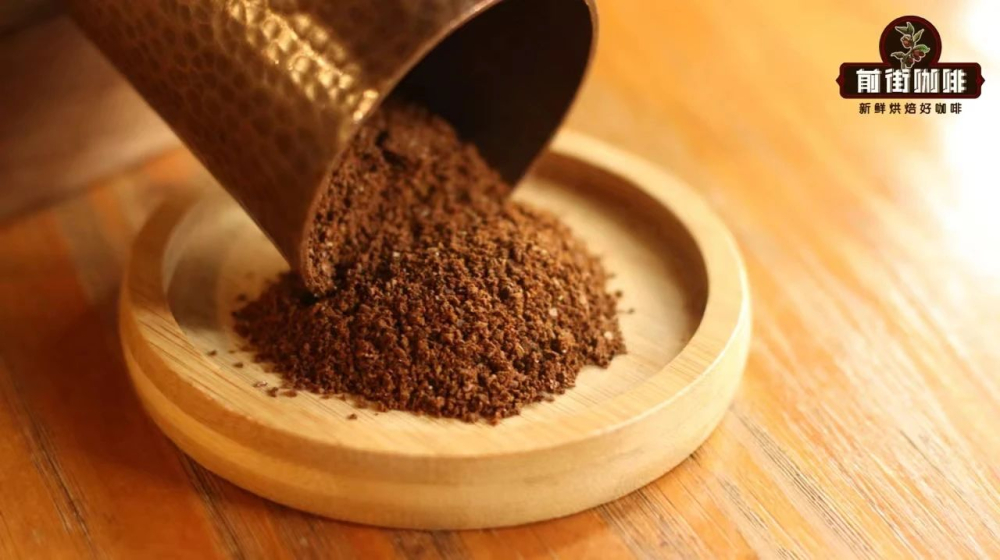
Grind size directly affects extraction efficiency. It’s suggested to use a #20 cupping sieve (with an aperture of 0.85mm) for testing: take 10 grams of ground coffee and sift it. For medium to light roasts, the ideal passing rate is 80% (approximately 8 grams), while medium to dark roasts should aim for 70%-75% (7–7.5 grams). If too much coffee powder passes through, adjust to a coarser grind; conversely, go finer. This simple test can help find the optimal grind setting for each type of bean.
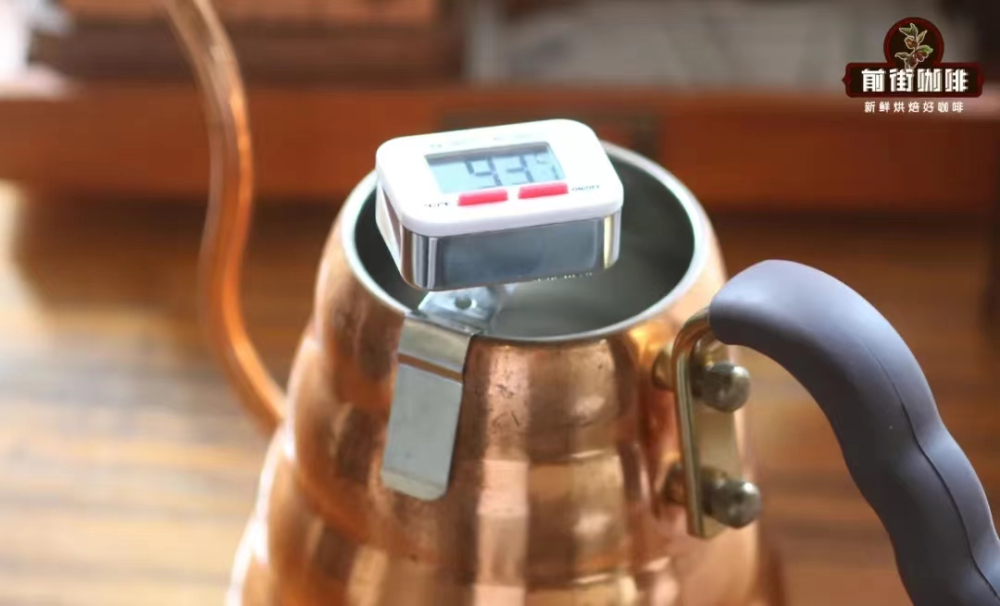
Water temperature control is a nuanced art.For medium to light roasts, it’s recommended to use hot water at 90–93°Cto fully bring out floral and fruity notes;for medium to dark roasts, 86–88°C is more suitableto avoid over-extraction and the resulting burnt bitterness. The difference in boiling points at varying altitudes should also be considered—higher elevations may require extending the brew time slightly.
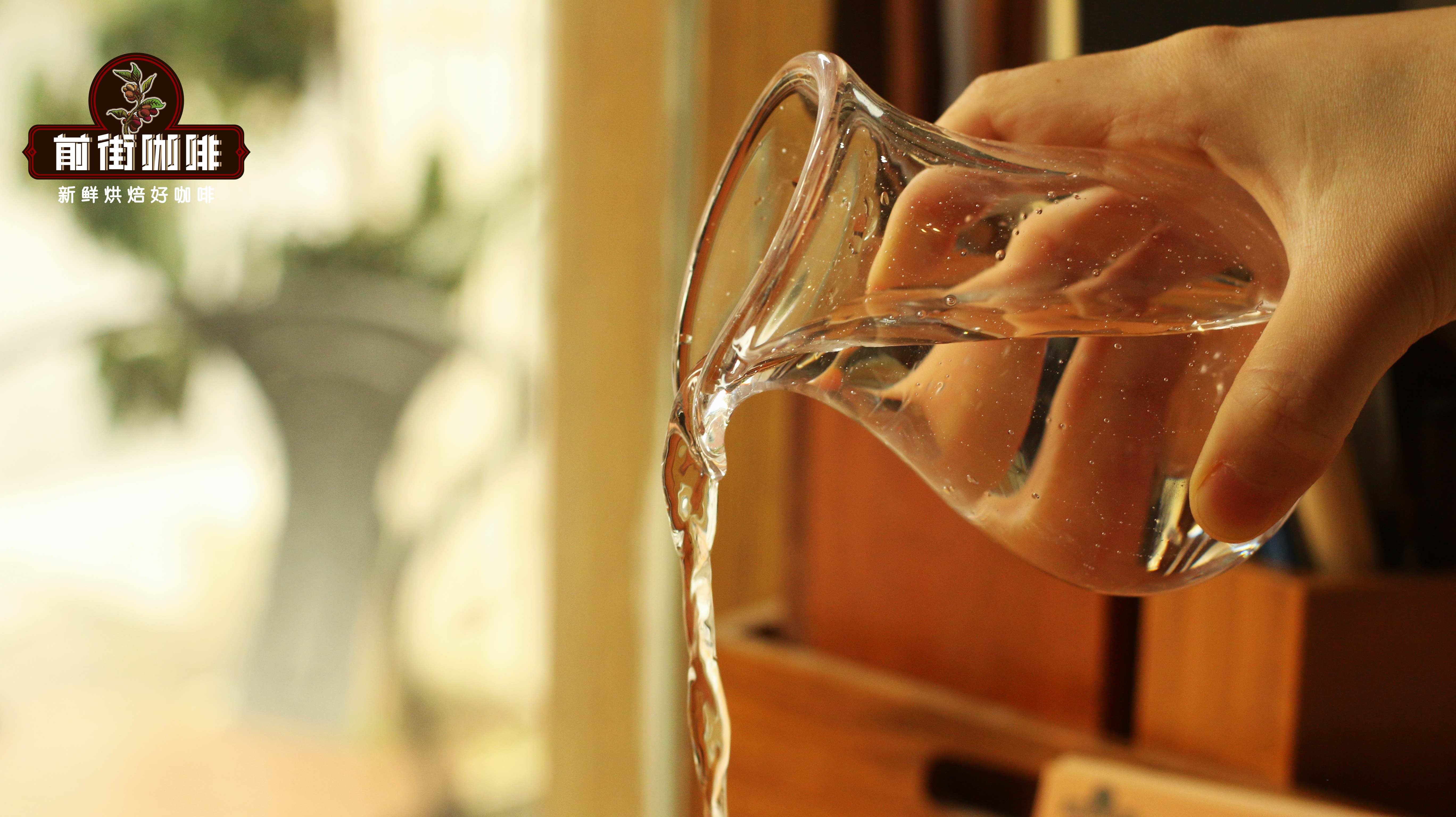
The impact of water quality on flavor is often overlooked. Minerals such as calcium and magnesium in water affect the chemistry of extraction. It’s recommended to use filtered or mineral water, avoiding tap water with high chlorine content. Ideally, the water should be clear, odorless, and have moderate mineral content, which helps bring out a richer and more layered coffee flavor.
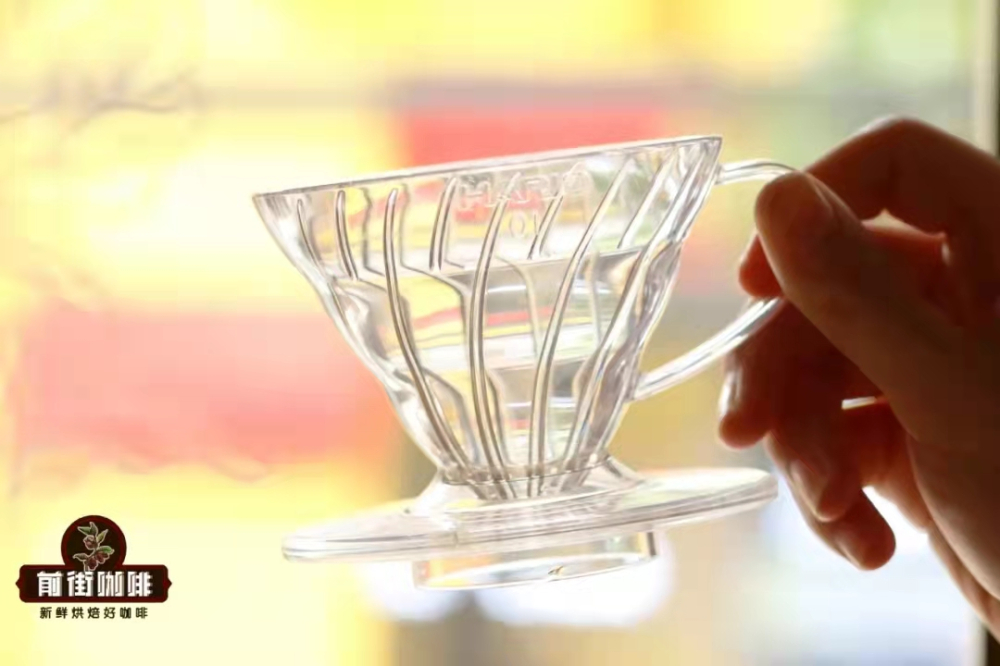
The choice of filter cone significantly affects extraction. Beginners are recommended to start with the V60 size 01, whose conical design and spiral ridges promote air circulation, resulting in bright acidity and clear aromas. While it may sacrifice some body, it perfectly showcases the regional characteristics of the coffee, making it especially suitable for those seeking complex flavor layers.
The coffee-to-water ratio is key to determining strength and mouthfeel. According to the SCA Golden Cup standard:a ratio of 1:14.5–1:15.5 (roughly 1:15) is the most balanced range, achieving both an ideal extraction yield (18%–22%) and concentration (1.15%–1.35%). For a stronger taste, opt for 1:12–1:13; for a lighter style, try 1:14–1:16. Flexible adjustments can meet different taste preferences.
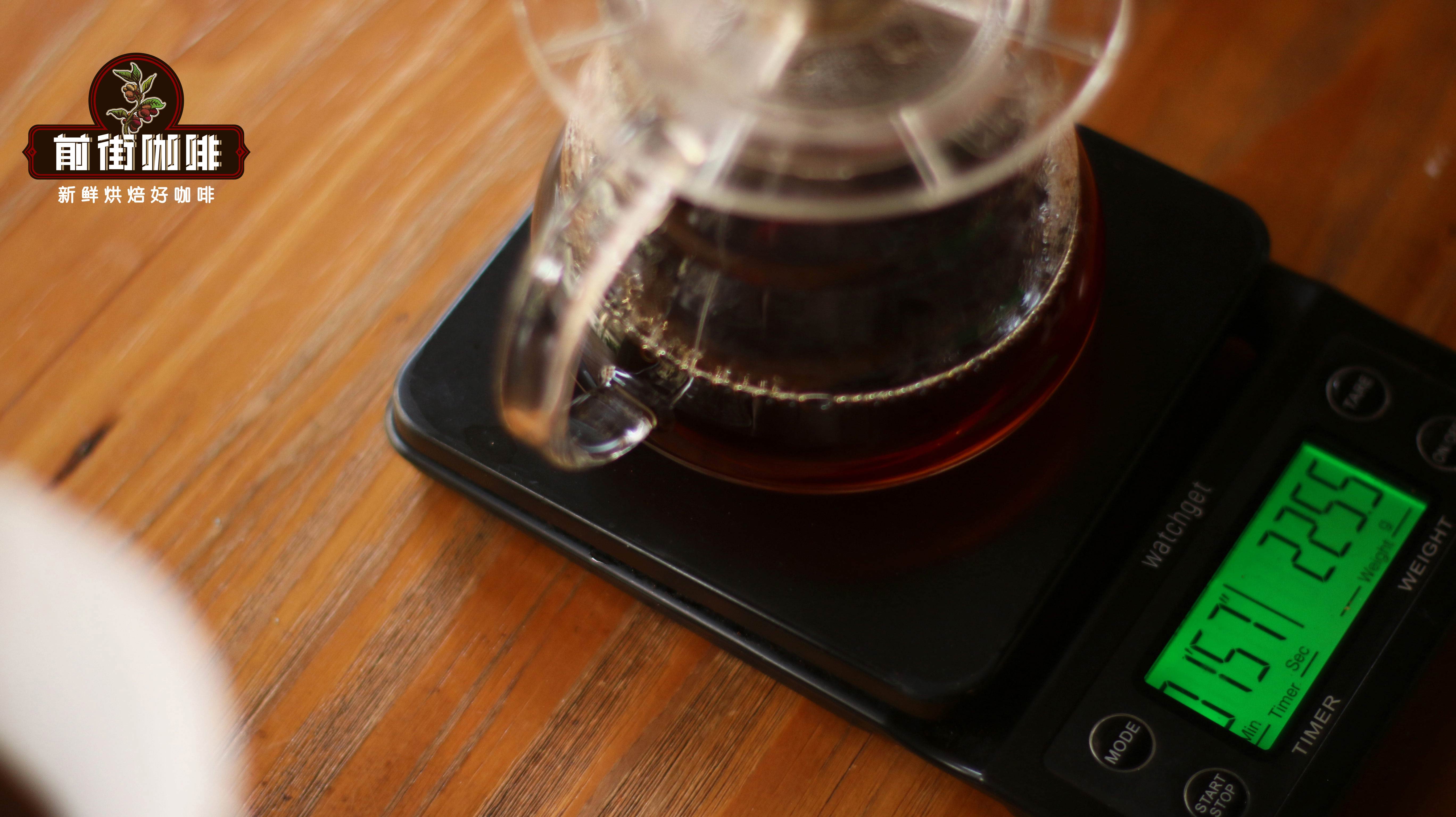
Brew time directly impacts flavor balance. Typically, with 15 grams of coffee at a 1:15 ratio,2 to 2 minutes and 30 seconds is the ideal range. The early phase extracts bright floral and fruity notes quickly, while the later phase slowly releases heavier compounds—this balance needs precise control. Too long can lead to bitterness, too short to a thin flavor. In practice, adjust the flow rate based on bean density and grind size.
The impact of grind size on extraction efficiency is often underestimated. A fine grind increases resistance in the coffee bed, slowing the flow and enhancing extraction but risking over-extraction; a coarse grind does the opposite—quick filtration retains a clean taste but may under-extract. It’s recommended to experiment to find the golden balance point for each bean, a crucial step in improving your brewing skills.
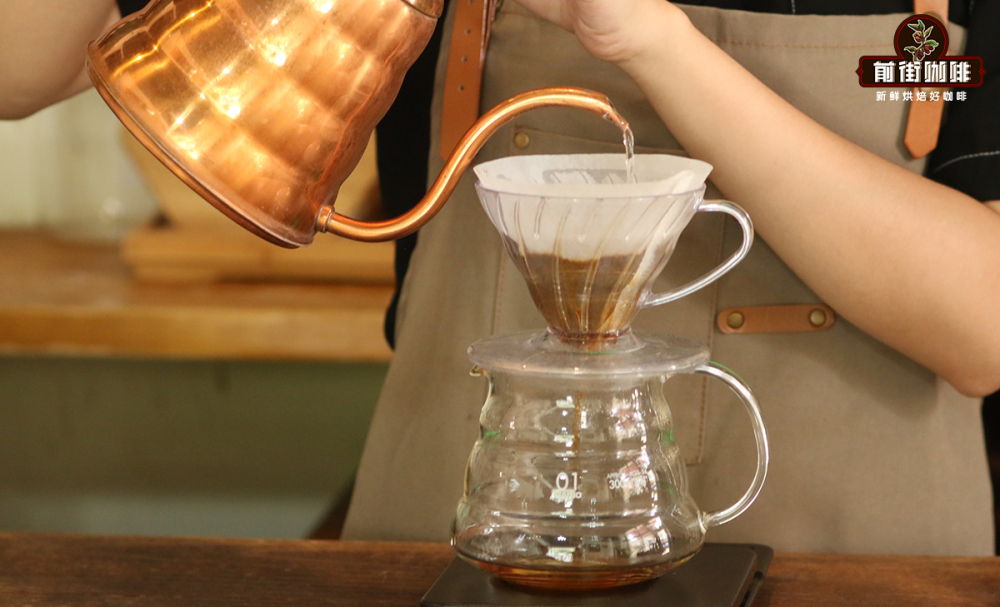
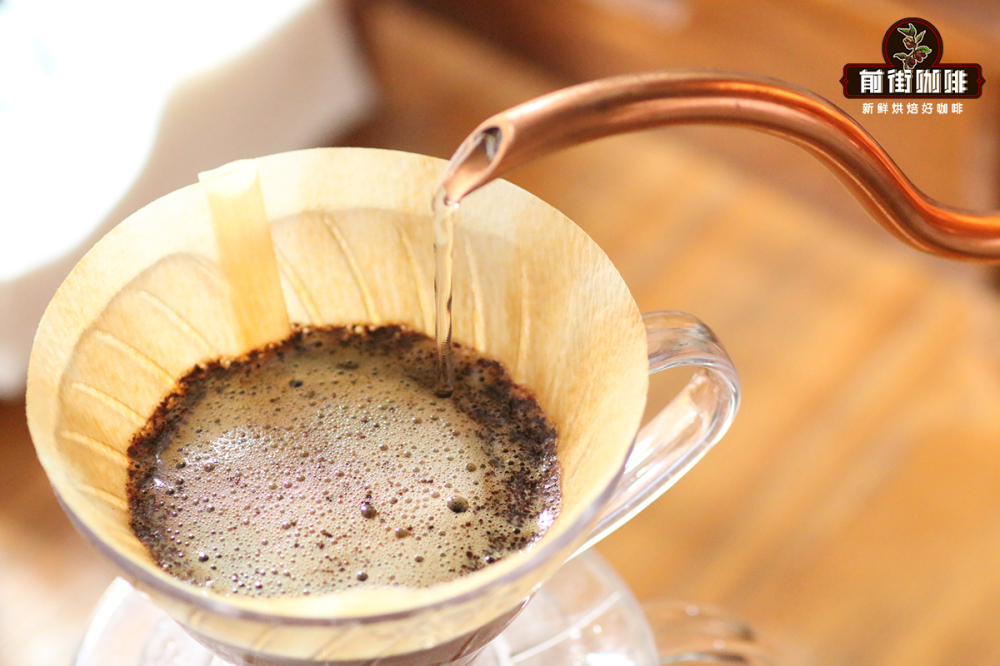
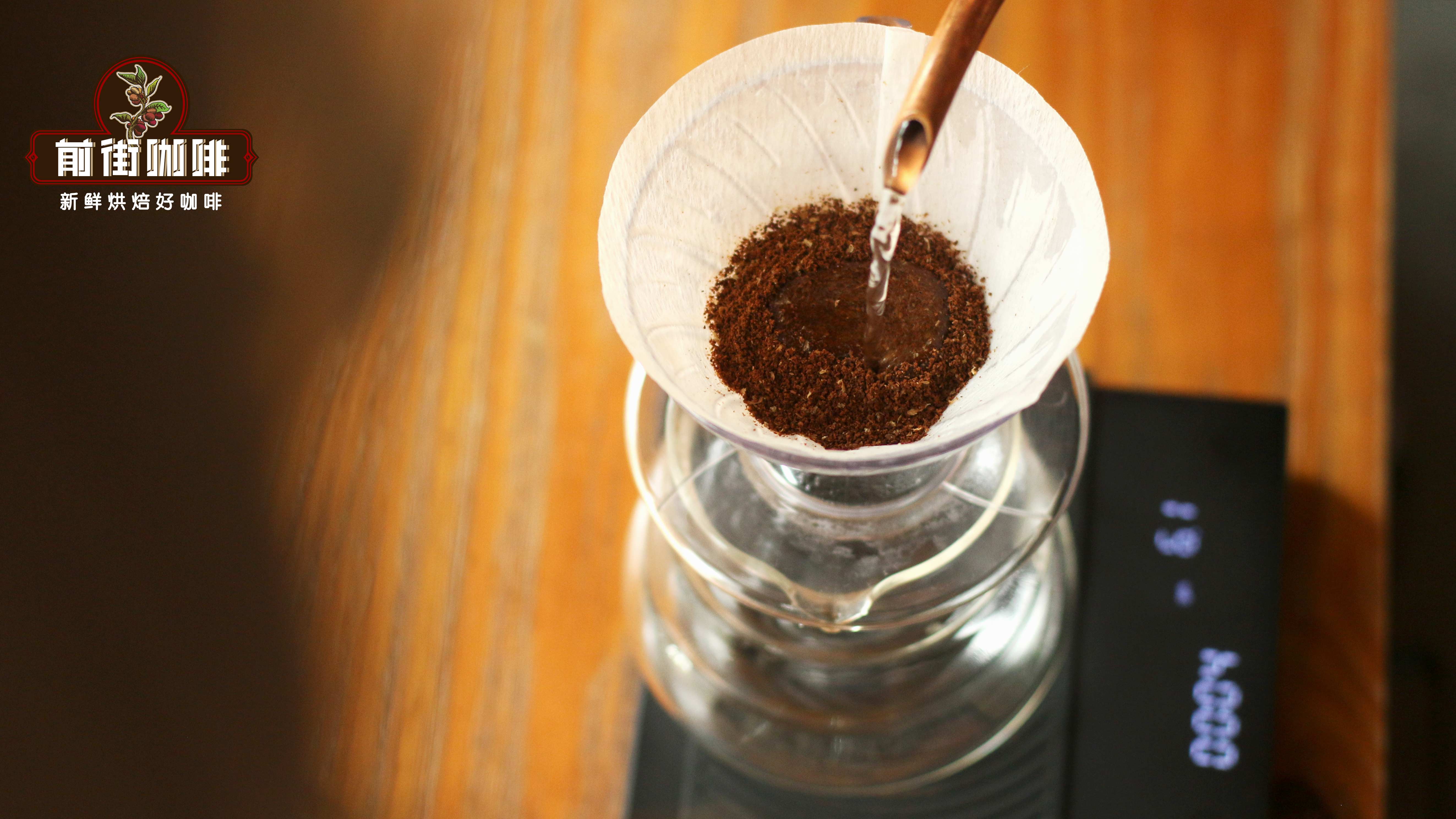
Mastering the three-stage pour method is a practical technique for beginners. First, perform a 30-second bloom (pouring double the coffee’s weight in water), gently wetting the grounds to release trapped CO₂ and establish an even extraction base. Then pour in small circles from the center up to half the brew volume, and finally expand the circle to complete the remaining pour. This segmented pouring effectively highlights distinct flavor characteristics in the early, middle, and late stages.
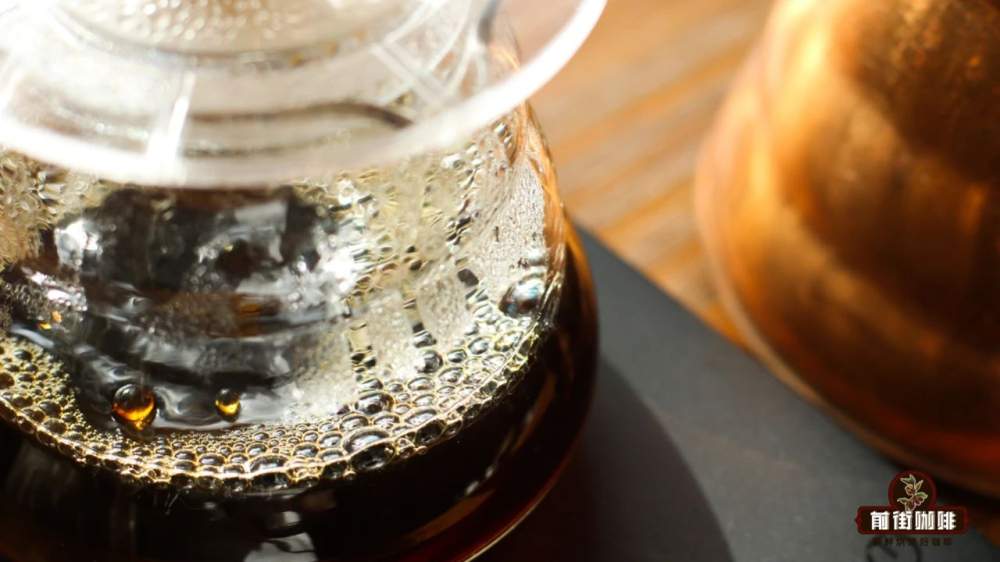
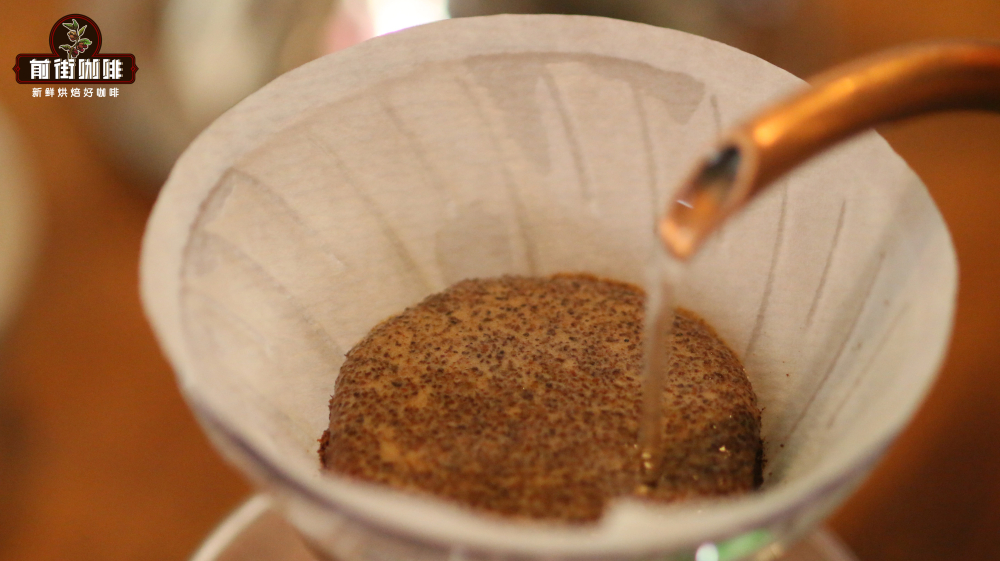
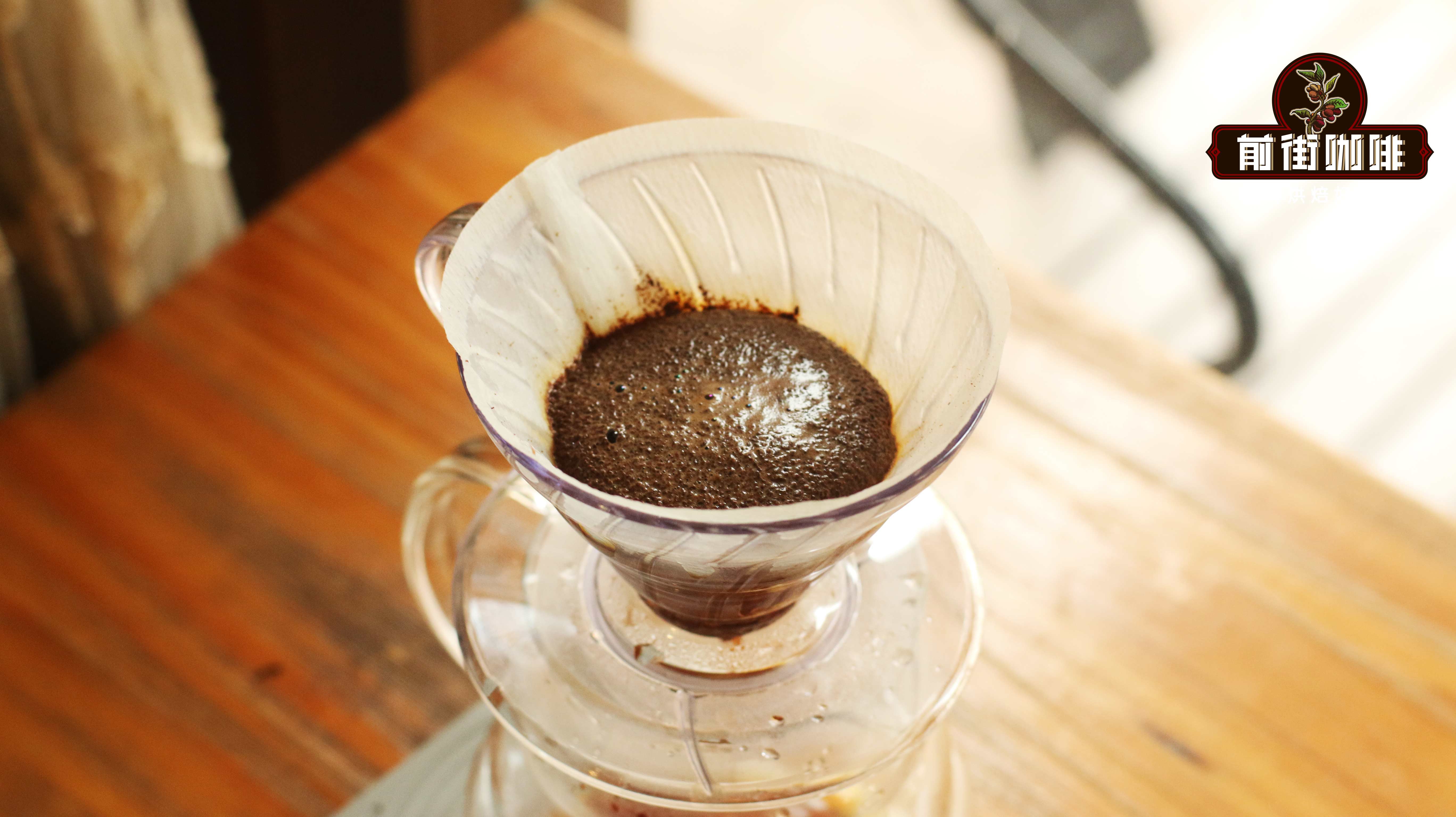
The bloom stage has three key details:the coffee bed must be level, the water flow gentle, and the water amount about double the coffee’s weight. Observe the coffee grounds as they swell and then slightly contract (around 30 seconds)—this stage determines the uniformity of subsequent extraction. If the brew drips too quickly, adjust the grind or reduce water volume to ensure aromatic compounds are fully released without loss.
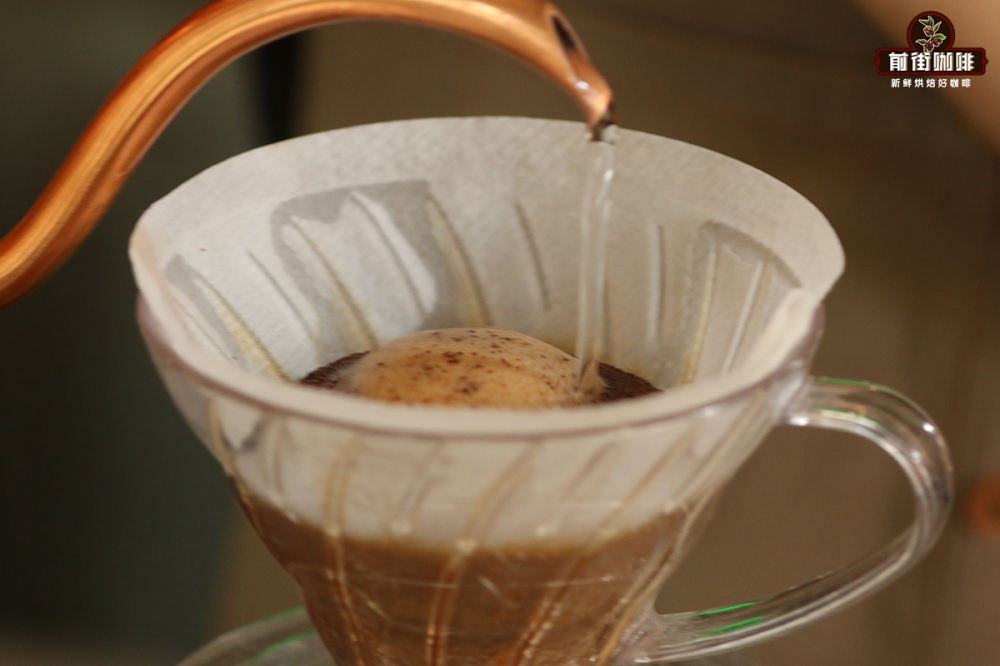
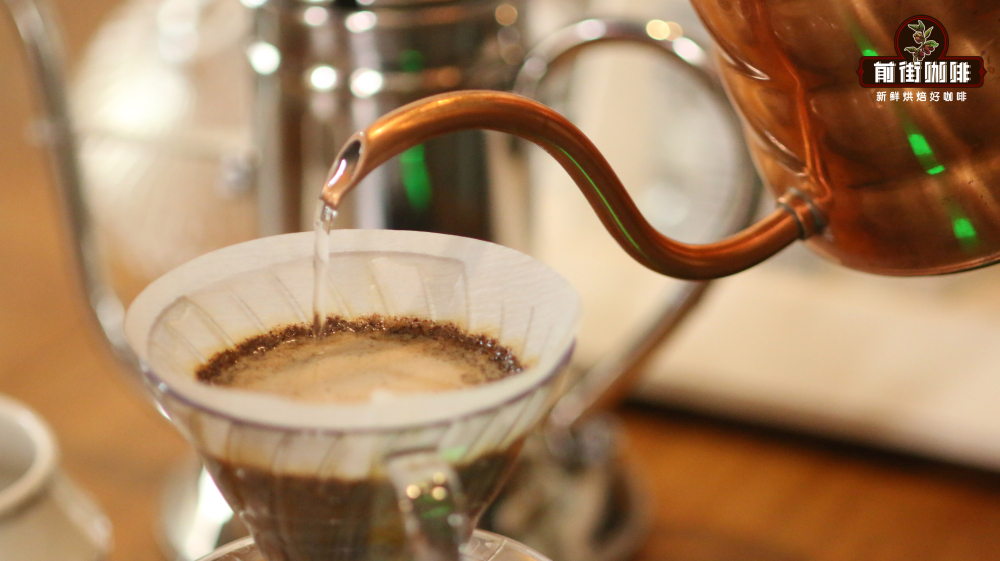
For the second pour, start from the center and pour in a stable stream with small circular motions, keeping the water level below the height of the coffee bed. Stop when the water approaches the edge of the filter paper. This stage focuses on developing the coffee’s main body flavors. The third pour begins when the water level drops to half, using slightly larger circles to encourage coffee particle movement and release more soluble compounds—but maintain a steady rhythm to avoid over-extraction in the final phase.
The brewing process requires full attention. The speed of water level drop, foam distribution, and changes in pouring rhythm all influence the final flavor. Beginners are advised to take notes on each parameter combination adjusted, experimenting repeatedly to find their preferred optimal balance. Remember, great pour over coffee isn’t just about precise numbers—it’s about understanding and respecting the unique character of the coffee.
The above content is compiled by CoffeeHunters, a coffee news website.


