








Introduction:The flavor profile of a pour over coffee is not determined by a single parameter, but by the precise combination of coffee-to-water ratio, grind size, and water temperature. This article takes Panama’s Emerald Estate Blue Label Geisha as an example, testing four different coffee-to-water ratios from 1:15 to 1:18 to analyze how each ratio affects the balance of acidity and sweetness, layering, and body. It also provides operational details for the V60 filter and recommendations on resting period, helping you find the golden extraction formula tailored for Geisha.
Pour over coffee is actually a delicate dialogue between water and coffee grounds—extraction efficiency is controlled through pouring position and speed, while the filter paper removes impurities. Many beginners mistakenly assume that the coffee-to-water ratio is fixed at 1:15, but this number directly determines the concentration of the coffee and how its flavors are expressed. This time, we use the market-renowned flavor virtuoso “Panama Emerald Estate Blue Label Geisha” and conduct a comparative experiment with four different coffee-to-water ratios to uncover the potential of this Geisha bean.
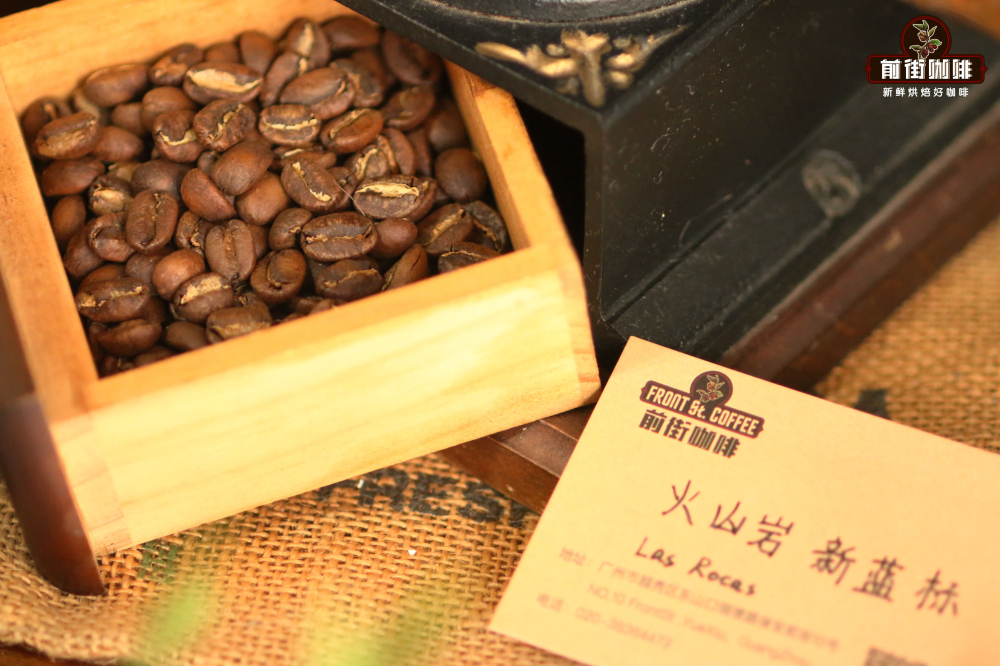
The Blue Label Geisha used in this test comes from the Emerald Estate at an altitude of 1500 meters in the Boquete region of Panama. It was processed using the washed method, roasted on August 24th, and the actual brewing test was conducted on August 31st. It is worth noting that freshly roasted coffee beans require about 7 days of resting period to allow carbon dioxide to fully dissipate before their full flavor profile can be revealed. Brewing beans too soon after roasting may result in a dull, harsh taste that masks their true character.
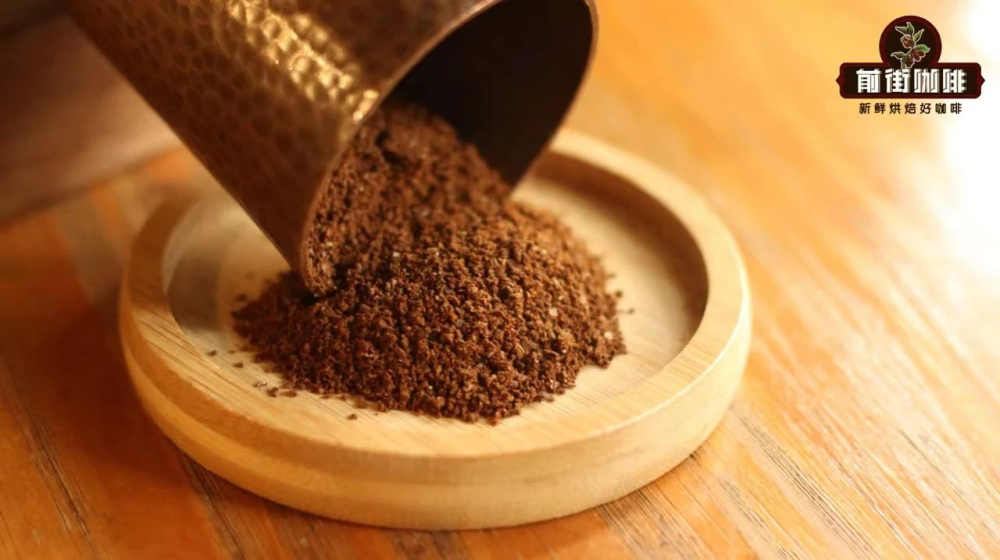
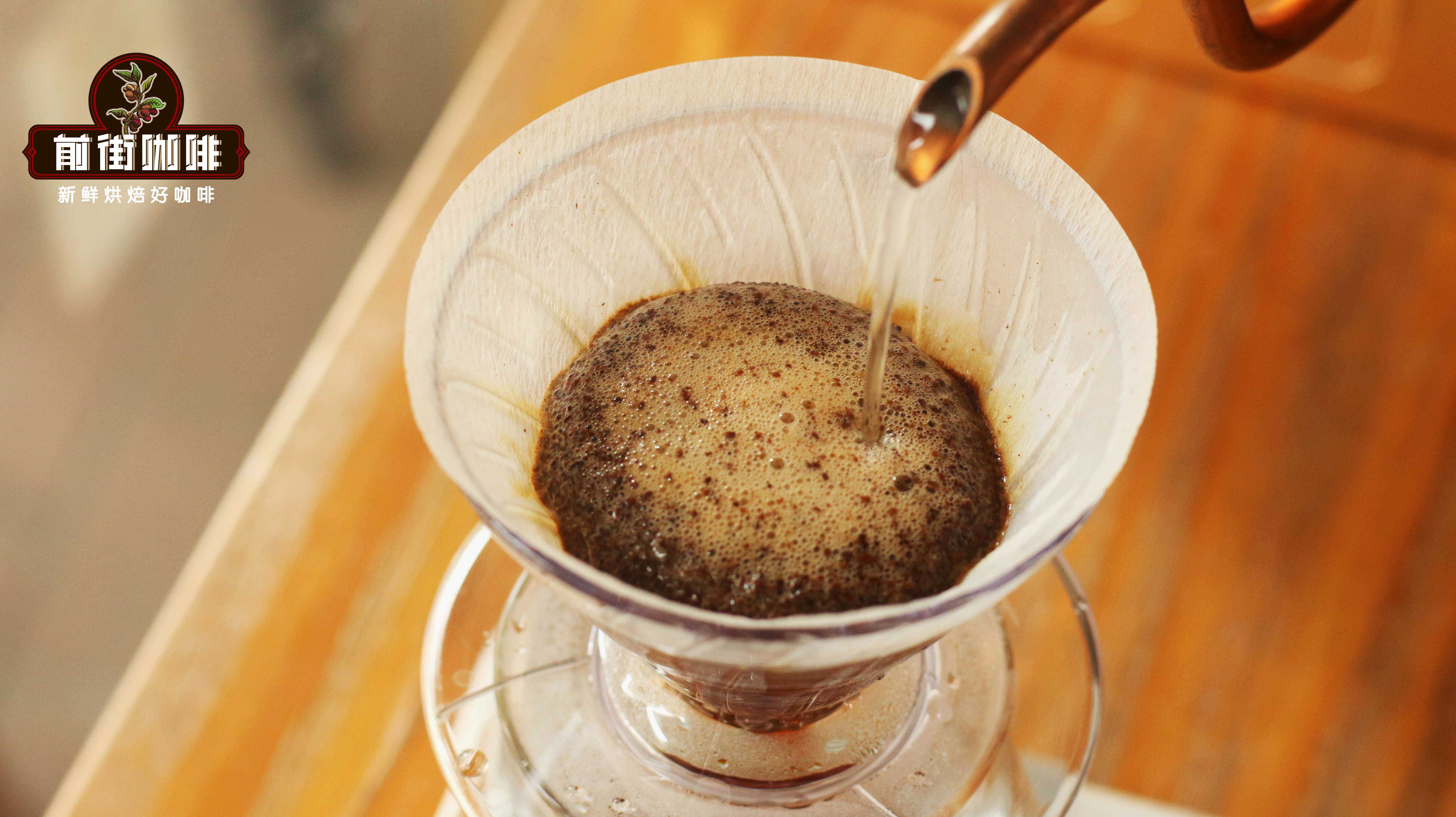
The experiment consistently used the V60 #01 filter, 15 grams of coffee, and 90°C water. The grind size was set to 80% passing through a Chinese standard No. 20 sieve (approximately equivalent to the texture of fine sugar). The only variable was the coffee-to-water ratio, which was set at four levels: 1:15, 1:16, 1:17, and 1:18. Differences were observed using a pulse pouring technique: the first pour involved adding 30 grams of water for a 30-second bloom, followed by pouring in small streams in a circular motion from the center outward. Note that the second pour should focus the water flow within a coin-sized area to avoid over-saturation on one side of the coffee bed.
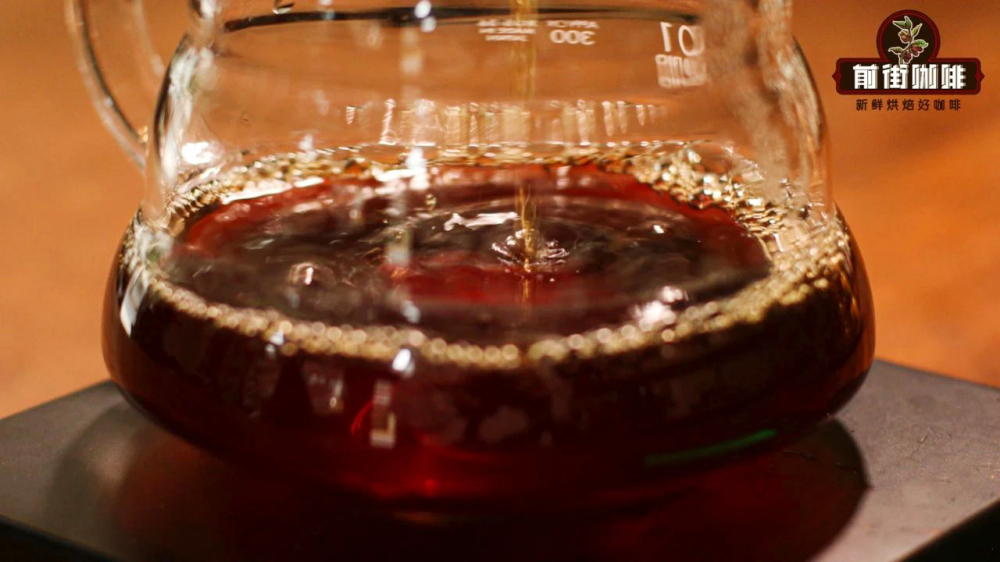
When using a 1:15 ratio (total water volume 225 grams), the extraction time was about 2 minutes, yielding pronounced notes of lemon and grapefruit acidity paired with a refreshing finish of nectarine and green tea. The mouthfeel was relatively rich and full-bodied. This ratio is suitable for those who prefer a heavier body, though some delicate floral notes may be masked by the intensity.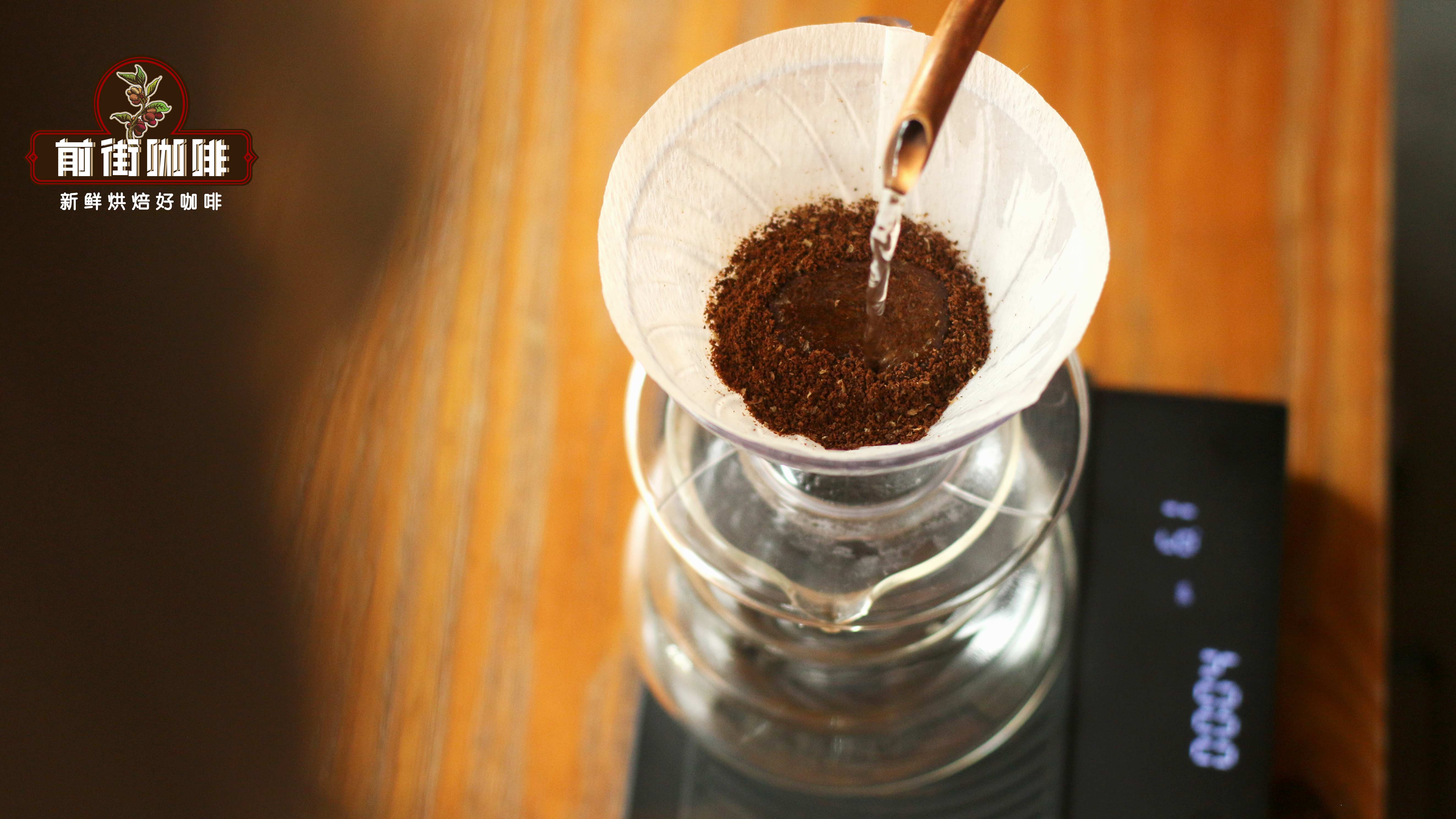
Adjusting to a 1:16 ratio (total water volume 240 grams) significantly improved the balance of acidity and sweetness. The citrus character became softer, accompanied by a mellow aftertaste of nuts and honey, with an overall profile reminiscent of the refreshing layers of fruit tea. This ratio is often recommended as an entry-level choice for Geisha, clearly highlighting its citrus foundation.
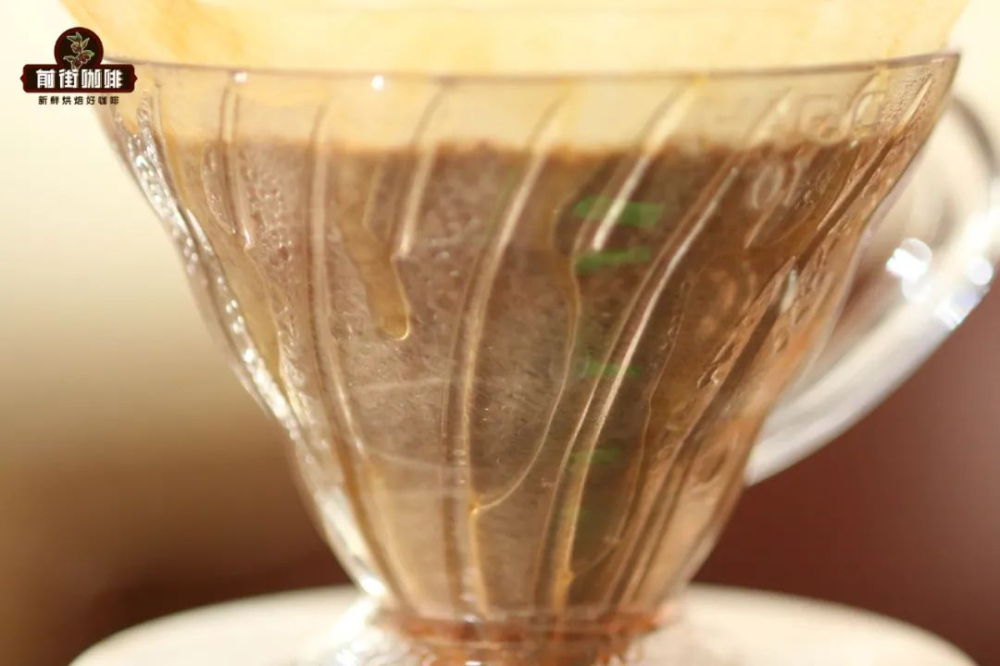
The 1:17 ratio (total water volume 255 grams) turned out to be the golden zone in this experiment—notes of berries, bergamot, and honey were distinct and well-layered, with a prominent sweetness and a clean aftertaste. It achieved a balance between refreshment and complexity. Notably, the hint of wax apple flavor in this ratio reveals the tropical fruit characteristics unique to Geisha, making it ideal for coffee enthusiasts seeking balance and nuance.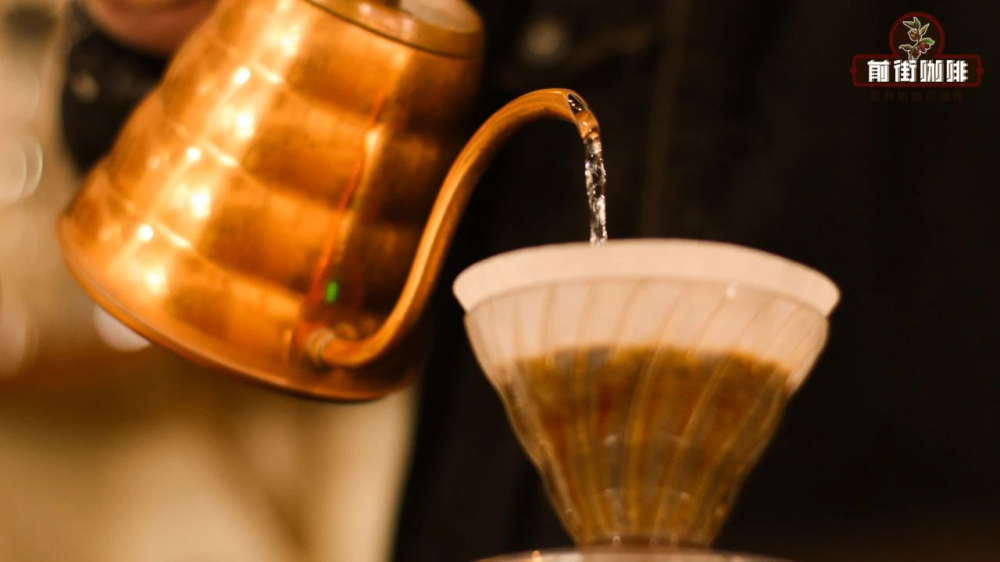
When the coffee-to-water ratio was expanded to 1:18 (total water volume 270 grams), although notes of ginger flower and brown sugar sweetness were still clear, the overall flavor density decreased and the aftertaste was noticeably shorter. This ratio emphasized a tea-like quality and is suitable for those who prefer a lighter-bodied cup. However, it might miss out on the most captivating burst of fruity aroma that Geisha is known for.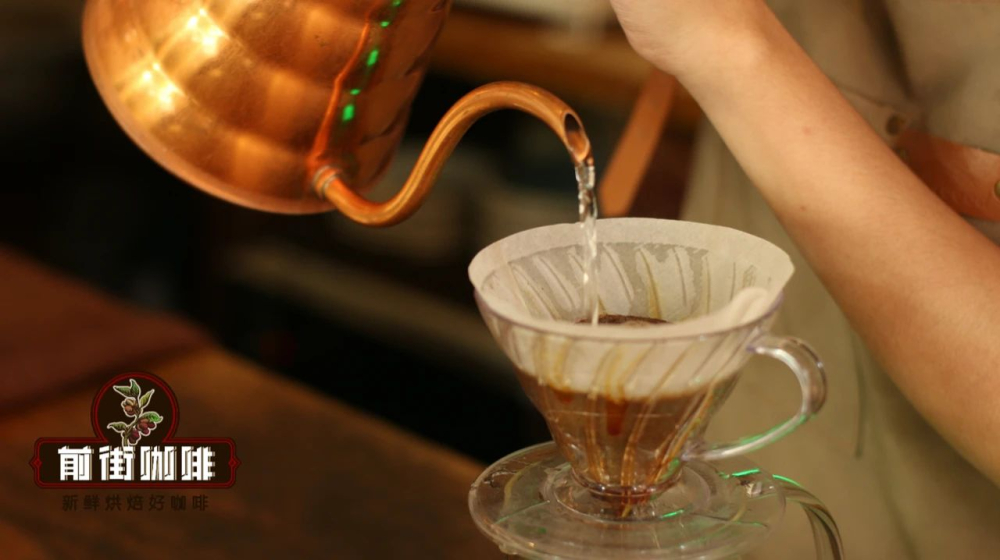
Overall, the 1:16 and 1:17 settings best highlighted the flavor layers of the Blue Label Geisha: the former offers balance and ease of drinking, while the latter delivers richer detail. Beginners are advised to start with 1:16 and gradually adjust to 1:17 to find their preferred balance of sweetness and acidity. It is also important to note that if the grind is too fine (e.g., over 85% passing rate), it may lead to over-extraction and bitterness; if too coarse (below 75%), it may result in sourness and under-extraction.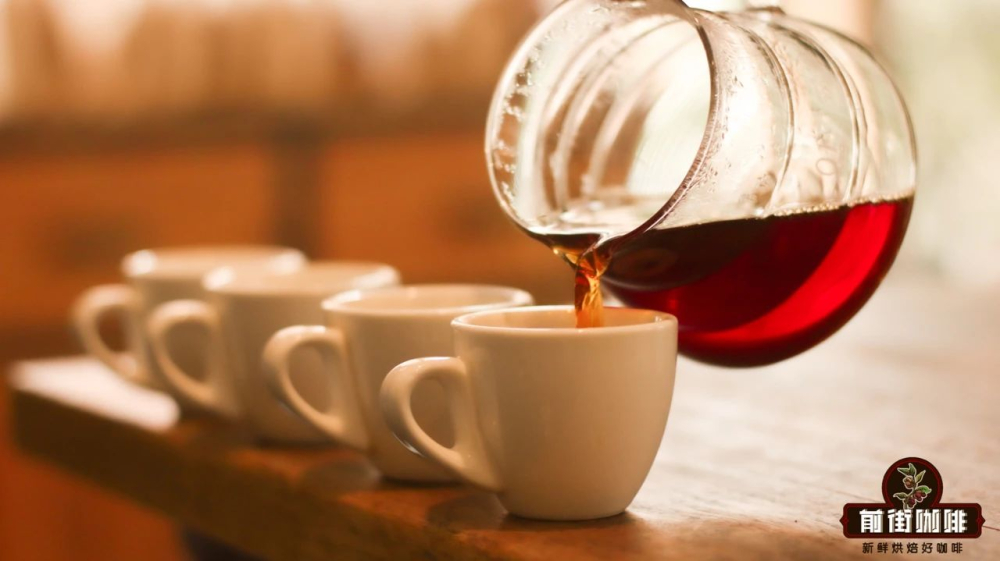
The above content is compiled by CoffeeHunters, a coffee news website.


