








Introduction:Pour over coffee is often the first choice for many coffee enthusiasts—it’s not only easy to operate but also showcases the unique flavors of coffee beans. This article will provide a detailed introduction to the essential tools for pour over brewing, tips for adjusting water temperature and coffee-to-water ratio, as well as an in-depth analysis of the key points of the three-stage pouring technique, helping you easily master the fundamentals of brewing. Whether you're a beginner or more advanced, you'll find practical advice here.
Pour over coffee, also known as drip coffee, is a long-standing and widely loved method of coffee extraction. As early as 1908, Frau Melitta Benz in Germany invented this method of using hot water to percolate through ground coffee and then filtering it through paper to extract pure coffee liquid, thus opening a new chapter in home coffee brewing. For those just starting out with pour over, there's no need to overly worry about equipment or complex techniques—just mastering a few core elements is enough to enjoy a balanced cup of pour over coffee at home.
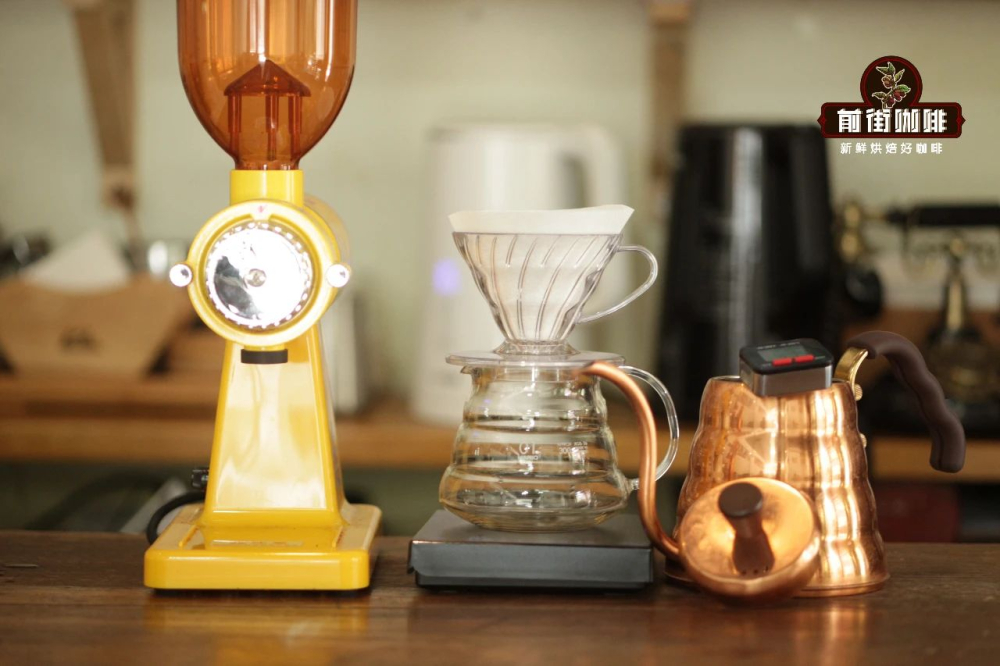
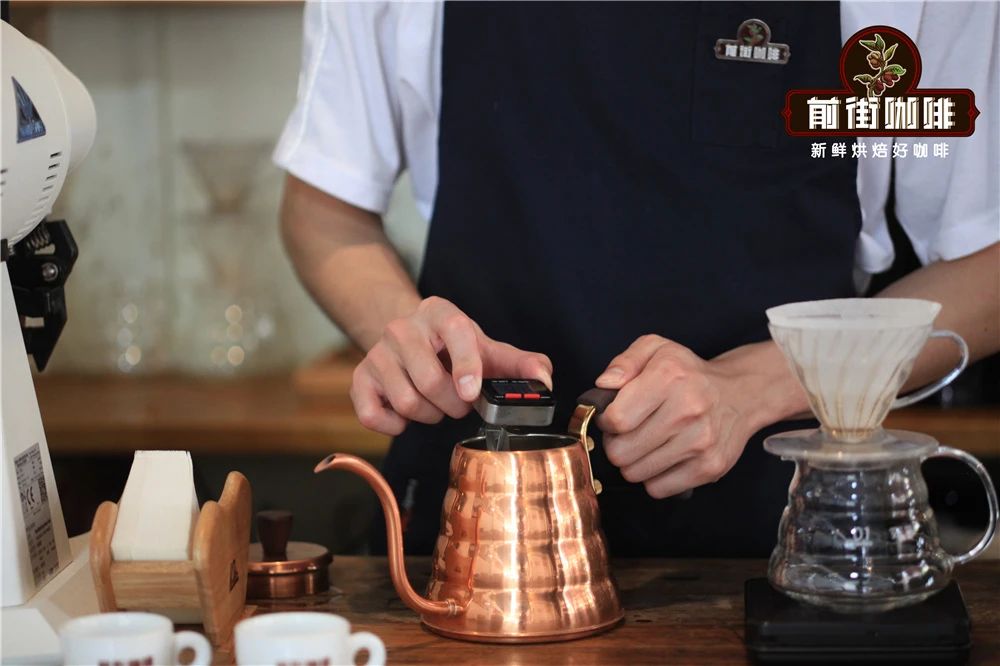
Preparing a basic set of pour over tools is your first step into the world of brewing. You’ll need a digital scale (with a timer function), a grinder, a pour over kettle, a filter cone, filter paper, and a thermometer to check the water temperature. Generally, a water temperature between 85°C and 95°C is most suitable. Beginners can start by trying 90°C. If you find the coffee too bitter, try slightly lowering the temperature; if it’s too acidic, you can moderately increase the temperature to find the ideal brewing temperature for your personal taste.
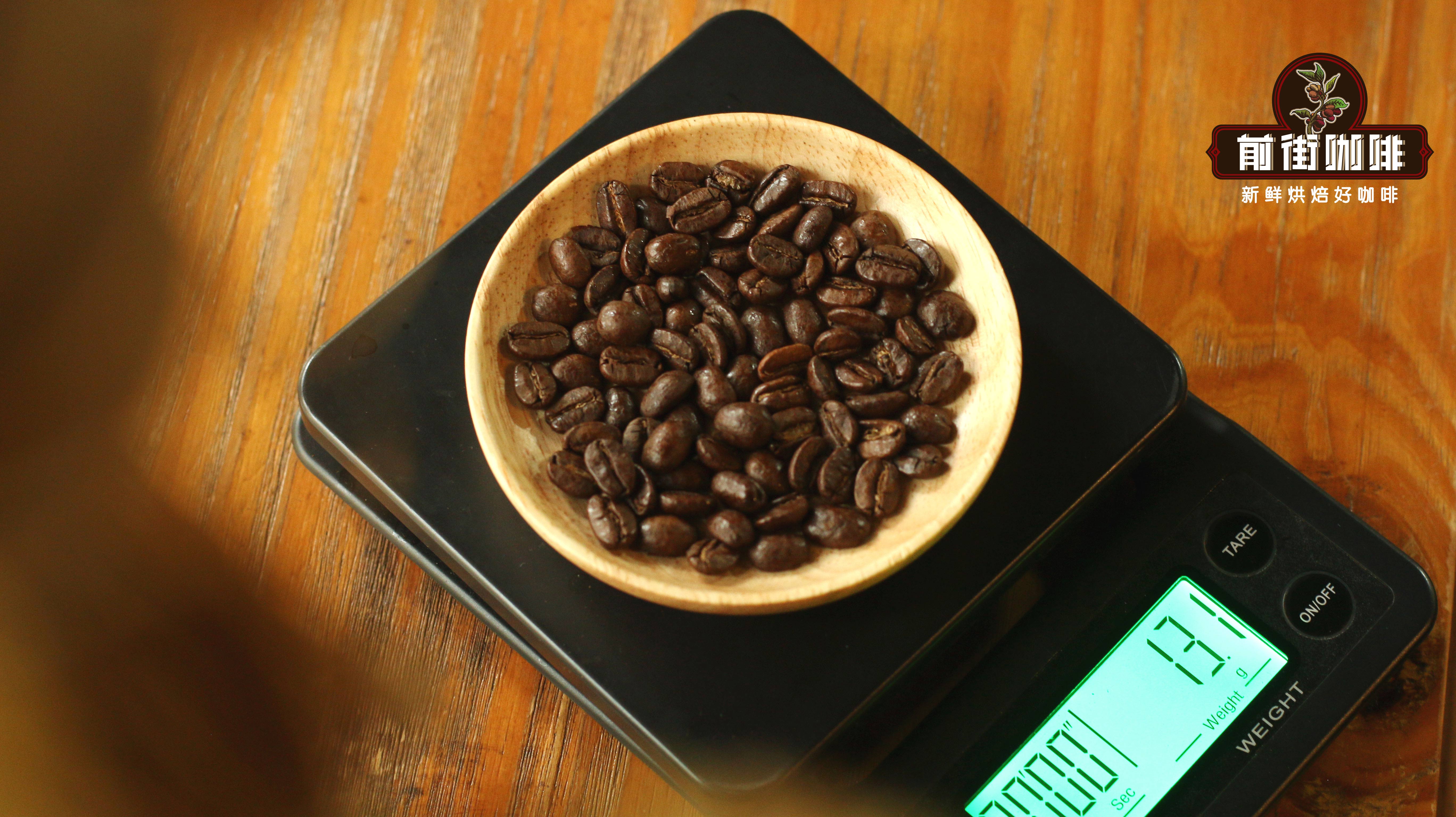
Before you begin brewing, weighing your coffee beans and setting the coffee-to-water ratio are equally important. A standard single serving is around 15 grams of coffee beans, and the recommended coffee-to-water ratio is 1:15 to start—that is, 15 grams of coffee beans with 225 grams of hot water. This ratio yields a balanced strength. If you prefer a lighter taste, you can adjust the ratio to 1:14; if you like a stronger flavor, you can increase it to 1:16. Fine-tune through actual tasting to find the best combination that suits your taste.
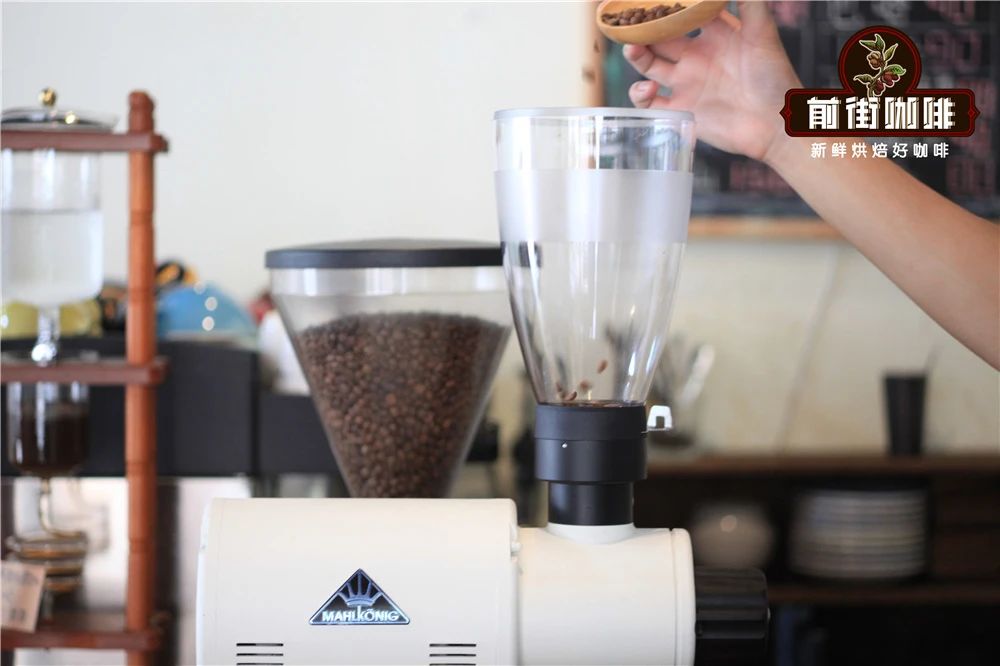
The grind size of coffee beans directly affects the extraction process, and the grind level is usually determined by the settings on your grinder. Common home grinders such as Timemore, Xiao Feiying, and Baratza Encore can all deliver decent grind quality. To achieve more stable extraction, a high-performance grinder is essential. Remember, different brewing methods require different grind sizes. Pour over coffee typically uses a medium grind, similar in texture to fine sugar—this ensures efficient extraction while avoiding over-extraction that leads to bitterness.
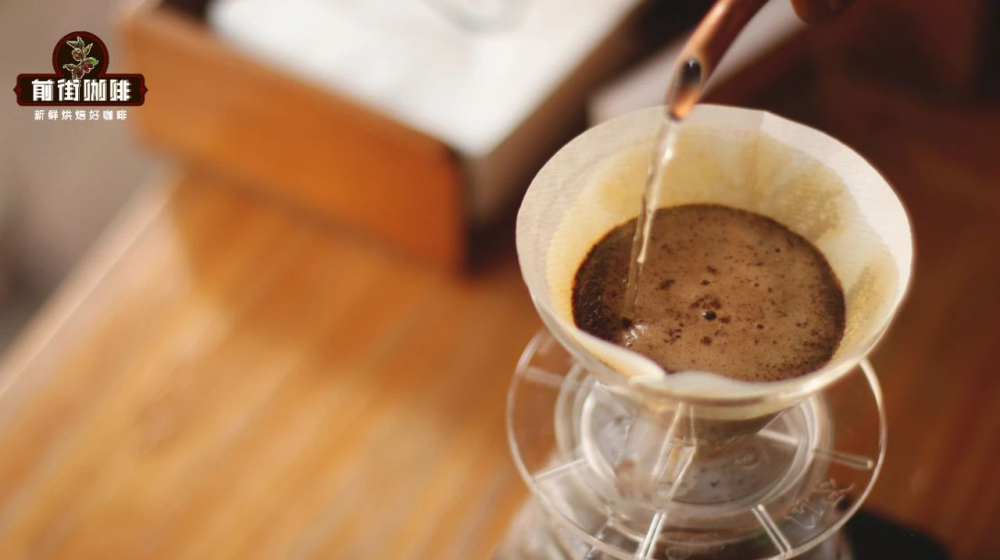
One of the essences of pour over coffee lies in the "three-stage pouring technique." This method effectively highlights the coffee’s early, middle, and late-stage flavors and maintains overall stability during extraction. The entire pouring process is recommended to last around 2 minutes, divided into three stages: blooming, the second pour, and the third pour. By pouring in stages, you can more precisely manage the extraction state of each phase, thereby enhancing the overall complexity of flavors.
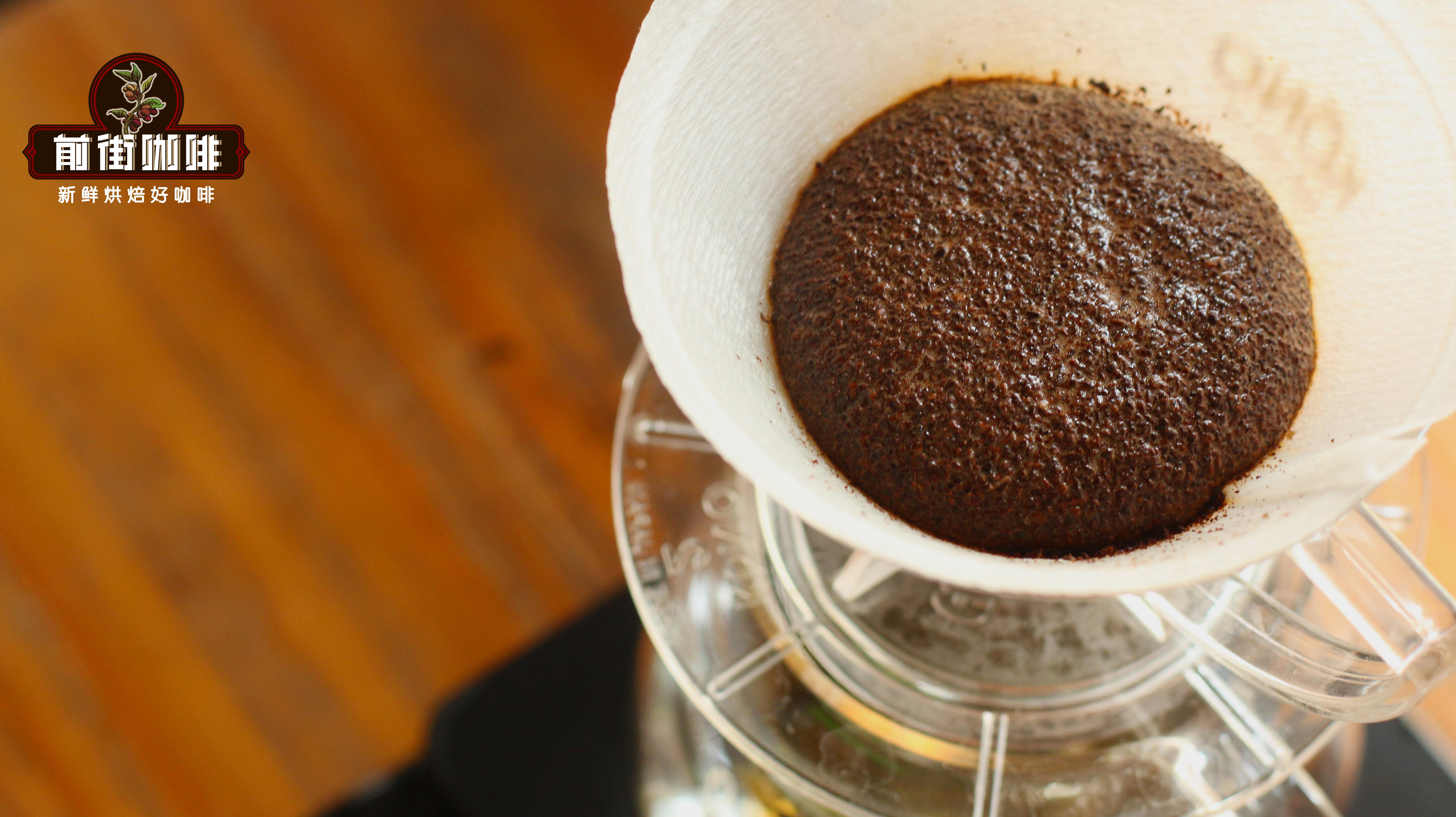
First comes the blooming stage—an indispensable key step in pour over brewing. When hot water first comes into contact with freshly ground coffee, the coffee grounds release carbon dioxide and expand, forming what’s known as a “little hill.” This process typically lasts about 30 seconds and helps to activate the coffee’s aroma and flavors. Observe the surface of the coffee grounds; when the expansion stops and slight wrinkles begin to appear, it means the degassing is complete, and you can move on to the next stage of pouring.
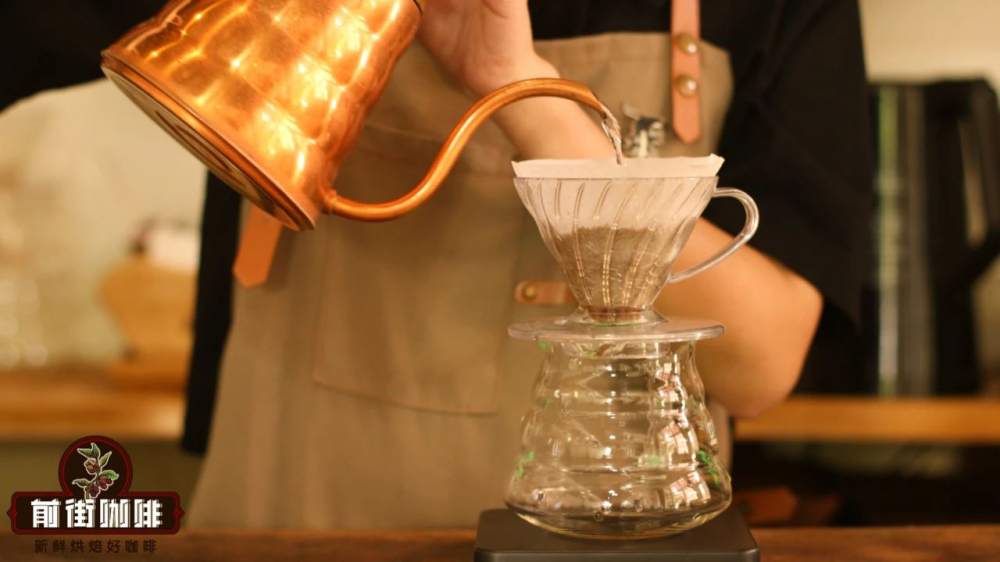
Next is the second stage of pouring. It’s recommended to start this stage around the 30-second mark when blooming ends. Using a steady and straight water stream, pour about 95 grams of hot water in a circular motion from the center outward. Try to maintain an even and vertical water flow, avoiding direct impact on the edge of the filter paper, as this helps lift the coffee bed evenly and ensures uniform saturation. By the end of this stage, the number on the scale should be around 125 grams, and the whole process takes approximately up to 55 seconds.
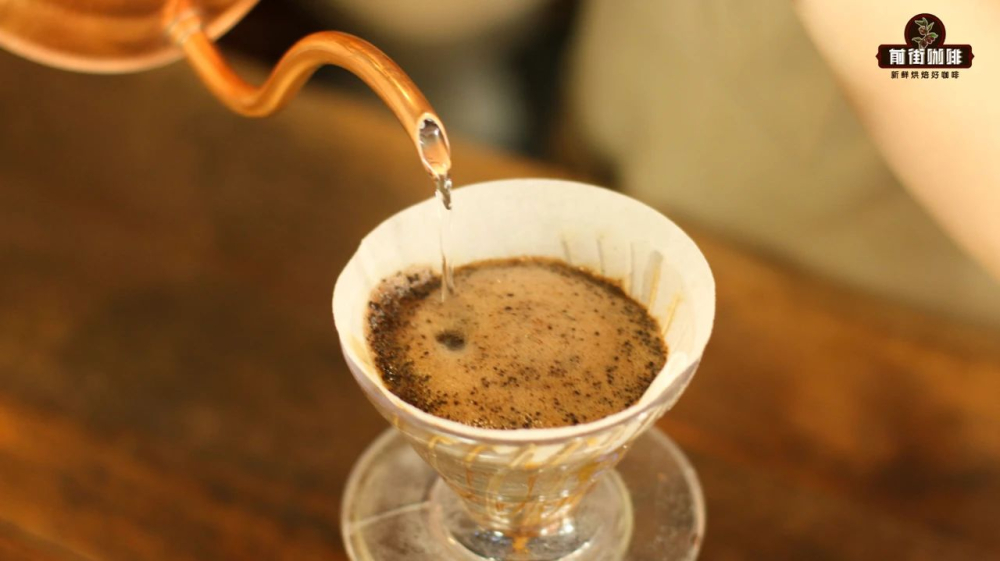
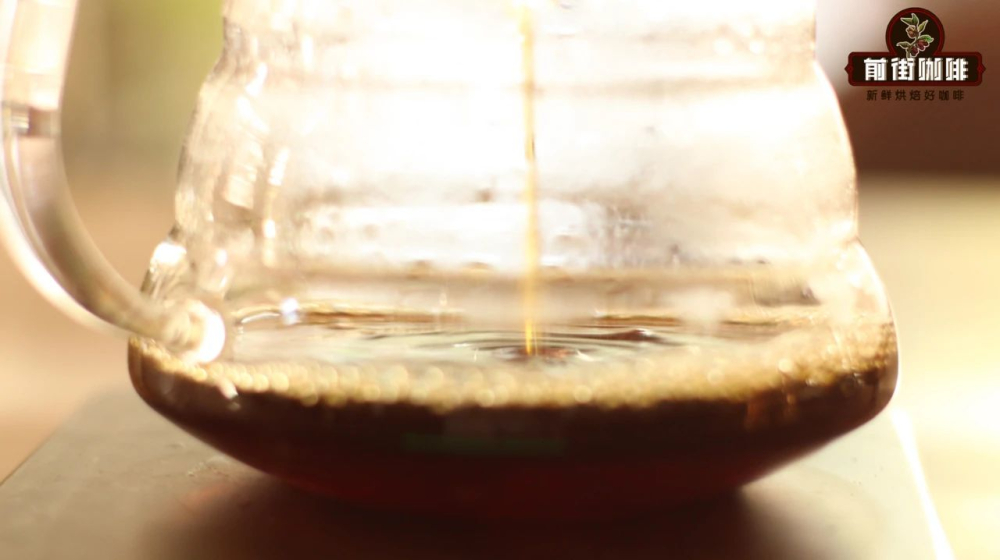
Finally, the third stage of pouring begins when the liquid level drops to about half the height of the coffee bed. At this point, start pouring the remaining 100 grams of hot water. It’s advised to use a smaller water stream and make smaller circular movements to avoid disrupting the already-formed coffee bed structure, which could lead to uneven extraction. Stop pouring when the total weight reaches 225 grams. The entire brewing process will take roughly around 2 minutes, after which you simply wait for the coffee to fully drip into the server. Before enjoying, gently swirl the server to evenly distribute the aroma and flavors, enhancing your overall drinking experience.
It’s worth noting that the amount of water used in each stage of the three-stage pour is not absolutely fixed—the above parameters are merely reference values. As you accumulate more brewing experience, you can gradually adjust the water volume and timing for each stage based on the characteristics of the coffee beans, roast level, and your personal taste, eventually developing a pour over style that suits you best. Remember, there is no single standard for brewing pour over coffee. Flexibly applying parameters and techniques is the key to truly enjoying the pleasure and endless possibilities of pour over.

In summary, the charm of pour over coffee lies in its simplicity paired with depth. From selecting the right coffee beans, adjusting water temperature and coffee-to-water ratio, to mastering the three-stage pouring technique—each step influences the final flavor profile. Through continuous experimentation and adjustment, you’ll be able to extract the rich layers of coffee more precisely and enjoy the unique experience that each pour over brings. Don’t forget, practice is the best way to learn—get hands-on, try it out, and find your own perfect cup of pour over coffee.
The above content is compiled by CoffeeHunters, a coffee news website.


