








Introduction:Many coffee enthusiasts wonder how the flavor of the same coffee beans differs when brewed using pour over versus Americano methods. This article delves into the definitions, brewing principles, and key parameters of both pour over and Americano coffee, and compares their flavor profiles through practical examples to help you choose the most suitable brewing method based on your preference.
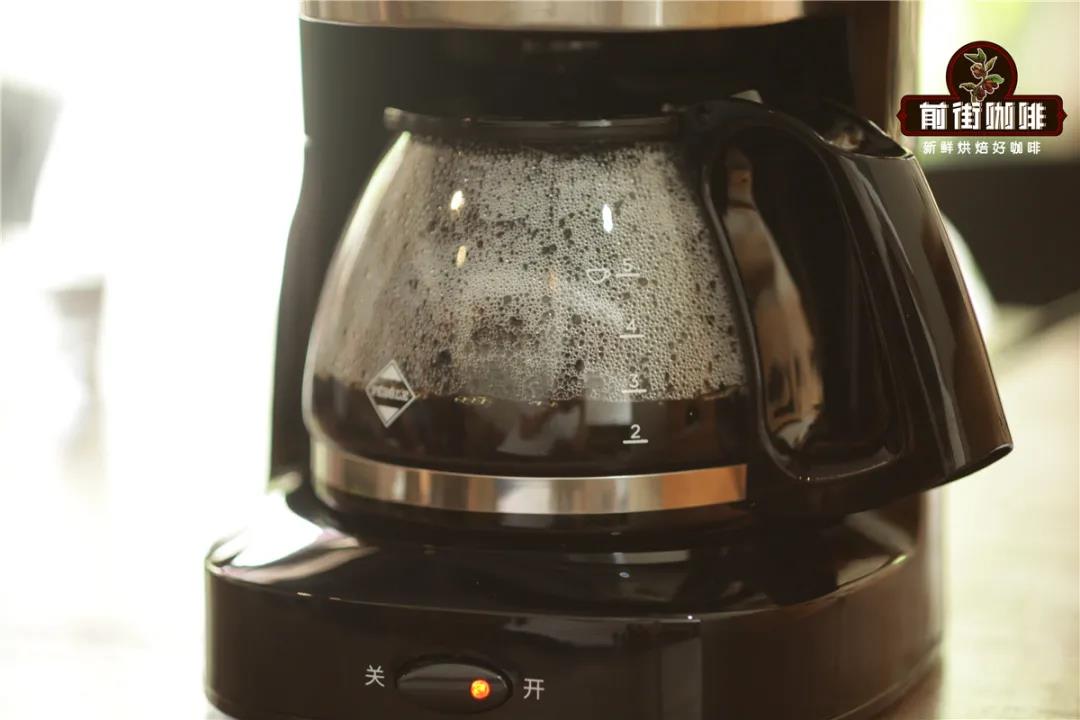
Pour over coffee, commonly referred to in English as pour over or hand drip, is an extraction method where hot water passes through a bed of coffee grounds solely by natural gravity. Compared to other brewing methods, it places greater emphasis on water temperature, grind size, pouring technique, and filter design, allowing the subtle flavor layers of the coffee beans to shine. On the other hand, Americano coffee is often considered a beverage made by diluting espresso with hot water, but in reality, the commonly used Americano machines in the market mostly operate on a drip filtration principle, which is quite different from the pressure extraction of traditional espresso machines.
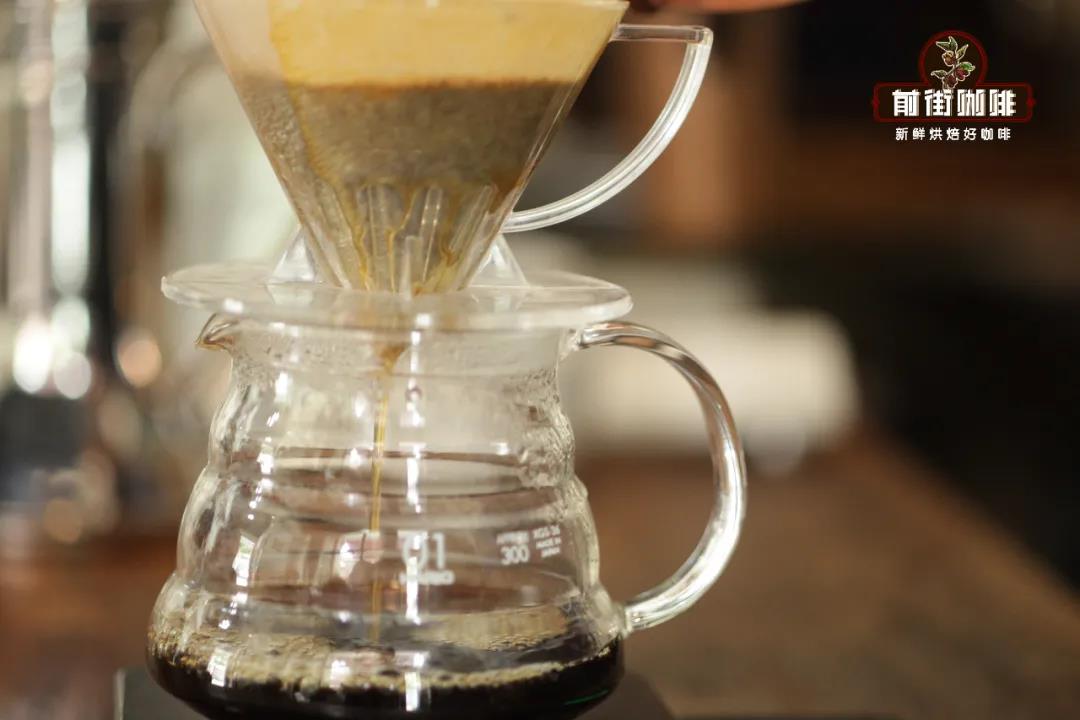
The Core Characteristics of Pour Over CoffeeIt involves using a filter cone and paper filter, where hot water is poured steadily at a controlled flow rate and angle onto the coffee grounds. The coffee grounds are filtered through the paper, and the brewed coffee drips down into the server below. This process relies entirely on gravity and water temperature, without the need for additional pressure, and thus falls under the category of drip filtration coffee. Common filter cones such as the Hario V60 and Kalita Wave have different designs that affect water flow speed and extraction evenness, thereby altering the final flavor profile.
As for Americano coffee, its classic definition is the dilution of espresso (espresso) with hot water at a ratio of approximately 1:2 to 1:6. However, many coffee shops or home-use “Americano machines” actually use a drip filtration principle, where hot water directly soaks the coffee grounds and extracts the coffee liquid through a paper or metal filter—similar to pour over but using different equipment and parameters.
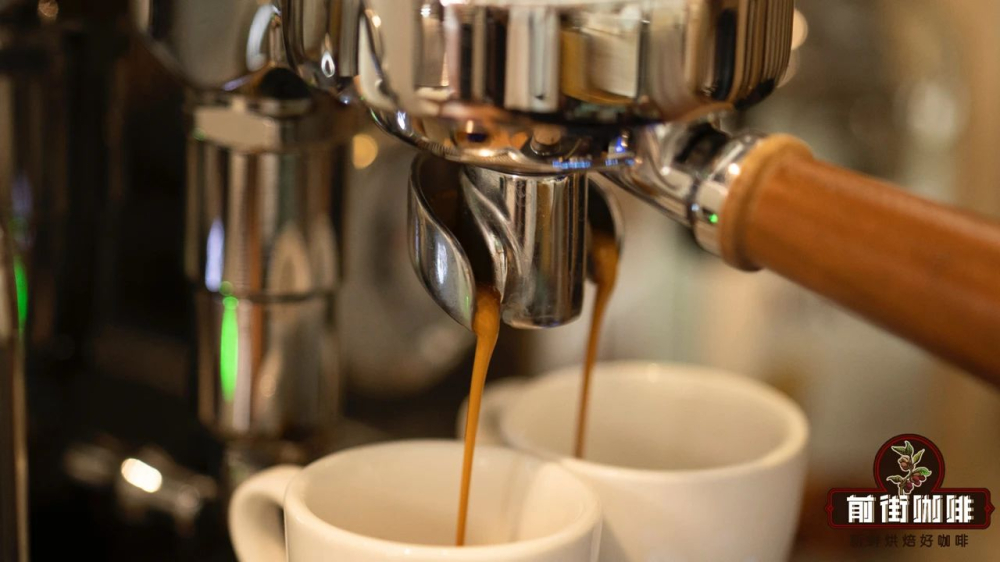
The production of espresso, however, is entirely differentand requires a professional espresso machine. Under high pressure of about 9 bar, hot water at around 90–96°C quickly passes through an extremely finely ground and tightly tamped bed of coffee, typically at a coffee-to-water ratio of 1:2, with an extraction time of just 20–30 seconds. This produces a rich, thick coffee liquid with a strong crema. This high-pressure extraction method gives espresso its intense flavor and bold body, and it also serves as the base for Americano coffee.
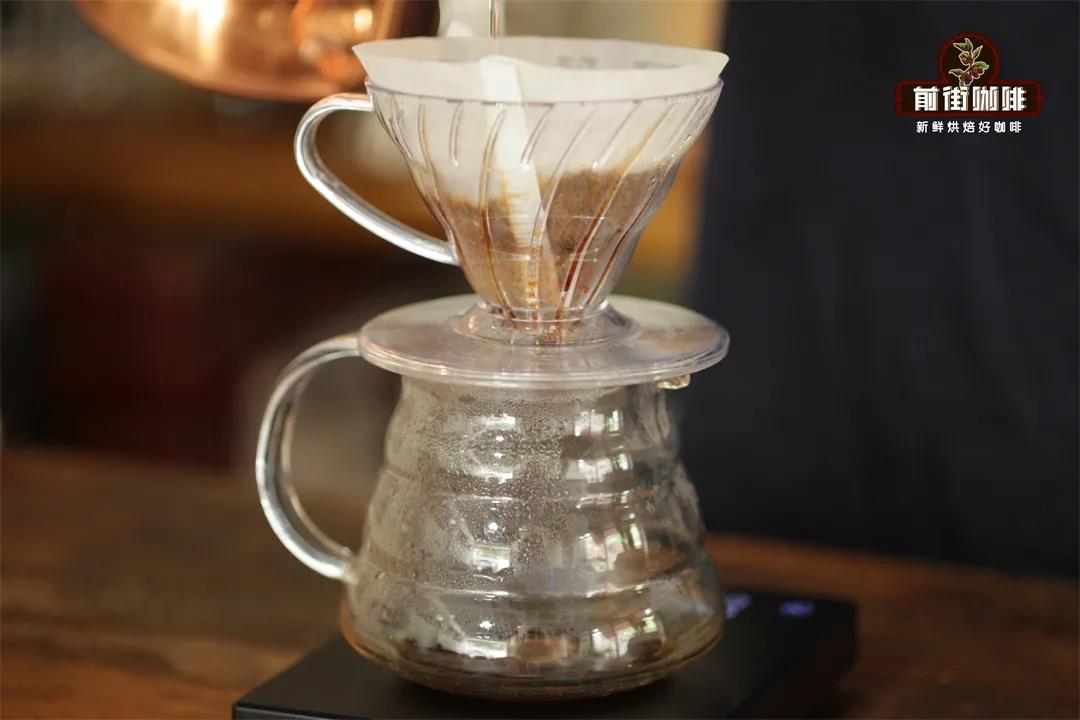
If we use the same coffee beans—for example, Huakui 5.0 from Ethiopia’s Sidamo region—and brew them using both pour over and Americano methods, the flavor profiles will differ significantly. For pour over, using a Hario 01 filter cone, a medium-fine grind (about 78% passing through a 20-mesh sieve), water temperature of 90°C, and a coffee-to-water ratio of 1:15, along with a three-stage pouring method (first blooming with 30 grams of water for 30 seconds, then pouring in stages up to 225 grams, with a total extraction time of about 2 minutes and 8 seconds), can highlight the floral notes, fruity acidity and sweetness, citrus tones, and the red tea-like sweetness in the aftertaste of Huakui 5.0. The cup is clean, refreshing, and features distinct layers.
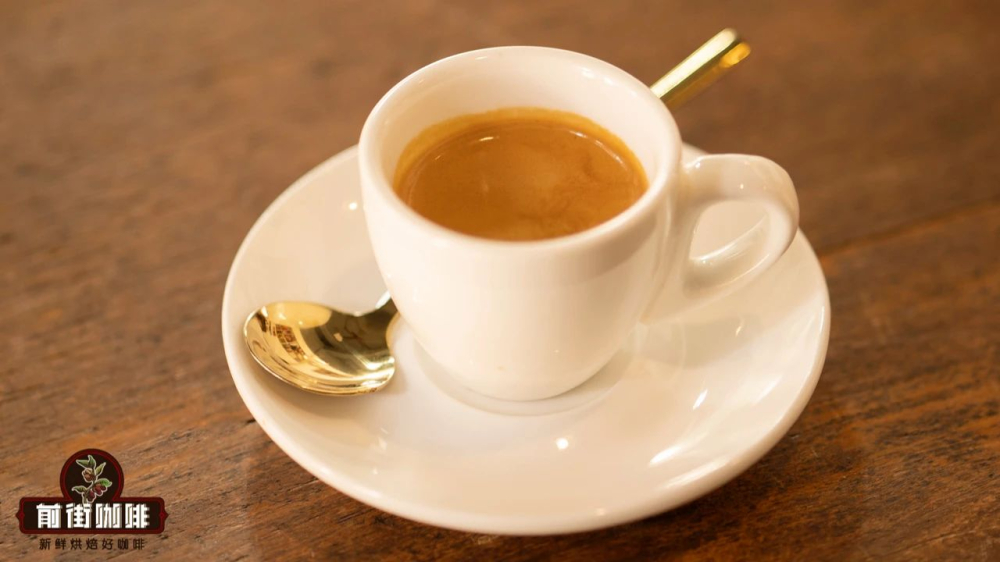
Conversely, if Huakui 5.0 is extracted using a traditional espresso method—with a Faema E98 machine, an EK43S grinder set to 0.1 grind setting, 20 grams of coffee, extracting 40 grams of coffee liquid (a 1:2 ratio, over 24 seconds)—you’ll get an espresso with medium-high acidity, medium sweetness, low bitterness, and notes of citrus and berries. The aftertaste presents a blend of dark berries and caramel. If this espresso is used to make an Americano, it is recommended to dilute it at a ratio of 1:6.5 (40 grams of espresso + 260 grams of 86°C hot water), which results in a mellow berry acidity, subtle tropical fruit flavors, a juice-like refreshing mouthfeel, and a creamy, caramel-toned aftertaste.
Comprehensive Comparison,the advantage of pour over coffee lies in its ability to showcase the delicate flavor layers of the coffee beans, offering a clean and refreshing taste, making it ideal for drinkers who enjoy fruity acidity and floral notes; whereas Americano coffee (whether drip-filtered or diluted from espresso) contains coffee oils or a concentrated base, resulting in a richer and more robust mouthfeel, suiting those who prefer a bolder flavor. Understanding these differences and key parameters can help you select the most suitable brewing method based on the characteristics of the coffee beans and your personal taste preferences.

The above content is compiled by CoffeeHunters, a coffee news website.


