







Introduction:The water temperature for pour over coffee is always a crucial variable during brewing. Many believe that higher temperatures are necessary to extract a rich array of flavors, but in fact, lower temperatures have their own unique characteristics. This article will delve into the optimal temperature range for pour over coffee, analyze how different temperatures affect extraction efficiency and flavor expression, and test the feasibility and adjustment techniques of brewing at a low 70°C. This will help you find the most suitable brewing solution based on your equipment and beans.
In the world of pour over coffee, most people are accustomed to using relatively high water temperatures for extraction because higher heat not only improves extraction efficiency but also helps release the coffee's abundant acidity, sweetness, and aroma. Generally speaking, pour over water temperatures rarely fall below 80°C, but does this mean that it’s impossible to brew good coffee at lower temperatures?
The answer is not absolute. Office workers once attempted to try pour over with only around 70°C hot water available. Although this temperature is significantly lower than the conventional recommendation, by adjusting other parameters, it was still possible to achieve decent extraction results. In fact, the most direct impact of water temperature on coffee is reflected in the extraction yield—the proportion of coffee compounds dissolved into the water. Just like brewing medicinal powder, the higher the temperature, the faster the dissolution; the lower the temperature, the longer the time or additional methods required for extraction.
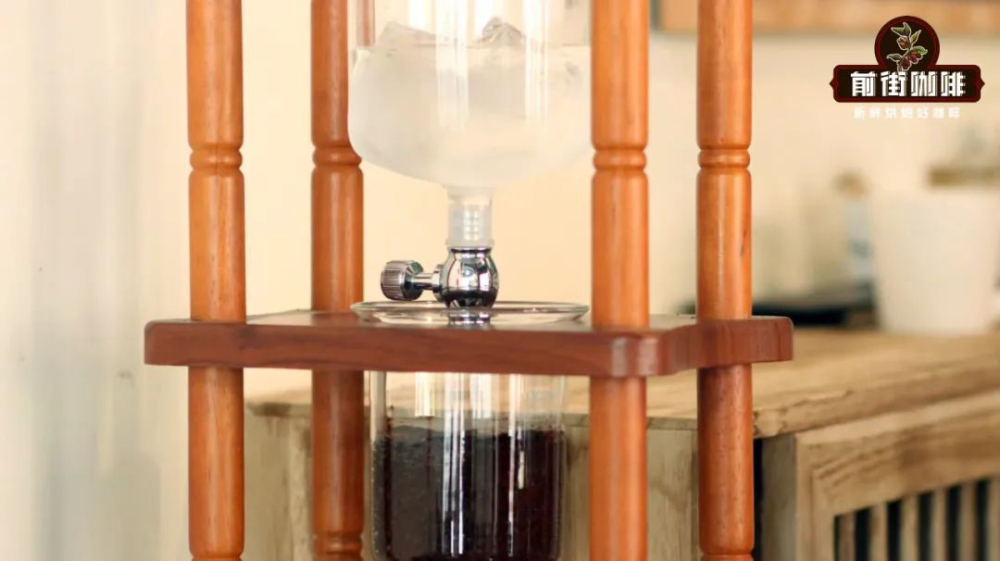
For example, cold drip coffee uses an extremely low water temperature of about 7°C. Although the extraction efficiency is very low, it can still complete the process through an extended duration of 6 to 8 hours. So, if the pour over water temperature is reduced to 70°C, can ideal flavors be achieved by extending the brewing time or applying other techniques?
To test this idea, we used 70°C water along with a Panamanian Hua Die Die (Butterfly) coffee bean. We attempted to extend the overall extraction time by using multi-pour methods, adjusting grind size, controlling water flow, and switching to a slower-flowing filter like the Hario Infinity Dripper.
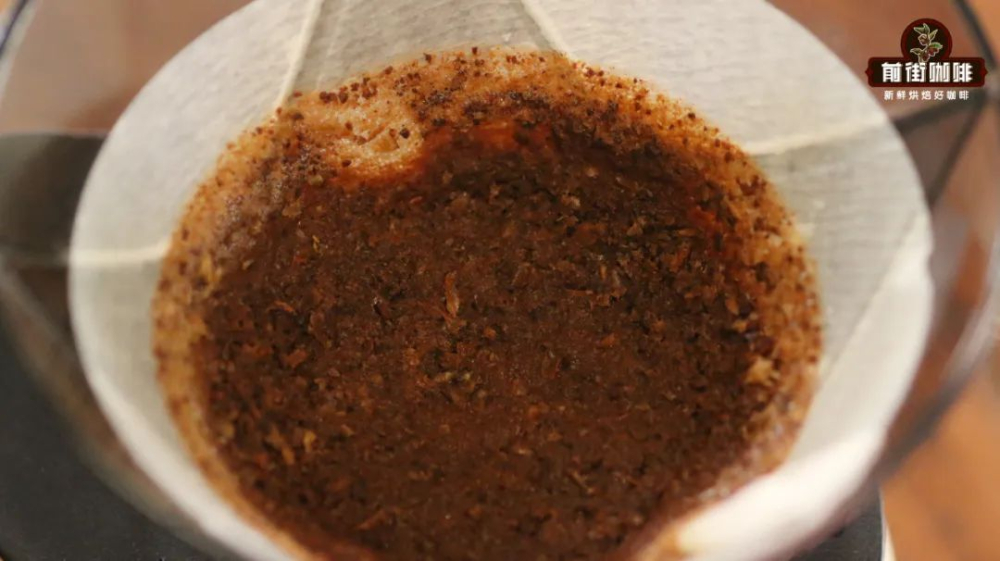
For grind size, it was adjusted to the 5.5 mark on the EK-43s grinder (normally set at 10), which may not seem like a big difference, but the actual sieve test showed about 93% passing through a #20 mesh, indicating a relatively fine grind. A 1:15 coffee-to-water ratio was used, and through multiple small water pours, the total extraction time was extended to 3 minutes and 33 seconds. The final coffee liquid appeared thick and slurry-like, suggesting more fine particles were released.
The measurement results showed that the coffee concentration for this brew was 1.49%, and the extraction rate reached 20.5%, both on the higher side. In terms of flavor, although the expected floral notes did not emerge, the sweetness was noticeable, with tones of caramel and brown sugar, while the finish had a slight bitterness. To improve this, we further adjusted the grind to the 6.5 mark (approximately 90% passing rate) and repeated the same process. This time, the extraction time was slightly shorter but still reached 3 minutes and 20 seconds.
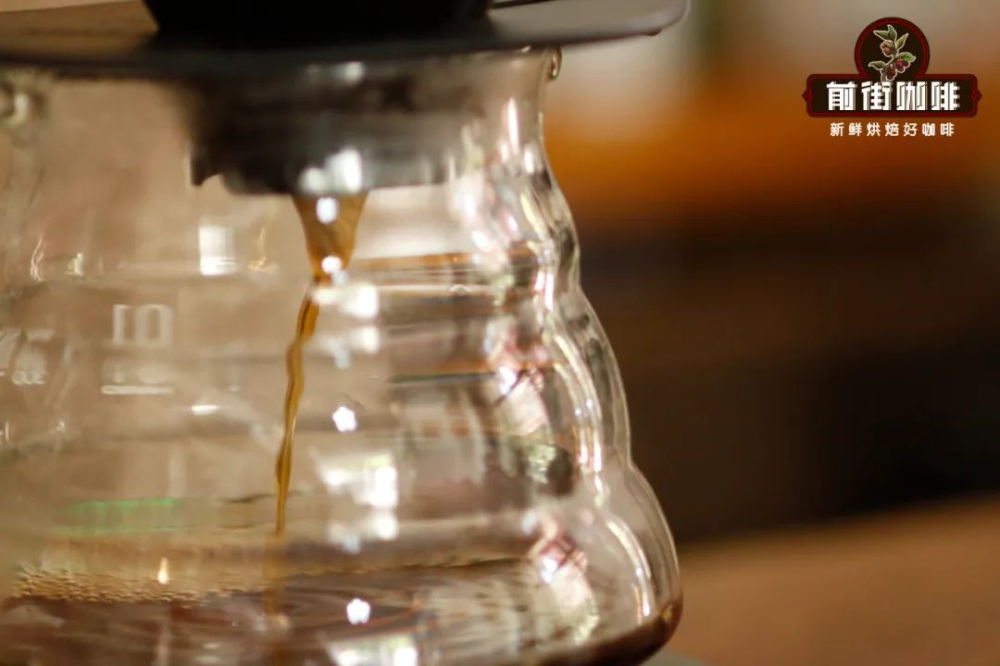
At this point, the coffee concentration was 1.46%, with an extraction rate of about 20.09%. The flavor shifted to a smoother sweet potato syrup aroma, with a slight increase in acidity, resembling the freshness of mandarin oranges. The sweetness displayed a rich honey-like intensity, and the aftertaste carried a tea-like quality. Although still distinctly different from standard pour over flavors, the overall performance remained satisfying.
Further adjusting the grind to the 7.5 mark (around 87% passing rate), the extraction time shortened to 3 minutes and 2 seconds, the concentration dropped to 1.35%, and the extraction rate was about 18.55%. At this stage, the flavor became a sweet, dried fruit-like taste, with more pronounced acidity resembling the freshness of a young green citrus. The mid-to-late stages presented characteristics similar to apricot kernels. Overall, although it didn’t fully replicate the high-temperature floral and fruity aromas and vibrant acidity, by adjusting the grind and time, it still managed to showcase different facets of coffee flavor.
Synthesizing the hands-on testing experience leads to the following conclusions:Lowering the water temperature can indeed compensate for insufficient extraction yield by extending the brewing time.However, for aroma—especially the volatile compounds found in floral and fruity notes—lower temperatures struggle to effectively extract them. Higher temperatures can bring out richer acidity and aromatic substances early in the brew, whereas lower temperatures tend to enhance sweetness and balance but may sacrifice some layers and sharpness of flavor.
Additionally,the length of the extraction time directly affects the final outcome of the coffee.In the above experiments, brews within the 3 to 3-minute-and-30-second range generally exhibited more prominent sweetness, while excessively long times tended to bring out bitterness. If the water temperature is further reduced to 40°C or 50°C, even longer extraction times are needed. While this may yield a more balanced taste, the flavor profile often becomes rather flat and lacks distinctiveness.
In summary, there is no absolute standard for choosing the water temperature for pour over coffee. It requires comprehensive judgment based on the coffee bean variety, grinder settings, filter type, and brewing environment. Even a low temperature of 70°C, when grind size and time are appropriately adjusted, can produce coffee with distinct flavors—especially useful for flexible brewing in environments with limited equipment.
The above content is compiled by CoffeeHunters, a coffee news website.


