







Introduction:Have you ever thought about making iced coffee with the pour over method, but wondered if you can use ice water or sparkling water? This article delves into how different water types affect the flavor of pour over coffee, from the principles of ice water extraction to practical brewing parameters, helping you understand how to brew a clear-flavored iced pour over by adjusting water temperature, coffee-to-water ratio, and equipment choice. Whether you're a beginner or an advanced enthusiast, you'll find useful inspiration and techniques here.
Most people’s experience with iced pour over coffee is actually made by brewing with hot water first and then cooling it down with ice. But have you ever considered whether directly using ice water for pour over could also produce great-tasting coffee? This article will explore the feasibility of ice water pour over and test in practice how different water qualities impact the extraction results.
Generally speaking, the standard pour over extraction time is around 2 to 3 minutes. During this period, high-temperature hot water is primarily used to quickly dissolve aromatic compounds and flavor substances in the coffee. In contrast, the temperature of ice water is extremely low, significantly reducing extraction efficiency. If conventional hot water brewing parameters are applied directly, it often leads to under-extraction, resulting in a flat and tasteless cup.
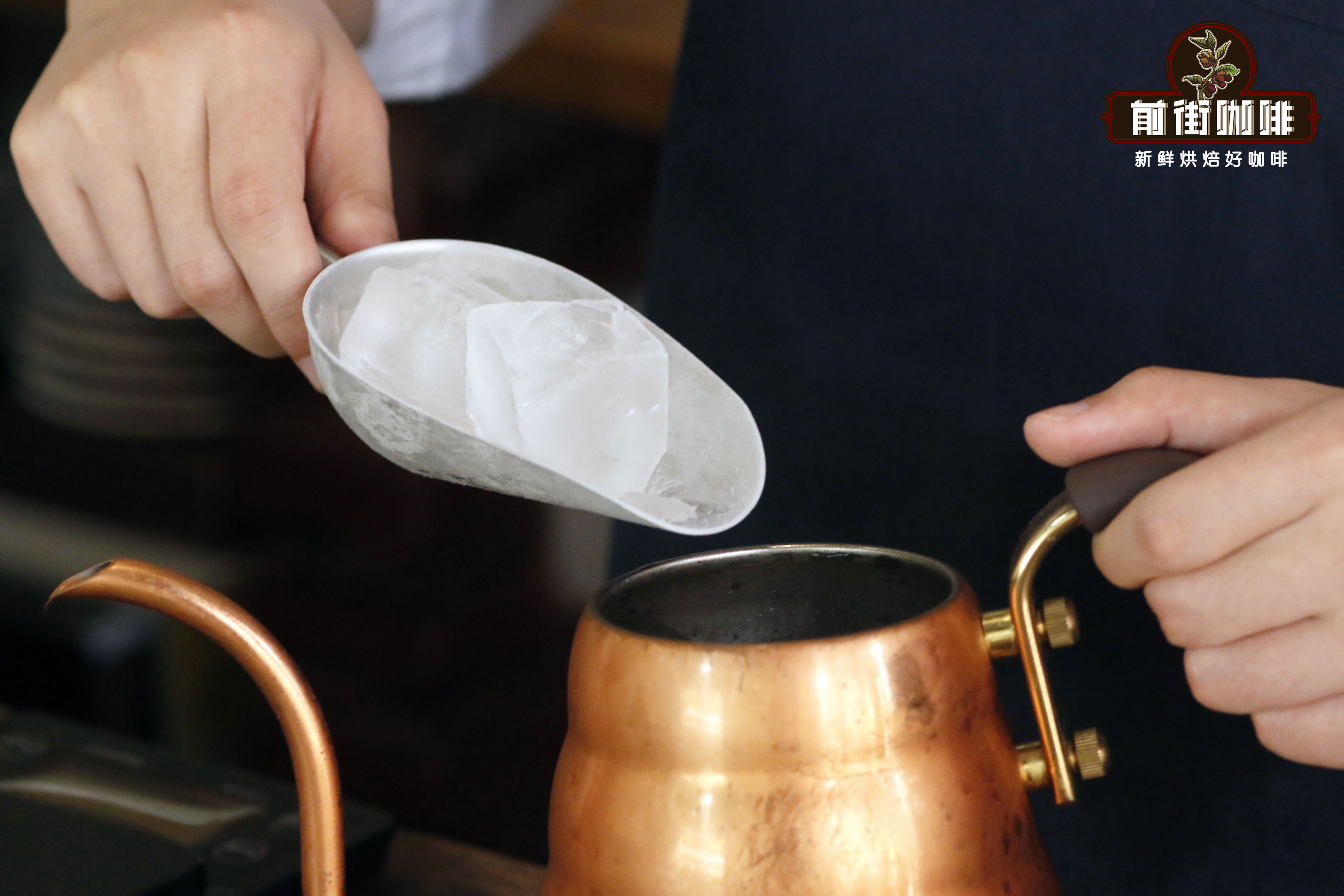
However, as long as you grasp the fundamental principles of how coffee grounds interact with water — including variables such as grind size, water temperature, pouring technique, and time — you can actually develop a successful path that differs from traditional hot water brewing. Though not common, ice water pour over can still showcase the unique flavor layers of coffee when adjusted properly.
Take the practical test as an example: this time we selected coffee beans from the “Strawberry Candy” region of Costa Rica. This bean variety has consistently received praise for its performance in iced pour over and cold brew, offering a fresh rose-like floral aroma and a soft, sweet-sour strawberry taffy tone, making it well-suited for slow, low-temperature immersion extraction.
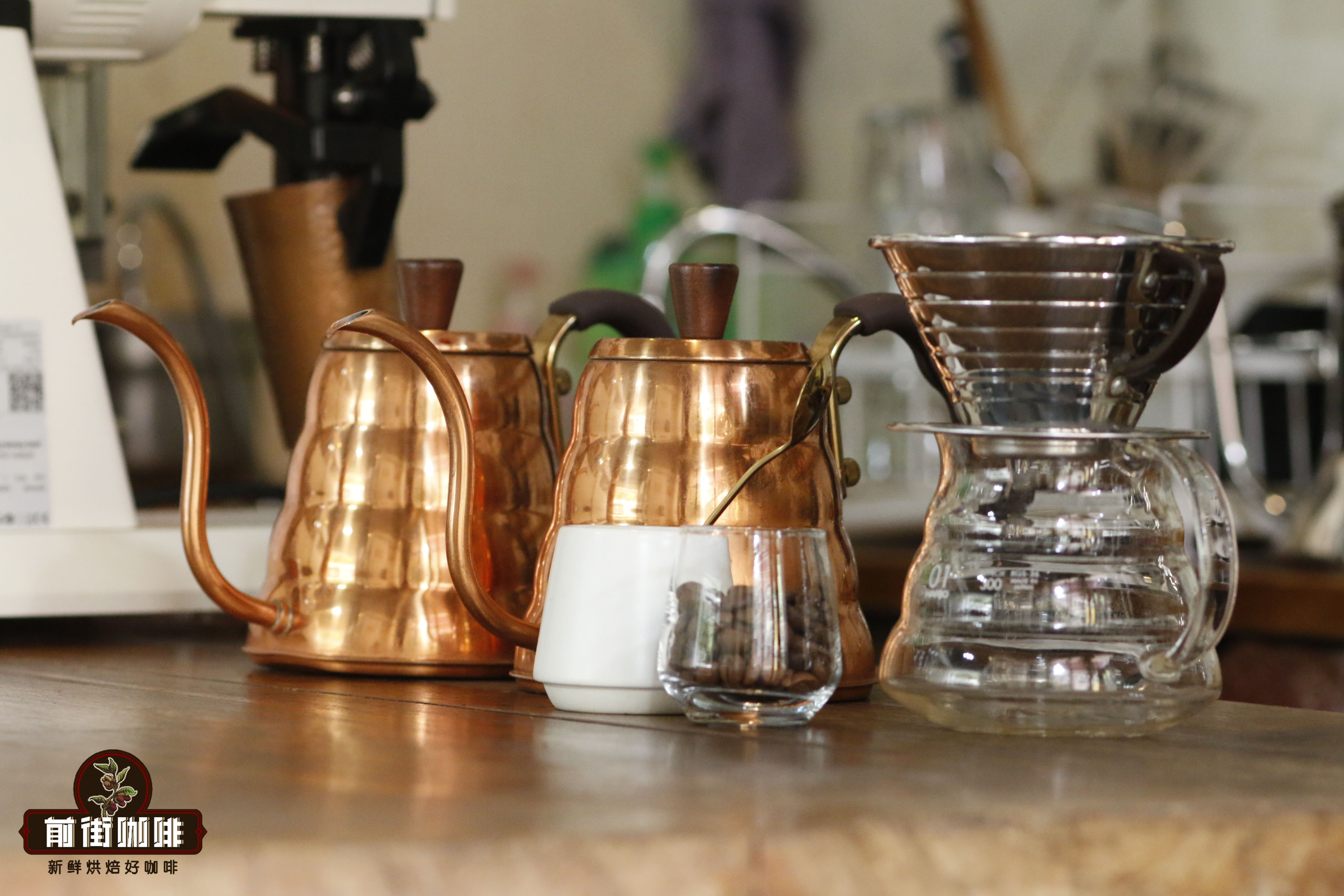
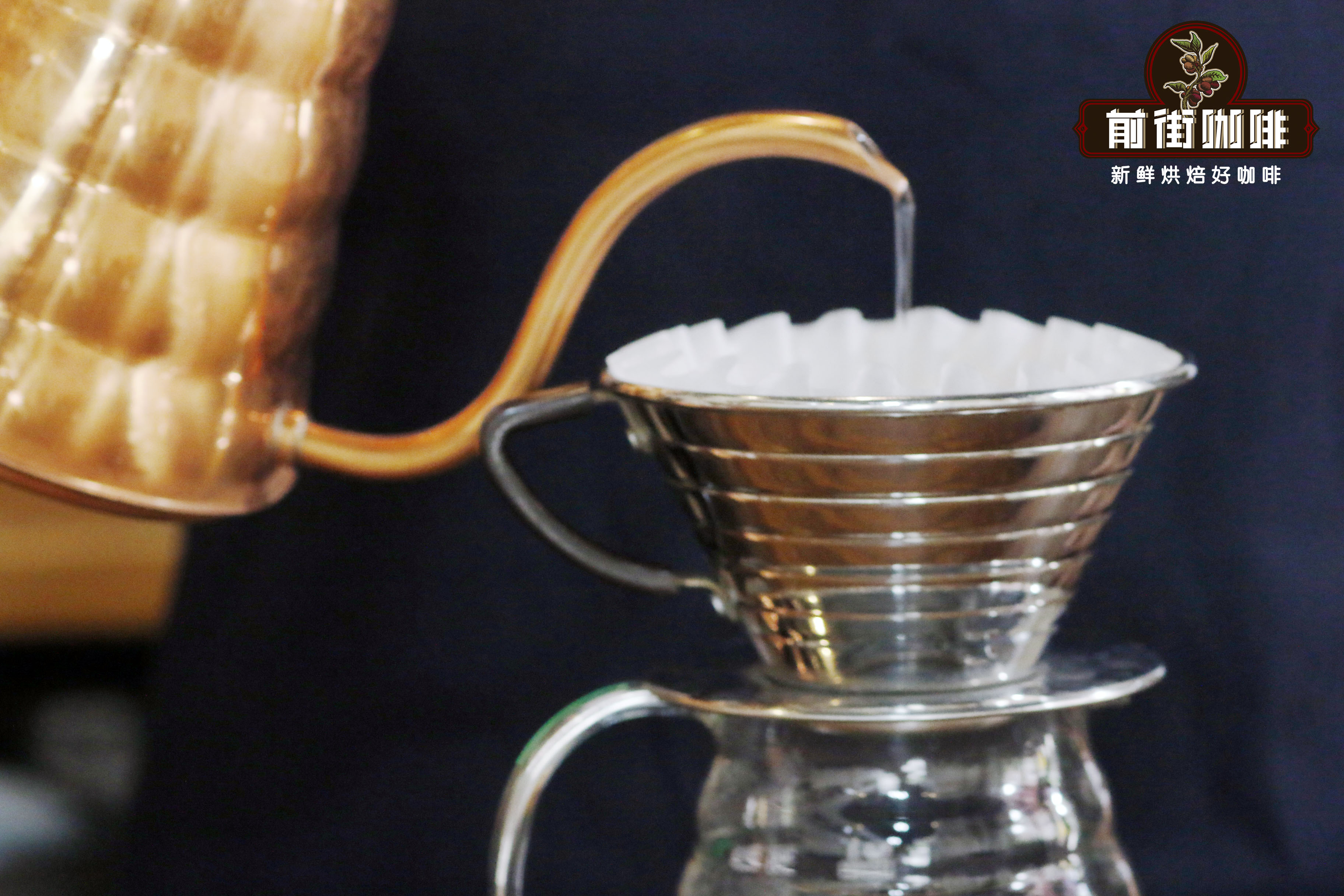
In terms of equipment selection, due to the slow flow rate of ice water and the tendency to cause coffee bed compaction, we opted for the Kalita Wave flat-bottomed three-hole cake dripper. Compared to cone-shaped drippers, the flat-bottom design reduces the chance of clogging the outlet holes, and the dripper itself has a slower water flow rate, which helps prolong the contact time between coffee grounds and ice water, enhancing overall extraction stability.
The grind size was adjusted to approximately 90% passing through a #20 sieve, roughly equivalent to a grind setting of 7 on the EK43s grinder. This coarseness effectively avoids excessive clogging while also preventing under-extraction caused by the low water temperature. Practical tests showed that these parameters balanced flavor release and flow control.
The actual steps are as follows: First, place the filter paper, add 20 grams of coffee grounds, and perform a bloom with about 35 milliliters of 96°C hot water for 1 minute and 30 seconds.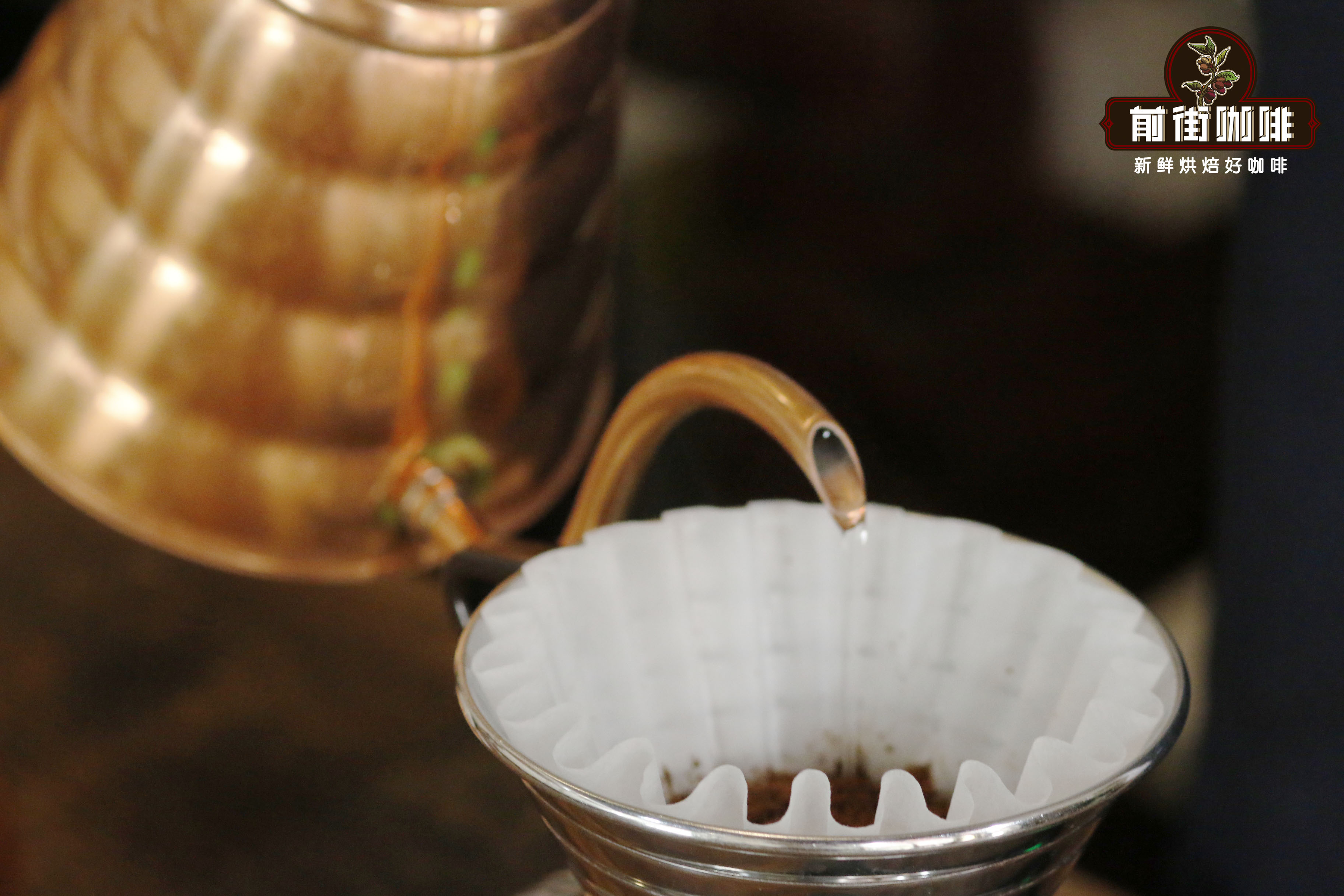 This water volume is designed to evenly wet all the coffee grounds while avoiding too much dripping that might affect subsequent ice water pouring. Extending the bloom also helps improve the efficiency of later ice water extraction.
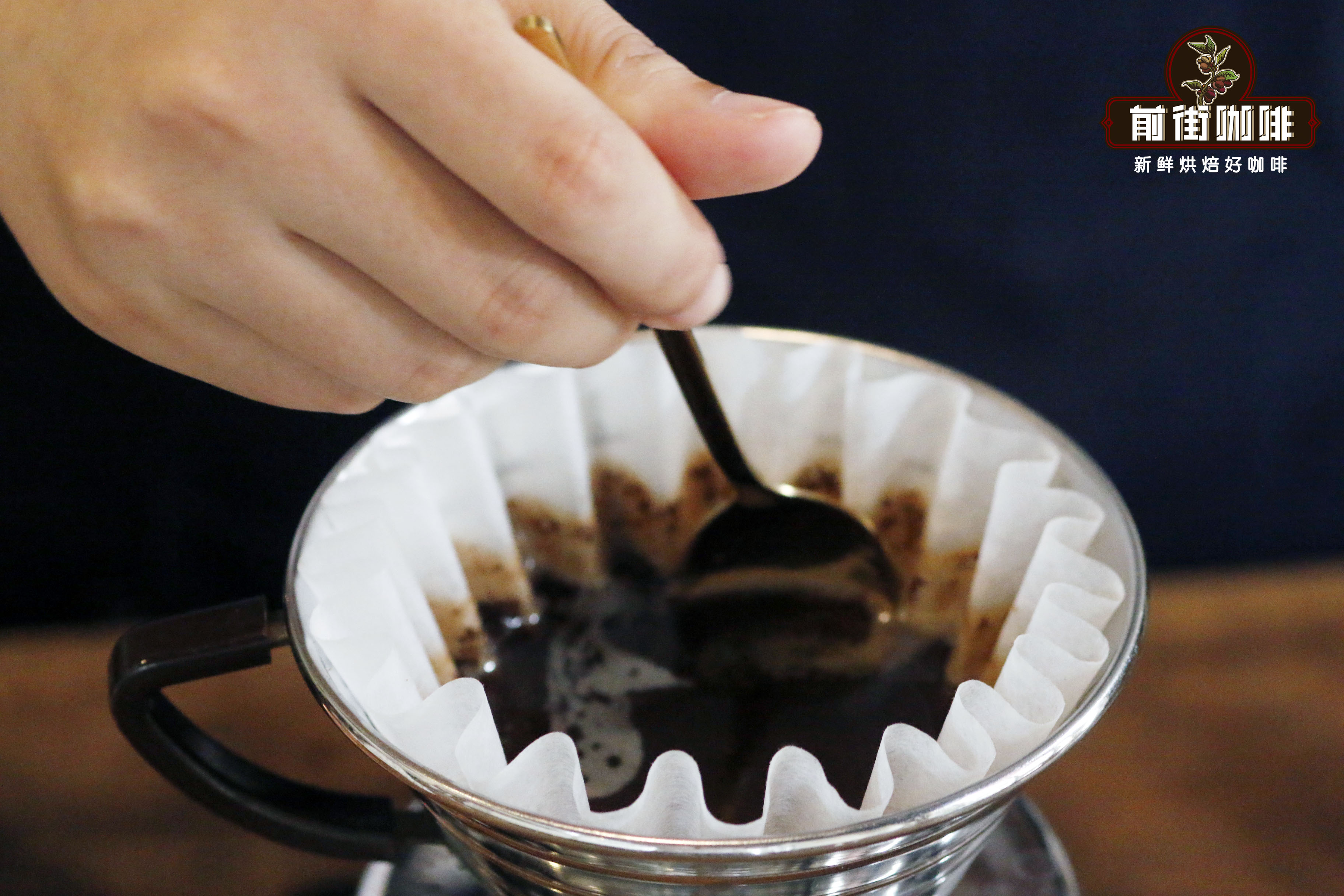
After blooming, switch to a strong stream of mixed ice and hot water (or pure ice water) poured in a circular motion. The first stage involves pouring 100 milliliters of ice water, using the force of the water stream to create agitation in the coffee bed.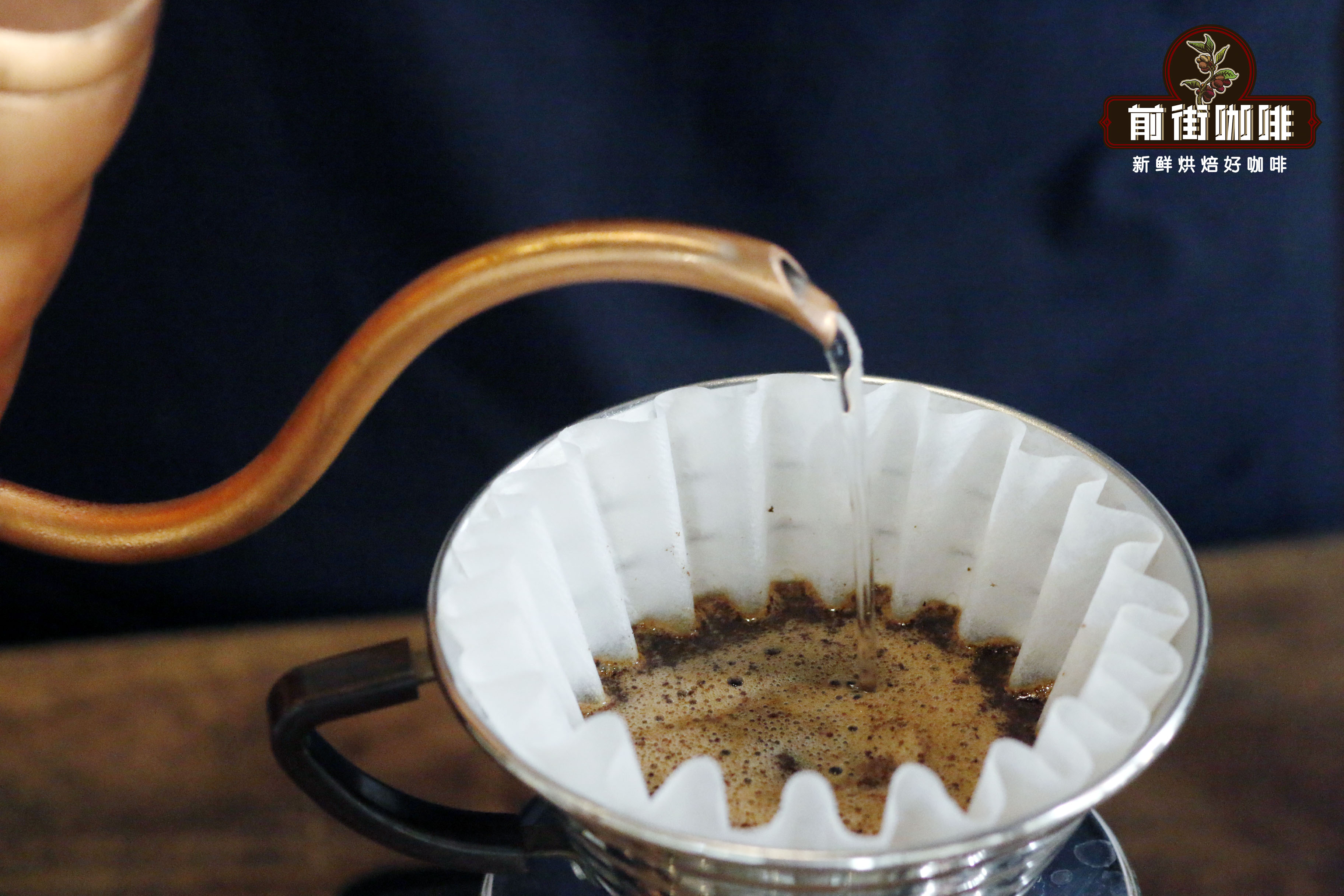 Then, when the water level drops to about half of the dripper, pour the second wave of 100 milliliters of ice water, and gently stir the coffee bed with a small spoon to prevent fine particles from settling and clogging the bottom outlet. The total extraction time is controlled to around 4 minutes and 20 seconds, until all the coffee liquid has dripped through.
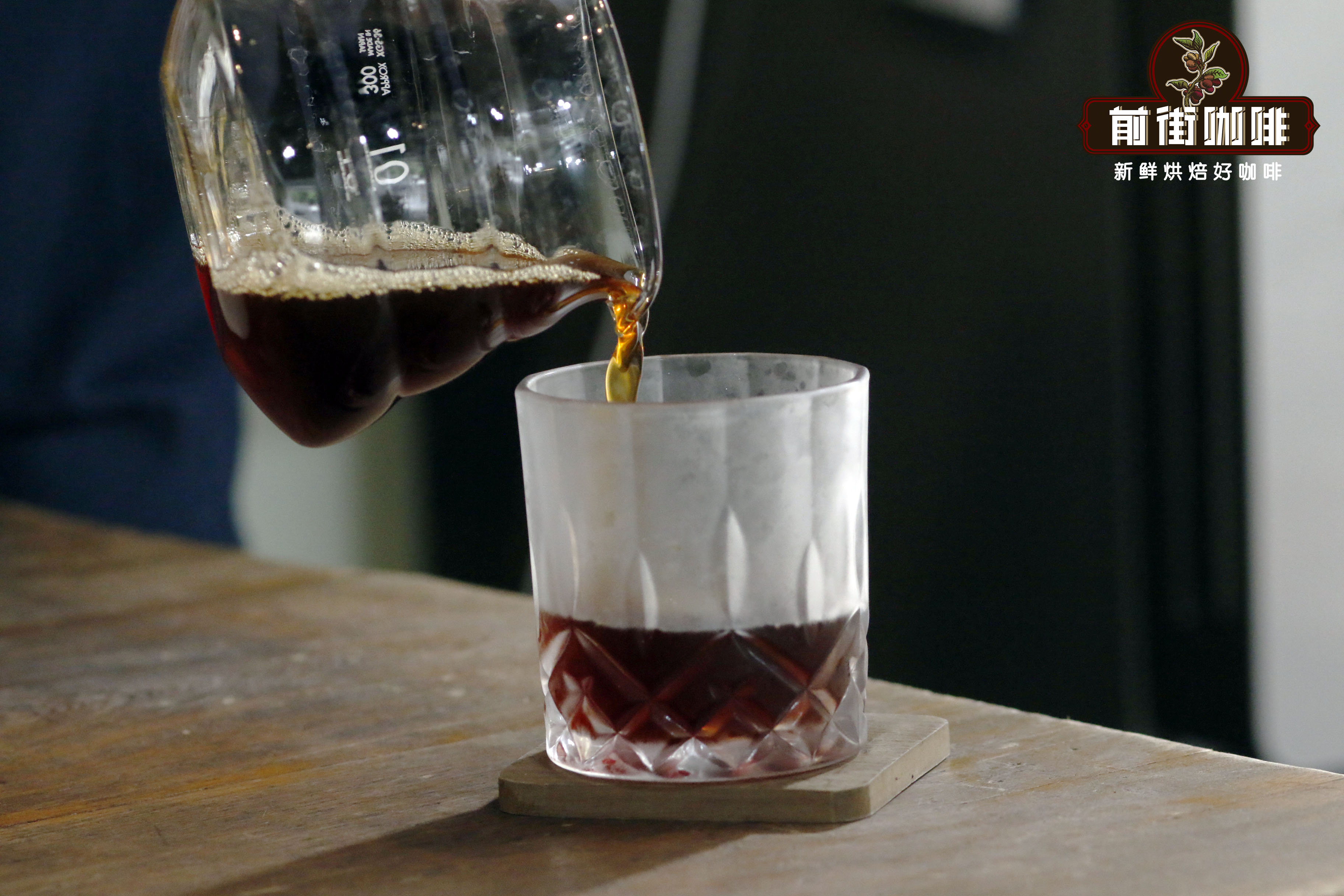
 The finished coffee is extremely cool in temperature. Upon tasting, you can clearly perceive a blueberry-like fruity aroma and a rich sweet-sour profile, with a full mouthfeel and no watery sensation — making it highly suitable for summer enjoyment.
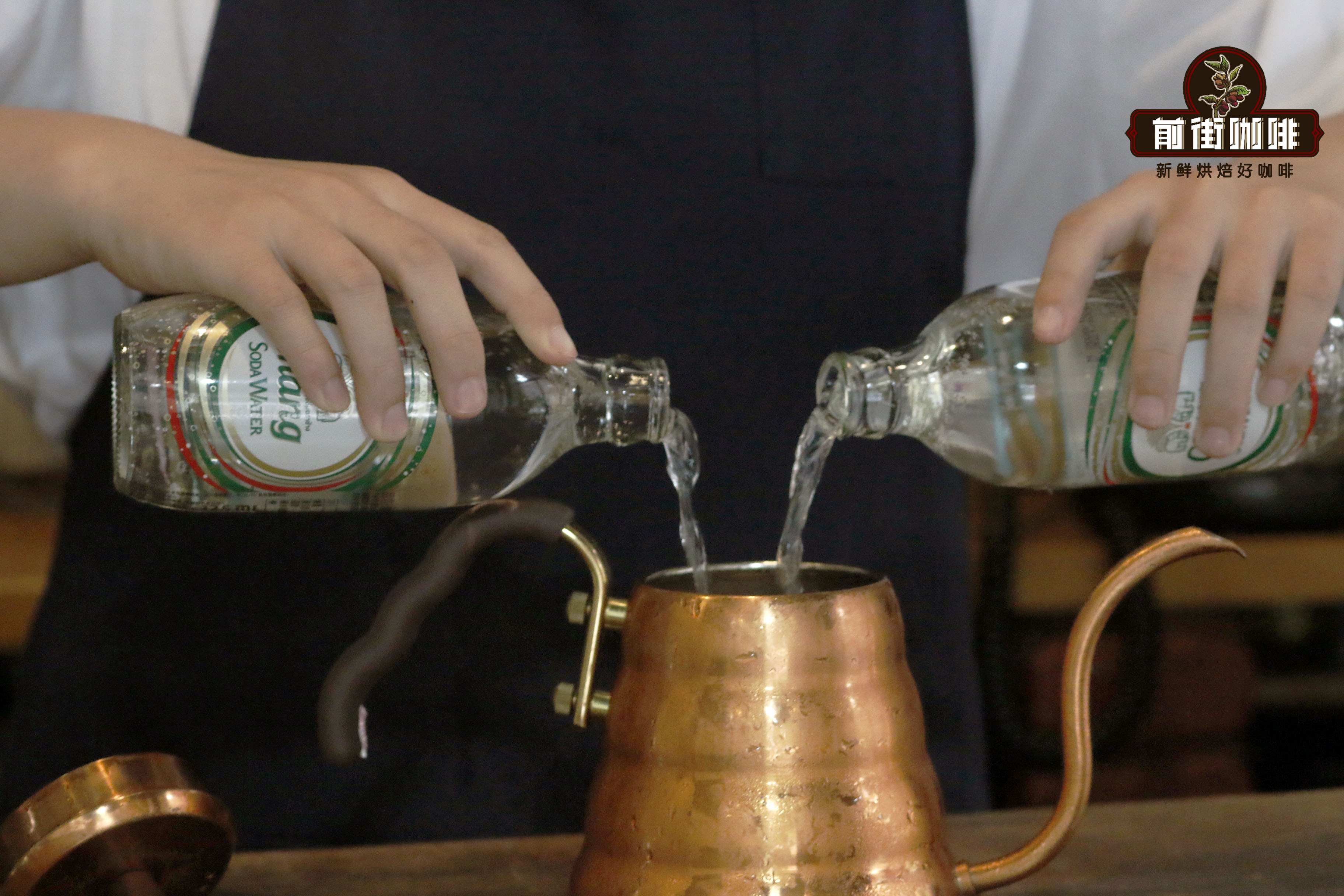
Besides ice water, some may also wonder if sparkling water (like soda water) can be used for pour over. To verify, the experiment team tried replacing ice water with ice soda water using the same process. The result showed that because soda water contains a large amount of carbon dioxide bubbles, although the bloom stage proceeded normally, during the actual pouring, the bubbles surged out massively, causing the coffee bed to expand or even collapse.
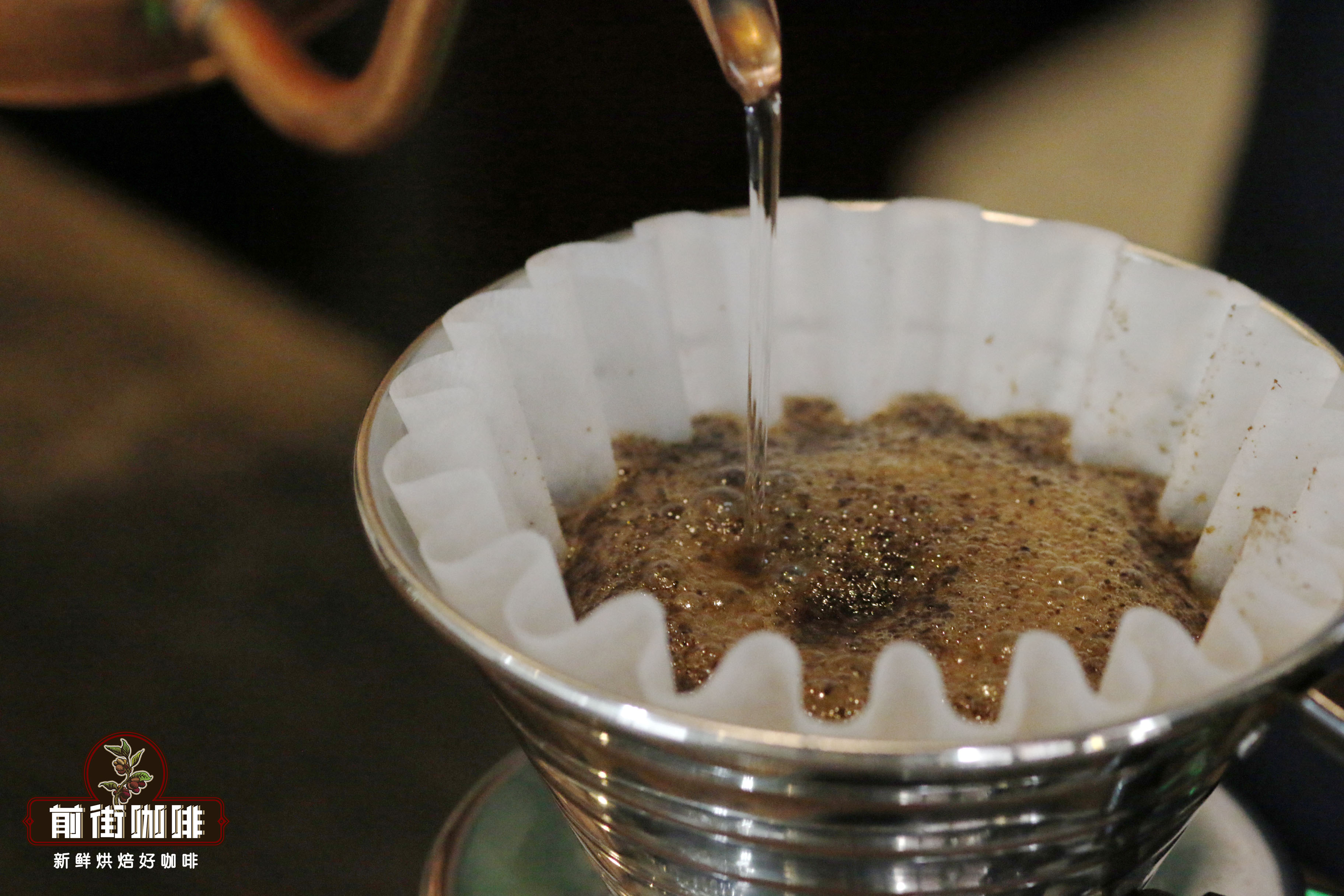 The final brewed coffee had a noticeable aftertaste of soda water, and the expected effervescence did not come through in the drinking experience. Overall, the flavor performance was not as refreshing and clear as when using pure ice water. It is recommended that regular pour over brewing still stick to stable soft or filtered water.
In summary, iced pour over coffee doesn’t necessarily have to be made by brewing hot first and then cooling down. By adjusting grind size, pouring technique, and choosing the right water quality, ice water can also produce a surprisingly refreshing iced coffee experience. As long as you master the key variables, you too can create your own unique iced pour over flavor at home.
The above content is compiled by CoffeeHunters, a coffee news website.


