








Introduction:Cold brew pour over coffee allows you to enjoy the hands-on fun of brewing while showcasing the delicate layers of coffee flavor — making it an excellent choice for summer. This article details the full process from bean selection and grinding to brewing, offering practical parameter recommendations and reminders about common pitfalls to help beginners get started quickly and brew a balanced, refreshing cold pour over.
Many people are initially intimidated by the various parameters and techniques involved in pour over coffee, but actually brewing at home is not difficult. Just master the basic steps, follow a standard process, and then gradually adjust to suit your own taste. Especially in summer, compared to hot coffee, cold pour over is more popular — refreshing and not overly heavy, making it a great way to enjoy coffee.
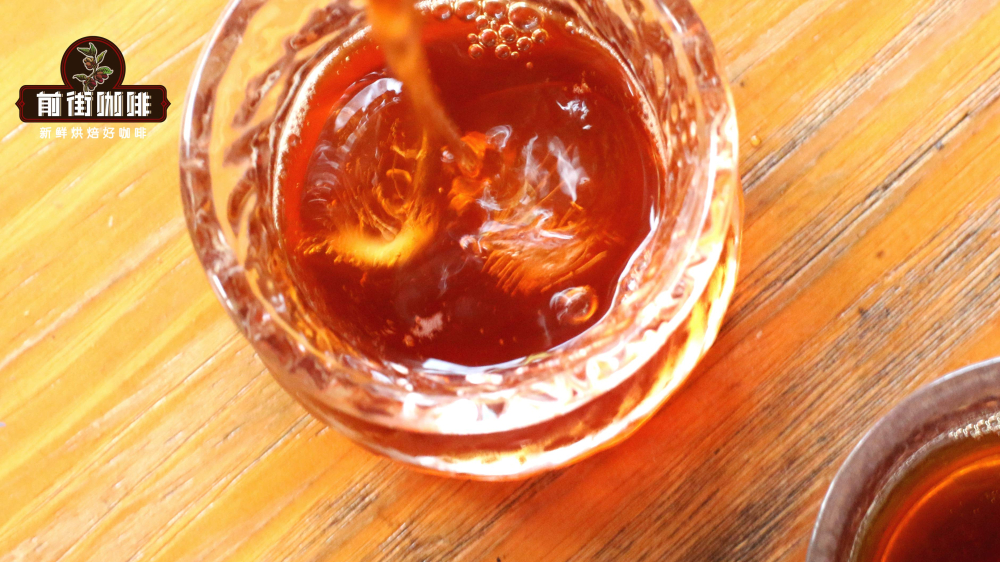
Pour over coffee is a type of drip filtration extraction. By manually controlling the water flow, hot water is evenly poured over ground coffee, allowing the flavors to slowly release. This method works with a variety of coffee beans and highlights the unique characteristics of the coffee itself. It’s commonly seen both at home and in cafés. With just a few basic tools such as a filter cone, filter paper, digital scale, and pour over kettle, you can start enjoying the pleasure of pour over brewing.
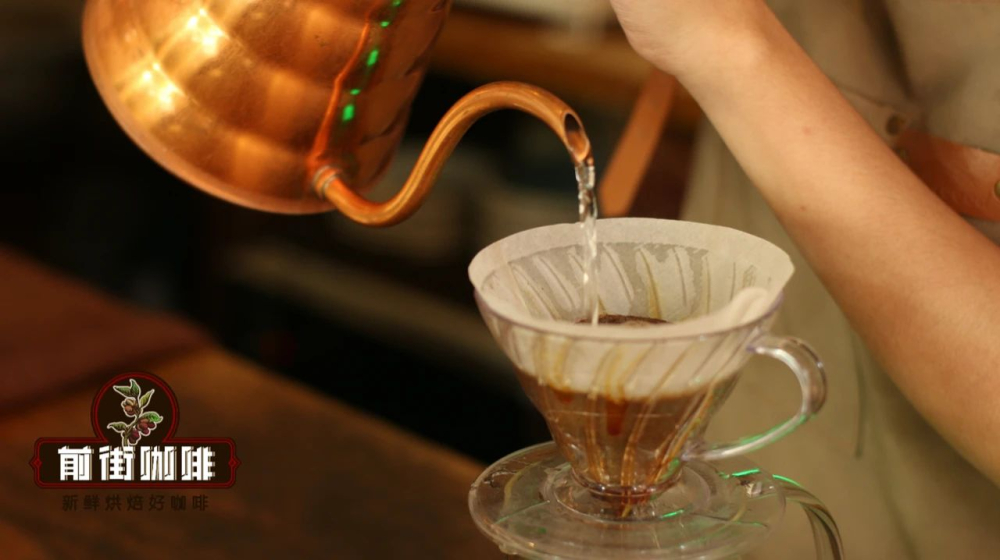
The basic coffee-to-water ratio for cold pour over is usually set at 1:10, along with an appropriate amount of ice to help lower the temperature and dilute the brew. Compared to hot brewing, cold pour over typically takes longer due to the lower temperature. Pay attention to the coordination between water flow and grind size to fully showcase the layered flavors of the coffee.
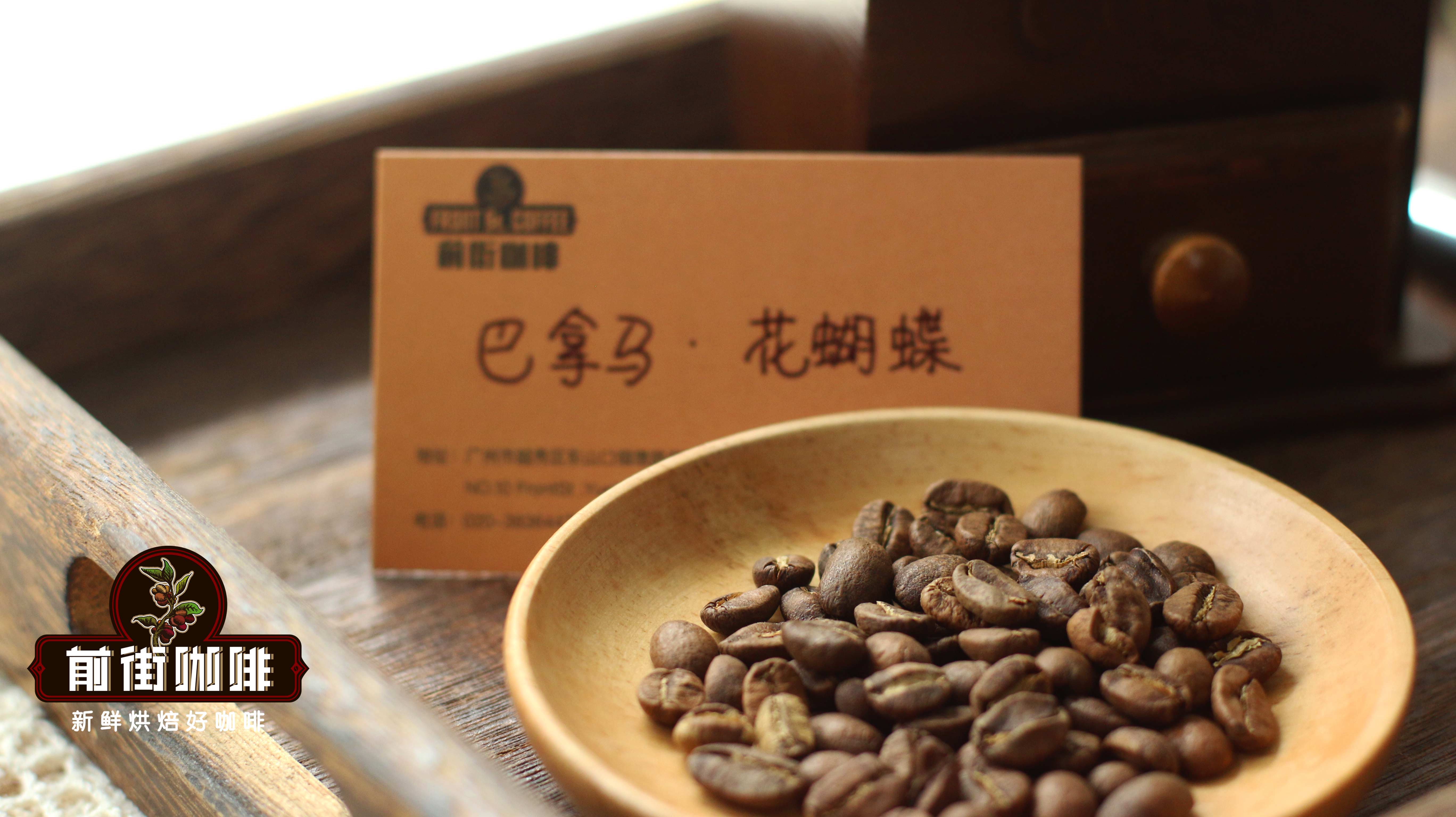
Choosing a fresh batch of coffee beans is the first step to success. The flavor profile of coffee beans can be broadly divided into those with prominent acidity or noticeable bitterness, and they can also be categorized by roast level into light, medium, and dark. If you prefer floral and fruity aromas, you might want to consider light to medium roasted beans, such as those with citrus and floral notes. For those who prefer a balanced taste, medium roasted beans are recommended. If you’re not used to acidity, try medium to dark roasted beans, which often have chocolatey or nutty notes. Additionally, “fresh” means the coffee beans are still within their prime flavor period — it’s best to choose products shipped within 5 days of roasting to ensure full flavor expression.
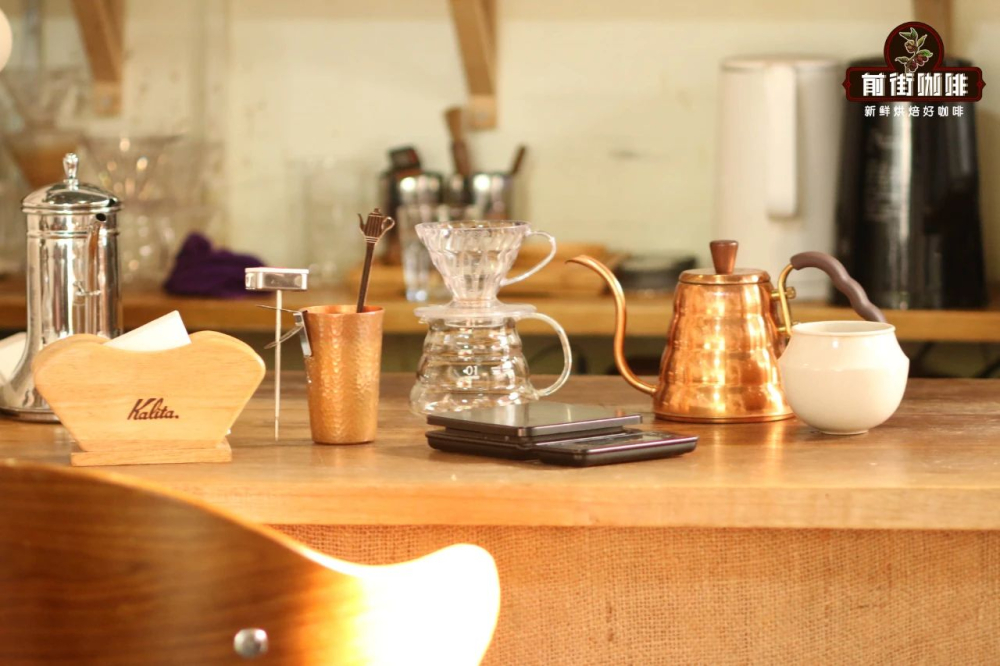
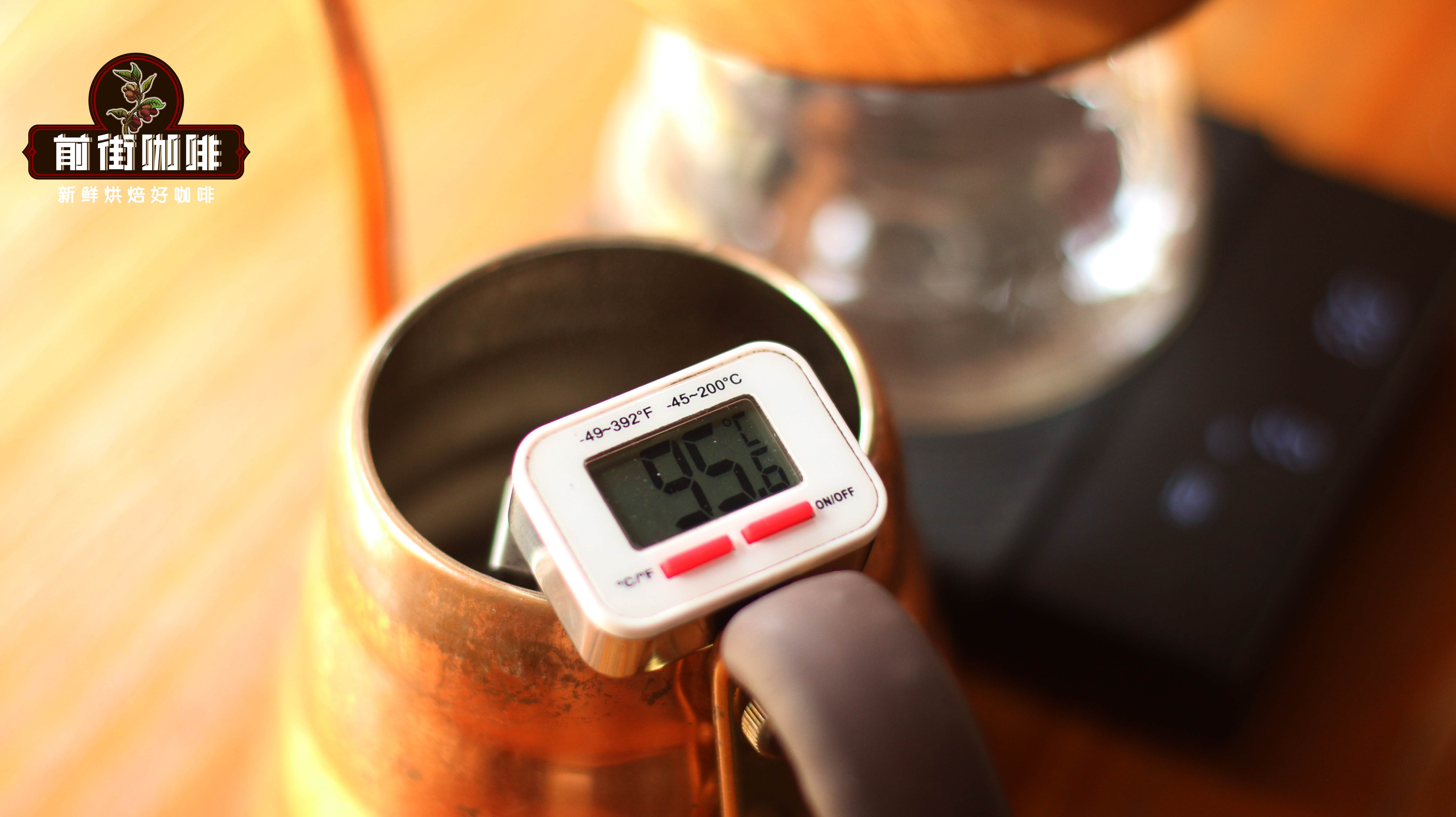
Having the right tools is also key. In addition to the coffee beans, you’ll need a digital scale (with timer function), a pour over kettle, a filter cone, filter paper, a grinder, a thermometer, and a server. The thermometer is used to monitor water temperature, as both water temperature and grind size affect extraction efficiency. Generally, medium to dark roasted beans are recommended to be brewed at 87–90°C, while light roasted beans are better suited to 91–93°C, to fully bring out the aroma and avoid excessive bitterness.
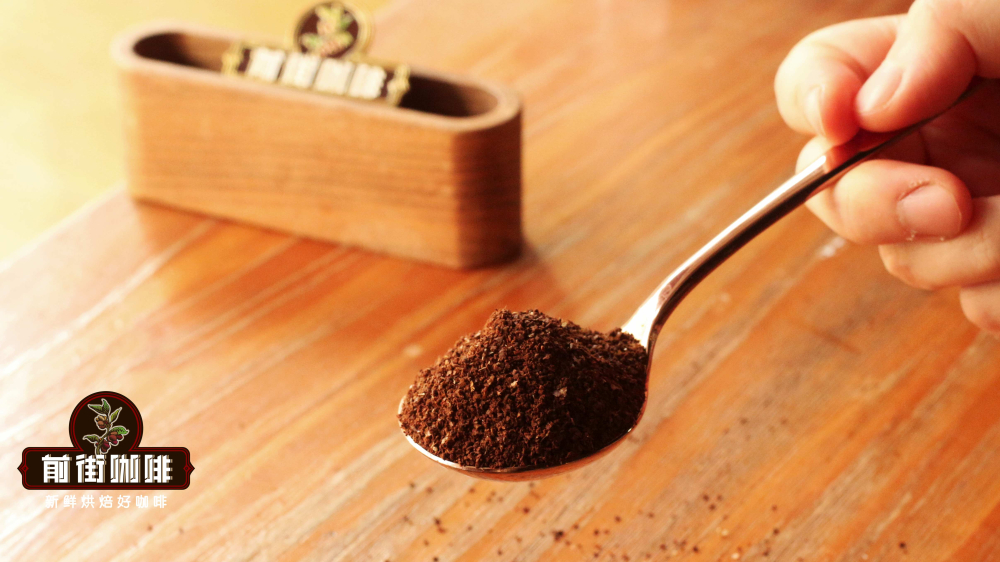
The choice and adjustment of the grinder is extremely important — the coarseness and uniformity of the coffee grounds directly impact flavor performance. Grinds that are too coarse may lead to under-extraction and a thin-tasting cup, while grinds that are too fine can lead to over-extraction and bitterness. It’s recommended to use a No. 20 sieve for testing: medium to light roasted beans should have a sieve retention rate of about 75–80%, equivalent to the coarseness of medium-fine sugar; medium to dark roasted beans should have about 70–75% retention, close to the coarseness of coarse sugar. For example, the Flower Butterfly beans used in this demonstration are medium to light roasted, with a grind setting of 83% passing through a No. 20 sieve — corresponding to a hand grinder C40 at setting 22, or an electric grinder EK43s at setting 9.5, resulting in a coarseness similar to fine sugar.
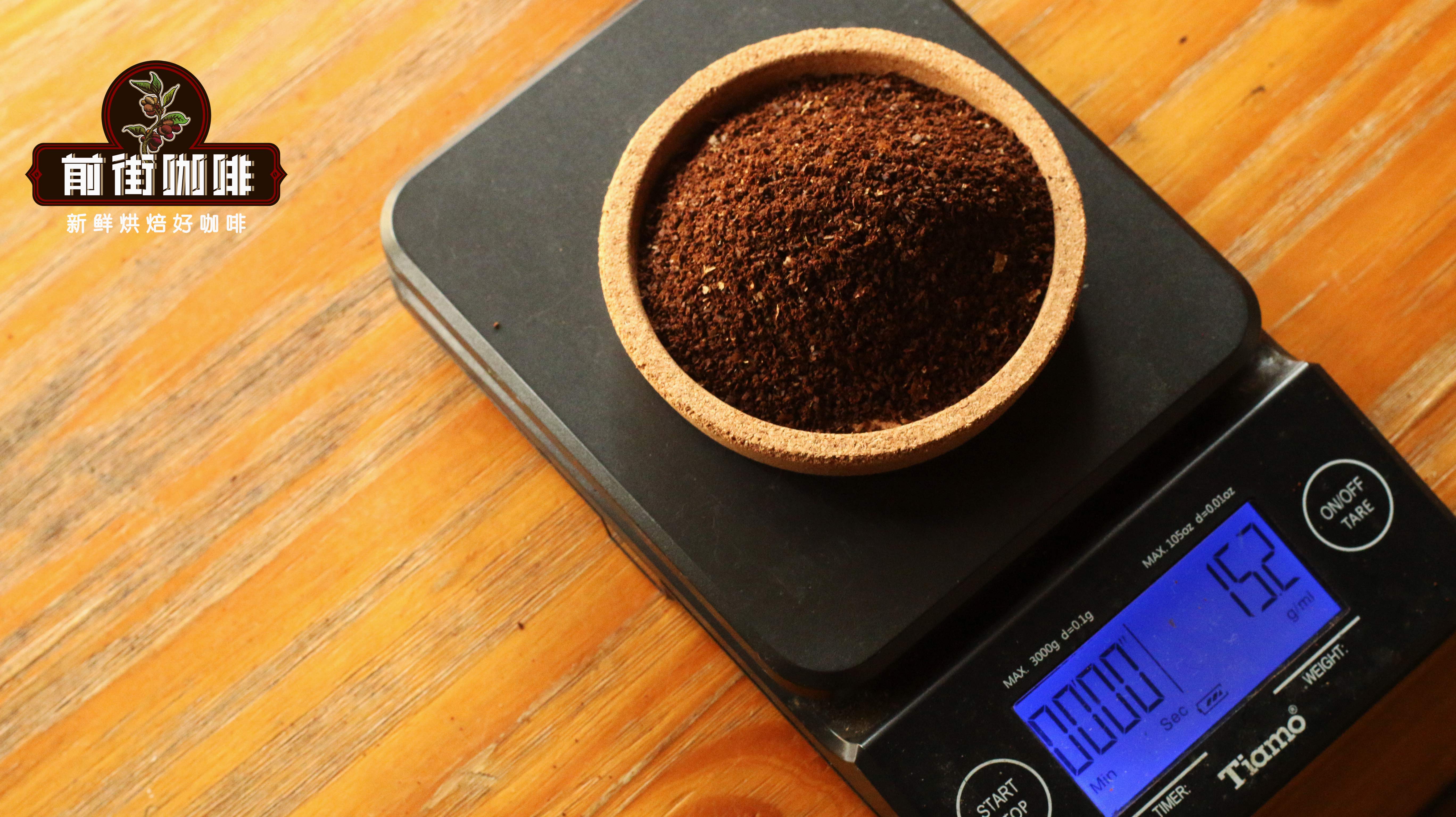
Recommended cold pour over extraction parameters are as follows: use 15 grams of coffee grounds, pour in 150 grams of 92°C hot water, and add 75 grams of ice (about 5 times the weight of the coffee). Use a three-stage pouring technique: first pour 30 grams of hot water and let it bloom for 30 seconds, then pour 60 grams of water while paying attention to controlling the liquid level height to avoid under-extraction, and finally pour the remaining 60 grams of water at a flow rate of 3ml/s. The total extraction time should be controlled between 1 minute 50 seconds and 2 minutes.
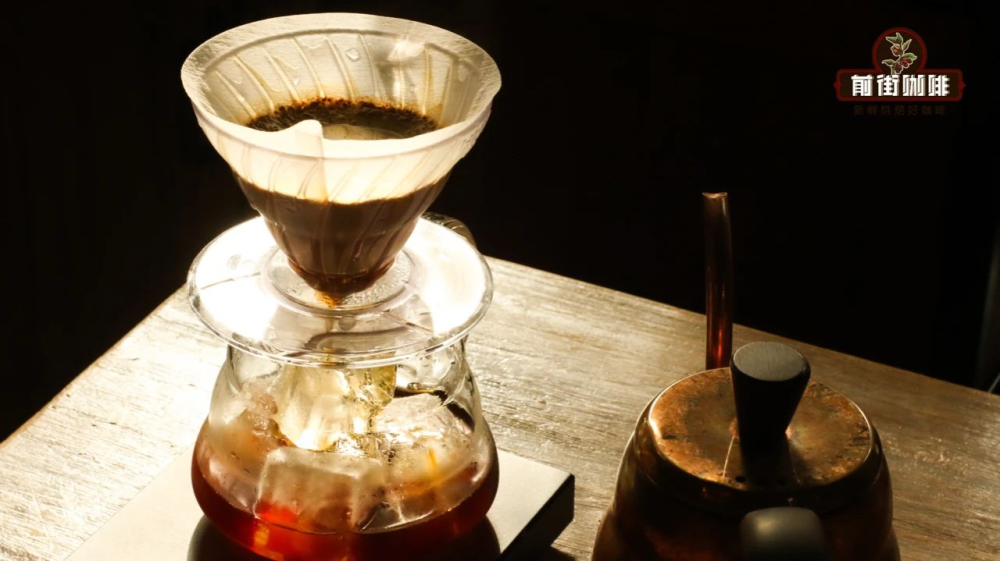
This parameter combination can fully highlight the fresh fruity aroma and sweet taste of the Flower Butterfly beans, featuring citrus and grapefruit fruitiness as well as the rich aroma of nuts. The overall flavor is balanced and refreshing. Note that after brewing, there may be a small amount of remaining ice cubes. If you don’t want the coffee to become further diluted, it’s recommended to drink it as soon as possible to enjoy the optimal flavor.
The above content is compiled by CoffeeHunters, a coffee news website.


