







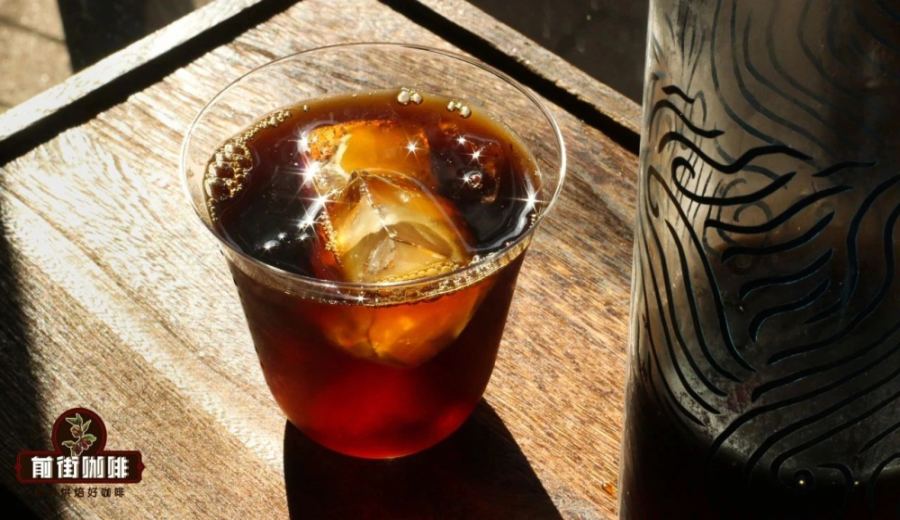
Introduction:As summer approaches, iced pour-over has become the go-to choice for many coffee enthusiasts. This article delves into the brewing principles of iced pour-over, breaking down key parameters step by step—from coffee bean selection, coffee-to-water ratio, grind size to pouring techniques—and recommends several flavorful beans ideal for iced pour-over. It helps beginners easily master low-temperature extraction techniques to achieve a bright, clean, and layered cup.
As temperatures rise, refreshing and palate-cleansing iced coffee once again becomes a popular choice. Among cold drip, cold brew, and iced americano, iced pour-over stands out with its unique operational flexibility and flavor profile, winning the favor of more and more coffee lovers.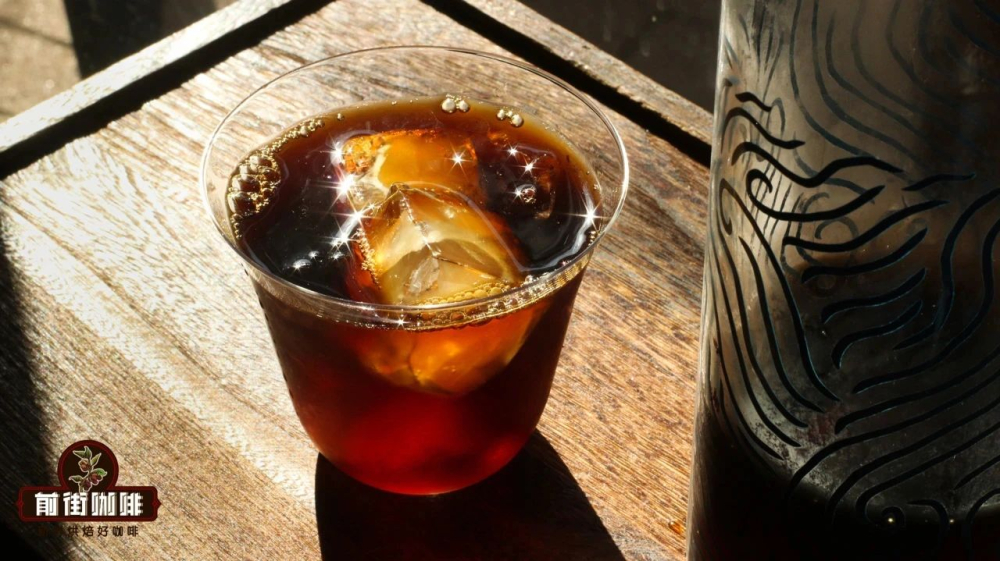
Compared to traditional hot pour-over, the flavor expression of iced pour-over is primarily revealed in the low-temperature stage. Hot pour-over can showcase multi-layered changes from high to low temperature, whereas iced pour-over relies on high-concentration extraction, followed by dilution with ice to adjust both concentration and temperature—thereby maintaining rich flavors even in a low-temperature environment.
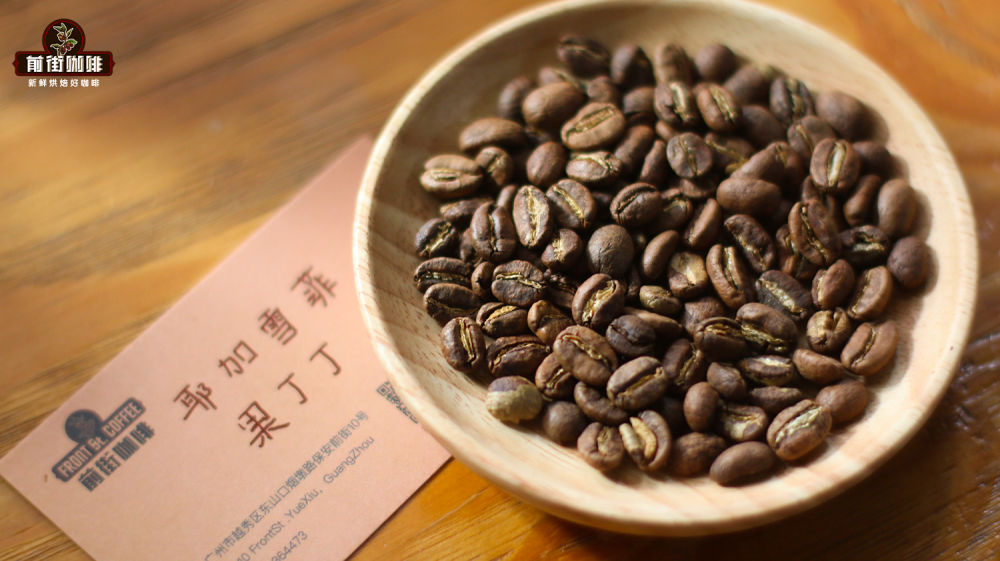
 When making iced pour-over, it’s recommended to prioritize coffee beans with prominent fruity aromas, such as those processed via natural sun-drying. These beans typically feature bright acidity and rich fruit notes, which remain vibrant even when chilled. Take, for example, a sun-dried bean that has won international competitions—the name is an elegant Chinese translation given after its championship victory. It exhibits layered tropical fruit aromas and soft sweetness, along with good extraction tolerance, making it an ideal choice for many beginners.
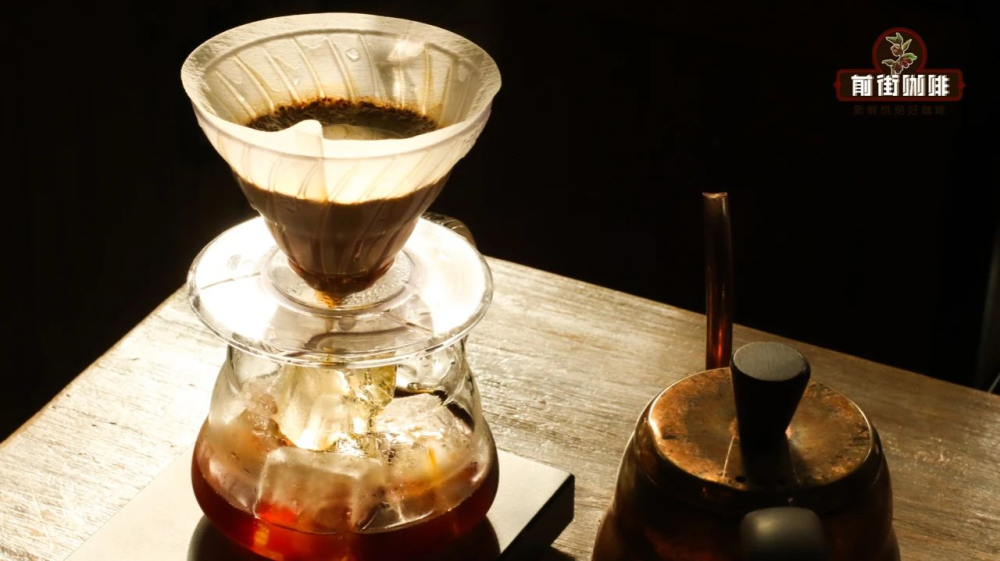
The standard recipe suggests using 15 grams of coffee grounds with a V60 resin filter cone, setting the coffee-to-water ratio at 1:10—that is, pouring 150 grams of hot water to yield approximately 120 grams of concentrated coffee liquid. To ensure sufficient concentration, the grind size should be finer than that used in regular hot pour-over to enhance the extraction efficiency of flavor compounds and prevent the taste from becoming diluted. After wetting the filter paper and attaching it to the cone, you can first place 90 grams of ice in the server and gently stir to pre-chill, while also recommended to pre-cool your drinking cup.
The actual extraction is divided into two stages: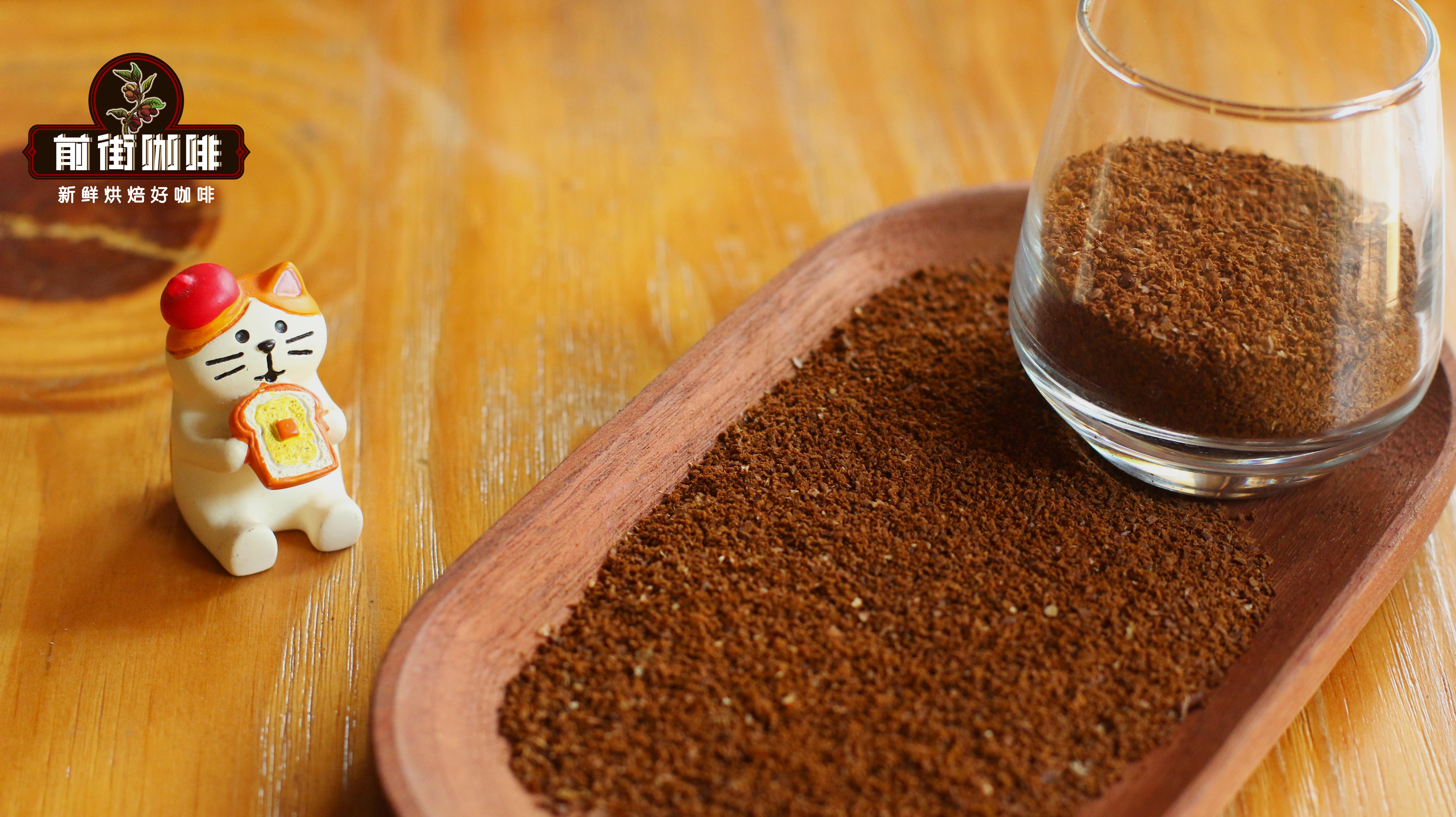 The first stage involves pouring 30 grams of hot water for a 30-second bloom. This step helps release carbon dioxide from the coffee grounds to avoid hindering subsequent flavor extraction—typically, the suggested water amount is double the coffee weight. Then, in the second stage, slowly pour the remaining 120 grams of hot water in small streams with a circular motion. The total extraction time is controlled to around 1 minute and 45 seconds, and the filter cone is removed once all the coffee liquid has dripped through.
After extraction, it’s recommended to gently shake the server to evenly mix the flavors and accelerate cooling.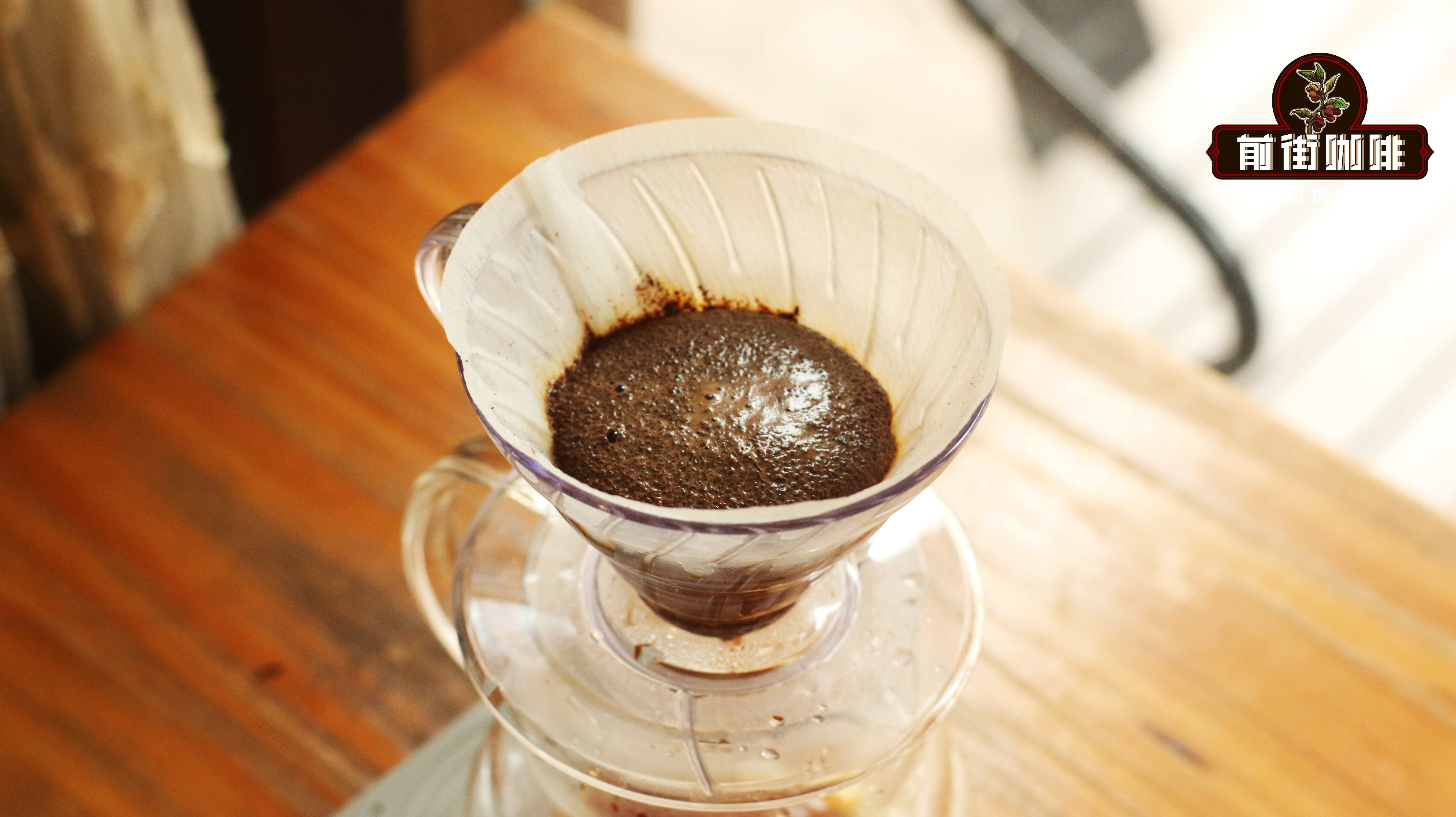 A well-made iced pour-over should present a clear, bright ruby-red color. On the palate, it delivers distinct red berry acidity and soft berry sweetness, with a finish that hints at the gentle warmth of dried apricots. Overall, the cup is clean, balanced, and layered.
For different preferences, bean selection can be flexibly adjusted: Those who enjoy a bright, sweet-and-sour style can try beans with standout fruity profiles and excellent low-temperature performance; consumers seeking a balanced cup might consider neutral-flavored beans where acidity, sweetness, bitterness, and umami are well harmonized; if you prefer the bold, dark-roasted texture, dark roast beans such as Mandheling varieties or single origins from the Golden Region can also showcase unique nutty and chocolatey finishes after chilling.
The above content is compiled by CoffeeHunters, a coffee news website.


