







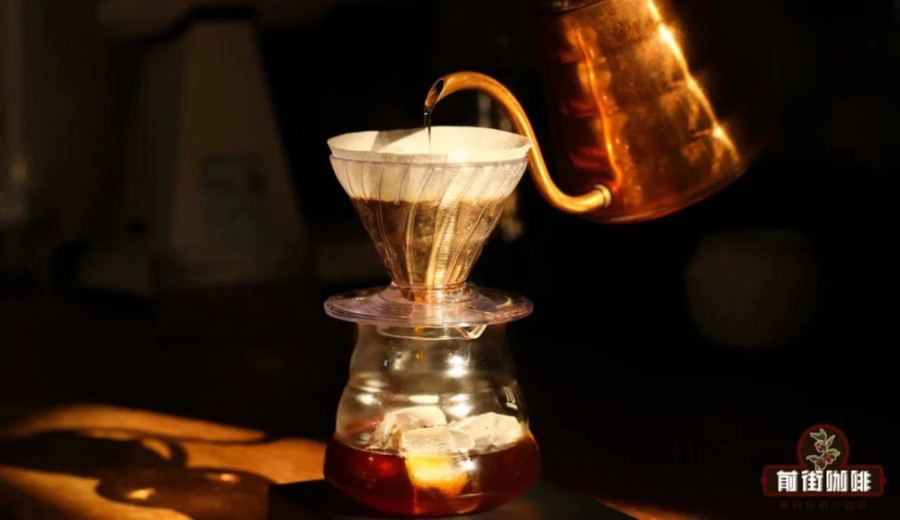
Introduction:Feeling like an iced coffee on a hot summer day but don’t want to wait for cold brew? Iced pour over is the quick yet flavorful solution you need. This article breaks down two popular techniques — the classic three-pour method and the single-pour by Tetsu Kasuya — covering everything from coffee-to-water ratio, grind size to pouring methods. Learn how to easily brew a refreshing, sweet-and-acidic balanced iced pour over at home using everyday equipment. We’ve also included tested parameters and common troubleshooting tips.
Hot weather often makes us want to stay glued to the air conditioner, but how can coffee lovers go without their daily pick-me-up? If you’d rather not venture out in the blazing sun or invest in a professional cold drip setup, iced pour over is a great brewing option at home. This method, which combines cold water extraction with the chill of ice, preserves the layered flavors of coffee while cooling it down with ice cubes. The result is a refreshing, non-cloying drink — a long-time favorite on many cafés’ summer menus.
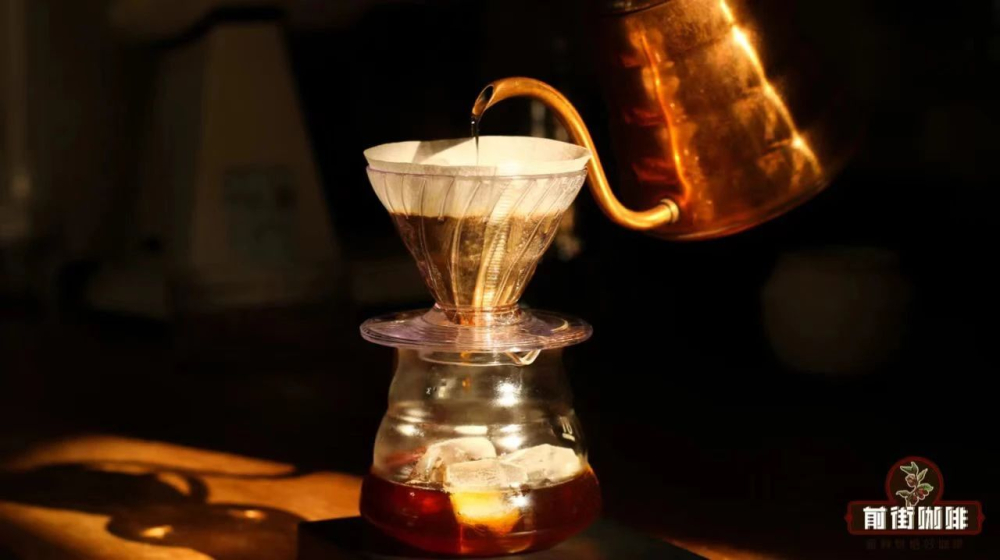
To replicate café-quality iced pour over at home, it’s essential to understand the principles behind “coffee-to-water ratio” and “ice displacement.” Traditional hot pour overs focus on high-temperature, fast extraction, but iced pour over requires adjusting both the amount of hot water and the grind size due to the large volume of ice used to lower temperature. This ensures your final brew isn’t too weak or under-extracted. In practice, mastering the golden ratio of “fine grind coffee + 10 parts hot water + 5 parts ice” will help you consistently achieve ideal flavor.
Take a single serving with 15 grams of coffee powder as an example: use 150 grams of hot water (a 1:10 coffee-to-water ratio) along with 75 grams of ice (5 times the coffee amount). This combination has been tested multiple times and proven to maintain just the right concentration after the ice melts, while showcasing the coffee’s fruity acidity and sweetness. For a double serving, increase the coffee to 20 grams, with 200 grams of hot water and 100 grams of ice. Be aware that reducing the amount of hot water shortens the overall extraction time — usually from the standard 2 minutes down to about 1 minute and 20 seconds — which may result in incomplete release of later-stage flavor compounds.

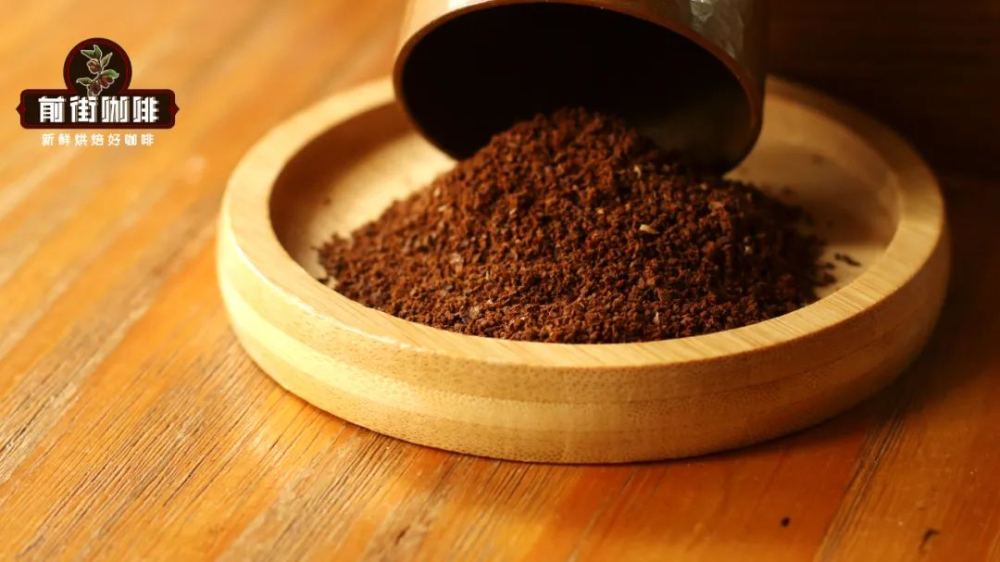
To address potential under-extraction, it’s recommended to adjust the grind size accordingly. For example, if using a common grinder like the EK43s, and your hot pour over uses a 10 setting, try 9 to 9.5 for iced pour over. With a hand grinder like the C40, adjust from 24 clicks for hot brew to 22 clicks. This fine-tuning extends the contact time between water and coffee grounds, allowing the aroma and complexity of the coffee to fully develop. Different roast levels also call for flexible adjustments: medium-light roasts such as Tanzanian Kilimanjaro work better with slightly finer grinds to highlight berry and nutty notes, while darker roasts can maintain a slightly coarser grind to avoid excessive bitterness.
When using the three-pour method in practice, it’s recommended to first place 75 grams of ice in the server, then add 15 grams of coffee powder. The first pour involves gently pouring 30 grams of hot water in small circles around the center to bloom for 30 seconds, helping the coffee release gases. The second pour uses the same technique to add 60 grams of water, and once the flow through the filter slows, continue pouring the remaining 60 grams to complete the extraction. The total time should be controlled between 1 minute 50 seconds and 2 minutes. At this point, the brewed coffee will exhibit notes of green grape, berries, and subtle floral aromas, with a bright acidity and distinct layers.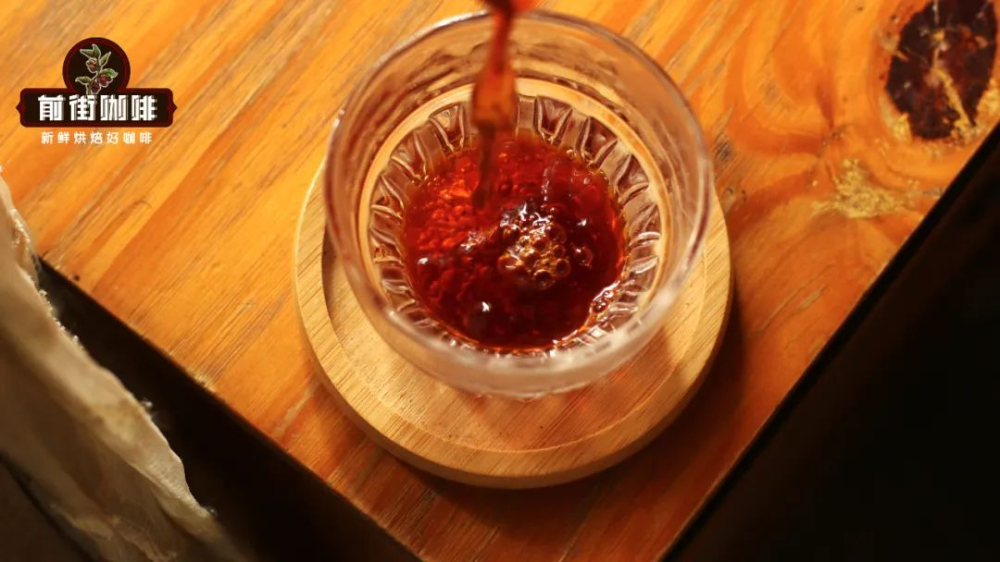
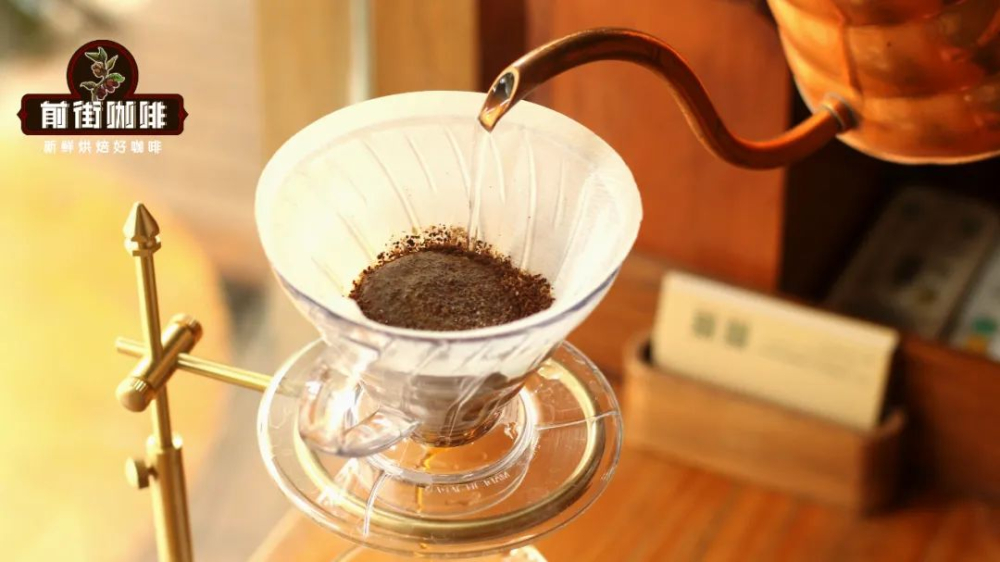
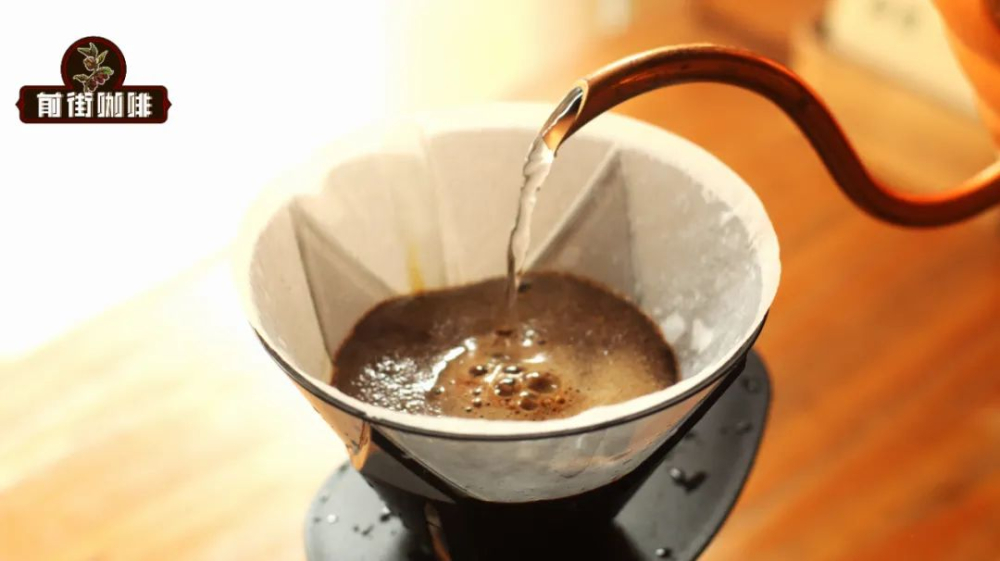
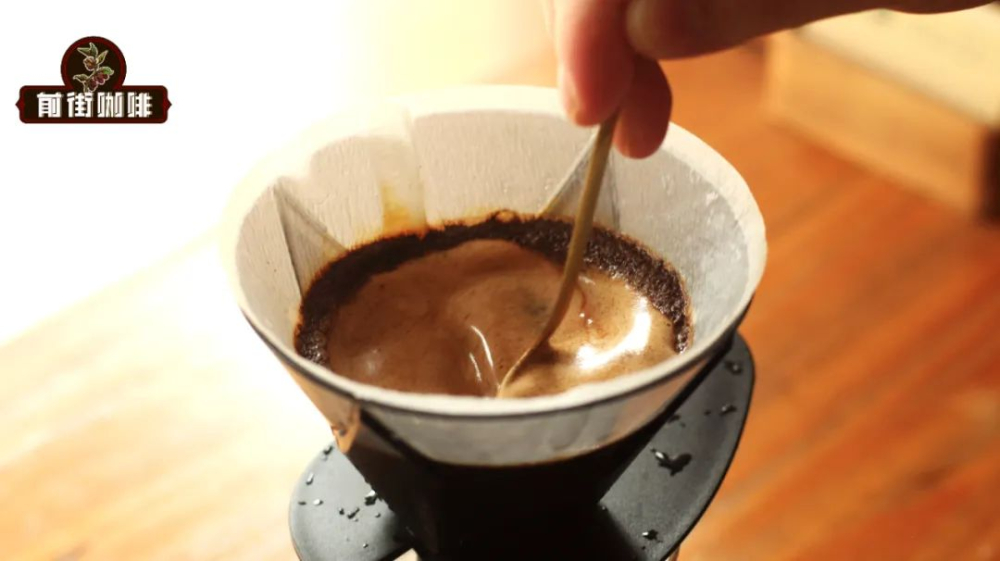
If you prefer a simpler approach, the “one-pour” iced pour over method developed by Tetsu Kasuya is an excellent choice. Prepare 20 grams of coffee powder (we recommend Panama El Abra Estate Natural Caturra), 150 grams of hot water, and 80 grams of pre-placed ice cubes, using a slower-flowing Mugen Infinity Cross Star filter. Add all the ingredients at once, then quickly pour hot water with a larger stream for about 10 seconds. Next, use a small spoon to stir gently along the inner wall of the filter in one direction for about 10 rotations to promote even extraction. Let the coffee drip slowly; the total extraction time is around 1 minute and 43 seconds. This method produces a smooth and mellow cup with prominent notes of cinnamon, liquor chocolate, and peach — ideal for those who prefer lower acidity.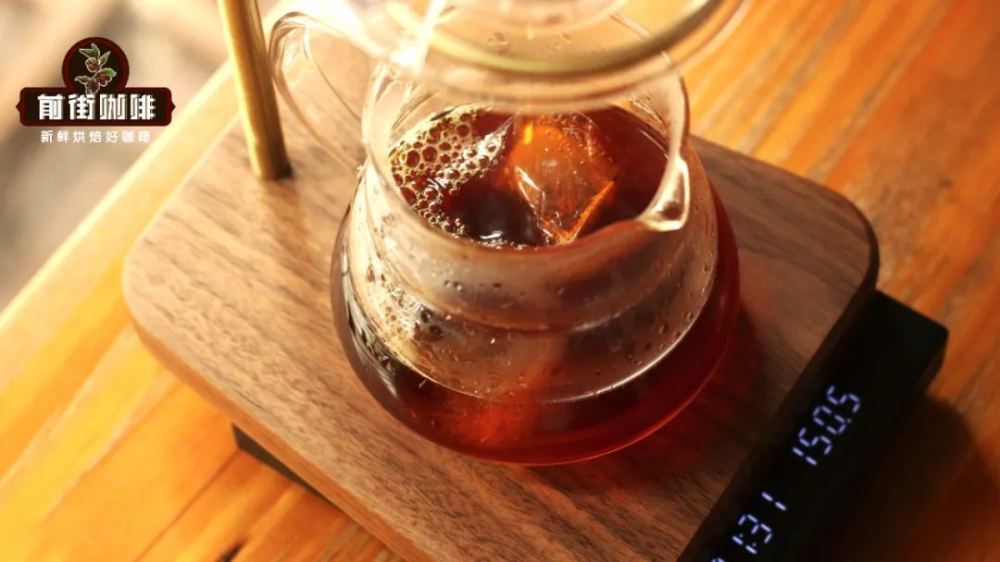
No matter which method you choose, don’t overlook a few key details: use ice made from purified water to avoid off-flavors, the material of the filter affects flow rate and extraction consistency, and try to maintain a steady water stream when pouring to avoid disturbing the coffee bed. Common mistakes include using too much ice leading to over-dilution, grinding too coarse resulting in incomplete extraction, or insufficient blooming time affecting aroma development. Once you master these points, you’ll be able to enjoy professional-grade iced pour over coffee at home, bringing a touch of cool refreshment and surprise to the hot summer days.

The above content is compiled by CoffeeHunters, a coffee news website.


