







Introduction:The flavor of pour over coffee and brewing techniques are often regarded as something of a mystery, but in reality, there is scientific reasoning behind them. This article will delve into the six key factors that influence the flavor of pour over coffee: coffee beans, grind size, coffee-to-water ratio, water temperature, time, and technique, while also providing practical advice to help beginners master brewing skills and achieve their desired flavors.
In the coffee enthusiast community, the flavor of pour over coffee and brewing methods are frequently discussed as almost mystical topics—some even call it "coffee alchemy." But in truth, these seemingly mysterious phenomena are grounded in solid science.

Many people tasting pour over coffee for the first time may find it only bitter or sour, while others around them can describe rich flavors like fruits or flowers, leading one to wonder: “Are we drinking the same cup of coffee?” In fact, the various flavors in coffee do not come out of nowhere. Scientists have long discovered that fruity notes in coffee come from ester compounds, and caramel sweetness from furan compounds. According to research published in the journal Food Chemistry, over 200 identifiable flavor compounds exist in coffee—for example, pineapple flavor comes from methyl isovalerate and ethyl isovalerate, rose floral notes are produced by phenethyl alcohol, and caramel or brown sugar-like sweetness originates from furanones. These findings confirm that the diversity of coffee flavors is scientifically backed.
Another commonly debated “mystery” is brewing technique. For instance, some believe you should stop pouring in the final stage (when about 20ml of coffee remains) because the last drops lead to bitterness. Others claim different pouring methods can yield vastly different flavors, such as citrus or strawberry. While these ideas may sound esoteric, understanding the basic logic behind brewing reveals that these techniques follow certain patterns.
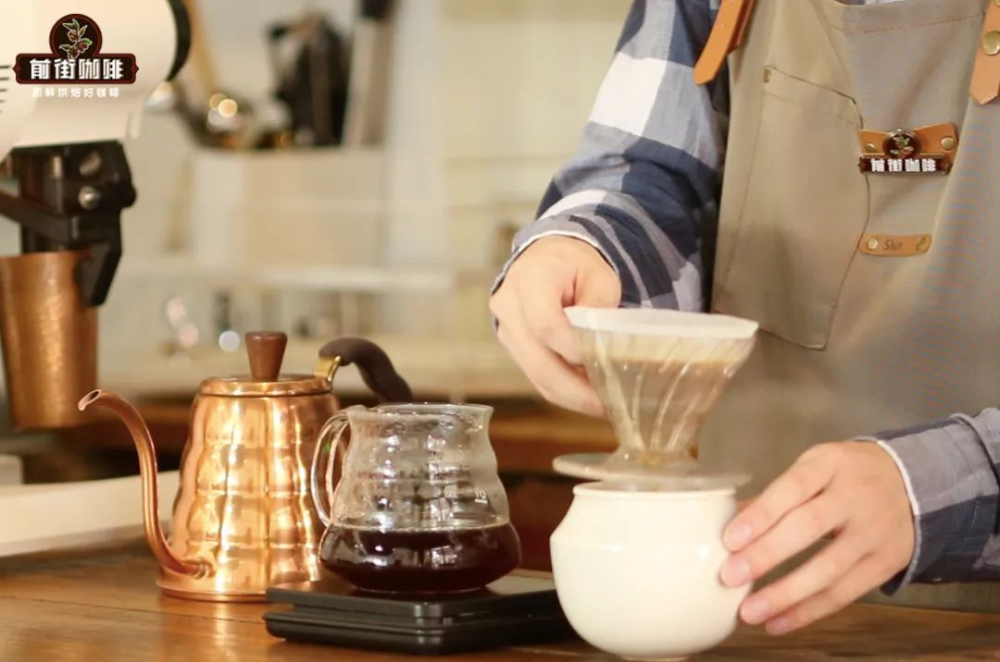
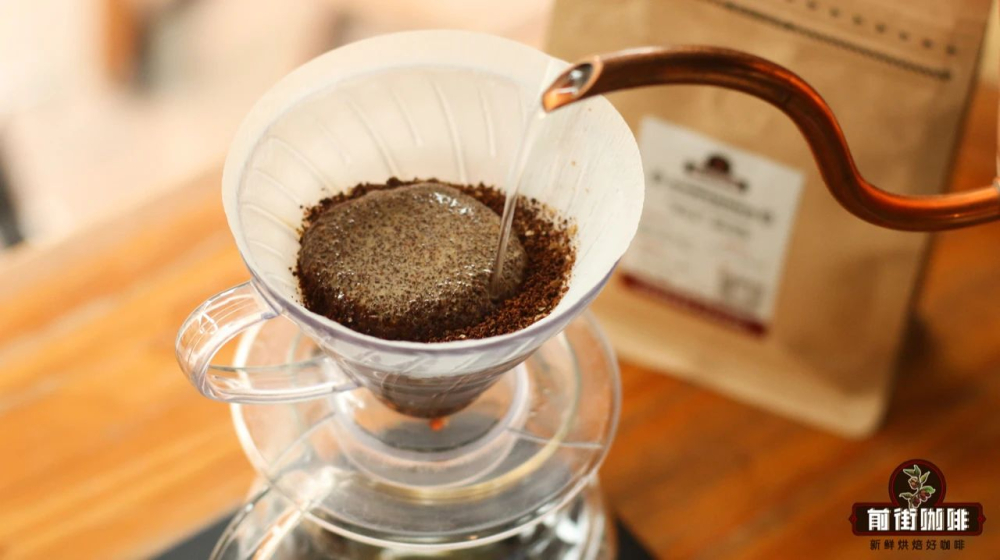
The six key factors influencing the flavor of pour over coffee include: coffee bean quality, grind size, coffee-to-water ratio, water temperature, brewing time, and brewing technique. Among these, coffee beans, coffee-to-water ratio, and water temperature are the most easily controlled parameters; grind size and time are slightly less so, while technique is the most unstable factor. Mastering the interplay between these parameters allows you to consistently brew coffee with your desired flavors.
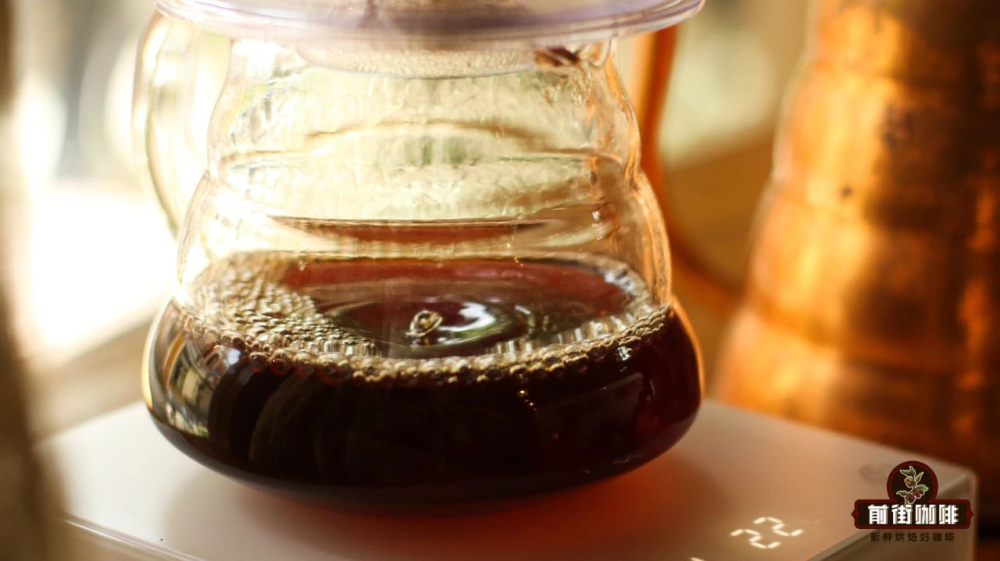
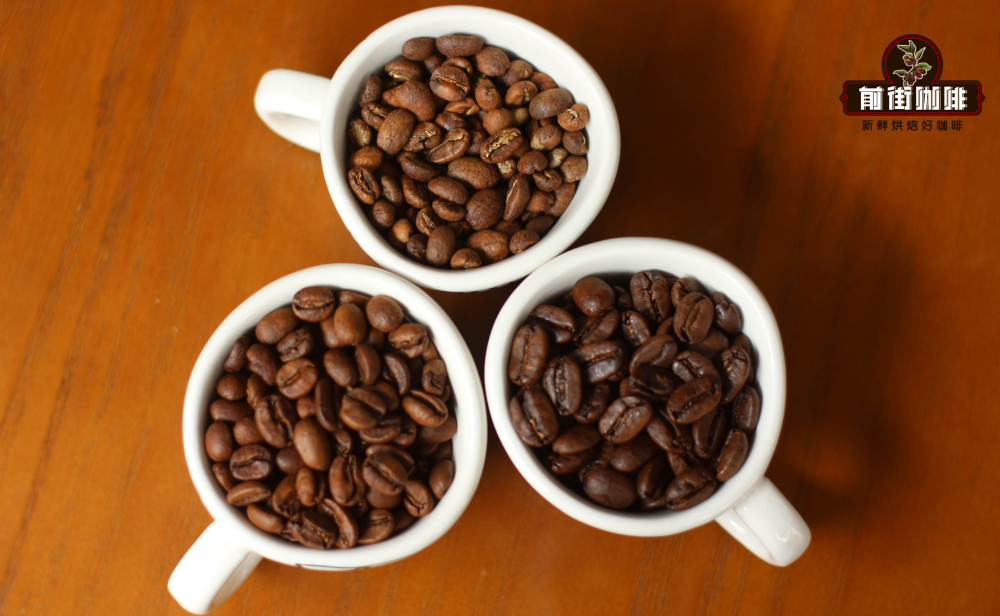
First and foremost, selecting high-quality coffee beans is crucial. Here, “high-quality” does not necessarily mean expensive, but rather beans that are free of defects and within their optimal freshness window. Many brewing issues actually stem from improper storage of coffee beans, such as prolonged storage leading to flavor loss. Generally, the best flavor period for coffee beans is within 4 to 30 days after roasting. Therefore, ensuring bean freshness is the first step to brewing great coffee.
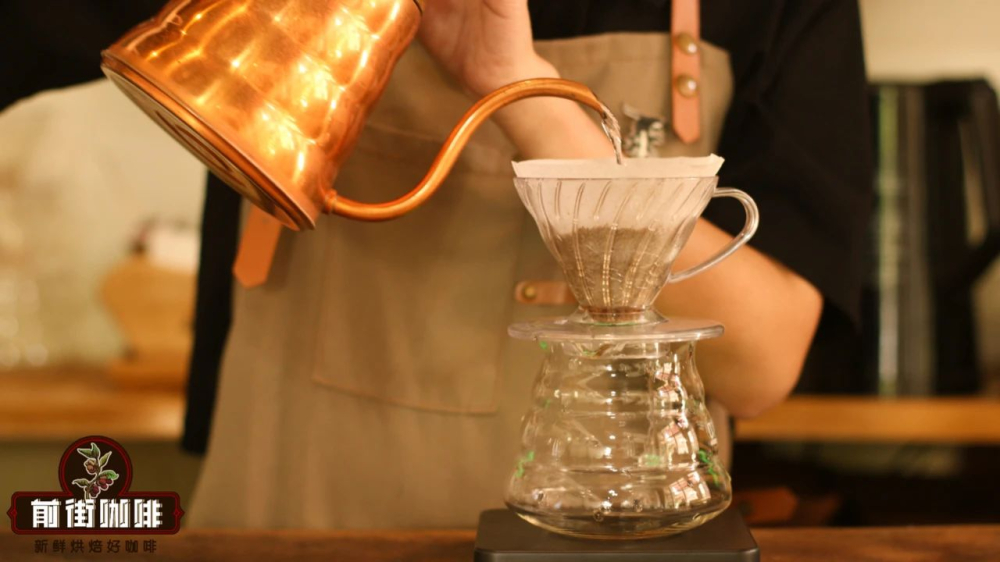
Coffee-to-water ratio and water temperature are two of the most quantifiable and stable parameters. The coffee-to-water ratio is usually measured in grams, such as 1:15 or 1:16, while water temperature is recommended to be adjusted based on roast level—light roasts suit 90–93°C, while medium to dark roasts are better at 85–88°C. These parameters can be precisely controlled using a digital scale and thermometer, reducing human error.
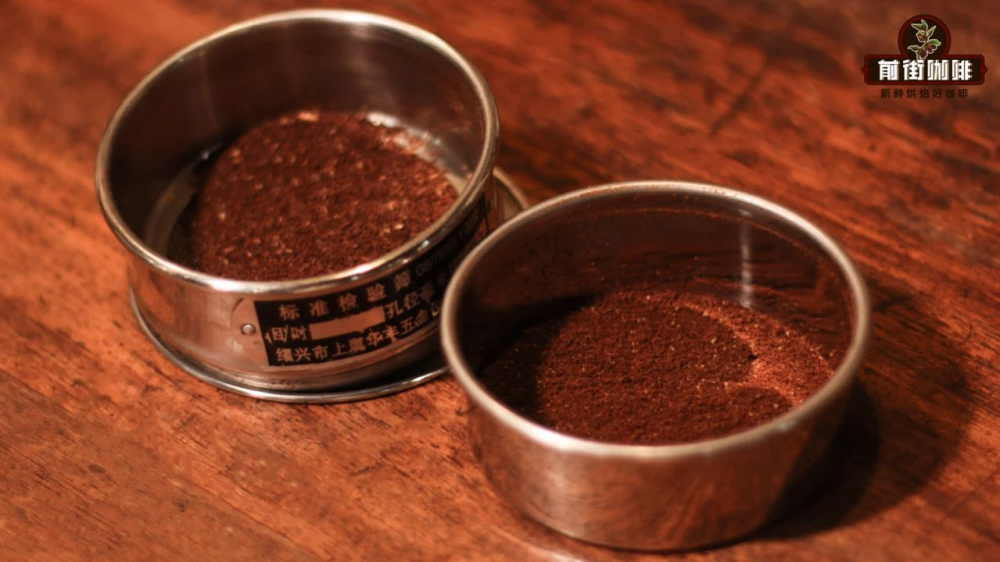
The impact of grind size is equally important, but more dependent on the quality of the grinder. It is recommended to calibrate grind fineness using a #20 sieve—for medium to light roasts, the sieve retention rate should be around 75–80%, and for medium to dark roasts, around 70–75%. However, if the grinder produces uneven grounds—with too many fines or overly coarse particles—even correct parameters may lead to uneven extraction. In such cases, try sifting out fines or adjusting the grind size to improve results.
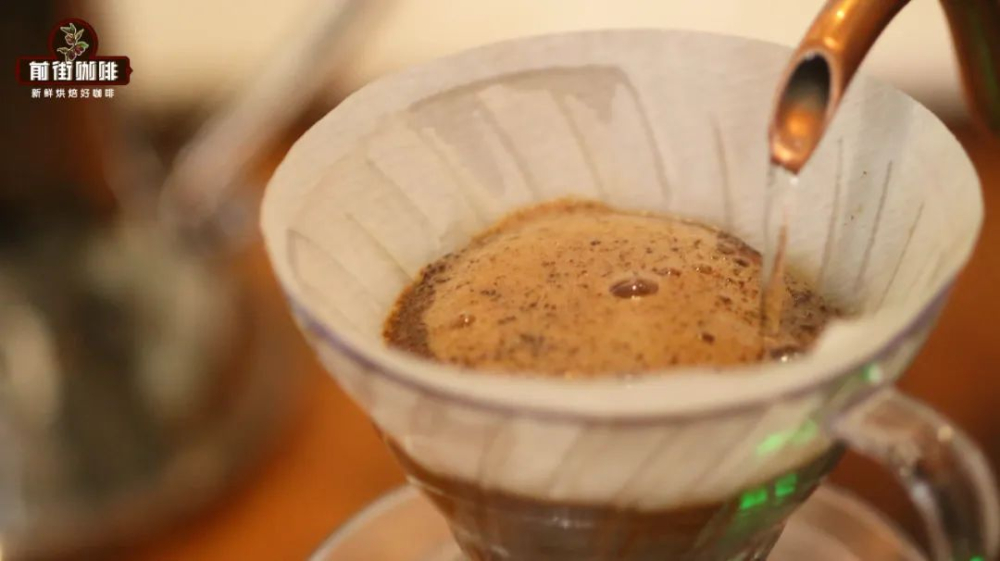
Lastly, while brewing technique is flexible, it is also the hardest to control. Many beginners find that even with identical parameters, coffee brewed by different people can taste vastly different. Therefore, it’s advisable to start with a simple three-pour method to reduce the impact of technique variations. By systematically adjusting these parameters, you’ll gradually master the art of pour over brewing and achieve well-balanced, flavorful coffee.
The above content is compiled by CoffeeHunters, a coffee news website.


