







Introduction:Want to master the essence of pour over coffee? This article breaks down the core parameters and operational details of the three-pour method—from calculating coffee-to-water ratios and understanding the principles of segmented extraction to the actual brewing steps. Learn how to adjust coffee flavor through water temperature, grind size, and pouring rhythm. Includes expert tips and common mistake warnings to help you consistently brew a richly layered black coffee.
The first experience with pour over coffee can be unforgettable—watching the barista circle the water in a specific technique, as amber liquid gradually emerges in the filter, eventually becoming a cup of aromatic black coffee. This brewing method, which releases flavor compounds through the interaction between hot water and the coffee grounds, is the very charm of pour over.
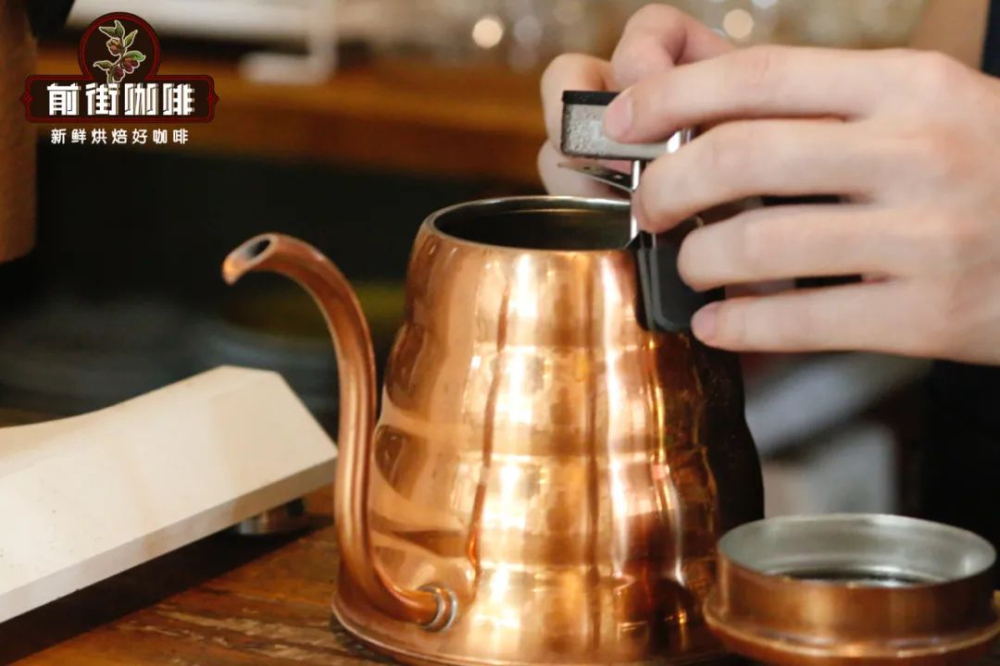
The essence of pour over lies in using hot water to dissolve the aromatic compounds within roasted coffee beans and filtering out the residue with paper to obtain a clean, bright coffee liquid. Throughout the process, every step—from coffee bean selection and grind coarseness to water temperature control—affects the final flavor. Based on practical experience, in addition to high-quality green beans, you’ll need at least the basic tools such as a pour over kettle, V60 filter cone and paper, digital scale, thermometer, and server to execute the brewing process precisely.
The concentration and balance of coffee flavor largely depend on the coffee-to-water ratio. This value refers to the ratio of the weight of coffee grounds to the total volume of water poured, directly influencing the extraction outcome. For example, using 15 grams of coffee with a 1:15 ratio results in a total of 225 milliliters of water. Note: increasing the water volume will lower concentration and flatten the flavor, though a higher extraction yield may bring out excessive bitter substances; conversely, it will be more concentrated but potentially thin. Finding the right coffee-to-water ratio is key to balancing concentration and extraction efficiency.
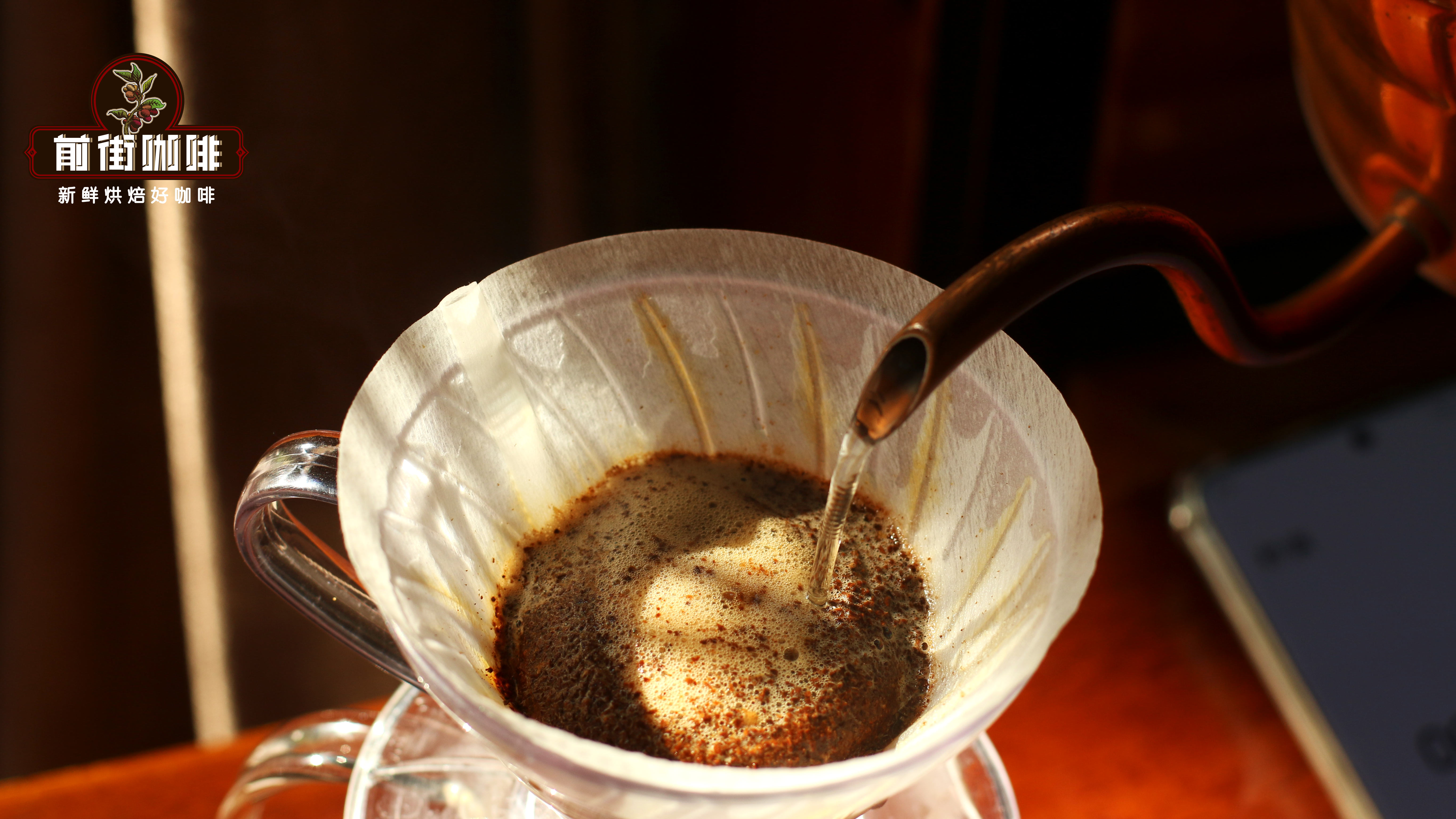
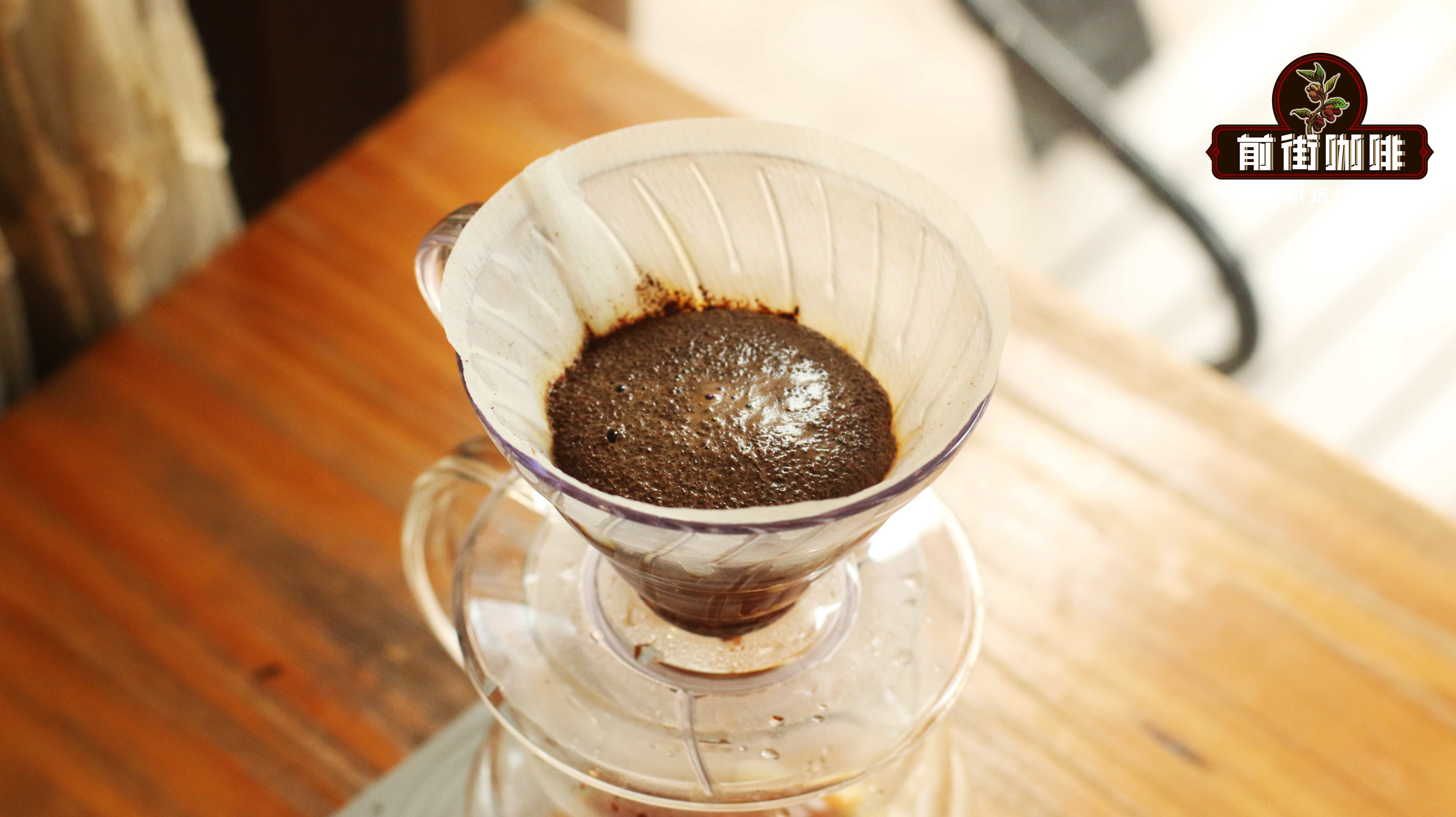
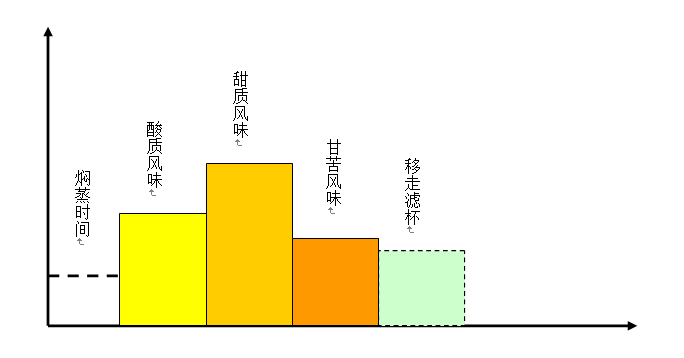
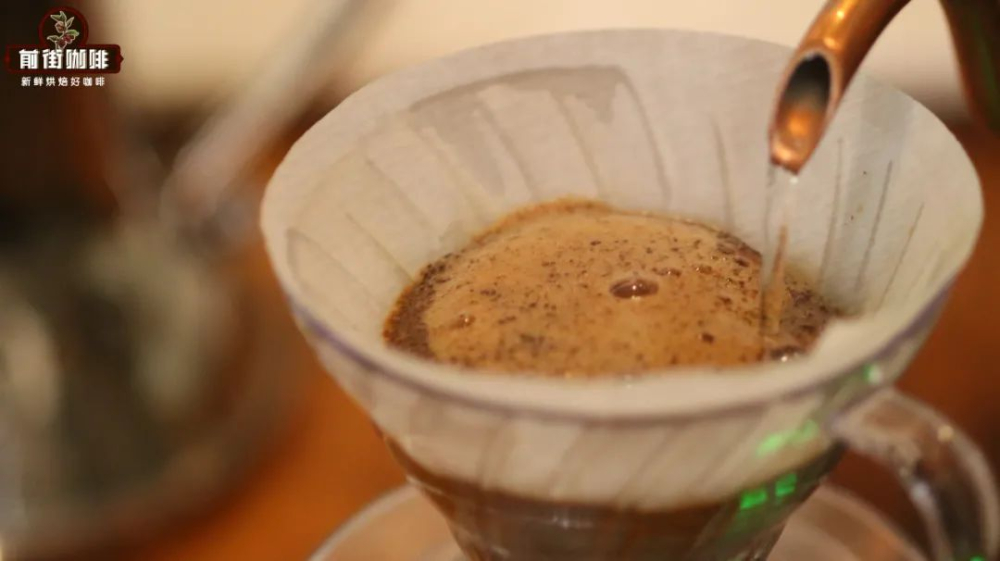
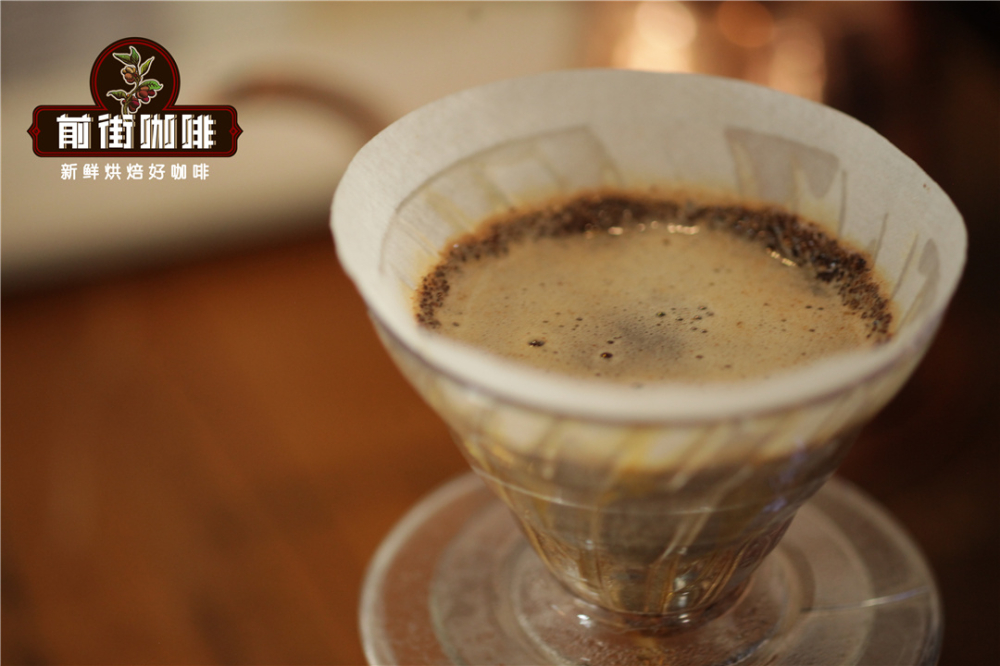
Segmented pouring (such as the three-pour method) is a common technique in professional brewing. It optimizes the extraction sequence of different flavor compounds by controlling water flow and pause times in stages. A typical procedure involves initially pouring a small amount of hot water (usually double the coffee weight, e.g., 30 ml for 15 g) for a 30-second bloom to release CO₂ from the coffee particles and initiate flavor release; subsequent pours are done in segments, with intervals adjusted based on the state of the coffee bed. This method extends the total extraction time, allowing acidic, sweet, and bitter compounds to be extracted more evenly, but be careful not to use too many segments which could lead to over-extraction.
For beginners, we recommend the stable and easy-to-control three-pour method. Taking 15 grams of coffee and a 1:15 ratio (total water 225 ml) as an example, the three pours can be allocated as 30 ml (bloom), 95 ml (second pour), and 100 ml (third pour), with the corresponding weight shown on the scale being 30 g, 125 g, and 225 g. This allocation balances flavor complexity and ease of operation, suitable for most medium to light roasted beans.
During practice, it’s recommended to use a medium-fine grind (approximately 78% passing rate through a Chinese standard No. 20 sieve, similar in coarseness to fine sugar). Too coarse leads to under-extraction and weak flavor, while too fine may release bitter and astringent compounds at high temperatures. For example, washed Yirgacheffe, with its light roast characteristics, requires 92–93°C water to highlight floral and citrus notes, complemented by the V60 filter cone’s spiral ridges that aid in gas release and the volatilization of acidic aromas.
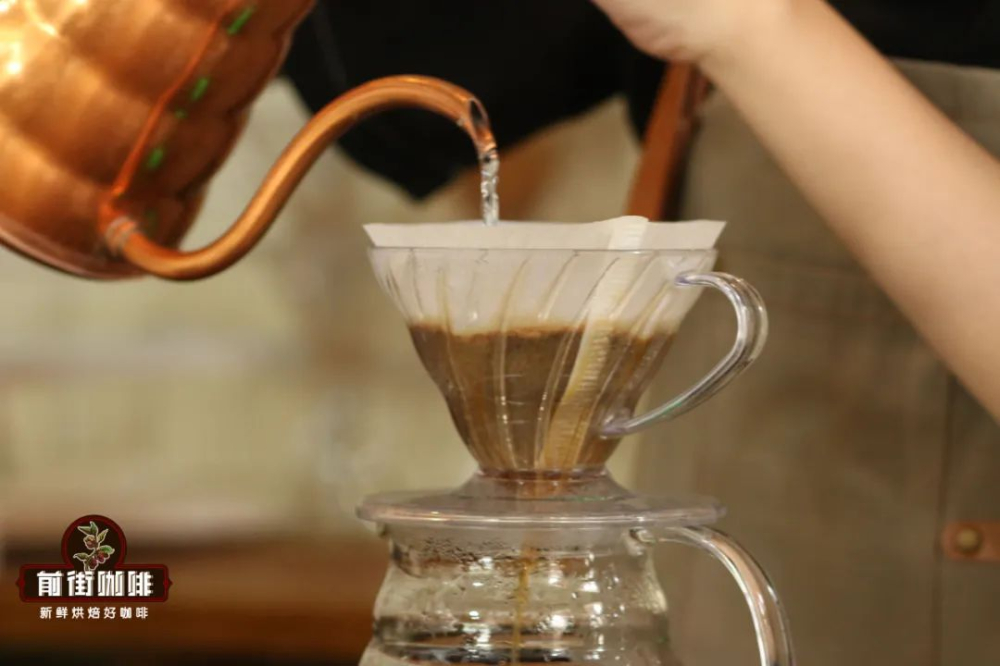
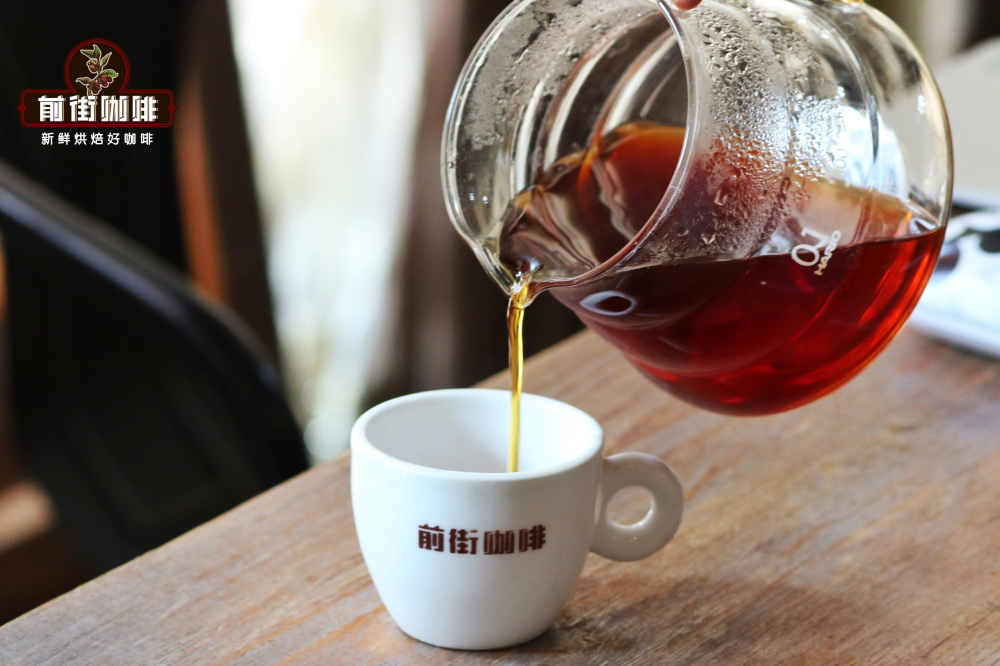
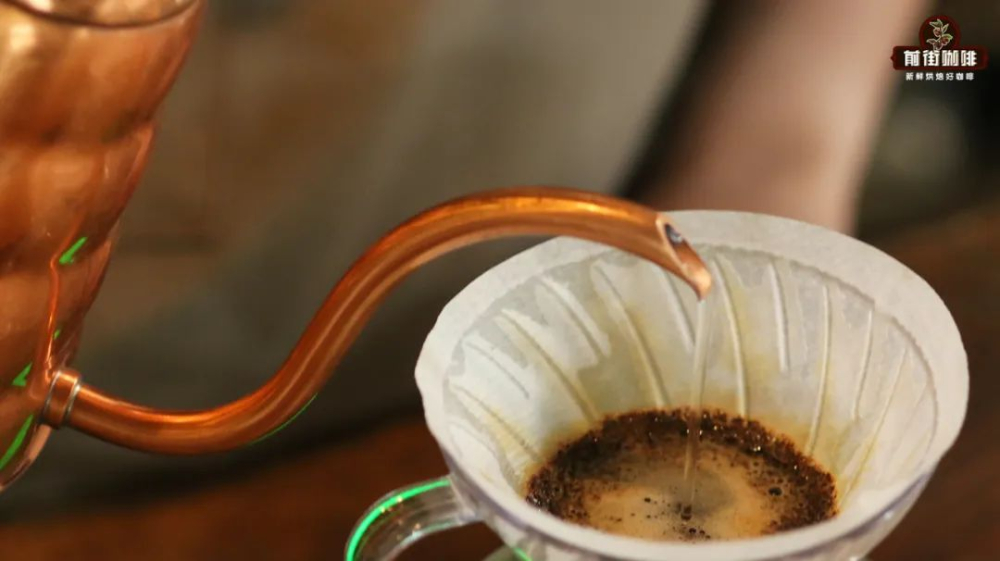
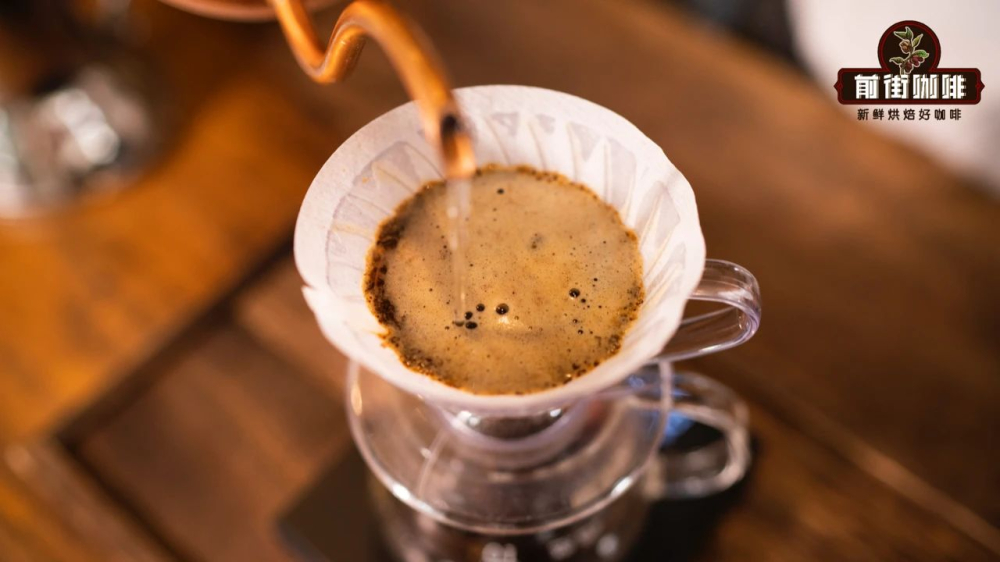
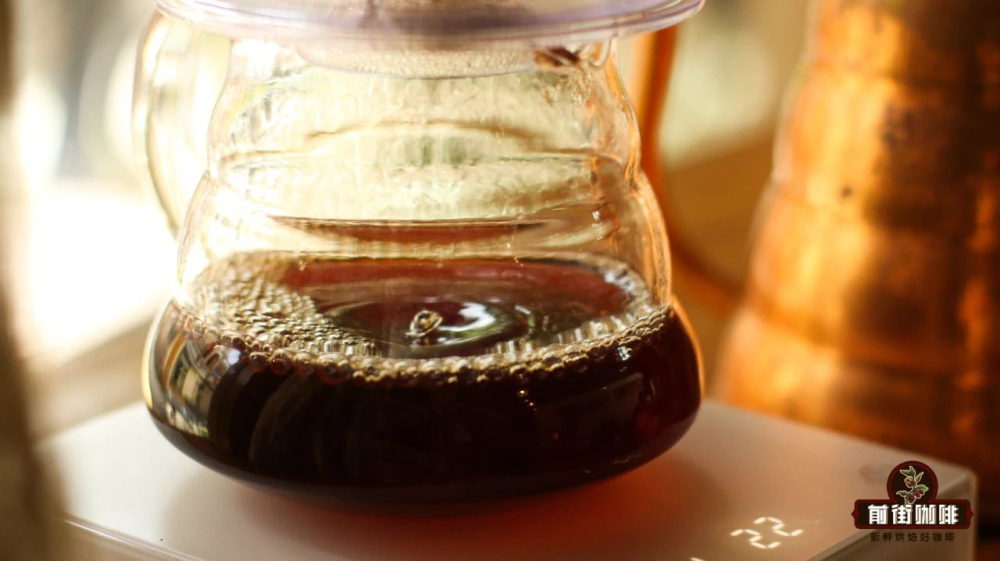
The specific steps are as follows:First, wet the filter paper and attach it snugly to the filter cone, then add 15 grams of ground coffee and reset the digital scale to zero.In the first stage, pour 30 ml of water for the bloom, using a gentle stream in a circular motion from the center outward, ensuring the entire coffee bed is saturated, while starting the timer; after 30 seconds,pour the second stage water of 95 ml with a more steady stream, pouring vertically and evenly to lift the coffee bed, reaching a cumulative volume of about 125 ml around 55 seconds;once the liquid level drops to about half, switch to a small stream and pour the final 100 ml in small circles, controlling the flow to avoid disrupting the coffee bed structure, with a total dripping time of about 2 minutes. After completion, gently shake the server to even out the coffee liquid before tasting.
Please note, the above parameters are for reference only. In practice, adjust according to the freshness of the coffee beans, origin characteristics, and personal taste preferences. For example, for a richer taste, try a 1:15 ratio; for clearer floral and fruity notes, experiment with 1:16. The water volume and timing for each segment in the three-pour method aren’t absolute—over time, you can gradually develop your own customized brewing approach.
The key to mastering the three-pour pour over method lies in understanding the synergy between coffee-to-water ratio, water temperature, grind size, and pouring rhythm. Through continuous practice and observation, you’ll be able to consistently present the diverse flavor layers of coffee, progressing from beginner to advanced.
The above content is compiled by CoffeeHunters, a coffee news website.


