







Introduction:Want to master the essence of pour over coffee? From equipment selection to the three-pour technique, this article details the must-learn 1:15 coffee-to-water ratio, optimal extraction water temperature, and practical parameters for Geisha coffee for beginners. Master these key techniques to easily brew coffee with rich layered flavors.
The charm of pour over coffee lies in bringing out the purest flavor layers of coffee beans through precise control of water flow and time. However, many beginners often experience uneven extraction due to improper equipment pairing or incorrect parameters. This article will systematically explain the basic equipment setup, the logic behind the three-pour method, and the three core elements that influence flavor—Coffee-to-water ratio 1:15,Water temperature controlandGrind size selection.
Basic Equipment Checklistshould include: freshly roasted coffee beans (recommended to use within 5–30 days after roasting), filter cone and paper, digital scale (accurate to 0.1g), thermometer, gooseneck kettle with a fine spout, and V60 filter cone (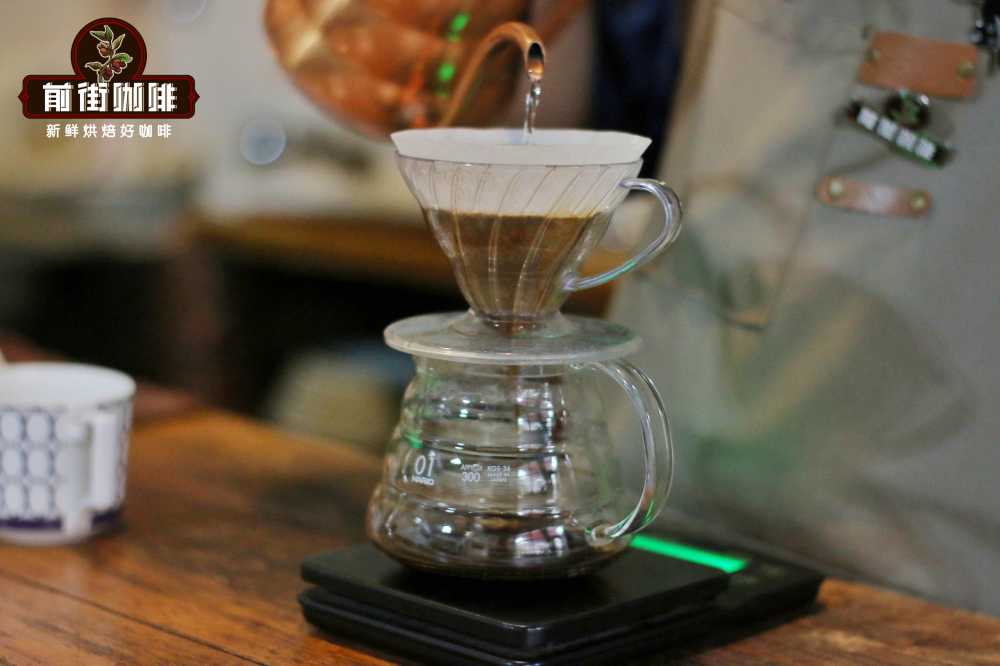 ). Beginners are advised to prioritize the V60, whose spiral groove design can effectively regulate flow rate, paired with a heat-resistant glass server (
 ) for safety. Special attention should be paid to water selection—filtered water or spring water is best, avoid purified water (lacking minerals) or hard water (which can extract bitter and astringent flavors,
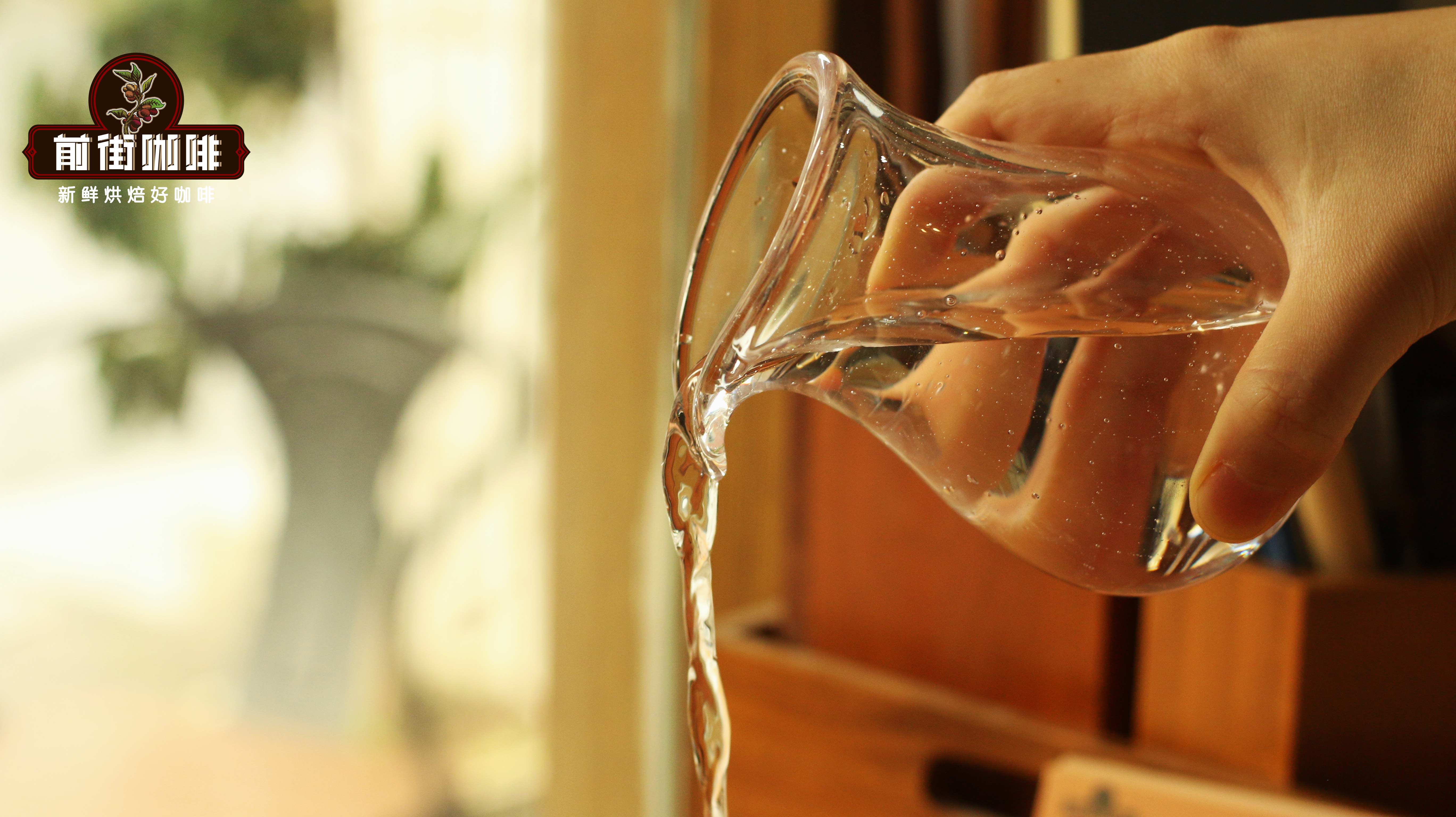 ).
Grind size and roast level matchingdirectly affects extraction efficiency. For medium-light to medium roast beans (such as Ethiopian Yirgacheffe), it’s recommended to use a medium-fine grind with a 75–80% passing rate through a #20 Chinese sieve (particles similar to fine sugar,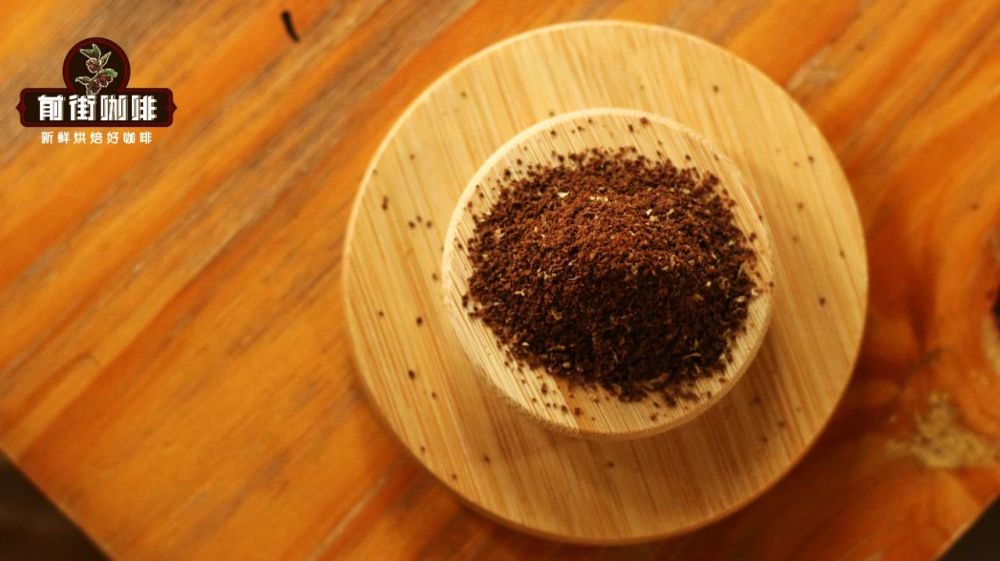 ); for medium-dark to dark roast beans (such as Mandheling), adjust to a medium-coarse grind with a 65–70% passing rate (close to white sugar particles). Too fine a grind can cause channeling, while too coarse leads to under-extraction.
Practical Process of the Three-Pour Method(Example using 15g of coffee beans):
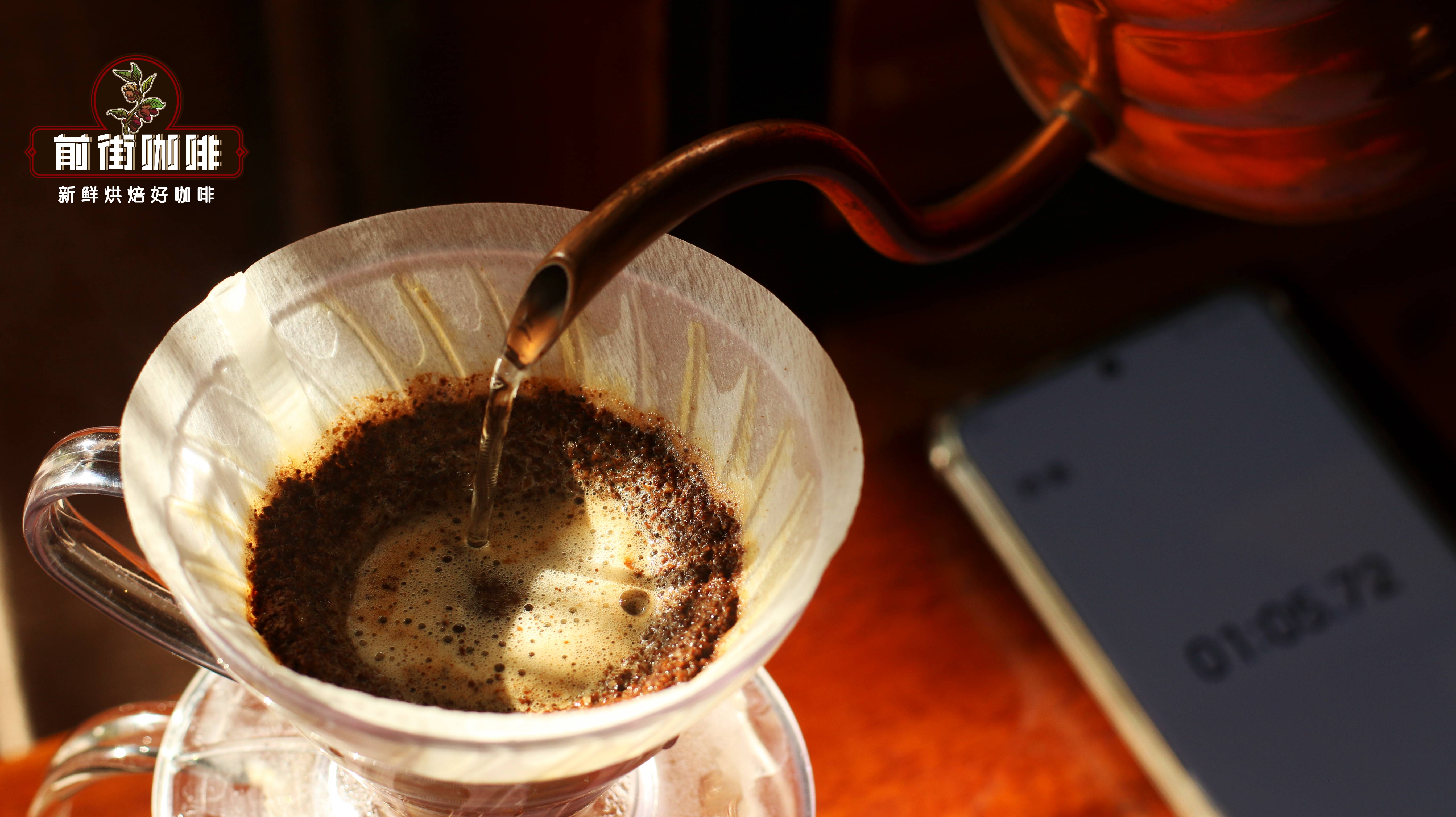
1. Bloom Stage: Pour 30g of hot water (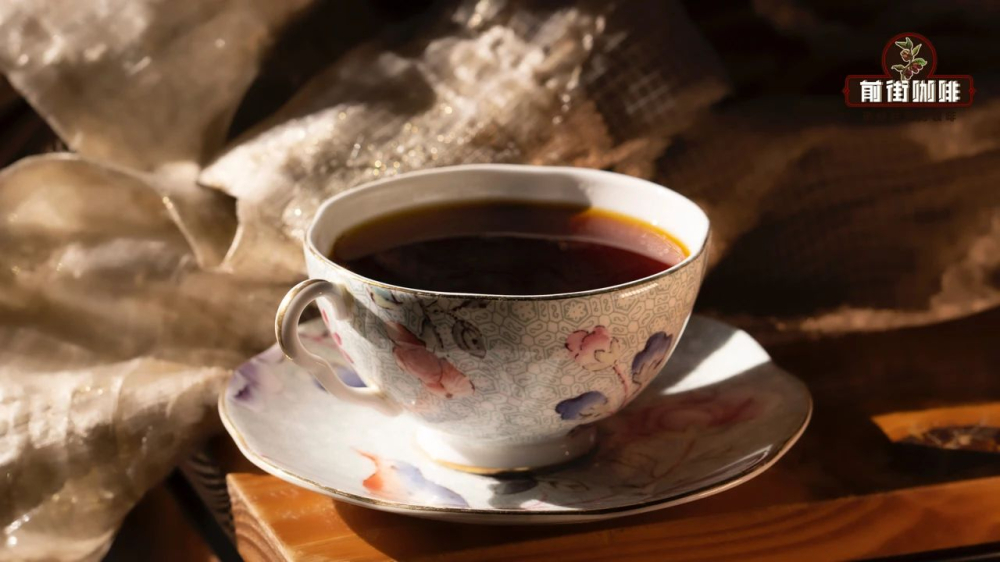 ), ensuring the water fully saturates the coffee bed and let it sit for 30 seconds to activate aroma (starting point of total timing);
2. First Pour: Pour with medium flow until reaching 125g (cumulative 155g), pausing about 10 seconds to encourage even expansion;
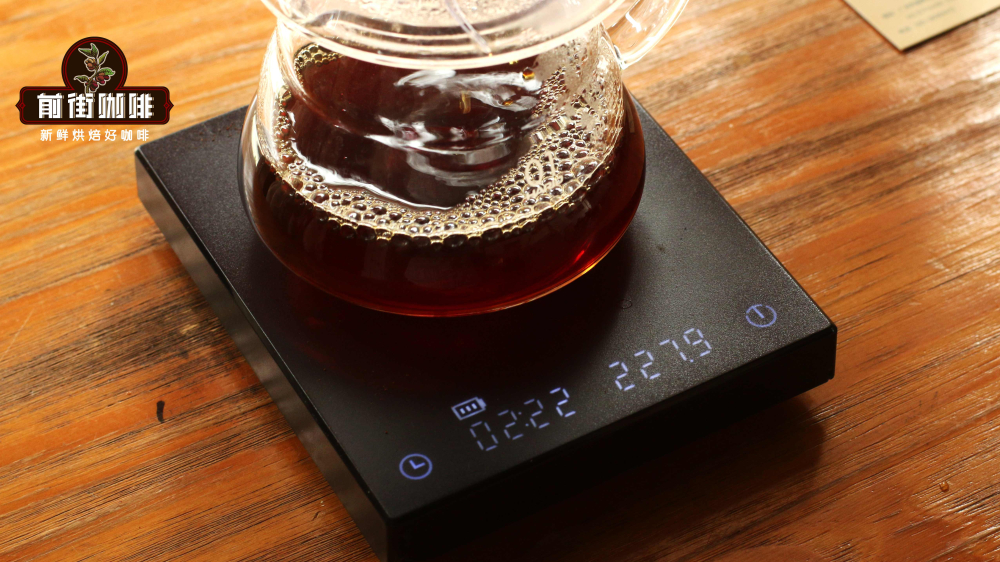
3. Second Pour: Switch to a small stream, pouring in circles to add the remaining 70g (final total 225g), focusing on maintaining bed stability to avoid collapse. Complete the entire process within 2 minutes 05 seconds to 2 minutes 30 seconds (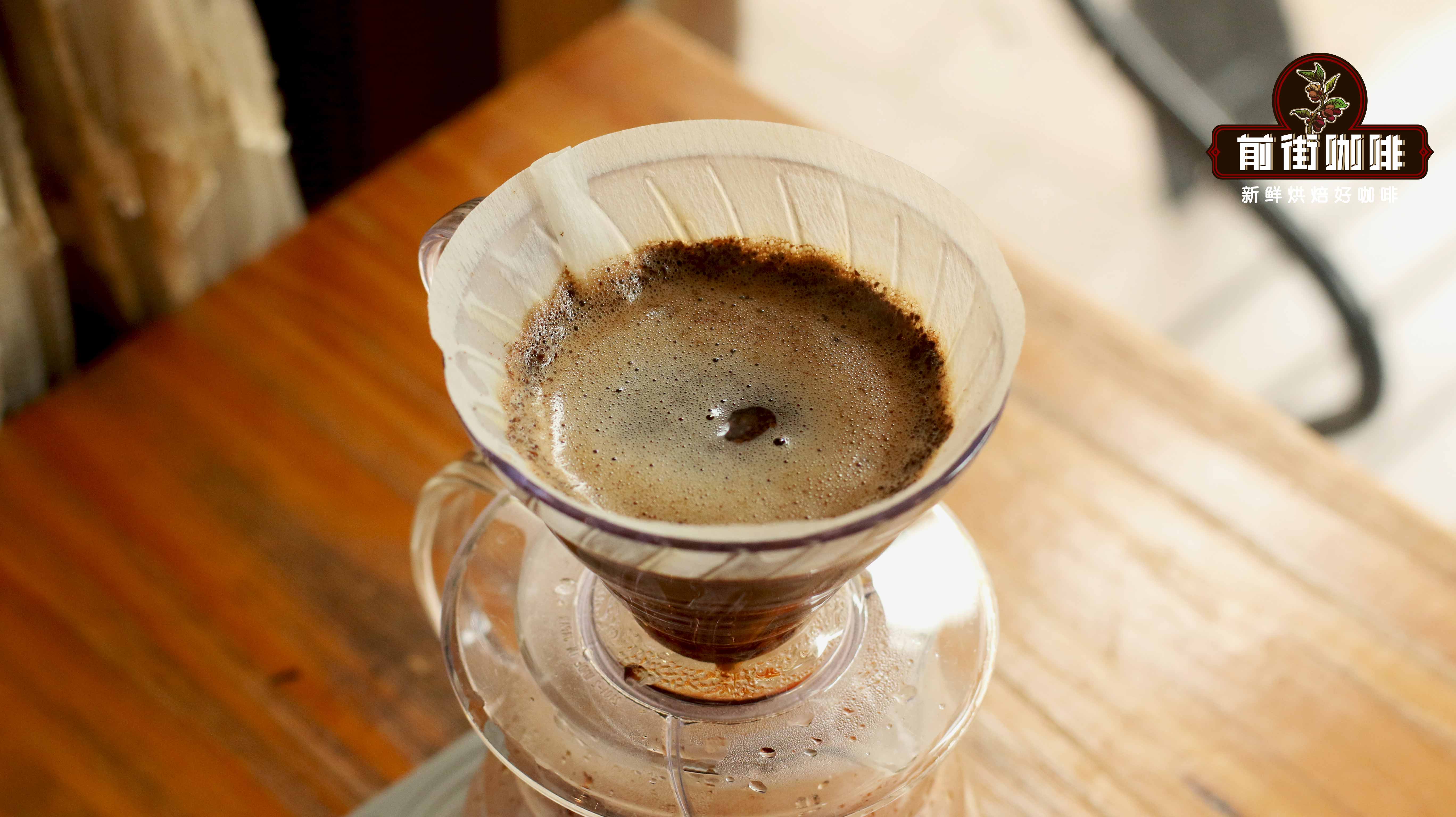 ).
Key Parameters Reference Table:
- Medium-light Roast: Water temperature 90–92°C, coffee-to-water ratio 1:15, grind size #20 sieve 80% passing rate
- Medium-dark Roast: Water temperature 87–89°C, coffee-to-water ratio 1:15, grind size #20 sieve 70% passing rate
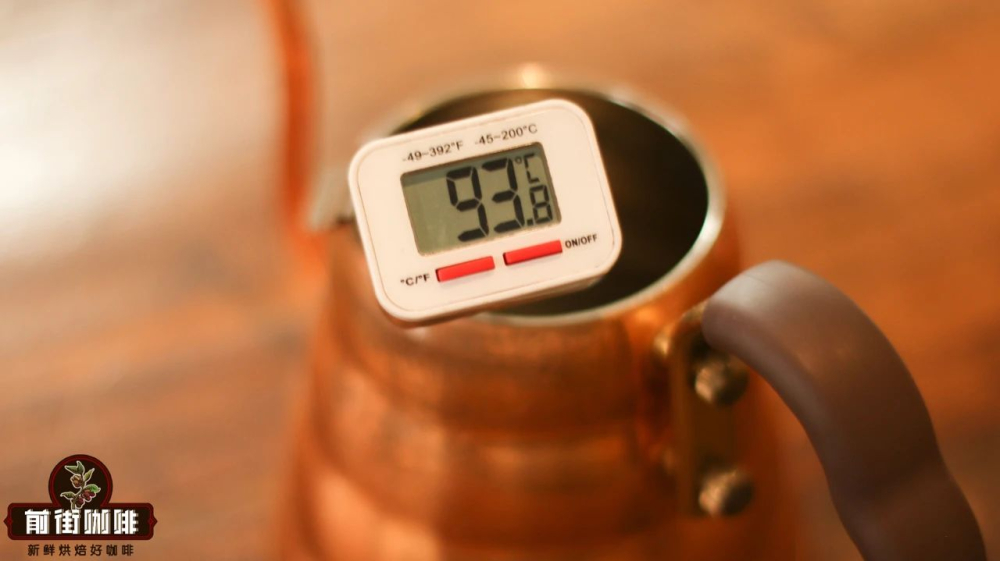
Special Reminder: High-acidity varieties such as Geisha are recommended to use high temperatures of 91–92°C (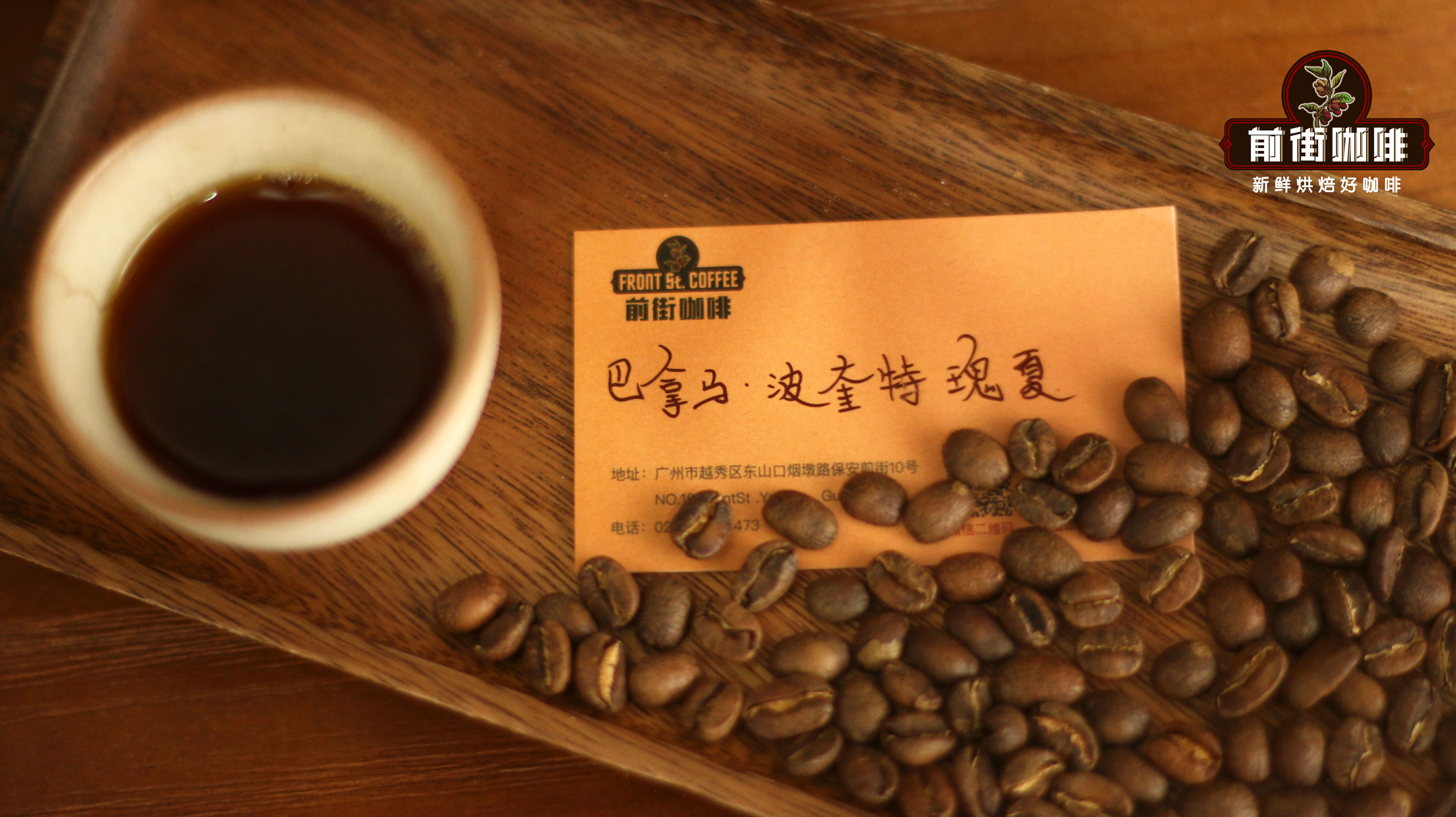 ), paired with fine-sugar level grind (80% passing rate) to highlight citrus notes.
Common Mistakes to Avoid:
× Pouring continuously at the center of the coffee grounds (can lead to localized over-extraction)
× Starting the first pour without allowing the coffee bed to fully bloom (causes aroma loss)
× Using cold water or water with a large temperature difference (affects temperature stability)
× Ignoring filter paper treatment (it’s recommended to rinse the filter cone with hot water first to remove paper taste, ).
Taking Panamanian Boquete washed Geisha as an example (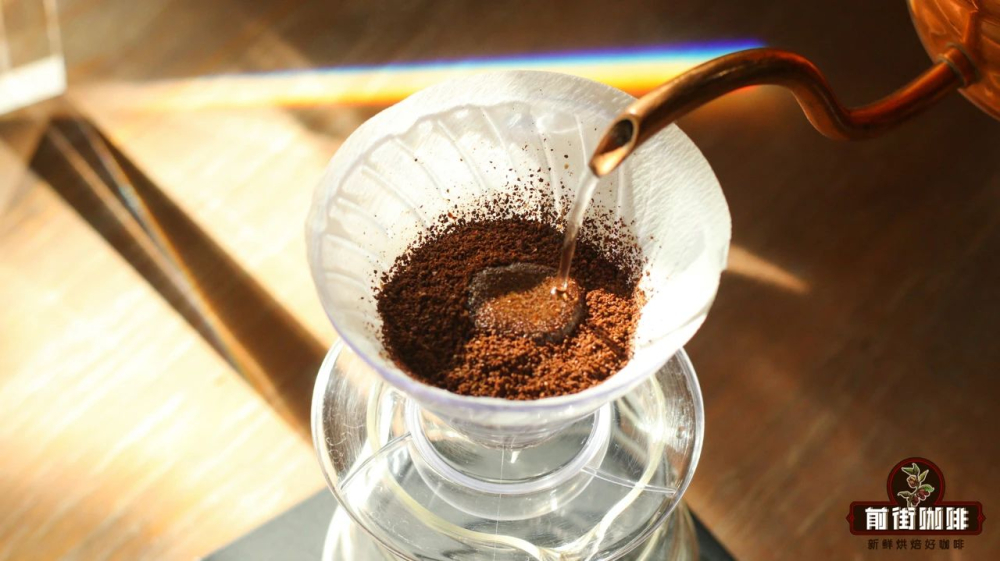 ), when the three-pour method is correctly executed, the coffee liquid will exhibit distinct layered flavors: the initial stage releases white jasmine floral notes and lemon acidity, the middle transitions into bright citrus tones and caramel sweetness, and the finish reveals bergamot and green-tea-like refreshing aftertaste. Remember, stable technique is more important than blindly chasing parameters—by practicing water control repeatedly, you’ll be able to brew your own perfect pour over coffee.
The above content is compiled by CoffeeHunters, a coffee news website.


