







Introduction:Want to brew a pour over coffee with distinct layers and balanced flavors? This article delves into the core parameters of pour over brewing—including coffee-to-water ratio, water temperature, extraction time, and pulse pouring techniques. With practical data and detailed steps, it will help you master the golden ratio and craft your own perfect extraction method.
The charm of pour over coffee lies in the ability to control each stage of extraction by fine-tuning subtle parameters, thereby highlighting the most captivating flavor characteristics of the coffee beans. Among these,Coffee-to-Water Ratiois one of the most critical factors, influencing not only the strength of the coffee but also directly determining the clarity and complexity of its flavors.
What is Coffee-to-Water Ratio?
Simply put, the coffee-to-water ratio refers to the proportion of coffee grounds to the total volume of water used. For example, the common ratio of 1:15 means using 15 milliliters of water for every 1 gram of coffee. This ratio affects not only the coffee’s concentration but also its extraction yield—the percentage of soluble flavor compounds released from the coffee grounds. The right balance ensures the coffee isn’t too weak or overly bitter from over-extraction.
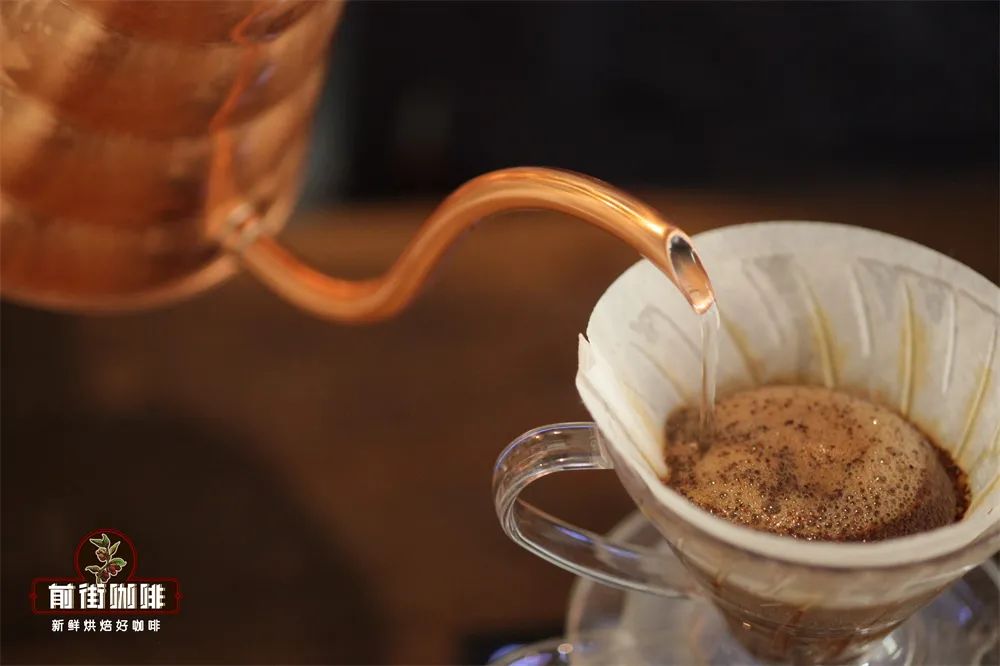
If you increase the water volume while keeping other conditions constant, the coffee becomes weaker, with flavors becoming dull and disjointed. Conversely, too little water results in high concentration, where flavors may be intense but prone to over-extraction, leading to unpleasant bitterness.Practical experience from specialty shops suggeststhat using 15 grams of coffee with 225 milliliters of hot water (a 1:15 ratio) for a single cup is a stable and beginner-friendly starting point.
How to Find Your Ideal Coffee-to-Water Ratio?
There’s no absolute standard for the coffee-to-water ratio—it largely depends on personal experience and taste preferences. For instance, to highlight the balanced profile of Jamaican Blue Mountain, some shops use a 1:15 ratio. For brighter beans like the Red Label Natural from El Paraiso Estate, a 1:16 ratio might be preferred to enhance acidity and aroma.
For beginners learning pour over, it’s recommended to start withinthe range of 1:15 to 1:18—that is, 15 grams of coffee with 225 to 270 milliliters of water—and adjust gradually based on actual flavor results.
However, the coffee-to-water ratio is just one of many factors affecting coffee flavor. Water temperature, grind size, pouring technique, filter design, and brew time also significantly influence the final taste and aroma. Therefore, it’s best to adjust the ratio and temperature incrementally while keeping other variables constant to find the combination that suits your palate.
Why Use Pulse Pouring?
Many baristas use pulse pouring instead of pouring all the water at once. This technique, known as "pulse extraction," allows for more precise control over extraction efficiency and flavor release at each stage.
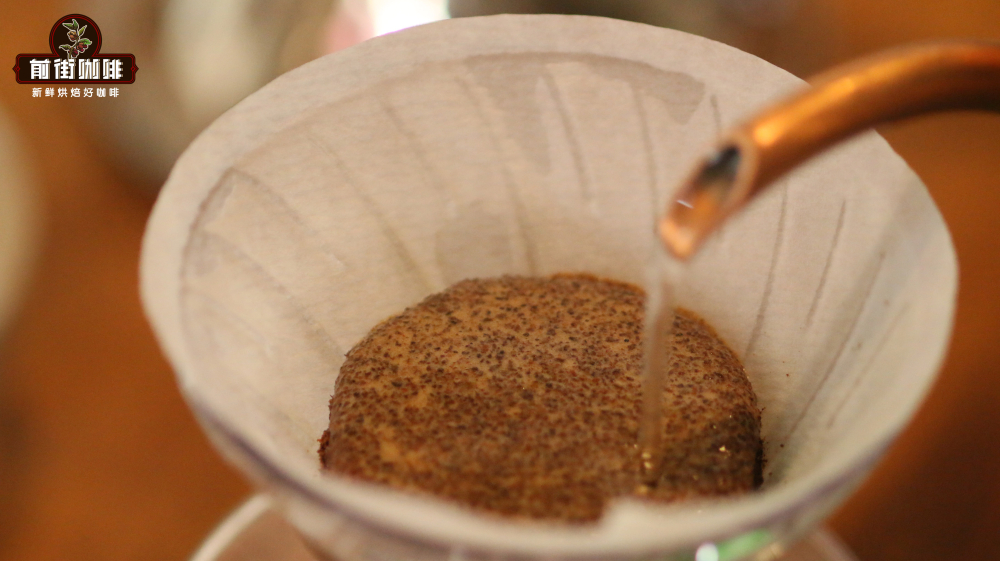
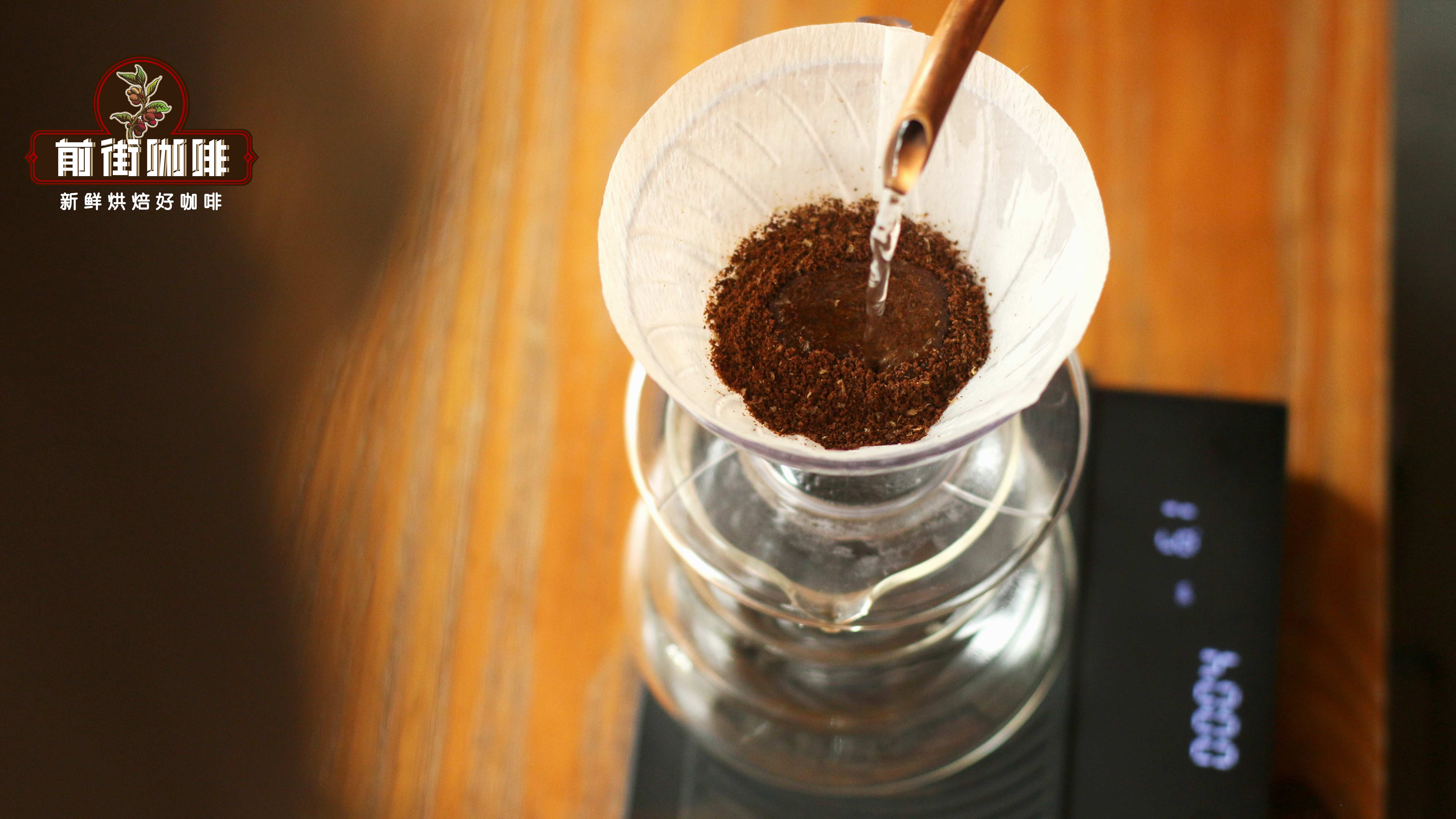
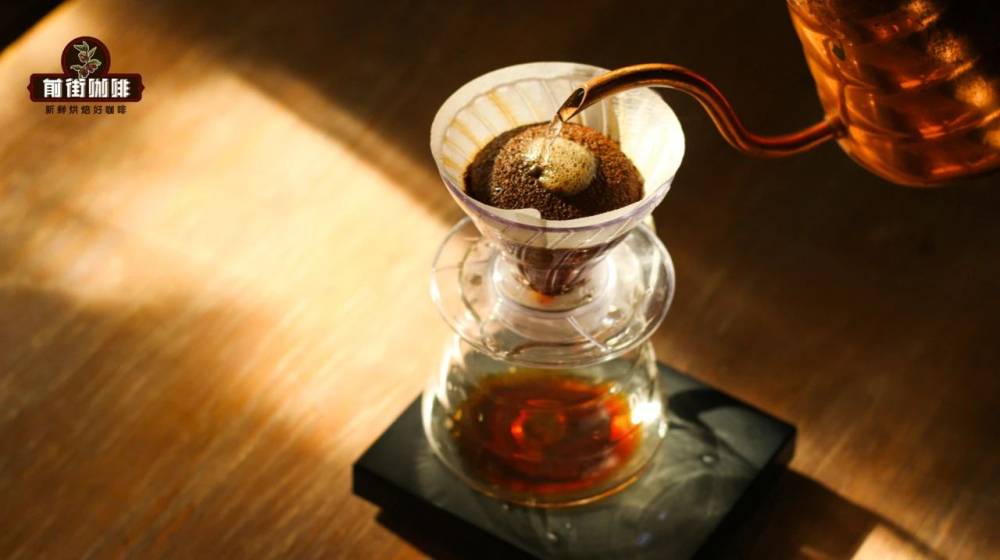
The first step in pour over is usuallybloom—pouring a small amount of hot water (about twice the coffee weight, e.g., 30 milliliters for 15 grams of coffee) and letting it sit for around 30 seconds. This helps release CO₂ from the coffee grounds, preparing them for better extraction. This step enhances aroma and ensures more even water flow through the coffee bed.
The number of “pulses” refers to how many times water is added after the bloom. For example, adding water in two pulses after blooming makes it a three-stage extraction. More stages mean smaller water amounts per pour, which helps stir the coffee bed more gently and improves extraction uniformity. However, it may also extend total brew time and increase the risk of over-extraction.
It’s recommended that beginners start with a three-stage pour.
The three-stage extraction methodis a balanced and easy-to-manage choice. For example, with 15 grams of coffee and a 1:15 ratio (225 milliliters total), you can pour in three stages: 30 milliliters (bloom), 95 milliliters, and 100 milliliters. This approach provides stable and controllable results.
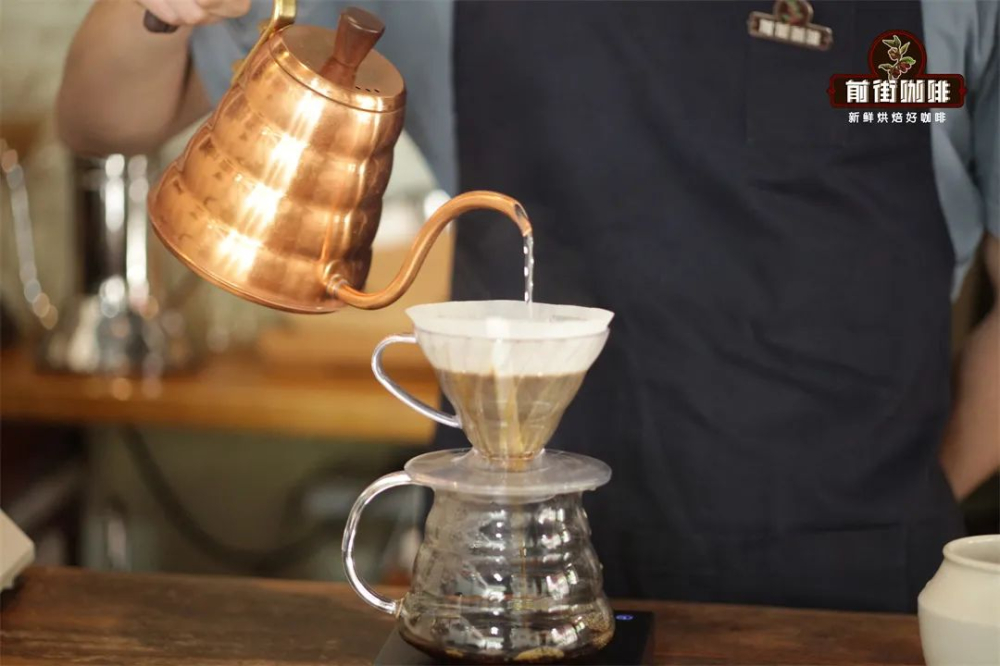
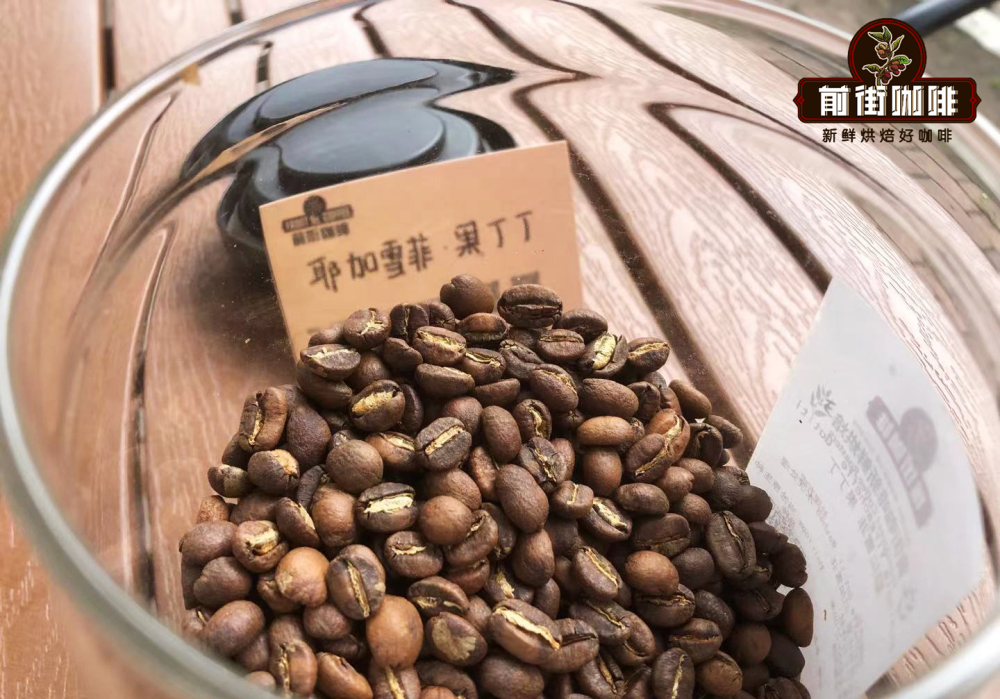
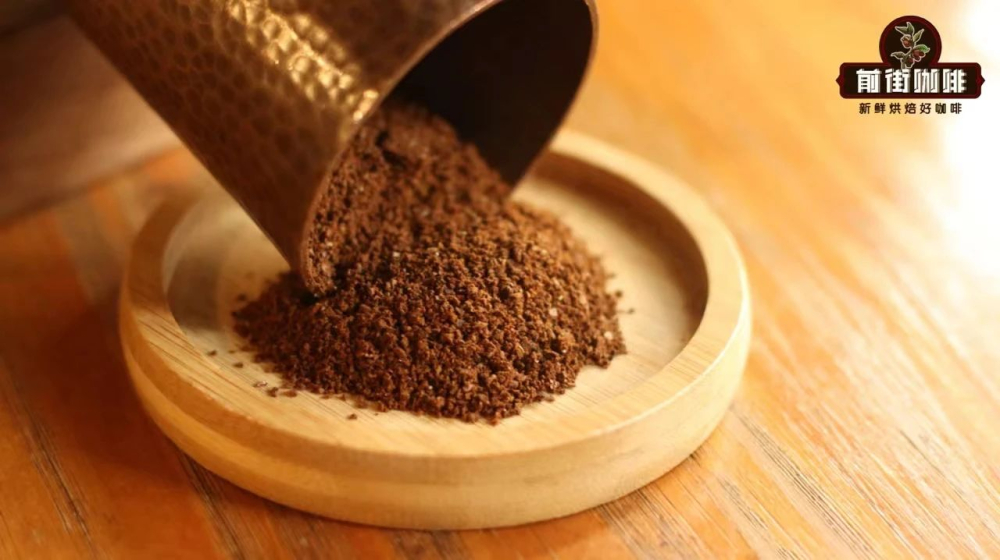
For instance, using a Hario V60 filter with washed Yirgacheffe beans and a medium-fine grind (around 78% passing through a 20-mesh sieve, similar to coarse sugar), you can effectively highlight floral, fruity, and sweet notes. In this case, aim for a water temperature of 92°C–93°C to bring out the bright acidity and complexity typical of light roasts.
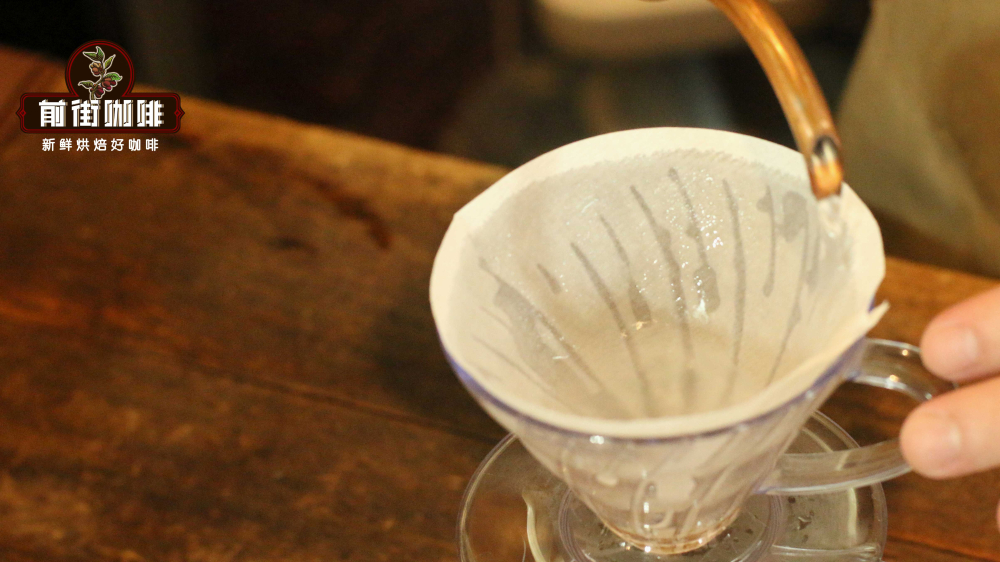
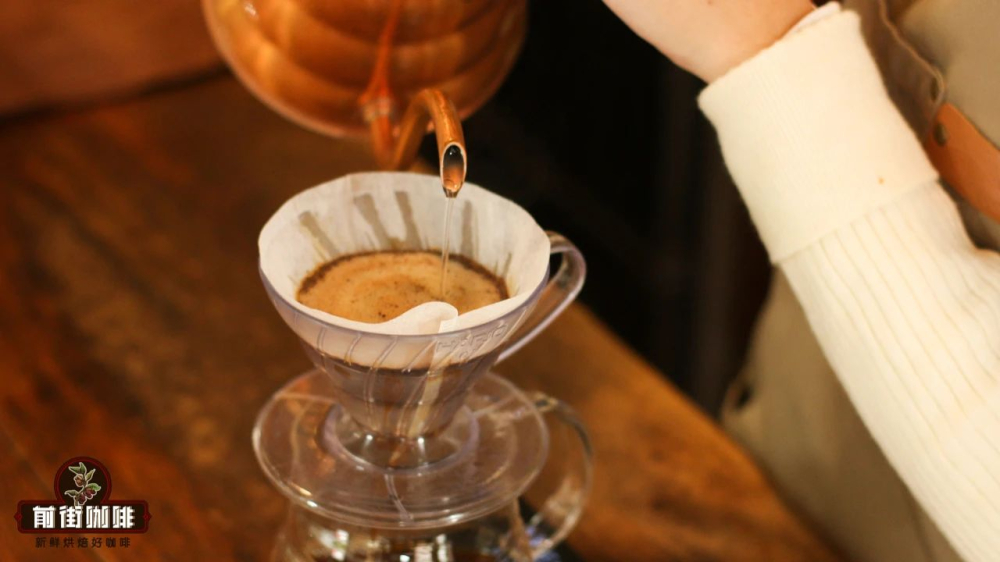
In terms of workflow, first rinse the filter paper with hot water and place the ground coffee in the filter, taring the scale. Start with a 30-gram bloom for 30 seconds, then pour the second 95-gram pulse with slightly more water flow. When the water level drops halfway, switch to a slower pour for the final 100-gram pulse. Keep the total drip time around 2 minutes to achieve a well-balanced pour over coffee.

Keep in mind that each coffee bean has unique characteristics, so the optimal coffee-to-water ratio, temperature, and pouring method may vary. Start with basic parameters, then refine your approach through repeated experimentation and tasting notes to develop an extraction strategy that best showcases your beans’ potential.
The above content is compiled by CoffeeHunters, a coffee news website.


