







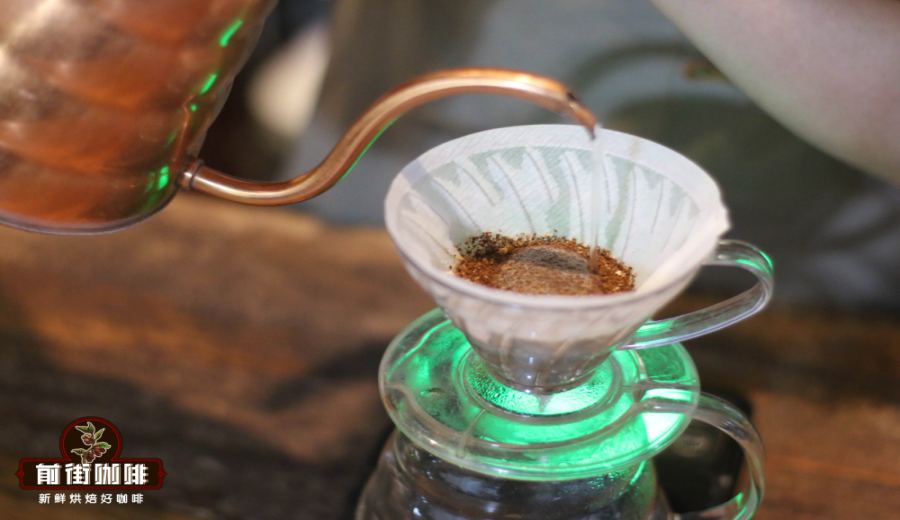
Introduction:Want to brew a professional-level pour over coffee easily at home? This article details the six key factors that influence coffee flavor, from selecting basic equipment to adjusting brewing parameters. Specifically designed for beginners, it not only introduces key tools such as filter cones and grinders, but also provides practical tips on temperature control, grind size settings, and more — helping you easily master the golden ratio of water temperature, coffee-to-water ratio, and brewing time.
The unique charm of pour over coffee lies in its ability to showcase the rich layers of coffee beans using just hot water and a filter cone. This brewing method, originating from Japan, precisely controls water flow speed and contact time, allowing each coffee cell to evenly release its essence. Unlike machine extraction's fixed patterns, the pour over process offers plenty of room for personal expression. Even with the same coffee bean variety, different techniques can yield distinctly varied flavor profiles.
[Basic Equipment Checklist]
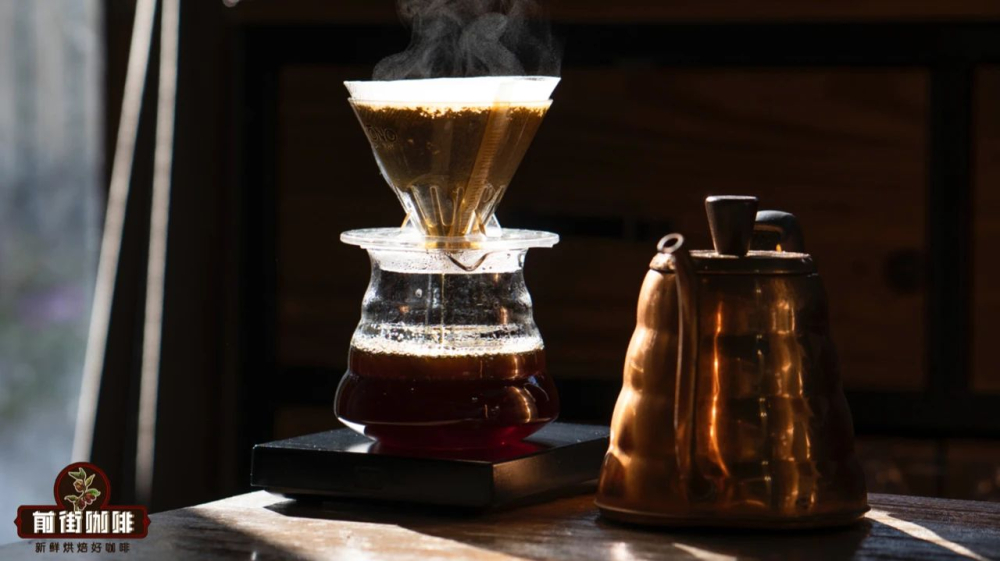
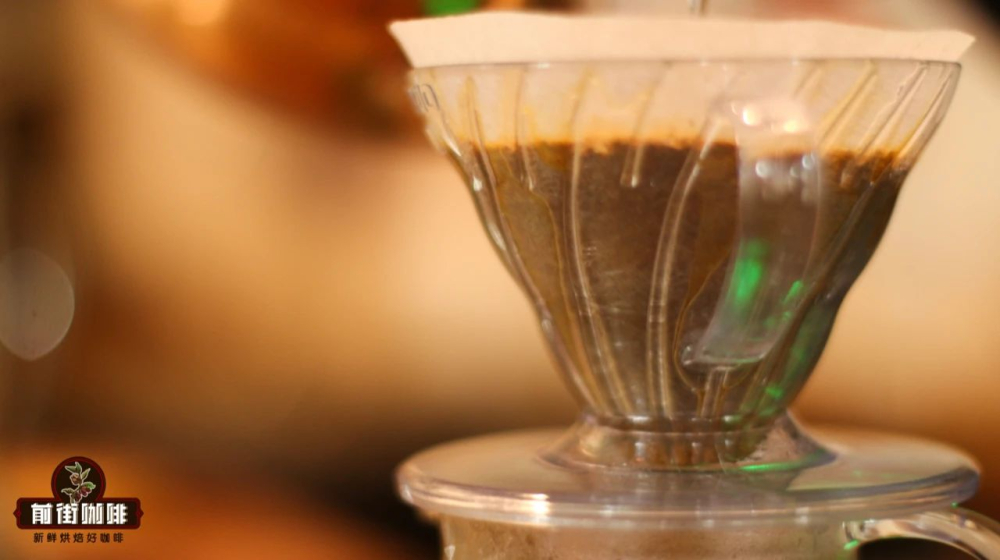
The choice of pour over kettle directly affects pouring stability.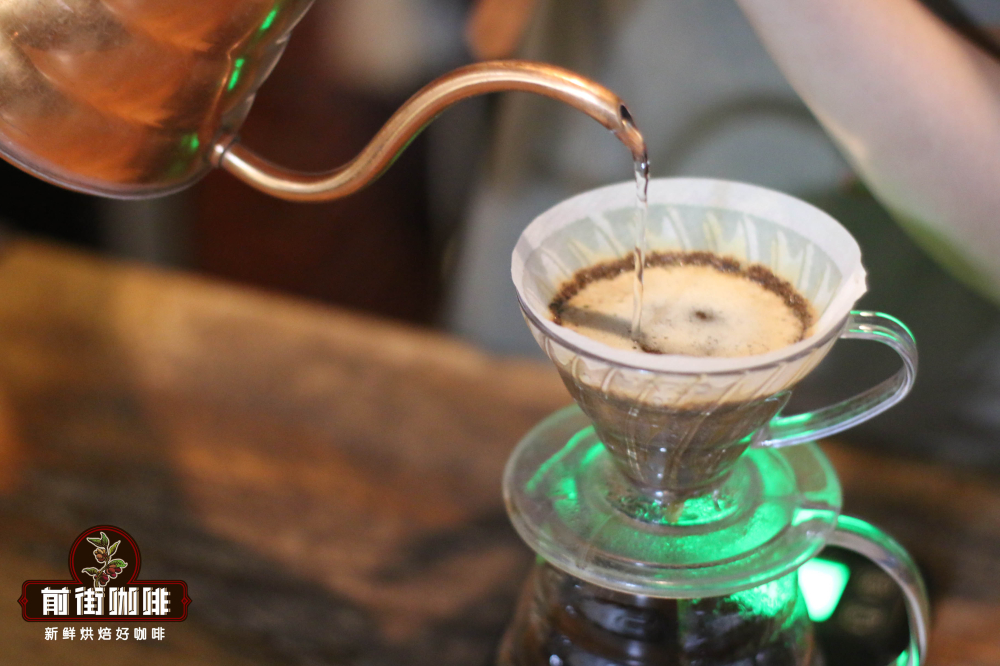 It is recommended that beginners prioritize kettles with a slender gooseneck spout design, as such kettles allow for precise control over water flow direction and speed. There are various types of filter cones; common ones include the V-shaped Hario V60, which has a slower flow rate and is suitable for emphasizing a rich mouthfeel, and the conical Kalita Wave, which features a flat bottom and delivers a more balanced flavor profile.
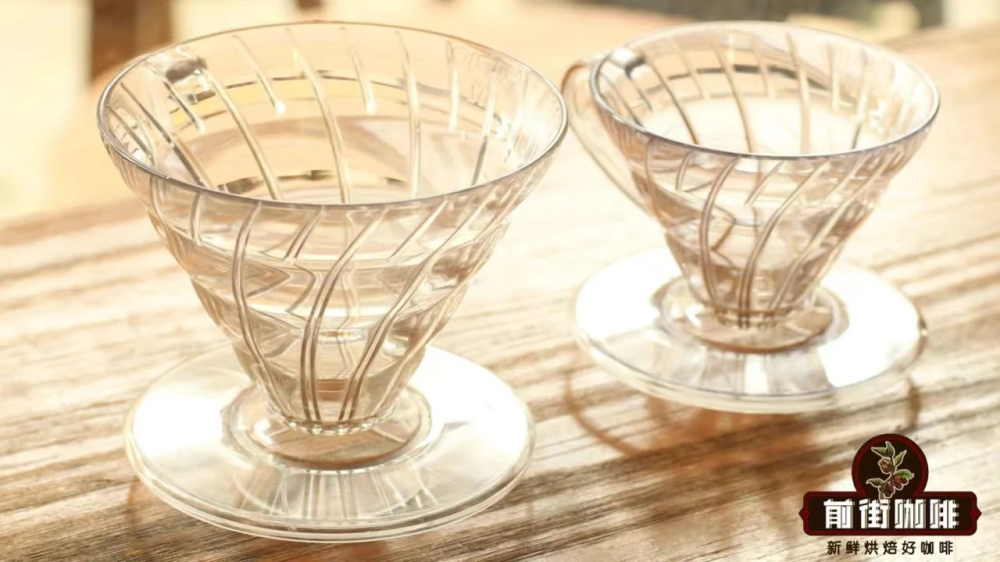 A special reminder: while metal filters retain more coffee oils, they offer relatively poorer fine particle filtration, so choose based on personal preference.
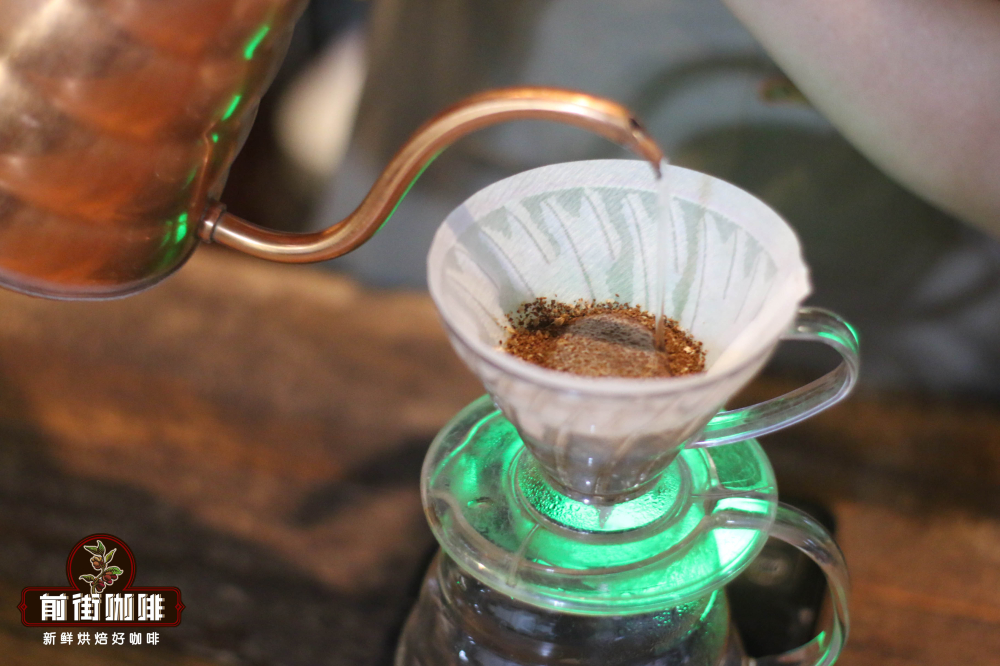
[Grind Size & Water Quality Essentials]
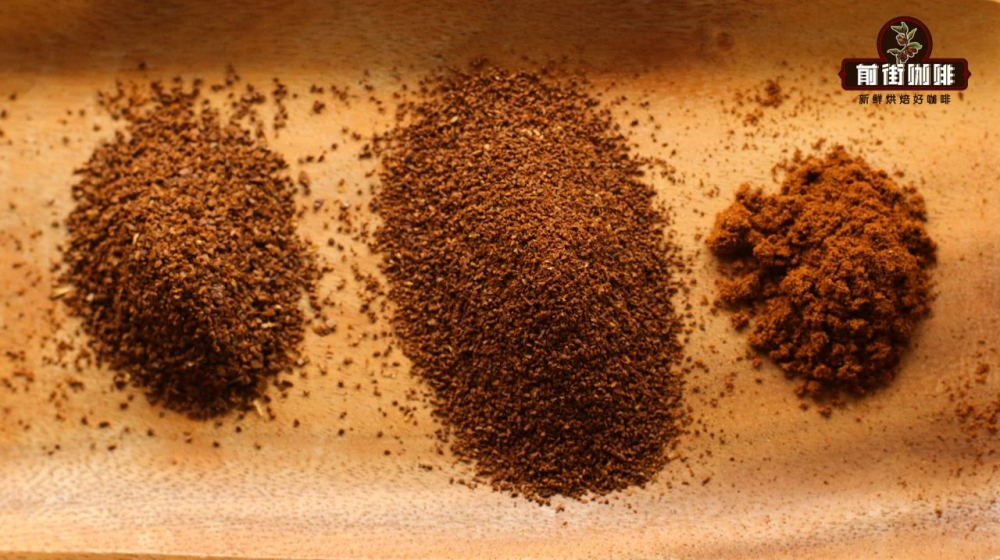
The grind size of coffee powder directly affects extraction efficiency. For light to medium roasts, it is recommended to use medium-fine grounds with a 75–80% sieving rate through a Chinese standard No. 20 sieve (particles similar to coarse sugar), while medium to dark roasts suit medium-coarse grounds with a 65–70% sieving rate.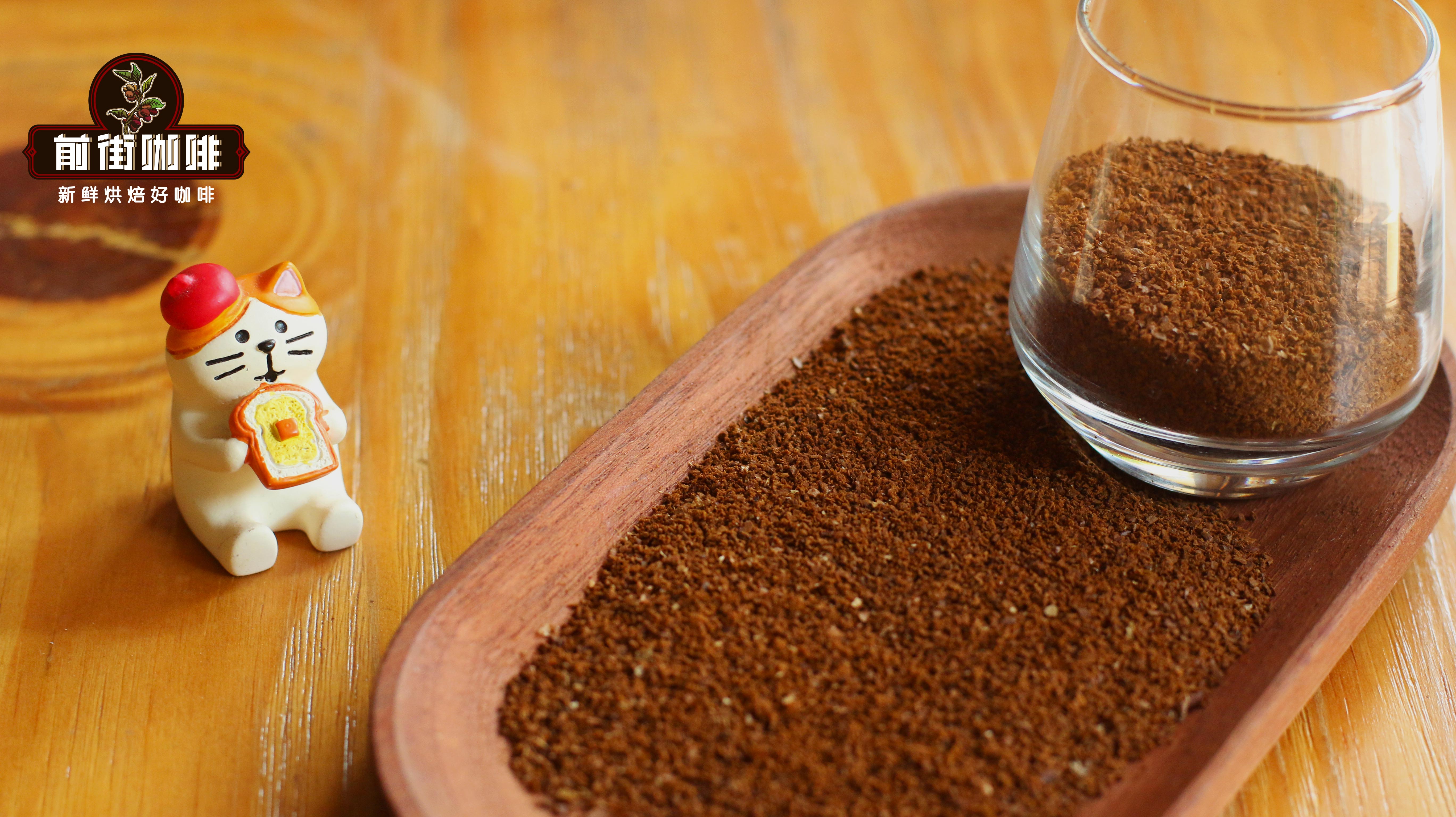 Freshly ground coffee powder retains aroma to the greatest extent, but it should be used within 15 minutes after grinding. For water quality, it is recommended to use filtered or mineral water to avoid impurities affecting flavor.
[The Three-Phase Extraction Principle]
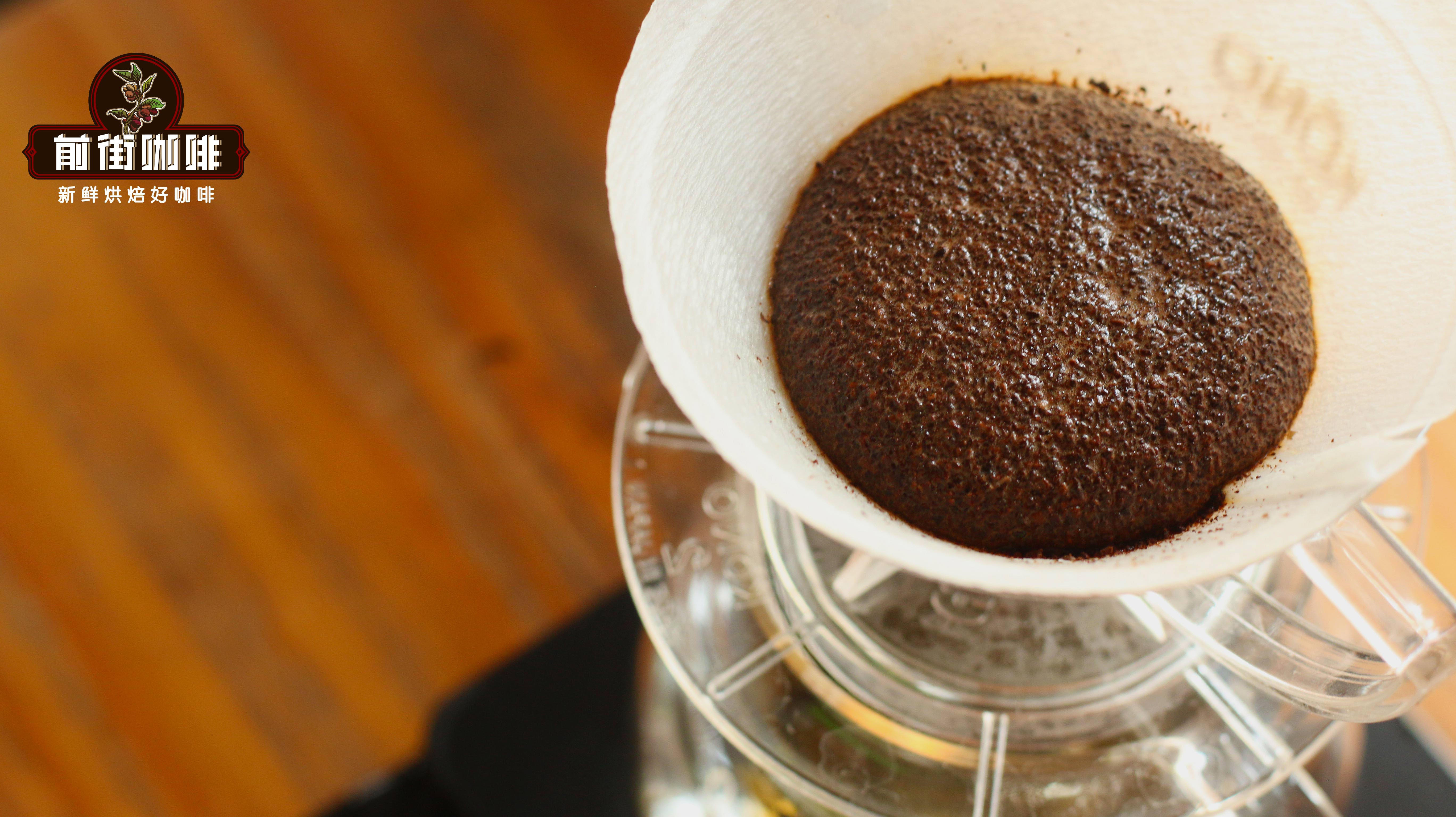
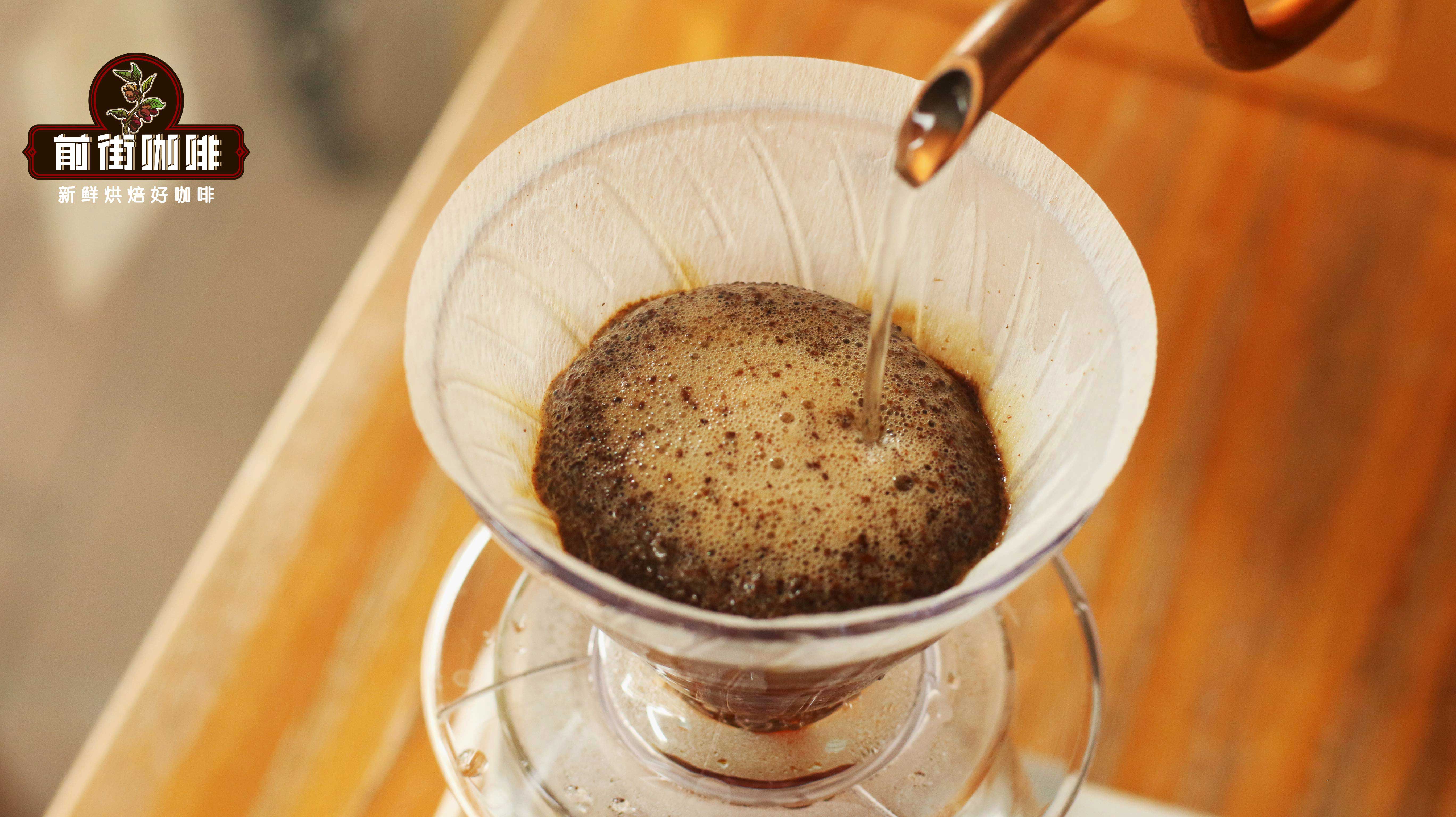
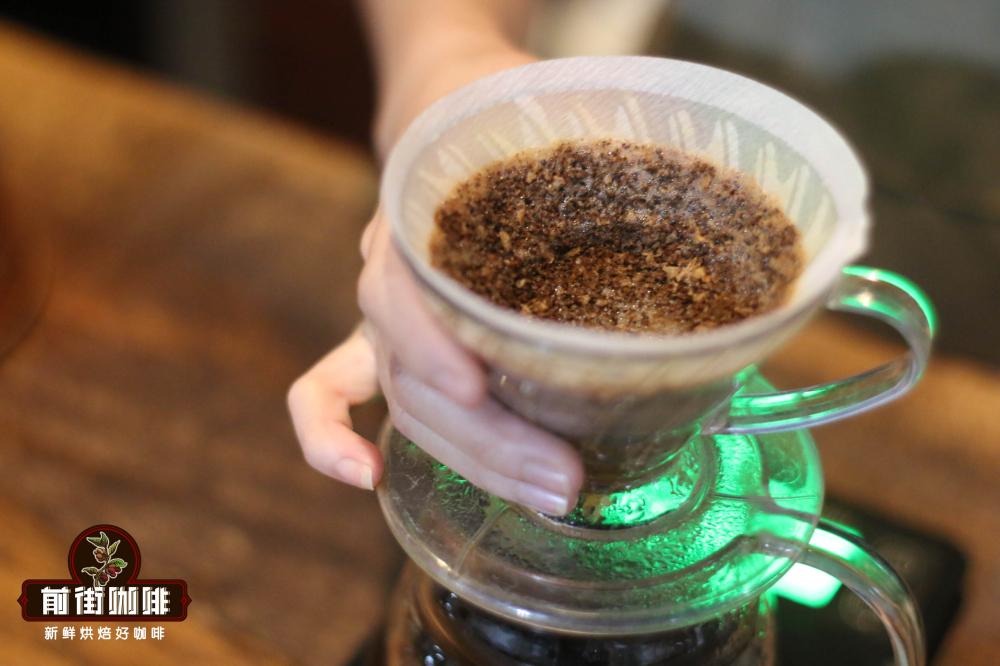
A professional pour over process can be divided into three core stages: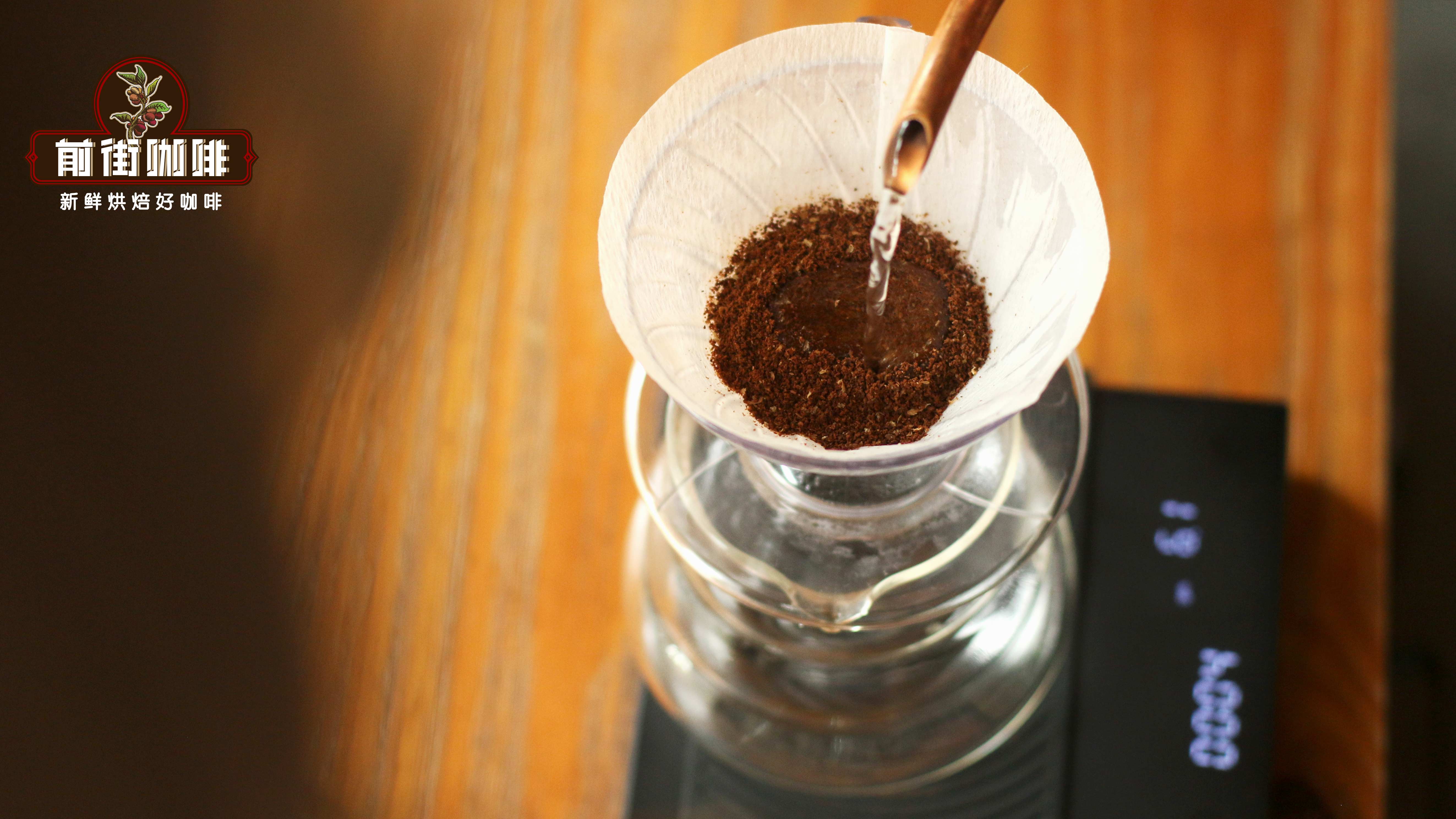 First is the blooming phase: when hot water contacts the coffee grounds, internal carbon dioxide forms bubbles and expands (typically lasting 30–40 seconds). During this time, pouring should be paused to allow gases to fully release.
 Next comes the dissolution phase: heat causes small molecules such as acids and aromas to dissolve first, followed by medium-sized sweet molecules and then large bitter molecules. In the final diffusion phase, these flavor compounds penetrate the water through osmosis, forming the final extracted liquid.
[Practical Brewing Steps]
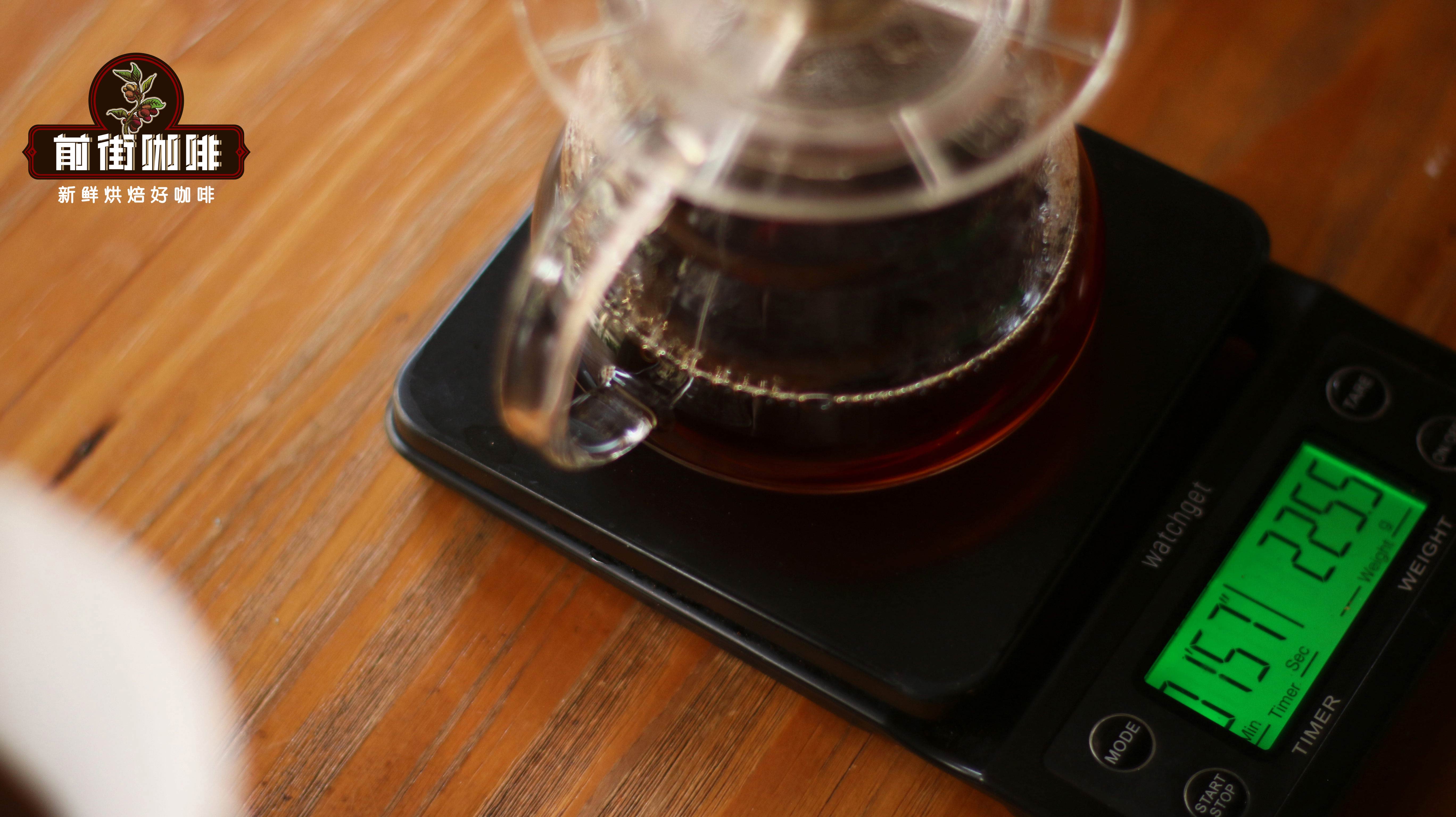
During actual brewing, it is recommended to use a coffee-to-water ratio of 1:15 (e.g., 15 grams of coffee to 225 milliliters of water).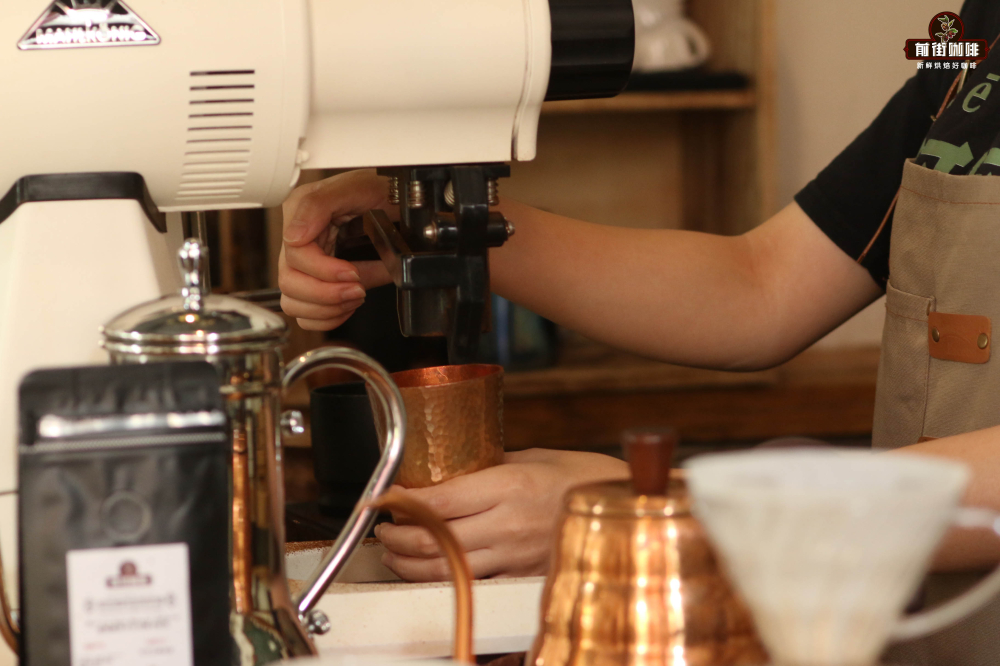 Pre-wetting the filter paper with hot water not only maintains equipment temperature but also removes any paper pulp odor.
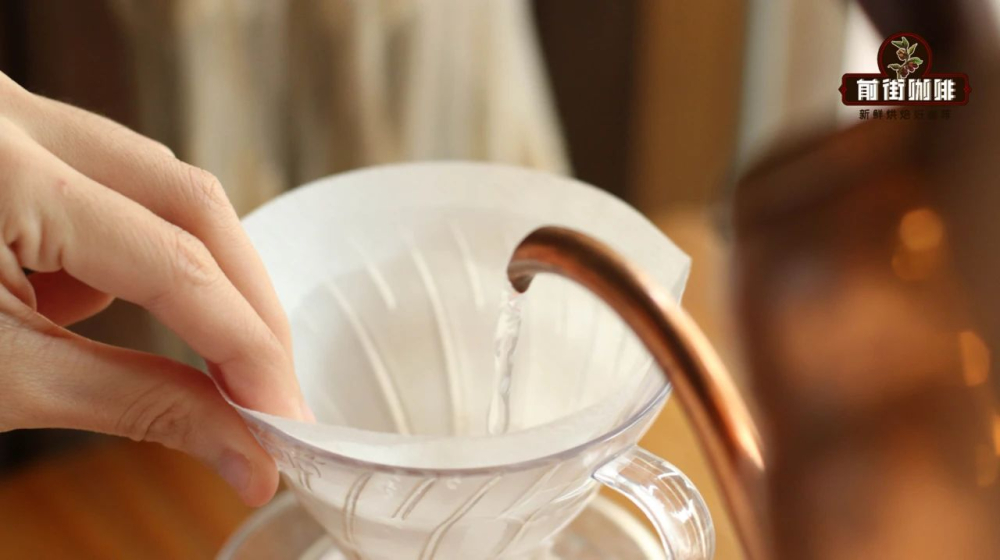 When pouring, use a “center-outward circular” technique, keeping the water stream about 5 centimeters high to avoid excessive cooling. The initial pour should only wet all the coffee grounds. After the bloom subsides (around 30 seconds), begin the official extraction. The entire process should be completed within 2 minutes and 10 seconds to 2 minutes and 30 seconds.
[Adjusting Common Issues]
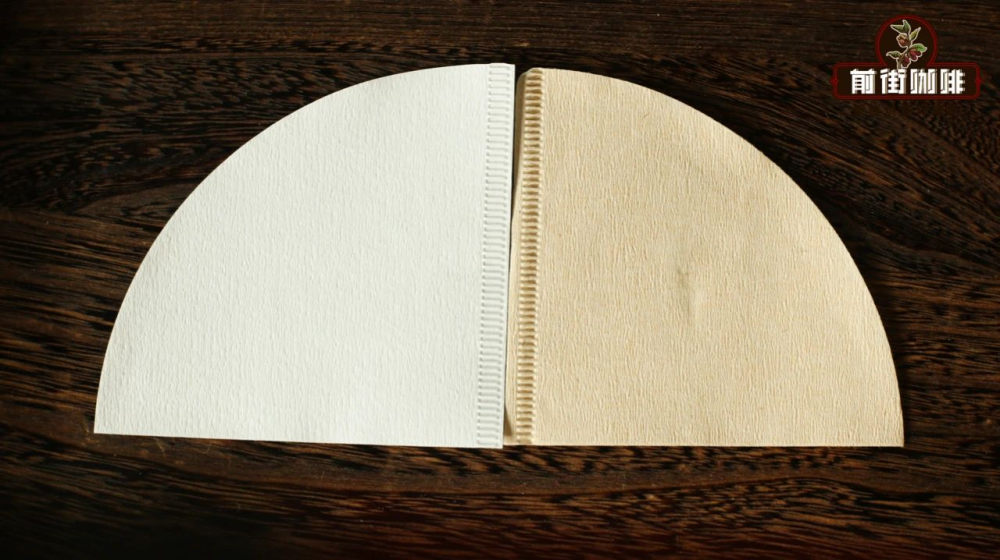
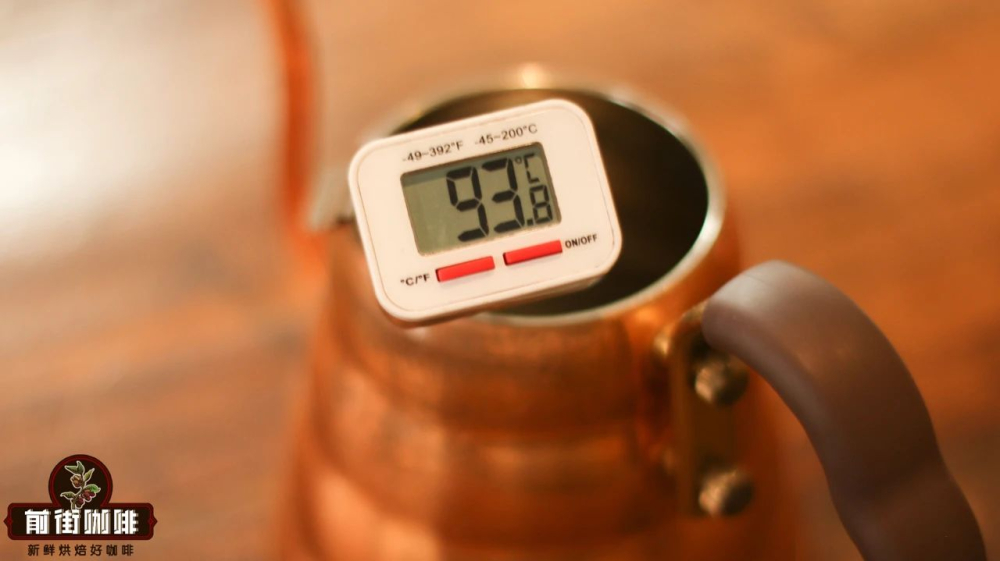
If you find the coffee tastes overly sour, it may be due to insufficient water temperature (below 87°C) or too coarse a grind leading to under-extraction; conversely, excessive bitterness may result from too high a water temperature (above 92°C) or too fine a grind. Filter cone shape also significantly impacts results — wave-shaped cones offer more even extraction but require specific filter papers, while metal filters can add body but may leave behind fine coffee sediment. Remember, the charm of pour over coffee lies in fine-tuning these variables to discover your perfect, unique flavor combination.

The above content is compiled by CoffeeHunters, a coffee news website.


