







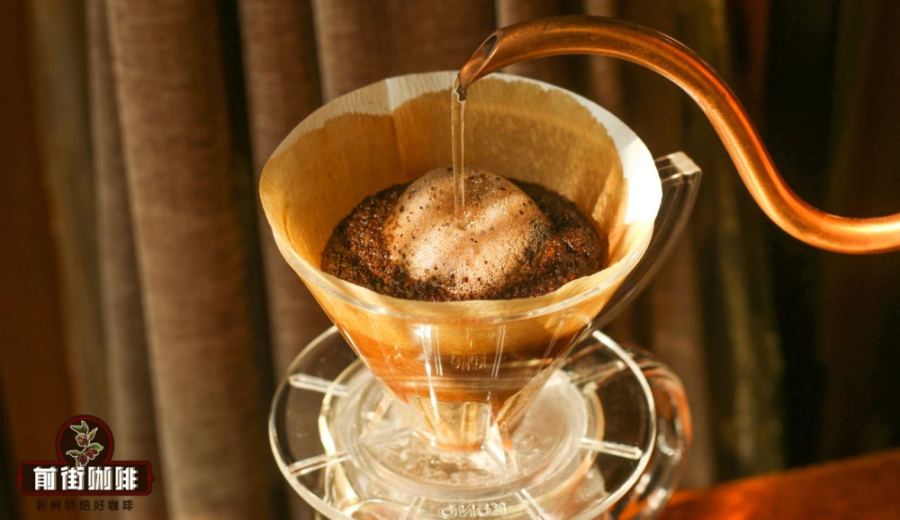
Introduction:Blooming is a frequently overlooked yet crucial step in pour over brewing that directly impacts the flavor expression and extraction efficiency of coffee. This article delves into the science behind blooming—from the mechanism of carbon dioxide release to practical parameters—teaching you how to optimize coffee taste by adjusting water volume and time. It also deciphers the clues about coffee freshness revealed through blooming behavior, helping beginners build a systematic foundational understanding of pour over brewing.
In the process of manual coffee brewing, the blooming step is often seen as the magical moment when the "coffee hamburger" forms, but its true value goes far beyond visual effects. This seemingly simple pre-wetting procedure actually lays a critical foundation for subsequent flavor release—by preemptively expelling carbon dioxide from the coffee grounds, it clears obstacles for later hot water penetration and flavor compound extraction.

When blooming is skipped and water is poured directly, the coffee bed will continuously release bubbles and produce a thin, watery mouthfeel. These agitated bubbles are unexpelled carbon dioxide, which hinders even contact between hot water and coffee particles. Freshly roasted coffee beans contain a large amount of active carbon dioxide, which can suppress the release of aromatic compounds during high-temperature brewing. Systematic pre-treatment through blooming can effectively enhance the completeness and layering of the overall extraction.
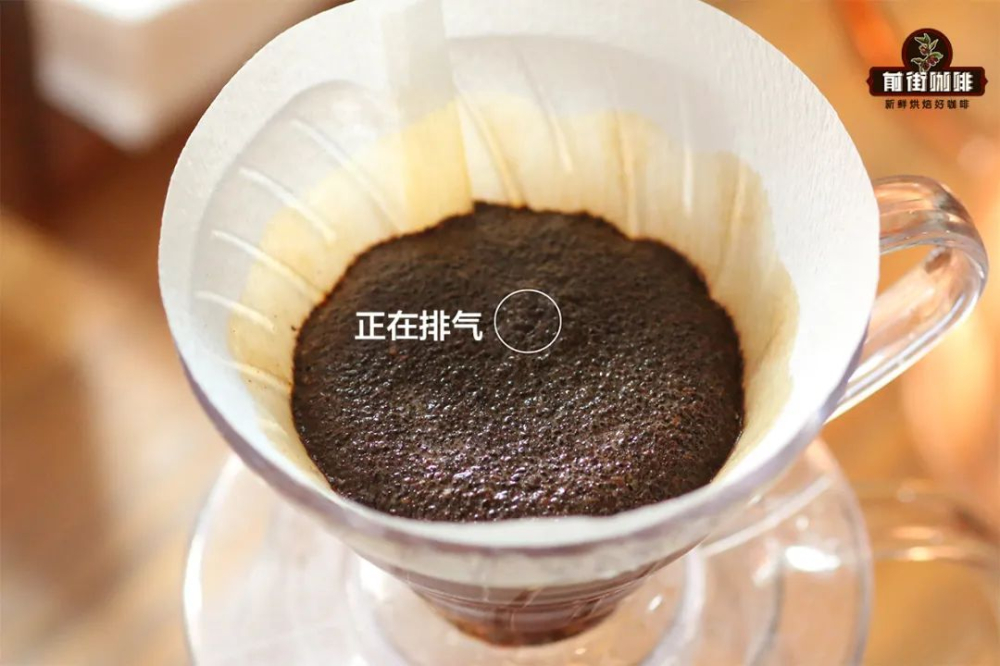
Observing the expansion dynamics of the coffee bed during blooming is actually the result of the dual action of water penetration and gas expulsion. When hot water contacts dry coffee grounds, the particles absorb water and expand, squeezing out the internal carbon dioxide. If the exhaust channels are blocked, a characteristic fluffy rise will form. Although modern blooming methods often adopt a standardized process using twice the weight of the coffee grounds in water (e.g., 30 ml of water for 15 g of coffee), understanding the underlying logic allows for more flexible adaptation to different bean conditions.
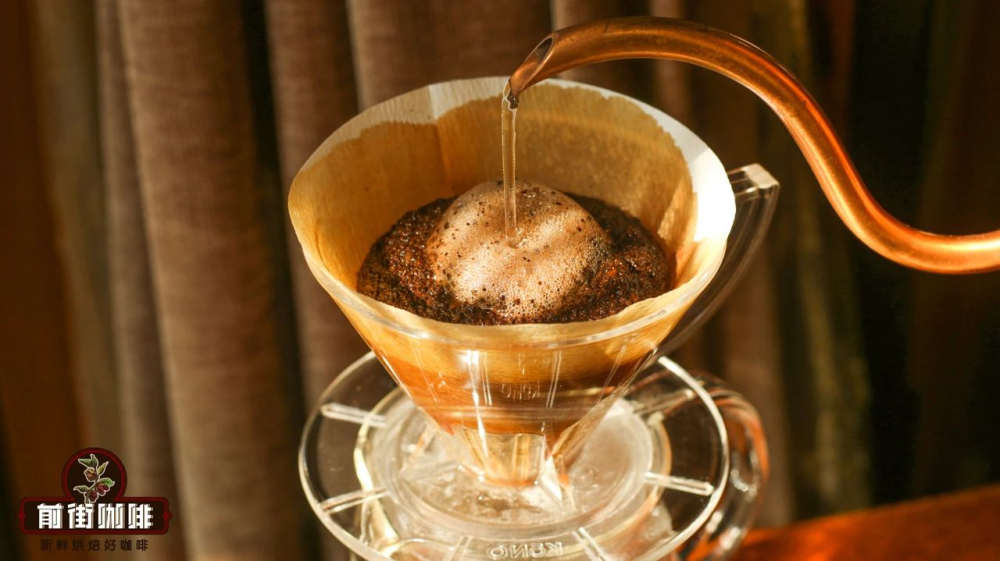
For coffee beans with different roast characteristics, blooming parameters need to be adjusted accordingly. Dark roast beans, due to their loose structure and high water absorption, usually only require the standard 2x water volume (e.g., 30 ml for 15 g) to fully expel gases. For hard-textured light roast beans, if you notice that the filtration speed is too fast after pouring, causing a significant drop in water level, it is recommended to use 1.5 to 1.7x water volume to extend the gas release cycle. In practice, the ultimate criterion is complete wetting of the coffee bed, and the water volume can be fine-tuned as necessary to ensure no dry spots remain.
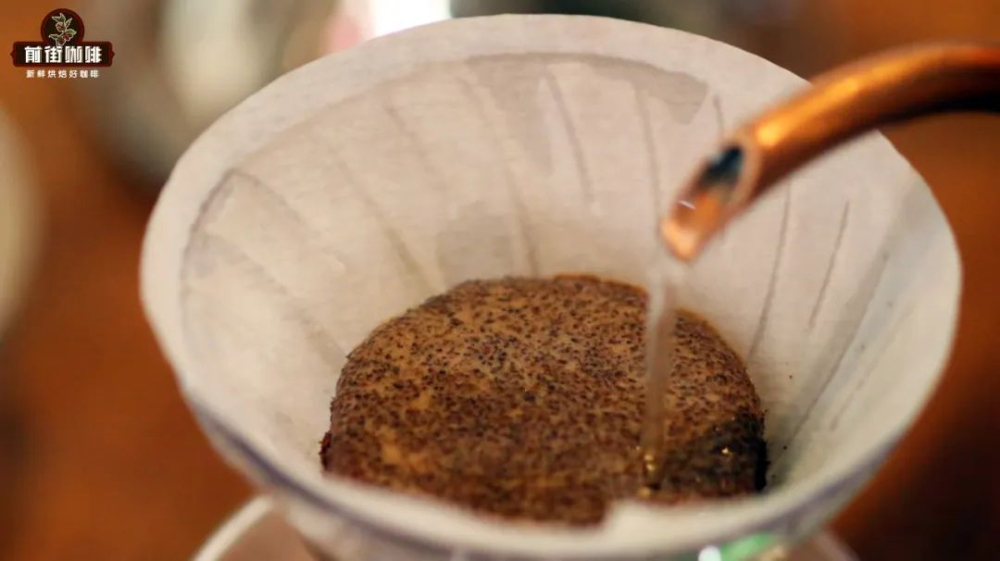
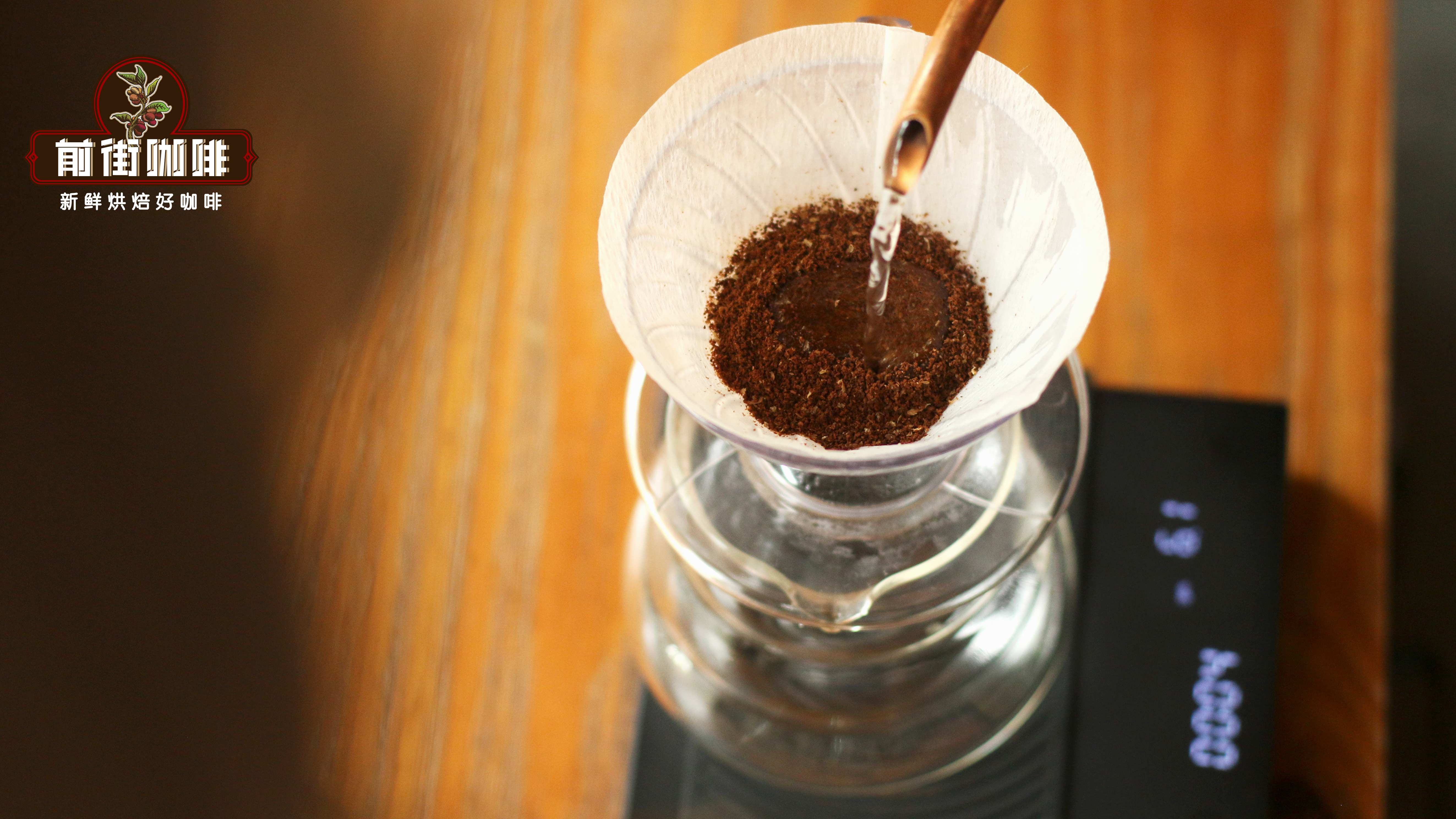
The pouring technique directly affects the efficiency of blooming, with key details including: it is recommended to use a center-outward spiral pouring method, maintaining a water stream height of about 3 cm to avoid disrupting the coffee bed structure with excessive impact. The pouring range should cover the entire surface of the coffee bed, paying special attention to water penetration in the edge areas. A common beginner mistake is being overly fixated on a set time; in reality, it’s better to observe the state of the coffee bed—when expansion reaches its peak and remains static for three seconds, or when tiny bubbles continue to emerge, it signals that drainage is complete.
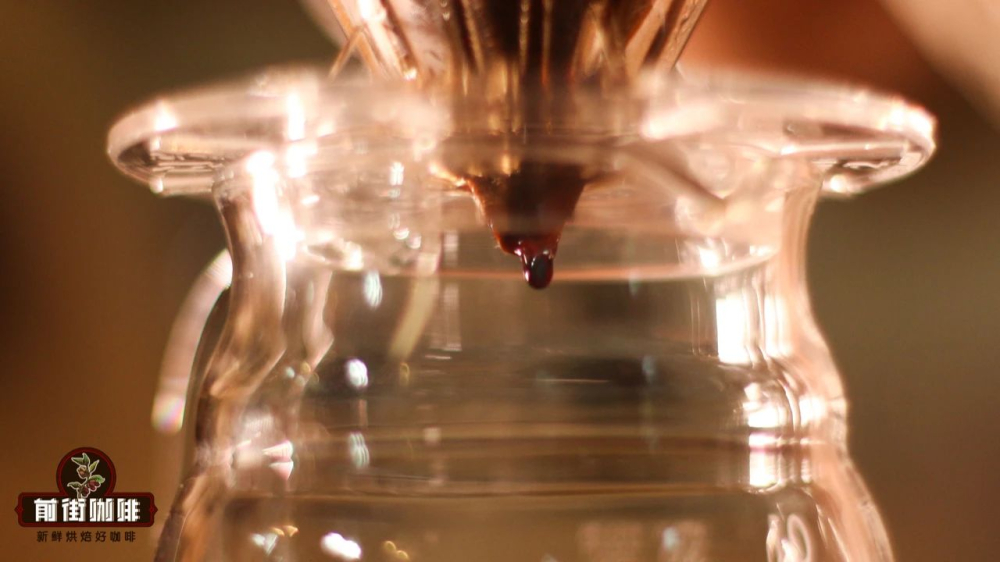
The flexibility in adjusting blooming time should be combined with roast freshness: typically, freshly roasted coffee beans (4–7 days post-roast) complete the main gas expulsion process within 30 seconds, while beans stored for more than two weeks may stabilize as early as around 20 seconds. The criterion for judgment is not an absolute time, but rather the confirmation of the coffee bed’s cessation of activity. If intense bubbling continues for more than 40 seconds, it may be necessary to check the roast date or whether the grind size is appropriate.
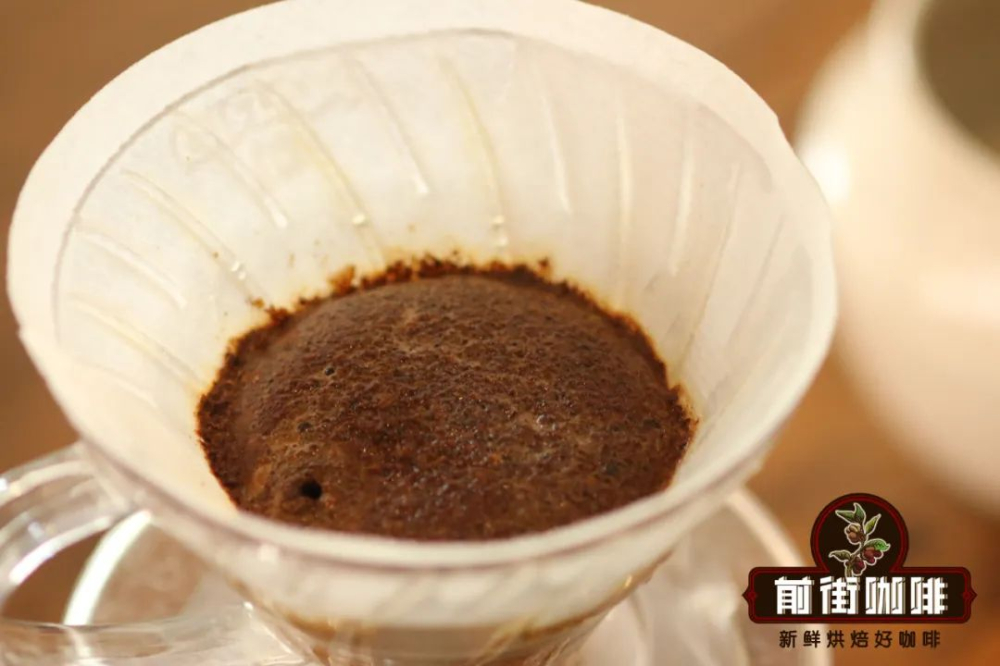
Interpreting blooming phenomena can serve as an auxiliary indicator for assessing coffee freshness: vigorous bubble activity usually indicates high residual carbon dioxide, and such beans may exhibit sharp acidity or astringency in the early stages of brewing; uniform and slow expansion shows an ideal resting state; an unusually flat coffee bed could indicate either aged beans or be due to overly light roasting or improper pouring techniques. Note that some hard light roast beans (such as Ethiopian natural sun-dried) may still exhibit gentle expansion even when fresh, so visual judgment should not be relied upon exclusively.
The above content is compiled by CoffeeHunters, a coffee news website.


