








Introduction:When brewing pour over coffee, water temperature is one of the key factors that influence flavor. Different temperatures can significantly alter the coffee's extraction rate, thereby affecting the balance of acidity, sweetness, and bitterness, as well as the overall mouthfeel. This article presents an actual brewing experiment analyzing the flavor differences of pour over coffee at various temperatures ranging from 80°C to 96°C, and offers professional recommendations to help you find the ideal temperature suited to your coffee beans and brewing style.
During manual pour over brewing, many coffee enthusiasts often adjust water temperature based on experience, yet overlook its direct impact on extraction efficiency. Sometimes the resulting coffee is either too sour, or carries bitterness and astringency, or even lacks depth in flavor — the issue may very well stem from improper water temperature control. So what is the most suitable water temperature for pour over brewing? And how should one adjust it according to the characteristics of the coffee beans?
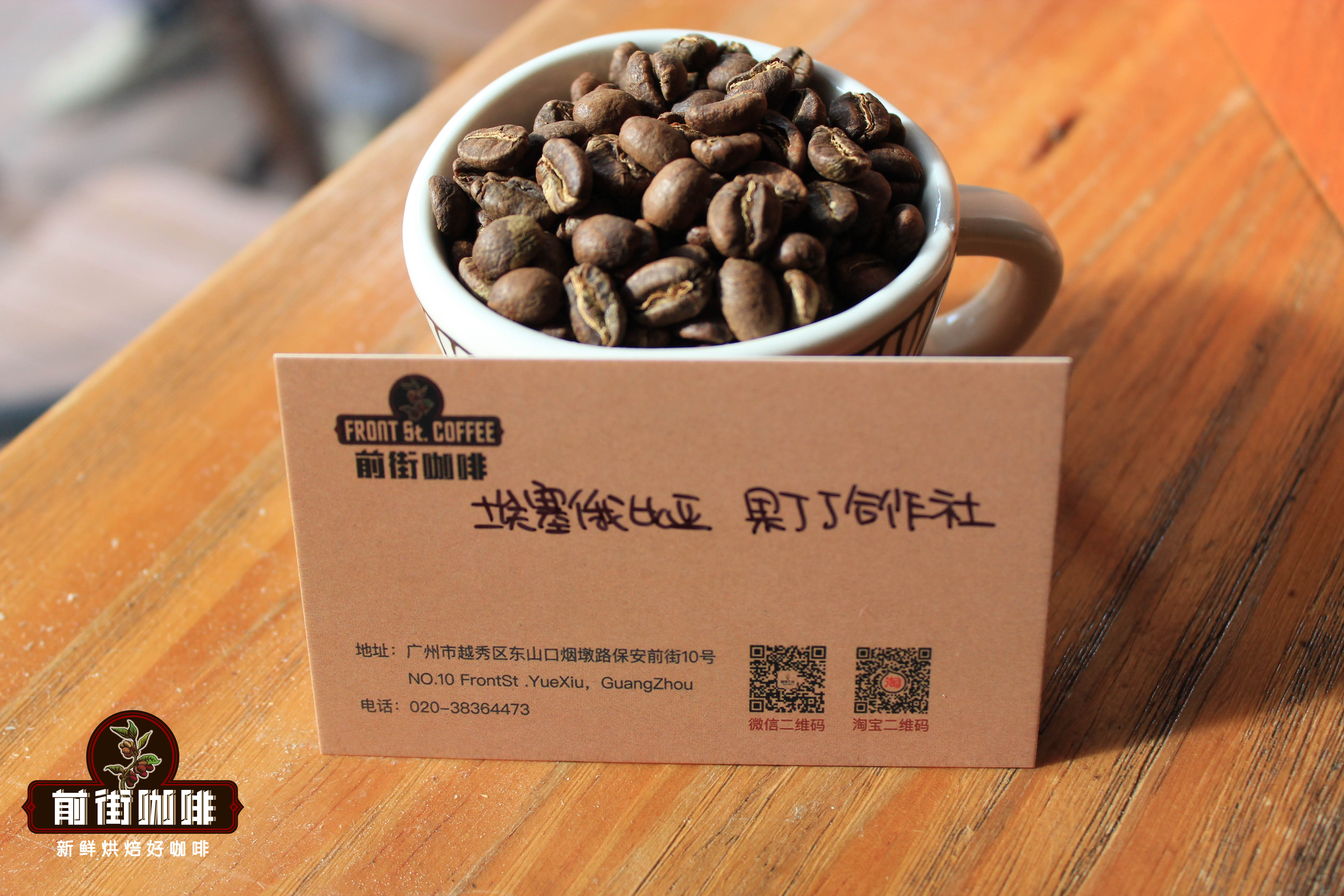
To explore the impact of water temperature on pour over coffee in depth, this experiment used washed Ethiopian Yirgacheffe Gedeo Zone Kochere Cooperative coffee beans. These beans are lightly roasted, featuring bright fruity acidity and floral aromas, making them highly suitable for observing flavor variations under different temperatures. The experiment set five different water temperatures: 80°C, 86°C, 90°C, 93°C, and 96°C, while keeping all other parameters consistent — including using a Hario V60 filter cone, medium-fine grind (75% sieving rate through a 0.85mm screen), 15 grams of coffee grounds, and a 1:15 coffee-to-water ratio.
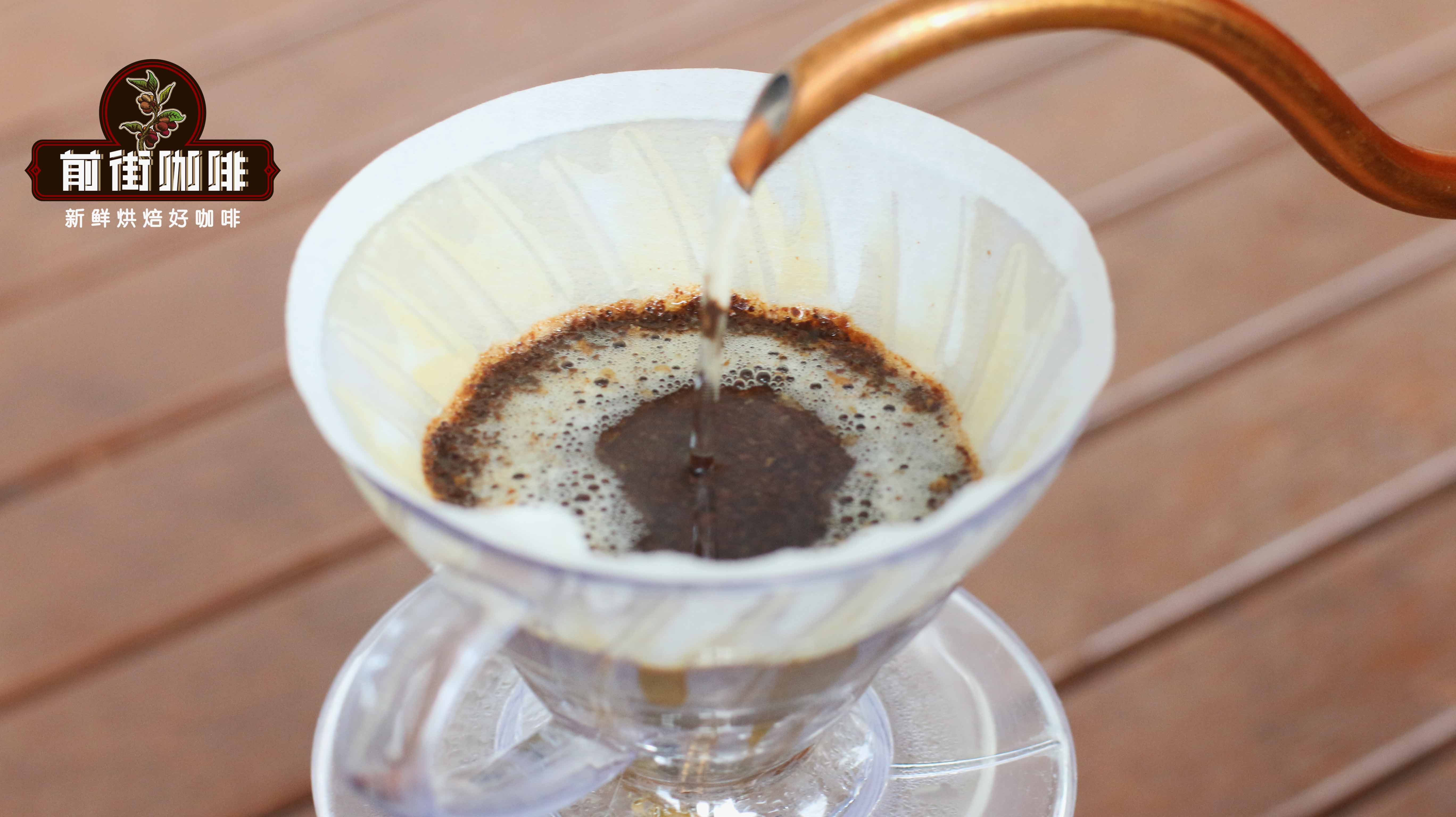
The brewing method followed a classic pulse pouring technique: First, 30 grams of water were poured to bloom for 30 seconds, during which the coffee grounds expanded into a “hamburger” shape; then, in the second stage, 125 grams of water were poured gently in small circles centered around the grounds, at a height of about 4 cm, with a flow rate controlled to approximately 4 grams per second to avoid excessive agitation of the coffee bed; finally, when the water level dropped to half the height of the coffee bed, a third pour was executed in outward circles from the center until a total of 225 grams of water had been added, with the entire extraction process lasting about 2 minutes and 1 second. After brewing, the coffee was allowed to drip evenly before tasting to ensure an accurate representation of its flavors.
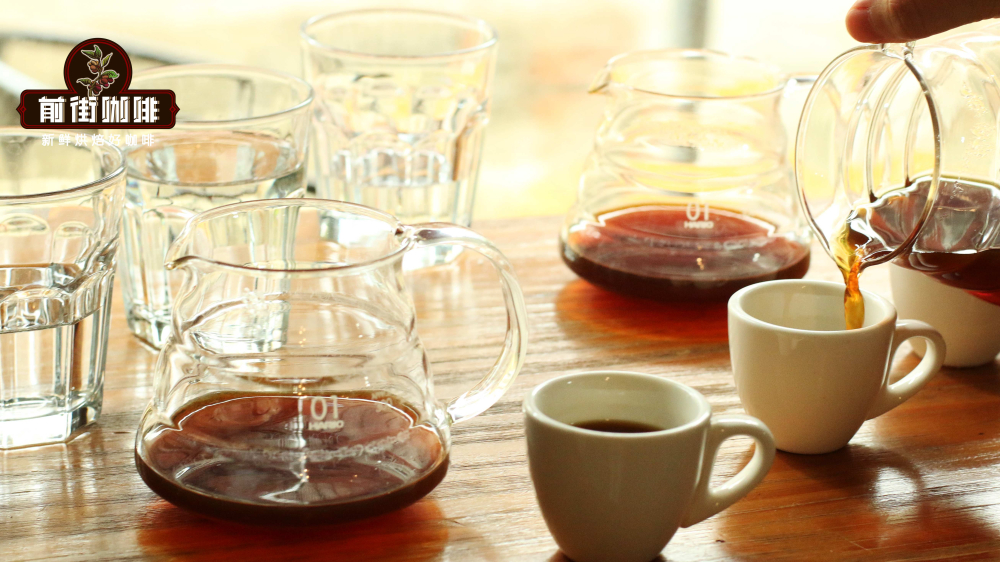
The experimental results showed that water temperature has an extremely pronounced effect on the flavor of pour over coffee. At 80°C, the coffee exhibited noticeable slight acidity and astringency, with notes of lemon peel and tea-like qualities, leaning overall towards a light, tea-like sweetness with relatively thin flavor complexity. Increasing to 86°C, the acidity shifted to a sharper tone reminiscent of kumquats, beginning to show some vibrancy in fruit acids. By 90°C, the citrus acidity became even brighter, accompanied by a significant enhancement in fruit sweetness, resulting in more three-dimensional flavors. At 93°C, clear citrus acidity paired with a black tea-like finish emerged, achieving better balance. However, at 96°C, although the flavors became more concentrated with tea-like fruit characteristics, the tea astringency was pronounced, and the overall mouthfeel leaned towards being overly intense.
Why does such a change in water temperature lead to such significant flavor differences? The key lies in how temperature directly affects the dissolution rates of various substances during the coffee extraction process. Higher temperatures enable faster extraction of high molecular compounds in coffee, including bitter components as well as sweet ones, while also increasing overall extraction concentration. Conversely, lower temperatures tend to extract smaller molecular substances such as acids and aromas first, extracting fewer bitter and sweet components, resulting in a coffee that is overall more acidic and less complex. Therefore, for light roast coffees, too low a temperature can lead to under-extraction, lacking depth in flavor; too high a temperature can cause over-extraction, resulting in bitterness or woody fiber notes.
Coffee beans themselves consist of roughly two-thirds lignocellulose and one-third soluble aromatic compounds. When hot water contacts the coffee grounds, small molecular substances such as acidic aromatic compounds are the first to dissolve, followed by medium molecular weight sweet components, and finally the large molecular weight bitter and caramel compounds. Water temperature not only determines the speed at which these substances dissolve but also affects the overall balance of flavors. If the temperature is too high, it may cause the early-stage aromatic compounds to be destroyed by the heat before they can fully release, or lead to over-extraction in a short period, resulting in woody or astringent notes later on. On the other hand, if the temperature is too low, the aromatic compounds may not be fully released, leading to monotonous flavors where acidity and sweetness stand out but lack layers and aftertaste.
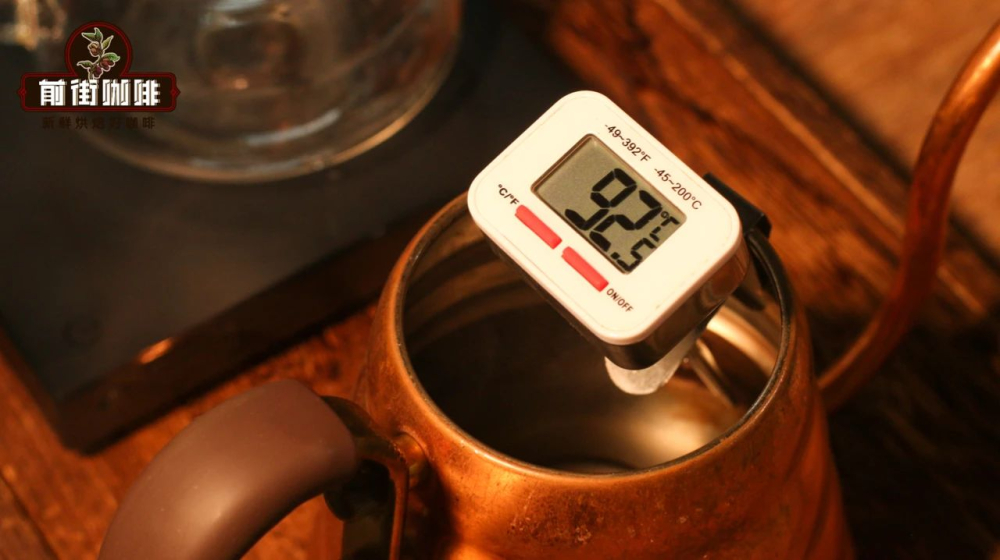
So, what water temperature should one choose for daily pour over brewing? Based on practical experience and professional advice,the ideal water temperature range for pour over coffee is generally 86°C to 93°C. For light roast coffee beans (such as the Yirgacheffe washed beans used in this experiment), a water temperature of 90°C to 93°C is recommended to fully bring out their bright fruit acids and rich aromas. For medium to dark or dark roast coffee beans (such as Golden Mandheling), it is suggested to keep the water temperature between 86°C and 88°C to avoid over-extracting bitterness while preserving a rich mouthfeel. Additionally, factors such as water quality, grind size, pouring speed, and technique will interactively affect the final flavor. It is recommended to adjust the water temperature gradually while keeping other parameters constant, in order to find the brewing setup that best suits your personal taste.
The above content is compiled by CoffeeHunters, a coffee news website.


