







Introduction:As a convenient option between freshly ground coffee and instant coffee, drip bags often leave beginners puzzled about their optimal flavor window and taste performance. This article delves into the fundamental differences between drip bags, freshly ground pour-over coffee, and instant coffee, reveals the scientific basis behind the 20–25 day golden flavor period, and provides a standard brewing method using 92°C water. We also recommend three classic single-origin varieties from Yirgacheffe, Brazilian Mogiana, and Ethiopian Sidamo—ranging from citrus and berry notes to dark chocolate and cream—to help readers choose the drip bag experience that best suits their taste preferences.
The core difference between drip bags and freshly ground pour-over coffee lies in the timing of the coffee bean grinding. Drip bags contain pre-ground coffee, whereas freshly ground pour-over is made by grinding whole beans just before brewing. This seemingly minor time difference significantly impacts flavor preservation—after roasting, coffee beans contain a large amount of carbon dioxide, which slows down the evaporation of aromatic compounds. However, once ground, the exposed surfaces accelerate oxidation. Therefore, although drip bags are sealed in individual filter bags, their optimal flavor window is still around20 to 25 days, which is noticeably shorter compared to freshly ground coffee’s30 to 45 days.
The advantage of freshly ground coffee lies in its “immediacy.” When coffee beans are ground just before brewing, it maximizes the retention of highly volatile floral and fruity notes and delicate aromas. For users who pursue ultimate freshness, it is recommended to choose products roasted within 5 days, when the beans’ carbon dioxide release is still at an active stage, enabling richer extraction reactions with the brewing water.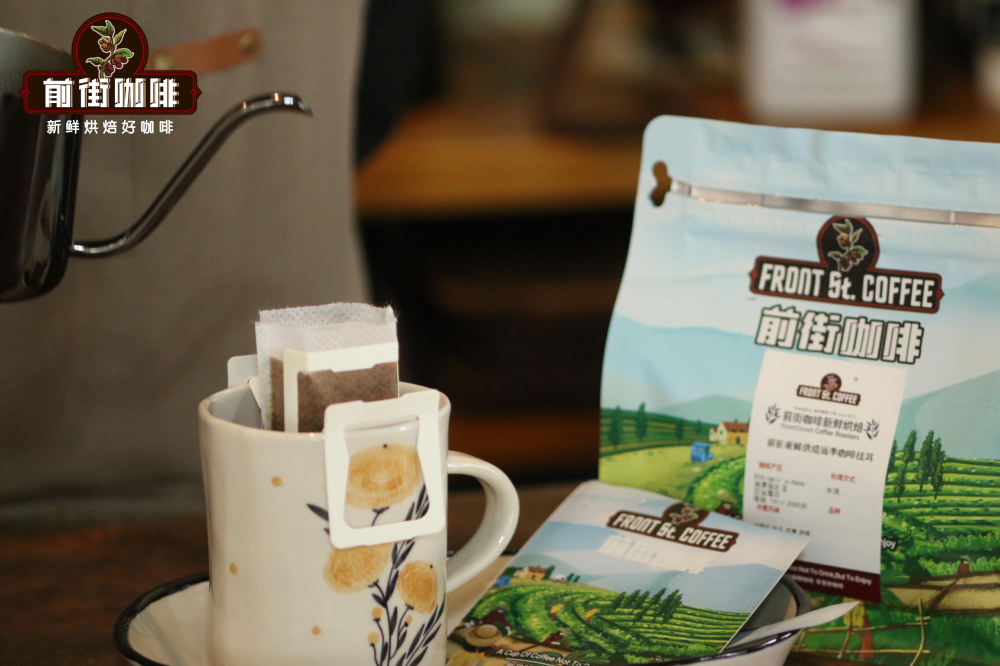 " alt="Coffee Bean Roasting and Grinding Timing Comparison Diagram">
Although the production process of drip bags involves sealing, the pre-grinding step has already initiated a gradual loss of flavor. The professional approach is to grind the beans moderately immediately after roasting and extend shelf life through nitrogen flushing and aluminum foil composite packaging. Notably, the standard dosage design of 10 grams per serving not only facilitates easy control of the brewing ratio but also reduces the chance of residual coffee powder oxidation.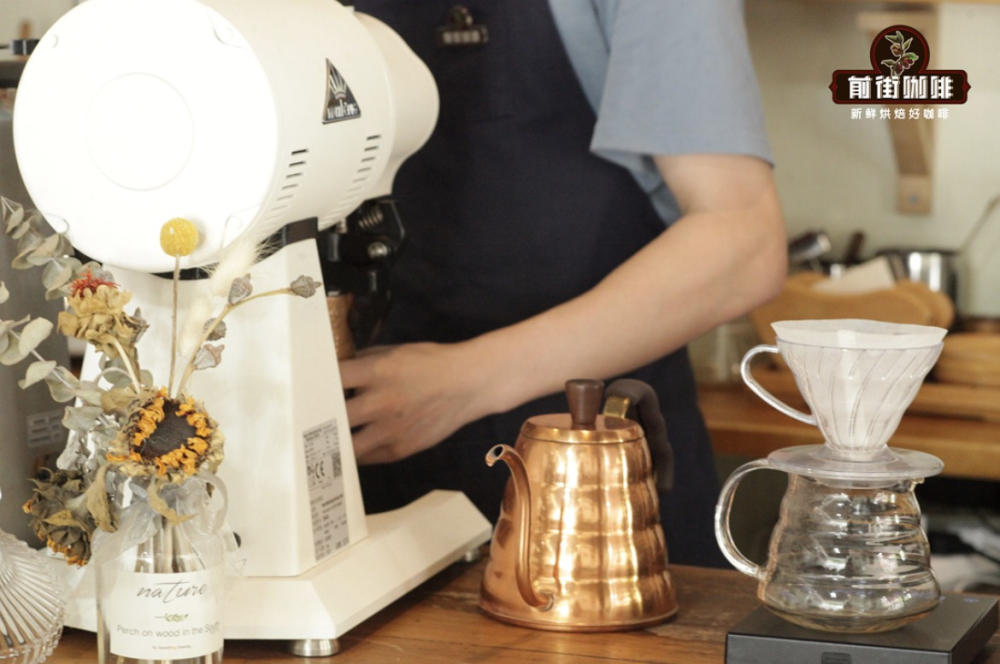 " alt="Drip Bag Coffee Sealed Packaging Structure Breakdown Diagram">
The essential difference from instant coffee lies in the form of the raw material: drip bags contain real coffee powder (primarily composed of roasted particles with plant fiber structures), which requires slow extraction through filter paper, whereas instant coffee undergoes high-temperature concentration and freeze-drying processes, converting coffee flavors into soluble compounds that can be directly dissolved in cold water. The former presents a complete layer of coffee oils and layered complexity, while the latter, due to added non-dairy creamer and sugar, often carries a caramelized sweet and cloying aftertaste.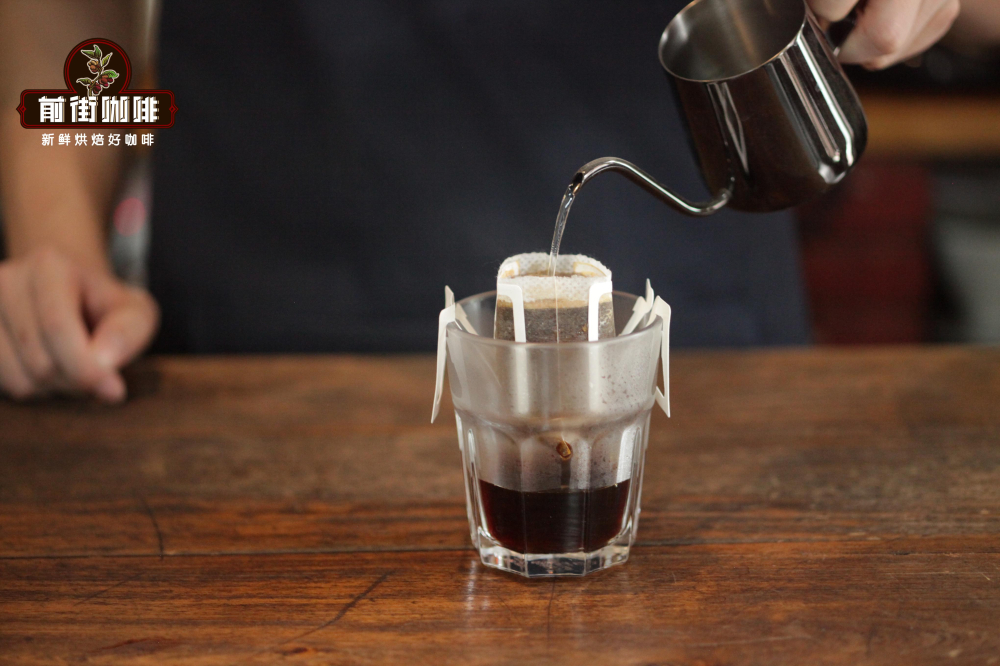 " alt="Drip Bag vs Instant Coffee Composition Structure Comparison Diagram">
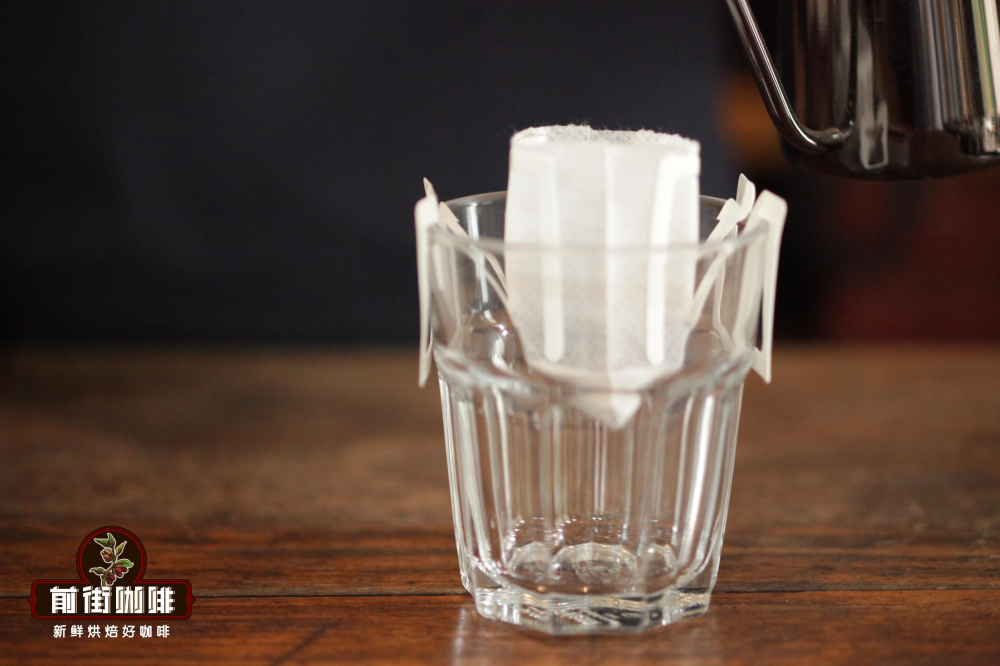
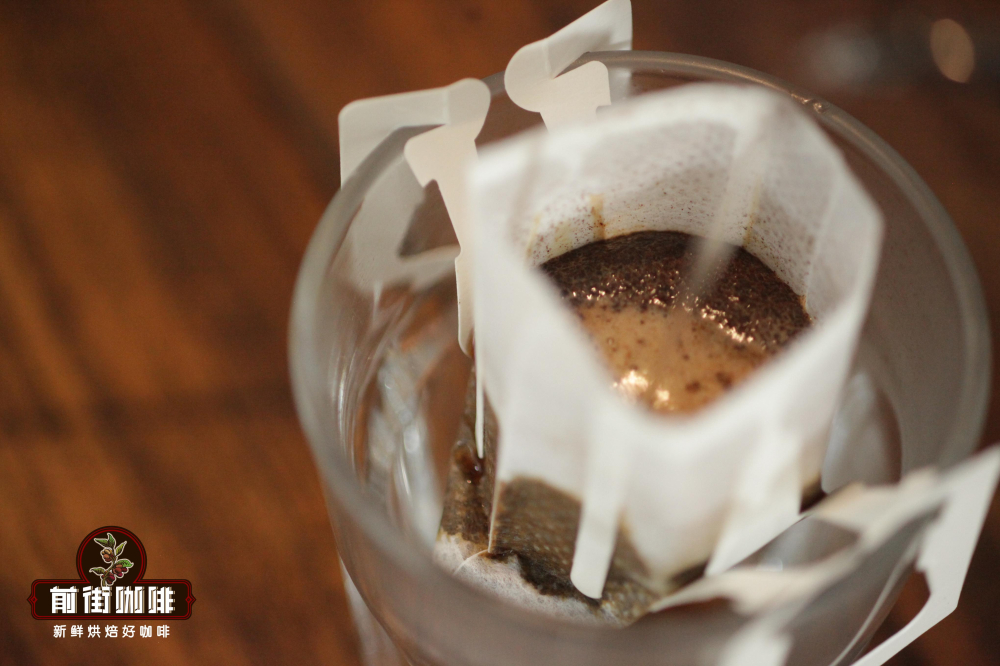
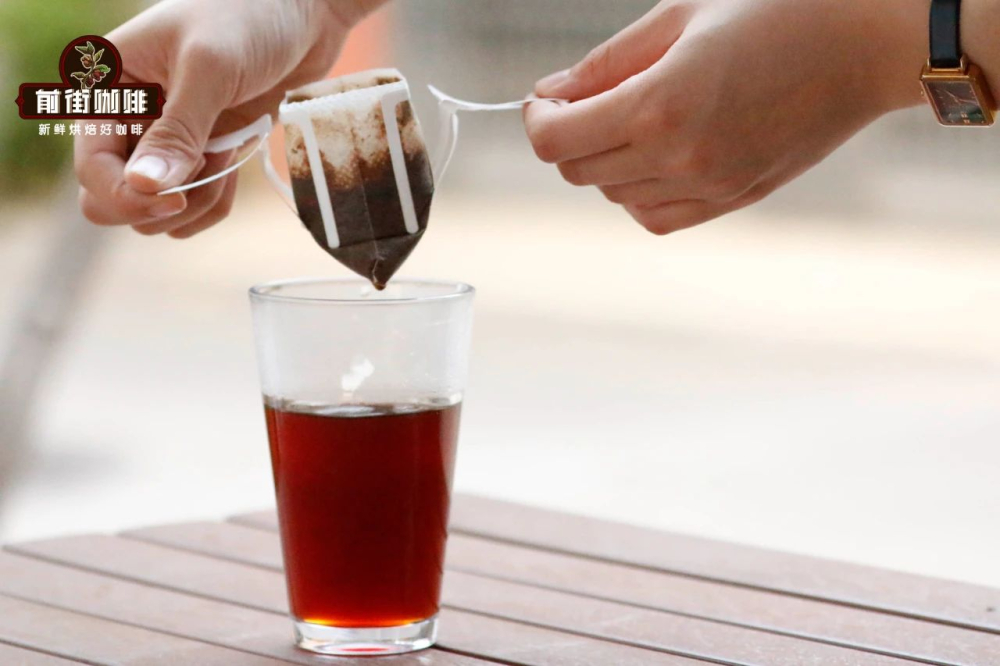
For standard drip bag brewing, it is recommended to use a straight glass cup; preheating the cup helps maintain stable extraction temperatures. Pour 92°C hot water (about 30 seconds after boiling) with a fine stream, first adding 20 ml for a 30-second bloom to activate the coffee grounds; then continue with circular pours of 130 ml, keeping the total extraction time within 2 minutes. If using a narrow-spout pour-over kettle, you can more precisely control the water flow rate and coverage, avoiding over-extraction at single points that leads to bitterness.
For office workers, we recommend three representative drip bag flavor profiles: First, the washed process batch from Gedeb Cooperative in Ethiopia’s Yirgacheffe region, grown at 1,900–2,300 meters altitude from local native varieties, showcasing bright citrus acidity and a green tea finish—ideal for those who enjoy fresh fruity notes. Next, the Brazilian Queen Estate’s Yellow Bourbon variety, highlighted by medium-dark roasting to emphasize a rich foundation of dark chocolate and roasted nuts, paired with the unique microclimate of the Mogiana region, delivering a creamy, silky mouthfeel. Lastly, the Ethiopian Sidamo’s natural-process Huikui, continuing the competition bean lineage, is cultivated from native varieties at 2,250 meters altitude and undergoes sun-dried fermentation to present intense berry and honey aromas, with a sweet black tea-like lingering finish.
Each drip bag comes with suggested brewing parameters, though actual flavor may vary slightly based on water hardness and pouring technique. For example, Yirgacheffe benefits from lowering the water temperature to 90°C to slow down acidity release, Brazilian beans can have their bloom time extended to 45 seconds to enhance sweetness, and natural sun-dried beans should have their pouring speed increased to avoid over-extraction. Experimenting with different parameter combinations can provide a deeper understanding of the science behind coffee flavor formation.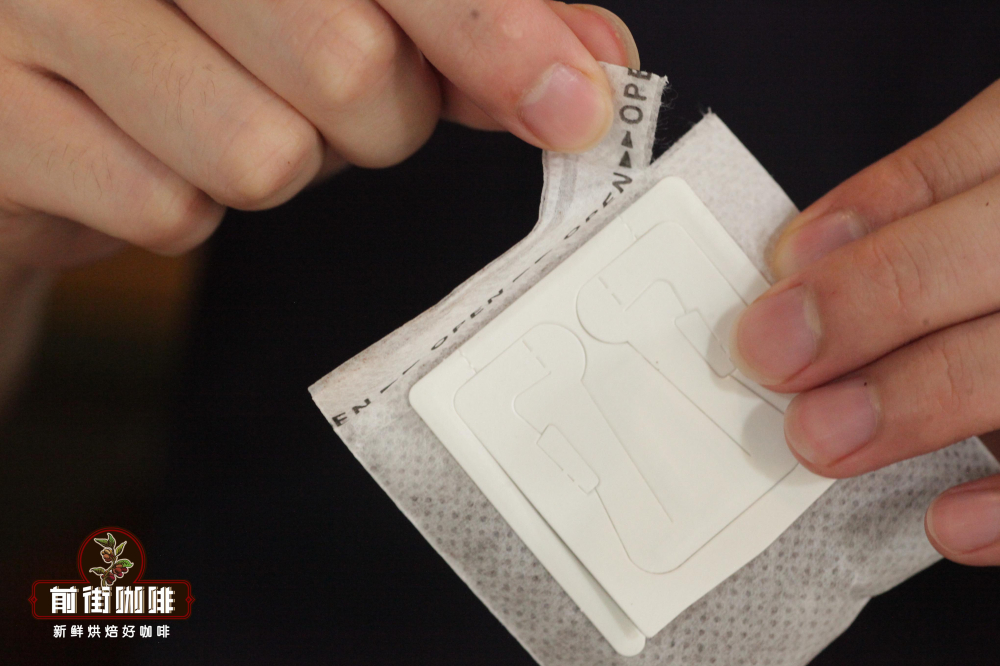 " alt="Drip Bag Coffee Cup Warming Demonstration Diagram">
 " alt="Drip Bag Hanging Step Diagram">
 " alt="Bloom Stage Water Flow Control Diagram">
 " alt="Continuous Pouring Circular Technique Diagram">
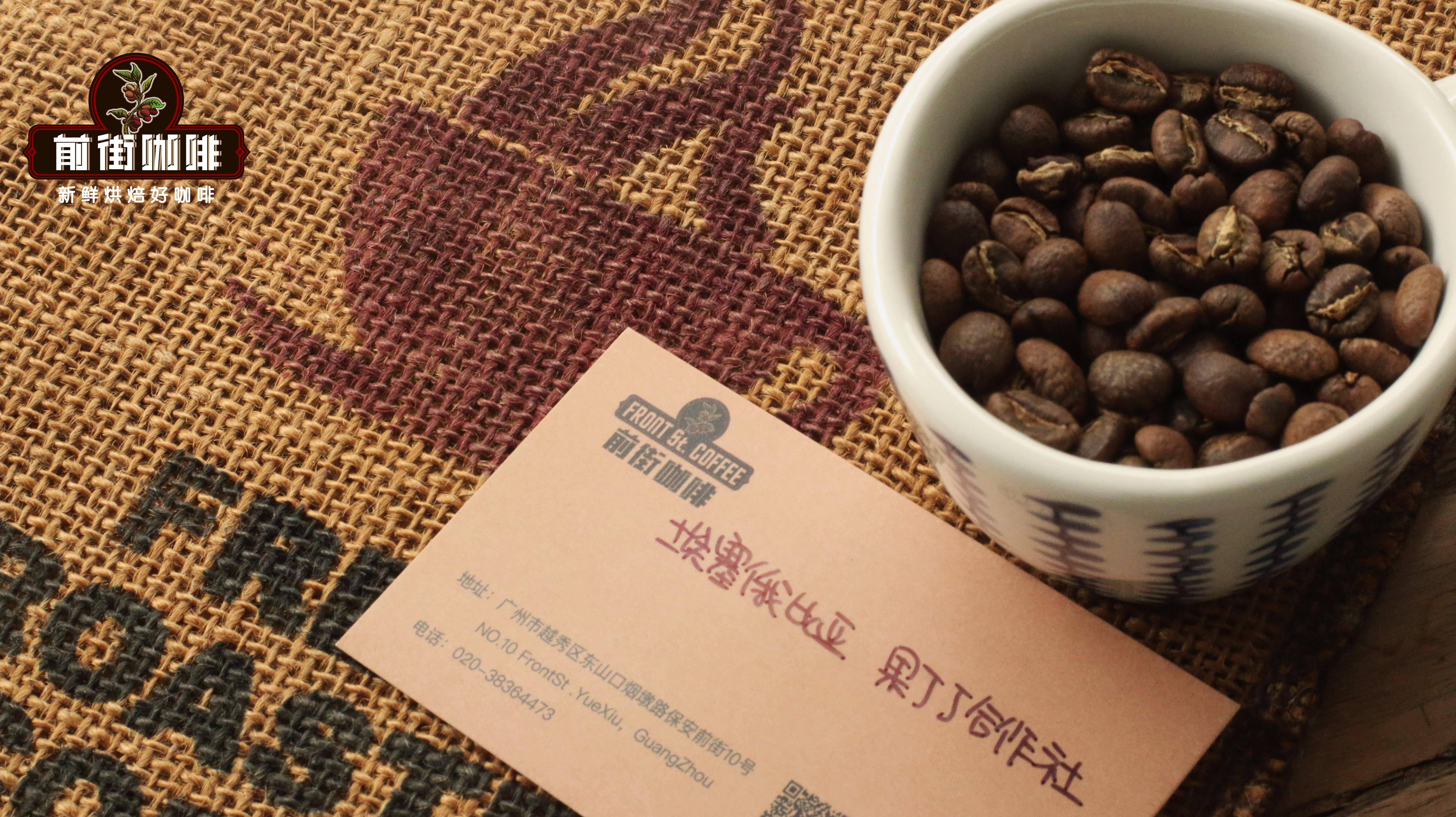 " alt="Yirgacheffe Region Flavor Characteristics Explanation Diagram">
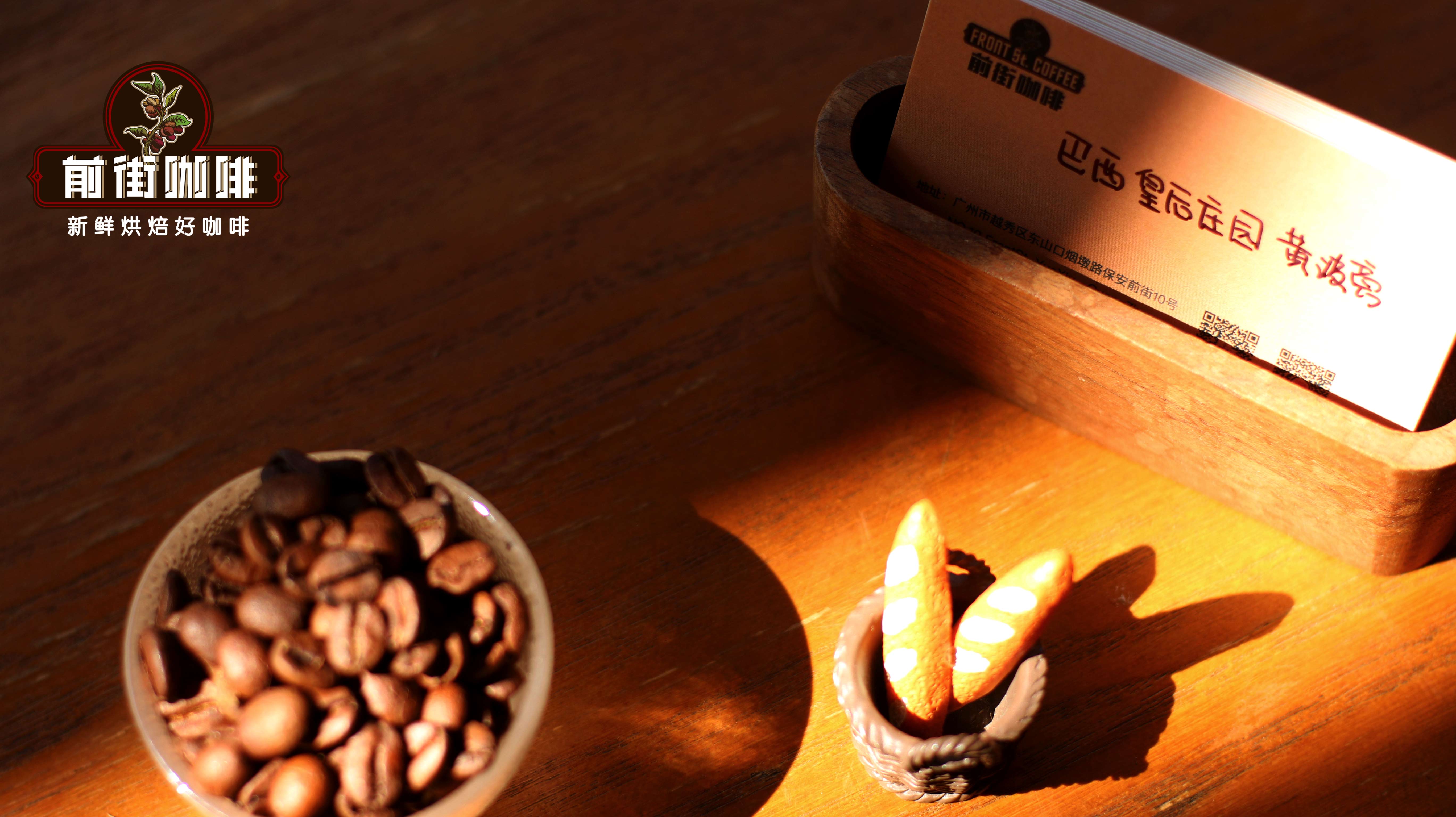 " alt="Brazilian Queen Estate Processing Method Flow Diagram">
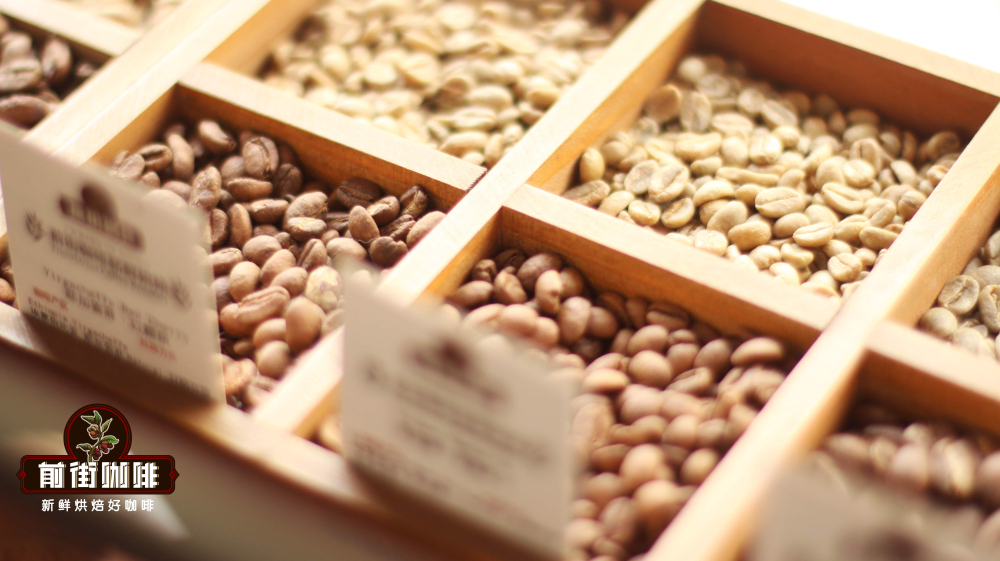 " alt="Sun-Dried Huikui Competition Bean Historical Background Diagram">
The above content is compiled by CoffeeHunters, a coffee news website.


