







Introduction:Drip bags are a convenient choice for busy lifestyles, allowing you to enjoy pour over–grade coffee without complicated equipment. This article delves into the origins and working principles of drip bags, explores why some users find their flavor relatively mild, and provides professional brewing parameters and techniques to help enhance your drip bag coffee experience. It also recommends several classic coffee beans suitable for making drip bags, ideal for both beginners and advanced enthusiasts.
For modern coffee lovers with limited time, drip bags are an excellent option for quickly enjoying a cup of pour over–style black coffee. There’s no need for expensive gear or complicated steps—just hot water and a cup are enough to easily brew a rich and aromatic coffee.
The term "drip bag" actually refers to an innovative design originating from Japan. As early as 1990, Yamayan Industries Co., Ltd. in Japan, inspired by tea bag strings, designed a filter bag with ear-like attachments on both sides. The pre-ground coffee is placed in a non-woven fabric filter pouch, and the bag is hung on the edge of the cup to simulate the drip filtration process of pour over. This design was officially patented in 2002 and quickly gained popularity, becoming a widely favored convenient coffee format on the market.
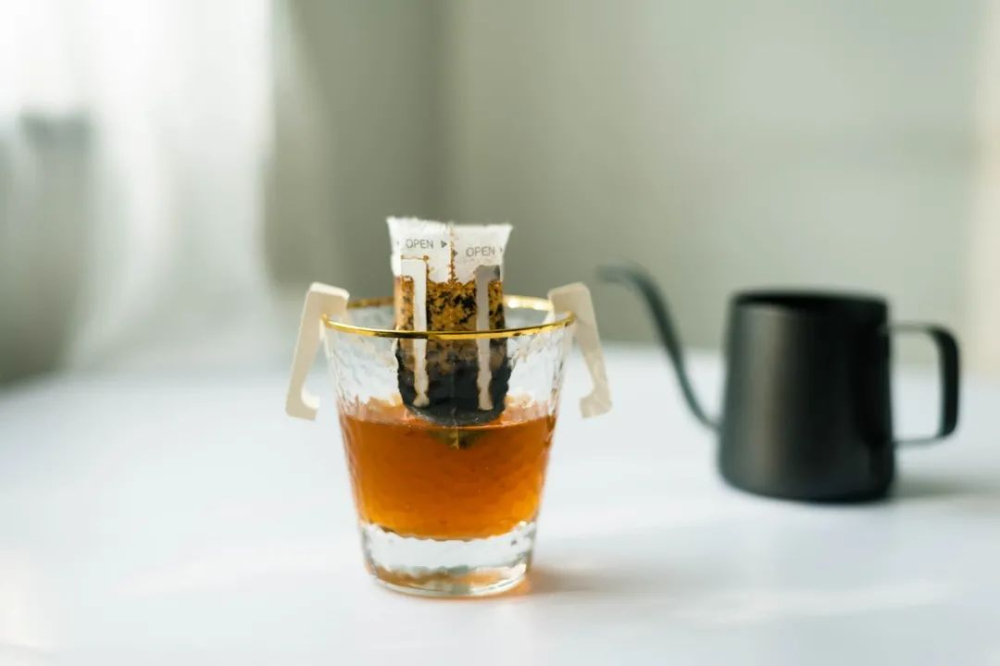
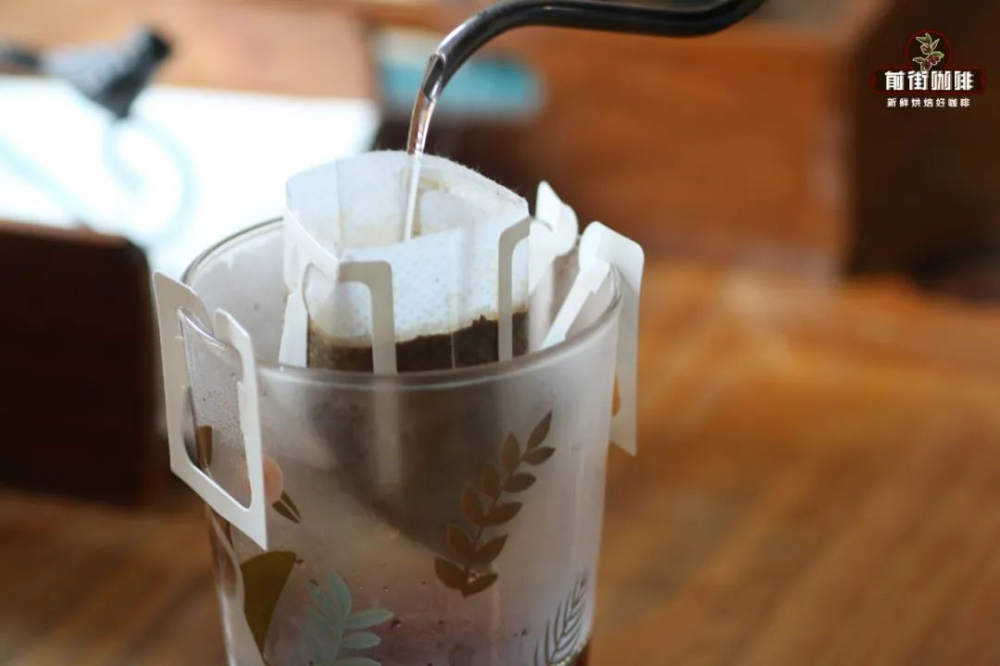
Brewing drip bag coffee is very simple—just use a kettle of hot water and a cup. Hang the drip bag on the rim of the cup and slowly pour in the hot water. Once brewing is complete, simply discard the filter bag along with the spent grounds, eliminating the hassle of cleaning equipment. With the rise of specialty coffee culture, coffee beans from various regions and processed using different methods can be used to make drip bags, offering consumers a richer selection.
However, some users report that the drip bag coffee they brew at home seems less intense in flavor compared to the pour over coffee from cafés, with a weaker aroma as well. This is actually related to the characteristics of drip bag coffee. First, the coffee grounds in drip bags are usually pre-ground. Compared to freshly ground coffee, the aroma is more prone to dissipating over time; if stored improperly or kept for too long, it may even develop woody or stale notes.
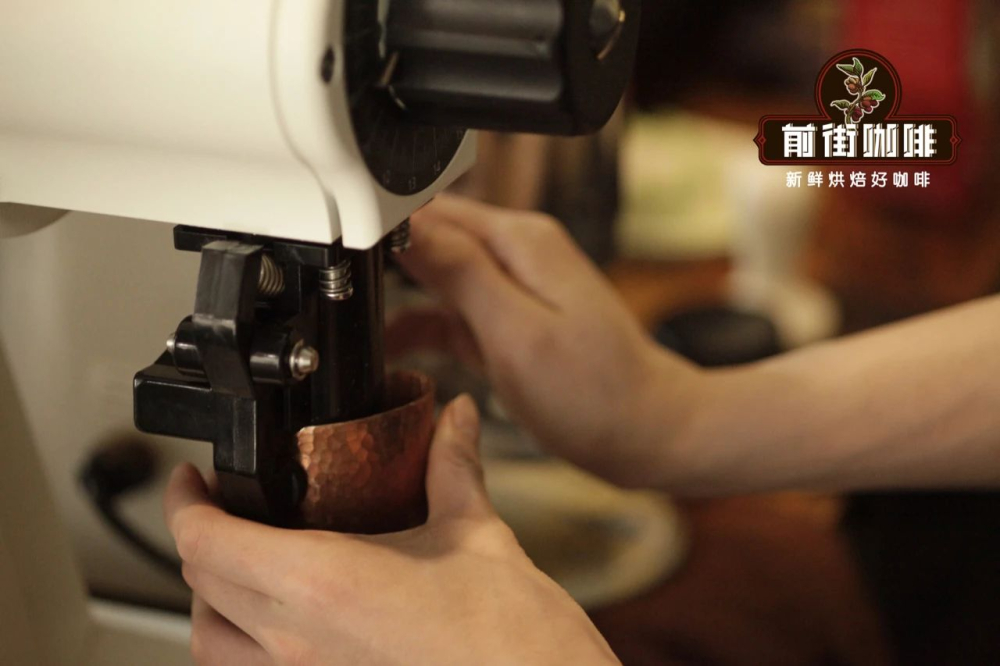
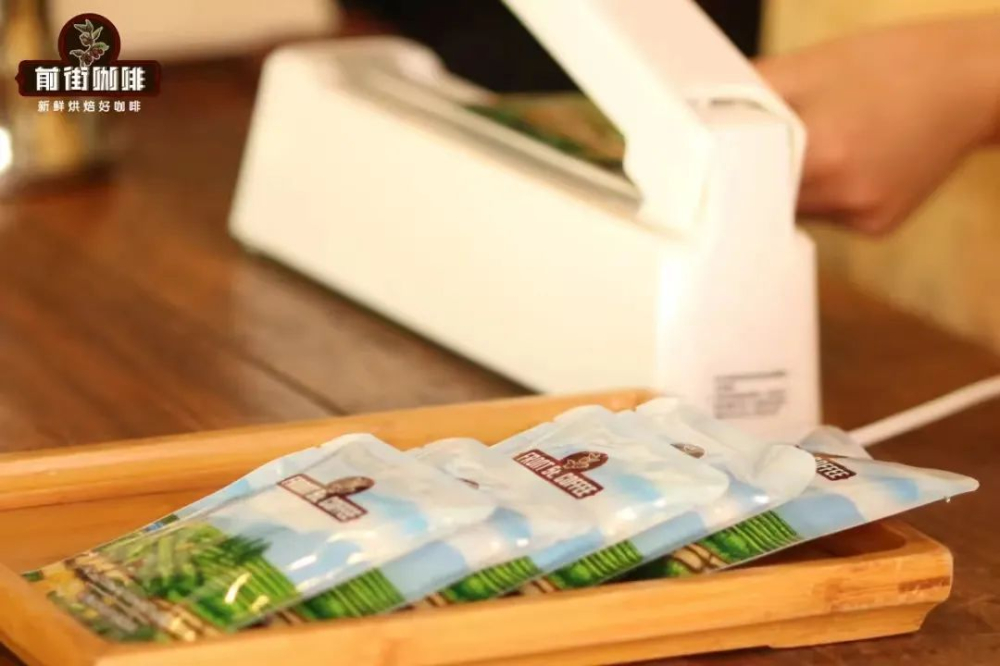
To maintain optimal flavor, most drip bag coffees on the market are made with freshly roasted coffee beans. For example, some brands ensure that the coffee beans are ground into powder and packaged within 4–5 days of roasting, and recommend that consumers drink them as soon as possible after receiving to experience the richest aroma and layered taste. If you’re seeking a more complete flavor profile, it’s recommended to purchase whole coffee beans and grind them yourself for brewing, which can deliver a more dimensional taste experience.
To brew a drip bag coffee with rich flavor and a strong aroma, controlling water temperature and the coffee-to-water ratio is key. Generally, it is recommended to use hot water at 90–93°C. A lower temperature (around 80°C) may result in under-extraction, leading to a thin-tasting coffee; if the water is too hot, close to boiling point, it can easily release excessive bitter and astringent compounds. In practice, many coffee enthusiasts let just-boiled water sit for 1–2 minutes to allow the temperature to drop to a suitable extraction range.
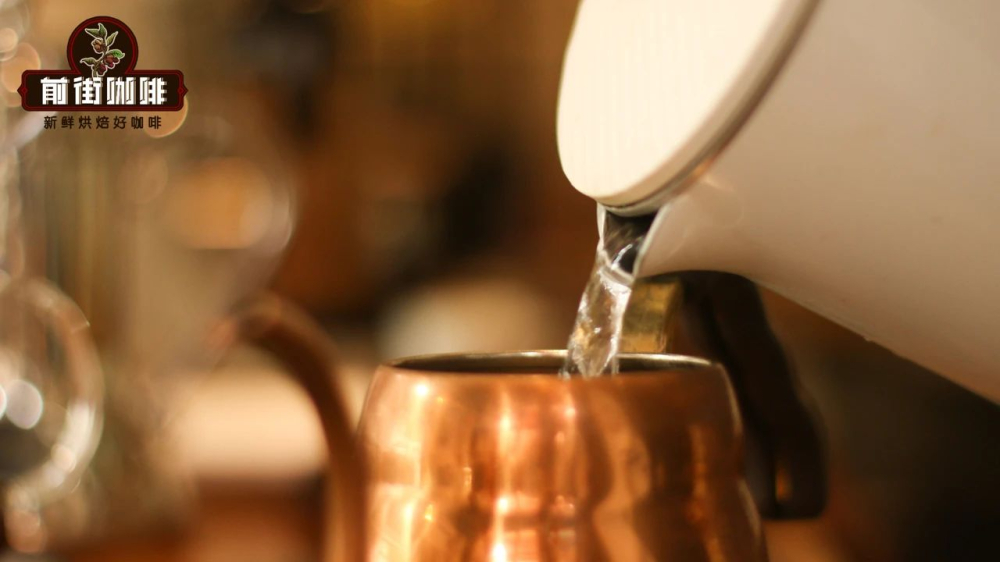
In addition, the coffee-to-water ratio is also extremely important. A standard drip bag typically contains 10 grams of coffee grounds, and it is recommended to use a 1:15 ratio, meaning about 150 grams of hot water should be poured. This ratio achieves a balance between flavor and strength. If you don’t have an electronic scale, you can also estimate the water volume using a marked cup.
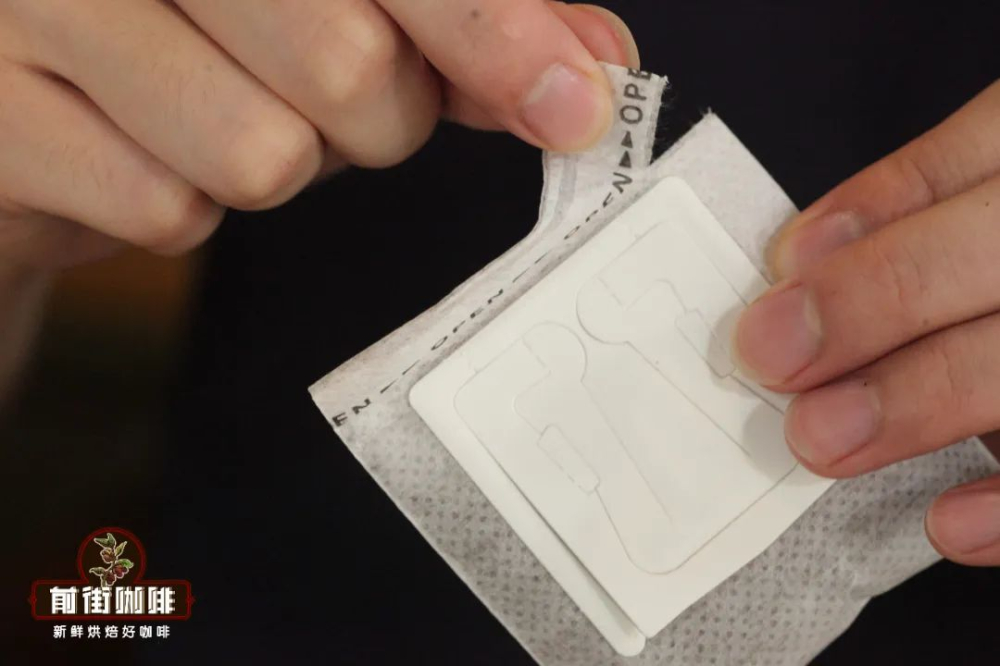
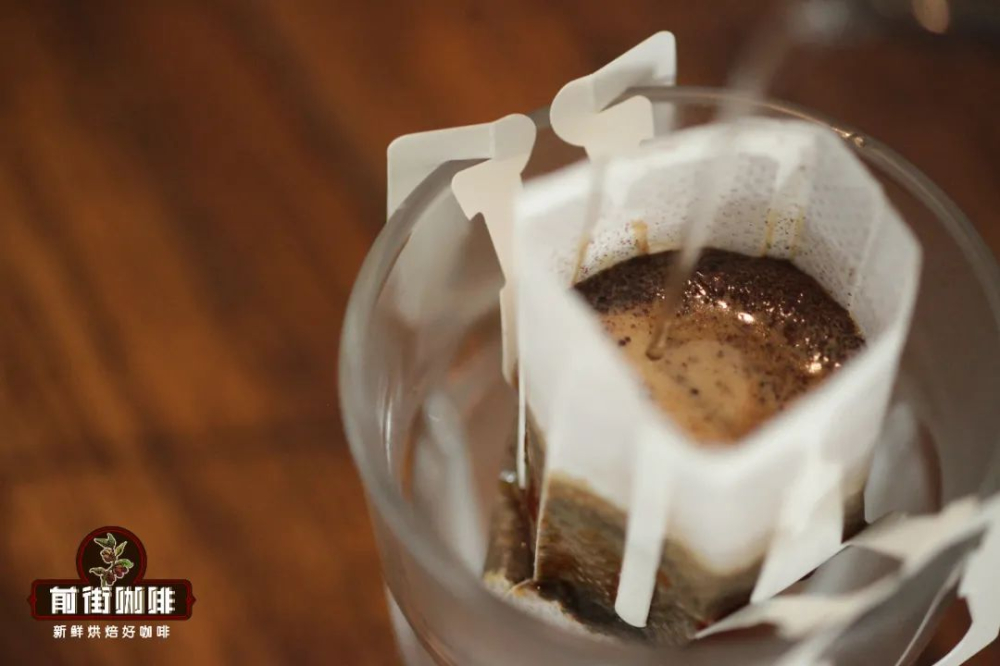
During actual brewing, it is recommended to pour in three stages. First, pour a small amount of hot water (about 30 grams) to fully saturate the coffee grounds, then let it bloom for 10–20 seconds. This step helps release carbon dioxide from the coffee grounds, contributing to a more stable extraction later. Next, continue pouring with a steady and fine stream of water until the liquid level approaches the rim of the cup. Once the dripping speed slows down, pour the final portion of water, keeping the total water volume around 150 grams, until the filtration is complete.
Below are several recommended classic coffee beans suitable for making drip bags, all with outstanding flavor profiles and suited to different preferences:
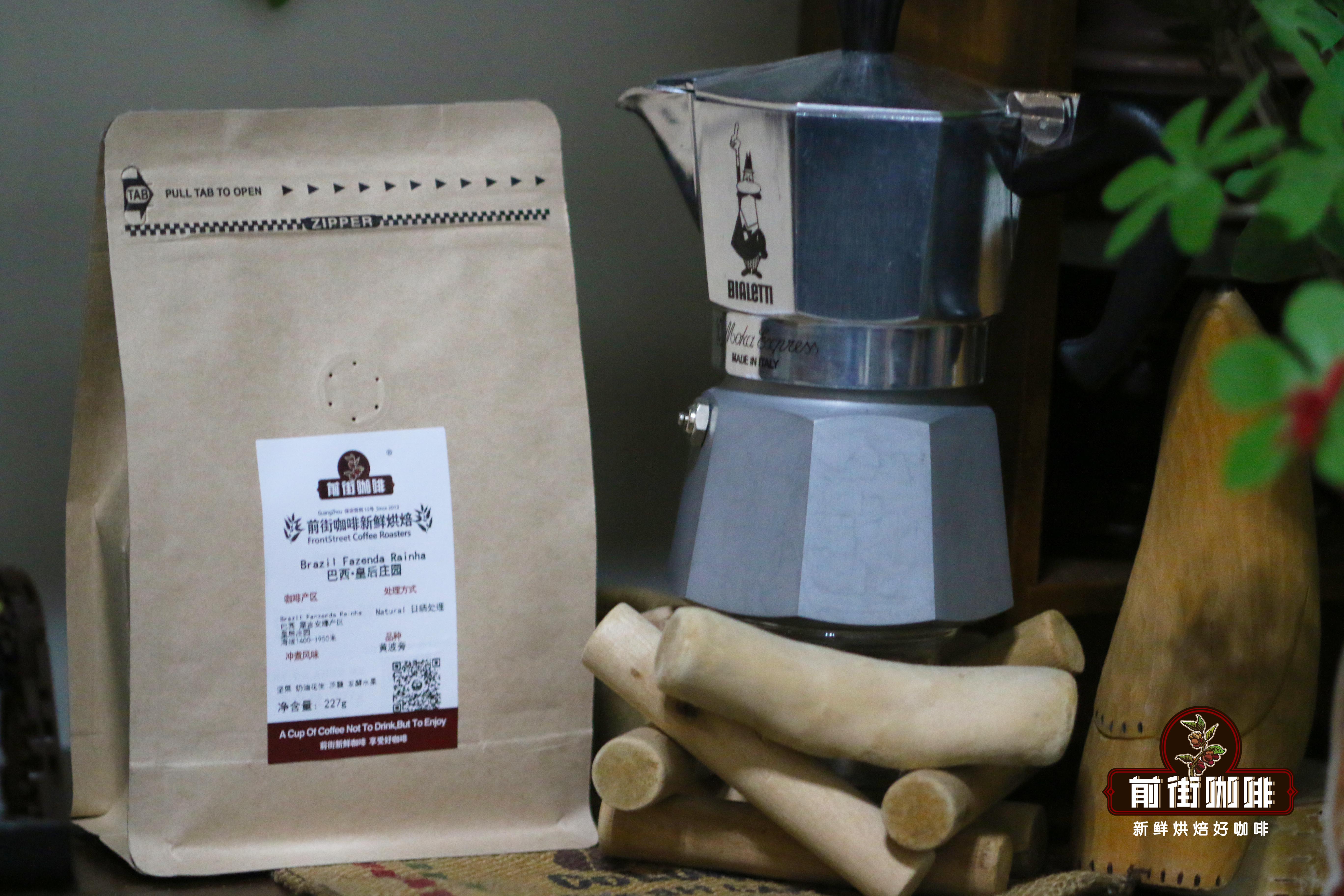
First is a washed coffee from the Yirgacheffe region of Ethiopia, known for its citrus, berry, lemon, and green tea aromas, bright acidity, and refreshing taste. The Yellow Bourbon from Fazenda Rainha in Mogiana, Brazil, showcases rich notes of dark chocolate, cream, and nuts, with a full-bodied texture and sweet aftertaste. Additionally, the Huika coffee from Sidamo, Ethiopia, is famed for its unique strawberry cream and passion fruit flavors. The natural processing method brings out abundant sweetness and fruity notes, making it highly suitable for those who enjoy fruity profiles.
The above content is compiled by CoffeeHunters, a coffee news website.


