








Introduction:The term "Mocha coffee" often brings to mind a chocolate-flavored espresso beverage, but its origins actually trace back to the ancient port of Yemen. This article delves into a detailed comparison between authentic Yemeni Mocha single-origin beans and modern espresso-based Mocha, explaining the historical significance of the traditional port, bean variety characteristics, and key brewing parameters for both methods. It also provides expert-level pour-over and espresso preparation steps to help coffee enthusiasts discern the true flavor profile of Mocha.
When discussing Mocha coffee, many people first think of the rich drink on café menus that combines chocolate syrup and milk, with only a few drinkers aware of its deep connection to Yemen. In fact, the term "Mocha" originates from an ancient, once-thriving port along the Red Sea, which served as a global trade hub between the 15th and 18th centuries. During this time, high-altitude coffee from the mountainous regions of central Yemen was exported to Europe, and because it all passed through the "Mocha Port," it gradually became collectively known as Mocha coffee. Notably, no coffee was actually grown near the port itself—it functioned solely as a transit point. Today, this historic port has been abandoned due to silt accumulation, with coffee now exported from the northwestern port of Al Hudaydah. Yet, the name "Mocha" endures.

Genuine Yemeni Mocha beans are rarely seen on the market today, largely due to the country’s prolonged instability. Only a small quantity manages to overcome numerous challenges and reach the market each year. We once obtained a batch of Mocha Mattari coffee from the Bani Mattar region, where the name of the producing area was directly adopted as the bean variety name. Observing the packaging of Yemeni coffee, it differs from the usual coarse burlap sacks—instead, they use fine-mesh fabric bags similar to flour sacks, showcasing a distinctive traditional style.

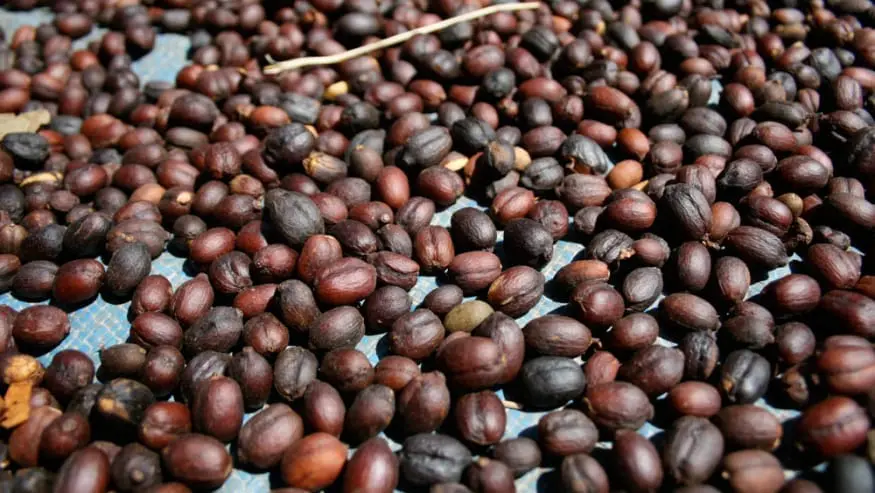
Delving into the essence of Yemeni Mocha single-origin beans, their cultivation altitude ranges between 1,300 and 1,900 meters. The main varieties include Typica and Bourbon, and the processing method is natural (sun-dried). It’s worth noting that the sun-drying process by Yemeni farmers is relatively rudimentary—they tend to let the coffee cherries dry naturally on the tree until they turn deep purple-black before harvesting. This contrasts with the refined raised-bed sun-drying methods used in other regions. This approach imparts a bold, wild flavor to Mocha beans, but also leads to significant variability in quality between batches. When roasting this coffee, we opted for a medium roast to preserve its unique cocoa acidity and rich body.
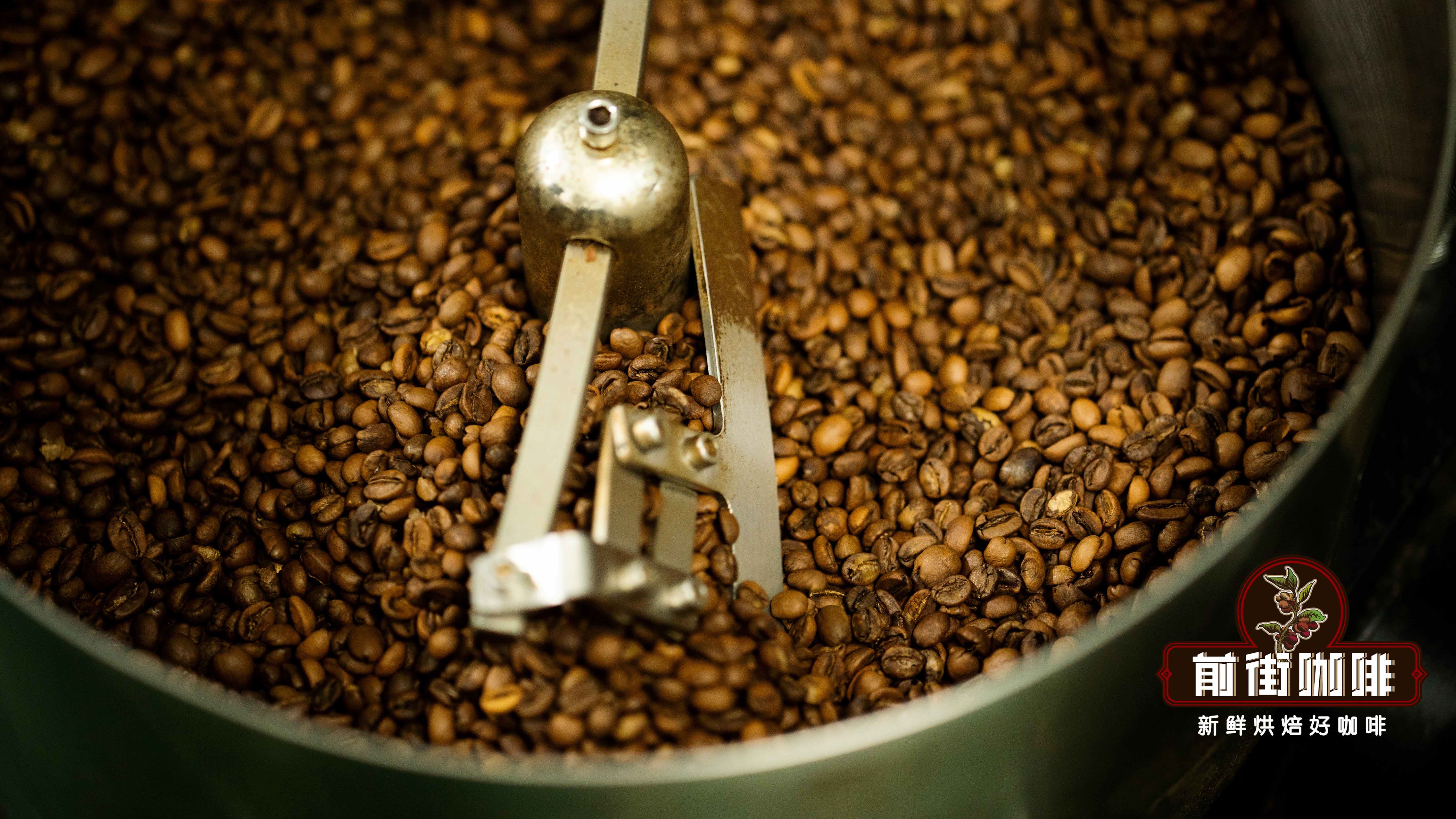
Given the inherently low moisture content of Yemeni Mocha green beans, roasters need to pay special attention to avoiding excessively high charge temperatures and to accelerating the initial drying phase. This helps maintain the necessary moisture for optimal development during the first crack, thereby shaping the desired flavor and mouthfeel. The recommended procedure is to preheat for 30 seconds, then set the air vent to 3. Once the bean color turns light green or white, adjust the air vent to 4. After the first crack, open it fully to 5. The specific temperature control process is as follows: start at 170°C, reduce the heat to 140°C after 1 minute and maintain it until the 5th minute when the bean temperature reaches 147.2°C, the appearance is yellow, and grassy notes have dissipated. Then reduce the heat to 110°C and set the air vent to 4. By the 8th minute, when wrinkles and black spots appear on the bean surface signaling the prelude to first crack, carefully listen for the first crack to begin—around 8 minutes and 23 seconds. Immediately reduce the heat to 60°C and fully open the air vent. The roast is completed at 197.9°C.

For brewing Yemeni Mocha, we recommend using a Kono filter cone. Its short ribs help extend extraction time, enhancing the coffee’s body. In practice, set the grind size to medium-coarse (approximately 70% through a #20 sieve), with water temperature controlled at 90°C. Use a 1:15 coffee-to-water ratio with 15 grams of coffee. The step-by-step brewing process is as follows: start with a 30-second bloom using 30 grams of water, then pour in small circles until reaching 125 grams for the first pour. When the water level is about to expose the coffee bed, continue pouring to 225 grams before stopping. Remove the filter cone just before the water level drops enough to expose the coffee bed again. The total extraction time is approximately 2 minutes and 6 seconds.

The resulting flavor profile of brewed Yemeni Mocha is quite rich, with well-defined mid-palate layers. The entry reveals subtle grape-like acidity, while the finish offers lingering spice notes and a sweet aftertaste reminiscent of Middle Eastern milk tea. The cup base retains a distinct malted sweetness, delivering an overall exotic character.

As for the modern espresso-based Mocha commonly served in cafés, it actually shares historical roots with Yemeni Mocha. Although contemporary Mocha is made with espresso, milk, and chocolate, its name dates back to 18th-century Europe. At that time, the Mocha Port’s monopoly on coffee was gradually declining, and European consumers longed to recreate that unique flavor. As a result, beverages combining espresso with dark cocoa emerged, aiming to mimic the taste of the prized Mocha beans. Modern versions of Mocha typically use a blend of sun-dried Yirgacheffe and wine-barrel-fermented beans, paired with sweet chocolate syrup and high-lactose fresh milk.
To prepare it, first mix 30 grams of sweet chocolate syrup thoroughly with a double shot of espresso. Next, heat the milk to 55–60°C (note that the chocolate syrup will dilute the coffee crema, so aim for a slightly thicker milk foam than in a latte—about 1.5 cm thick, but not as thick as in a cappuccino). Finally, finish with latte art to create this classic drink that blends coffee and chocolate flavors.

The above content is compiled by CoffeeHunters, a coffee news website.


