







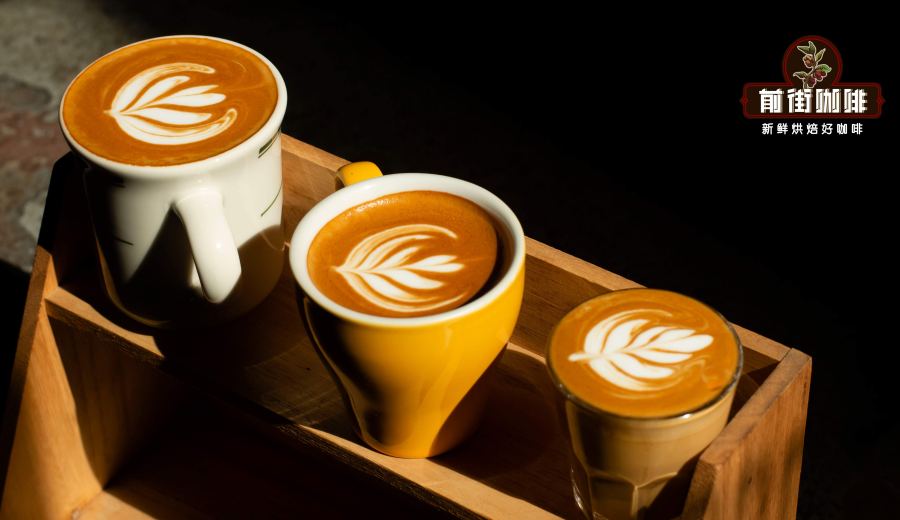
Introduction:Do you know why professional coffee shops use specific cup sizes for different types of coffee? From espresso to latte, the optimal flavor presentation of each coffee is closely tied to the cup size. This article delves into the standard specifications of espresso cups, including the practical differences between 60ml espresso cups, 180–200ml cappuccino cups, and 300ml latte cups, and provides professional brewing ratios and temperature control tips to help you achieve the best experience whether brewing at home or enjoying coffee out.
Walk into any professional coffee shop, and you’re sure to notice an array of ceramic cups in various sizes neatly lined up behind the bar — this isn’t random. From small espresso cups to wide-mouthed latte cups, each cup size is meticulously designed, not only influencing the coffee’s appearance but also directly affecting flavor release and the overall drinking experience.
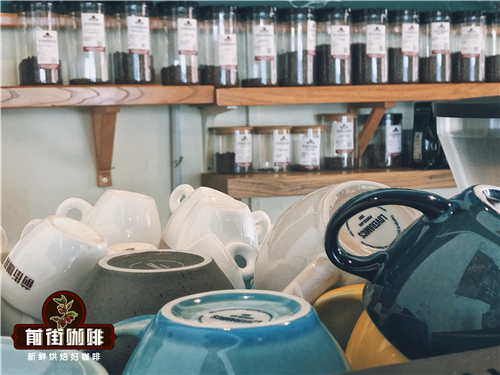
Small Coffee Cup (Approximately 60ml) is the gold standard vessel for espresso. As shown in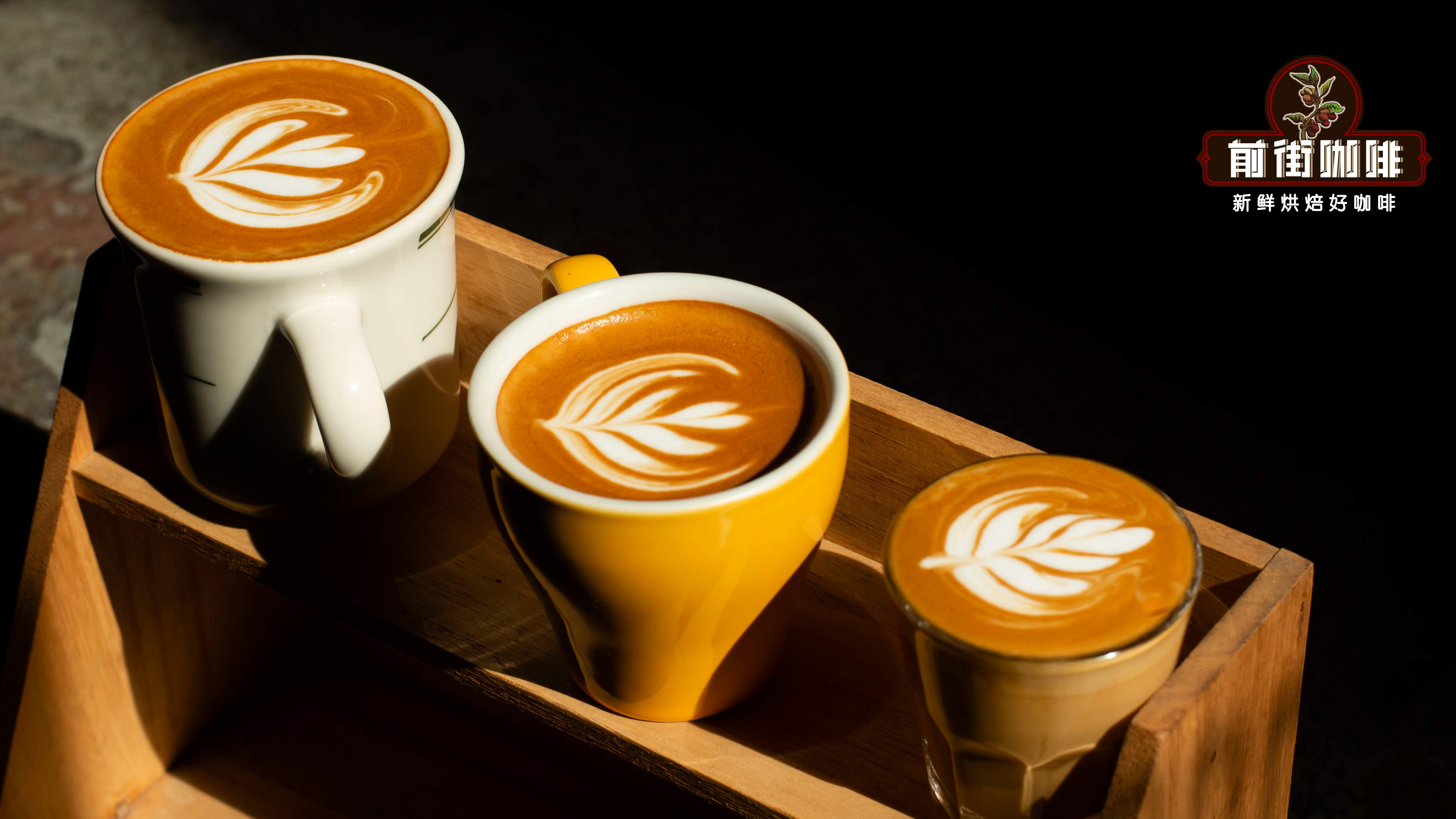 , this small white ceramic cup can perfectly hold a single shot made from 20g of coffee grounds yielding 40g of espresso (with an extraction time of about 28 seconds), with the golden crema layer appearing especially rich in the mini cup.Special Note:This capacity offers the best heat retention, extending the optimal tasting window of the espresso by about 2–3 minutes. Interestingly, such cups are also often used as sharing vessels for single-origin pour over coffee.
Medium Cup (180–200ml) is suitable for two classic coffee styles:AmericanoandCappuccino. When making an americano, it’s recommended to mix 40g of espresso with 160g of hot water at a 1:4 ratio (as shown in ), which balances bitterness and aroma. As for the cappuccino (see
 ), the key lies in using 20g of espresso paired with 160ml of steamed milk — after frothing to fine, microfoam, use the “center pour + circular motion” technique to form a standard shape that’s 11/10 full, featuring a distinct “white-brown ring” pattern.
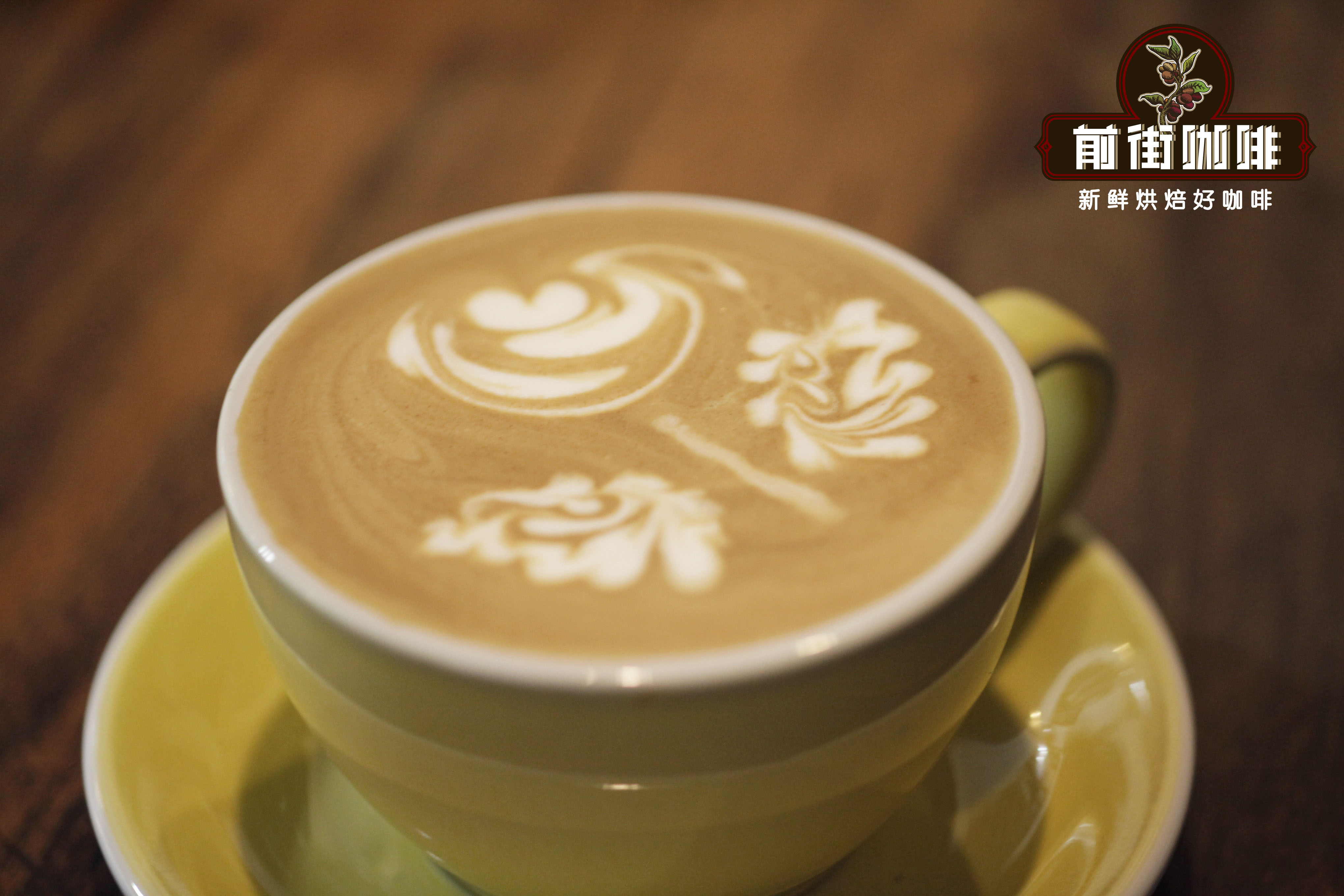
Large Coffee Cup (300ml) is the dedicated stage for lattes and mochas (as shown in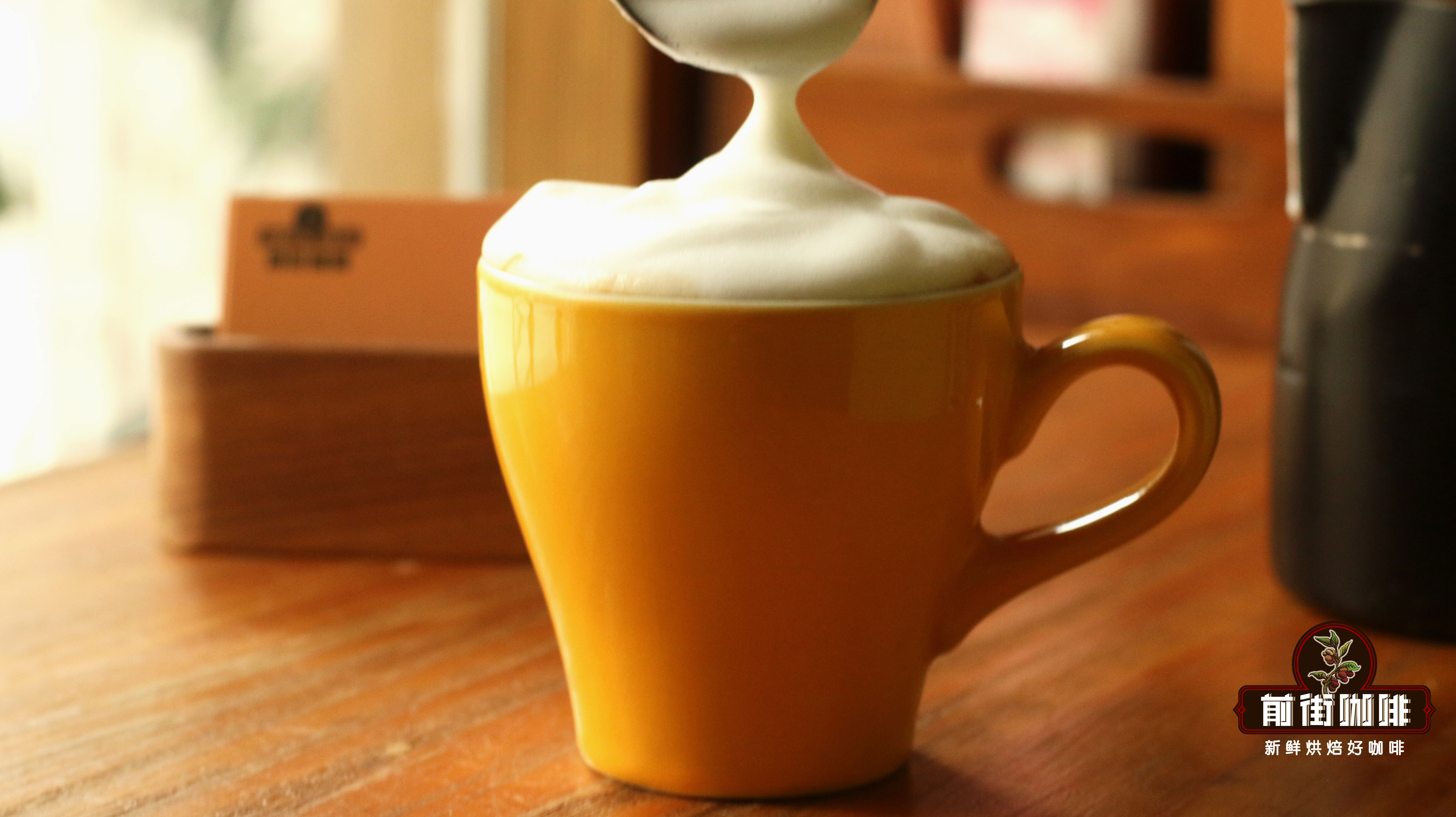 ). The professional method involves slowly integrating 40ml of espresso with 260ml of hot milk in a “rope-like” flow; this 1:6.5 golden ratio highlights the sweetness of the milk without masking the core flavors of the coffee. Special tip: The wide mouth design facilitates intricate latte art, while milk temperature should be controlled at 60–65°C to preserve the sweetness of lactose.
Common Misconception Reminder: Many people think cup size only affects capacity, but in realitythe rim angle and materialare equally crucial. For example, latte cups usually feature a slightly flared wide rim, which helps concentrate aromas; whereas espresso cups have a straight, narrow rim to focus volatile aromatic compounds. Additionally, ceramic retains heat more steadily and preserves crema integrity better than glass.
Professional Suggestion: Home users can refer to this guide when purchasing — use a 60ml cup for practicing espresso, opt for a thick-walled 300ml ceramic cup for everyday lattes, and go for a 200ml cup with “chalkboard-style” non-slip base for cappuccinos. Remember, choosing the right cup is as important as selecting the roast level — it's an invisible key element in crafting a great cup of coffee.
The above content is compiled by CoffeeHunters, a coffee news website.


