







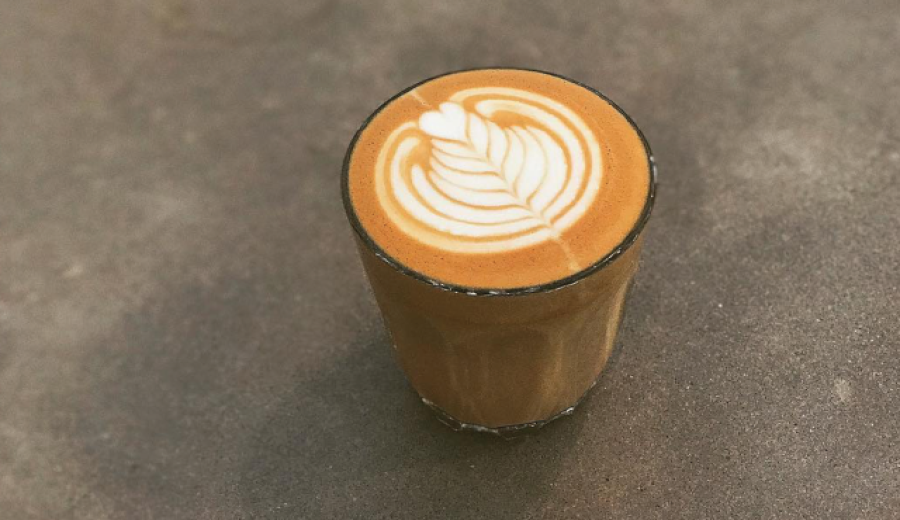
Introduction:The Piccolo latte is a small-sized Italian-style coffee that combines espresso with a small amount of steamed milk, typically around 90–100ml in volume. It’s an excellent choice for experiencing the essence of coffee flavors. This article will delve into the milk ratio of the Piccolo, its unique flavor characteristics, and provide detailed brewing steps so even coffee beginners can easily recreate this classic mini latte originating from Australia at home.
Piccolo Latteis a mini coffee beverage based on espresso and topped with steamed milk, usually with a total volume between 90–100ml. Compared to regular lattes, it is noticeably smaller in size, hence also referred to as a "small latte" or "mini latte." This coffee uses lightly roasted beans, which bring out bright aromas while maintaining the smooth texture of milk.
Why is the serving size of the Piccolo latte so small? Actually, this drink originated in Australia and was initially designed for baristas to quickly test the compatibility between coffee beans and milk without having to make a full-sized latte. Traditional large lattes are about 200–300ml, with a higher proportion of milk that can easily mask the unique characteristics of the coffee beans. The Piccolo, by reducing the amount of milk, allows the coffee flavors to stand out more prominently.
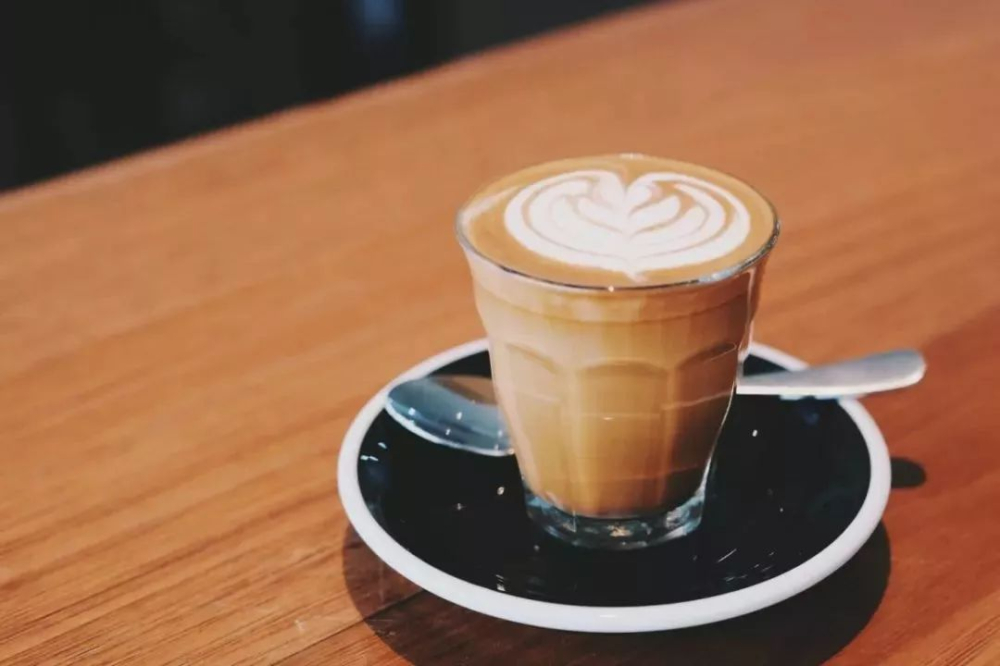
In Australian cafés, ordering a Piccolo usually gets you a 3–4 ounce (approximately 88–118ml) hot milk coffee served in a glass. The specialty of this coffee lies in its subtle aroma; upon tasting, you can feel the creamy texture of the milk along with a rich coffee flavor, and the aftertaste lingers even after finishing the cup. Some first-time drinkers might find the serving size small, but this design is actually intended to let each sip fully capture the delicate balance between coffee and milk.
With the rise of specialty coffee culture, more and more people are seeking beverages that highlight the unique flavors of coffee beans. Traditional large lattes, due to their higher milk content, often dilute the original characteristics of the coffee, whereas the Piccolo, through its small serving size and moderate milk ratio, can better present the floral, fruity, and other delicate notes of the beans. This design not only caters to consumers who prefer to limit their caffeine intake but also allows enthusiasts of refined coffee experiences to enjoy a more intense coffee flavor.
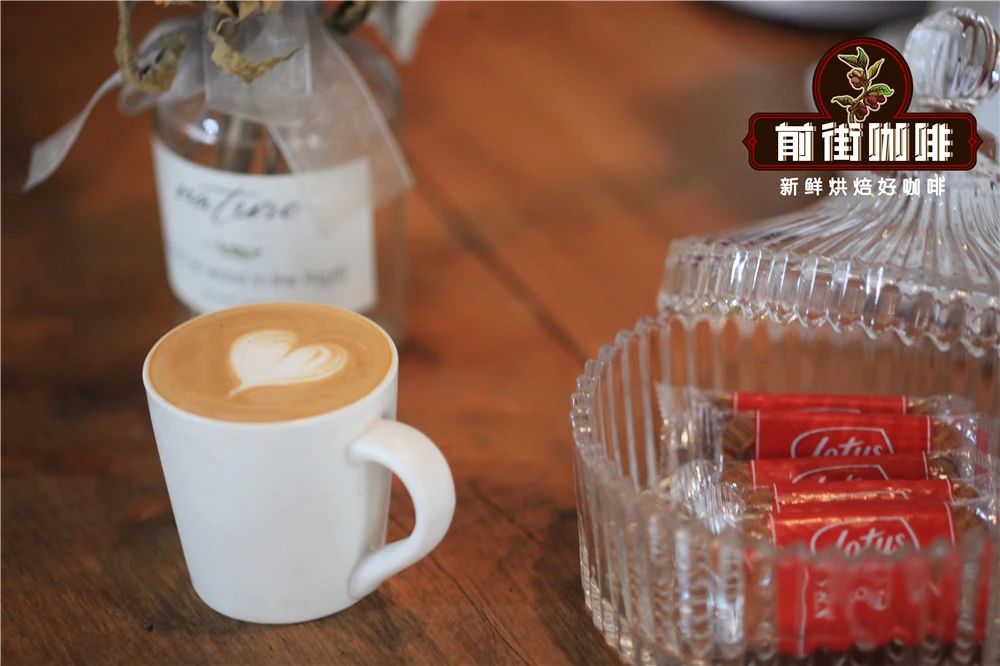
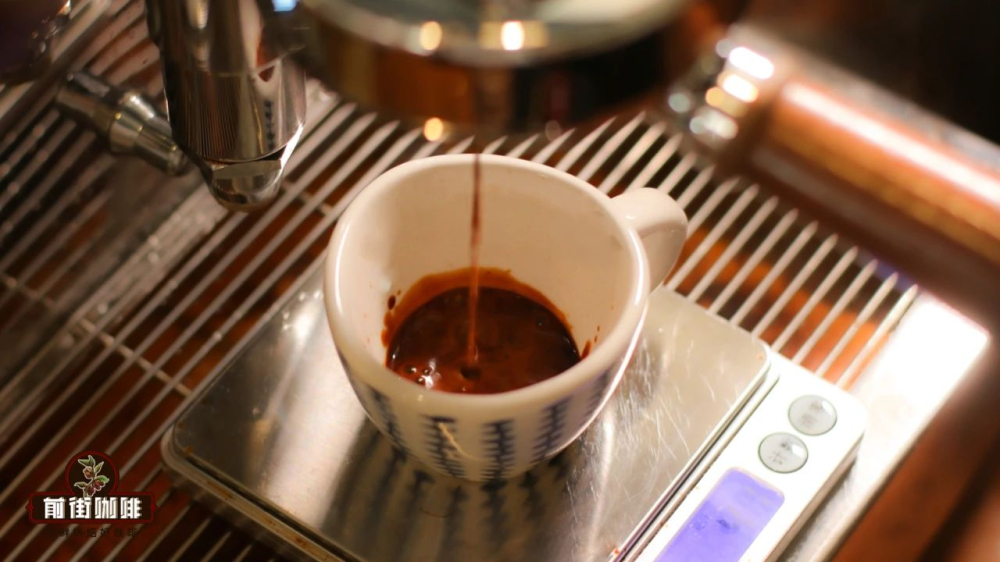
To make a standard Piccolo latte, it is recommended to use a small cup with a capacity of about 90–100ml, with a coffee-to-milk ratio of approximately 1:5. First, you need to prepare asingle Ristrettoas the base. This is a type of espresso that is extracted only from the first and middle parts of the shot, resulting in a richer and more concentrated flavor. Specifically, you can use 20 grams of coffee grounds, with an extraction time controlled between 20–25 seconds, aiming to produce 28 grams of coffee liquid—about 14 grams of which is the single Ristretto—to be poured into the cup as the base.
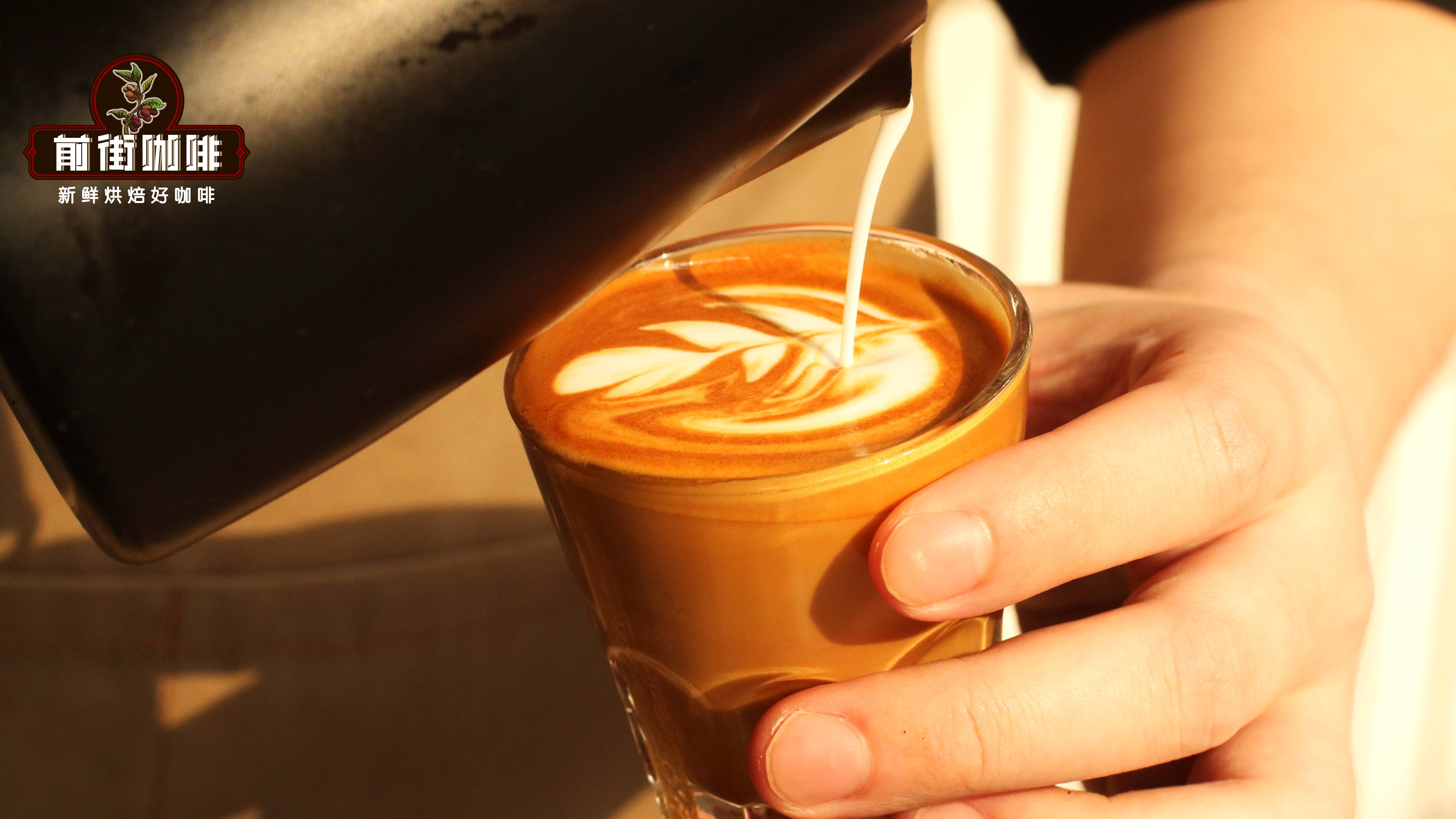
Milk preparation is equally crucial. It is recommended to use a 350ml milk pitcher and pour in 100ml of milk for steaming. Due to the smaller amount of milk, special attention should be paid to the technique—ideally, the milk foam thickness should be controlled at around 0.3–0.5cm, with the steaming temperature maintained between 55°C–60°C to ensure it isn’t too hot when consumed. Mix the steamed milk evenly with the Ristretto, and when the cup is about three-quarters full, you can proceed with latte art. Drinking it immediately after pouring yields the best taste experience.

The final flavor profile of the coffee largely depends on the coffee beans used. For example, a light-roasted blend can bring out aromas such as vanilla, cream, chocolate milk, accompanied by the sweet-tart notes of berries, with a long-lasting and layered aftertaste. This combination of flavors makes the Piccolo latte an excellent choice for experiencing the essence of coffee, and also an ideal entry point for many coffee lovers into the world of specialty coffee.
The above content is compiled by CoffeeHunters, a coffee news website.


