








Introduction:The Piccolo Latte, a niche yet uniquely flavorful espresso-based drink, has gradually garnered attention among coffee enthusiasts in recent years. This article delves into the origins of the name, the standard preparation ratio and method of the Piccolo Latte, and uses real examples to illustrate its subtle differences from the Flat White in terms of taste, milk foam, and espresso base. Whether you're just starting out or already familiar with various coffee beverages, you’ll learn how to appreciate this refined 100 ml cup.
Piccolo LatteThe name “Piccolo Latte” comes from Italian, where “Piccolo” means “small,” and “Latte” means “milk.” Since “Piccolo” also means “piccolo (a small flute)” in English, this coffee is also translated as “Piccolo (short flute) Latte.” Compared to common lattes or cappuccinos, the Piccolo Latte is smaller in volume, typically using 15–20 ml of espresso paired with about 100 ml of steamed milk. This overall proportion allows the intrinsic flavors of the coffee to shine more prominently.

Making a Piccolo Latte is essentially like making a mini latte. A common method is to use a small cup of around 30 ml, pour in about 15–20 g of ristretto espresso, then add approximately four times the volume in milk. This ratio allows the coffee and milk to blend well while maintaining the distinct flavor of the espresso and the smooth texture of the milk.

If you don’t have a dedicated 100 ml Piccolo cup at home, you can also use a slightly larger cup (such as one of 150 ml). Taking an actual demonstration as an example, using 30 g of espresso paired with 120 g of milk still maintains a 1:4 coffee-to-milk ratio. This recipe preserves the essence of the Piccolo Latte while being convenient for everyday use. It’s worth noting that the flavor profile of the coffee beans used will greatly affect the final outcome, so it’s recommended to choose a well-blended, crema-stable blend.
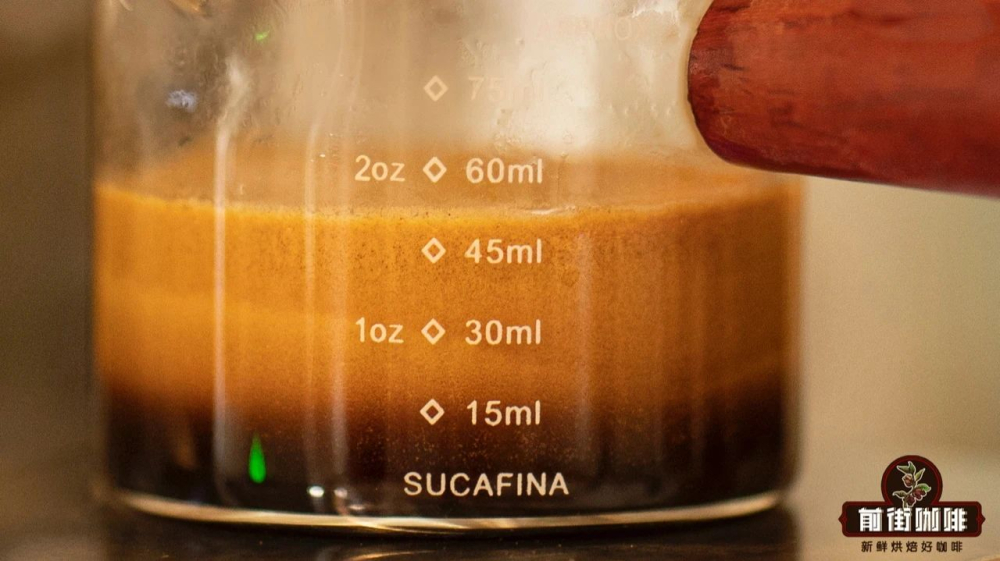
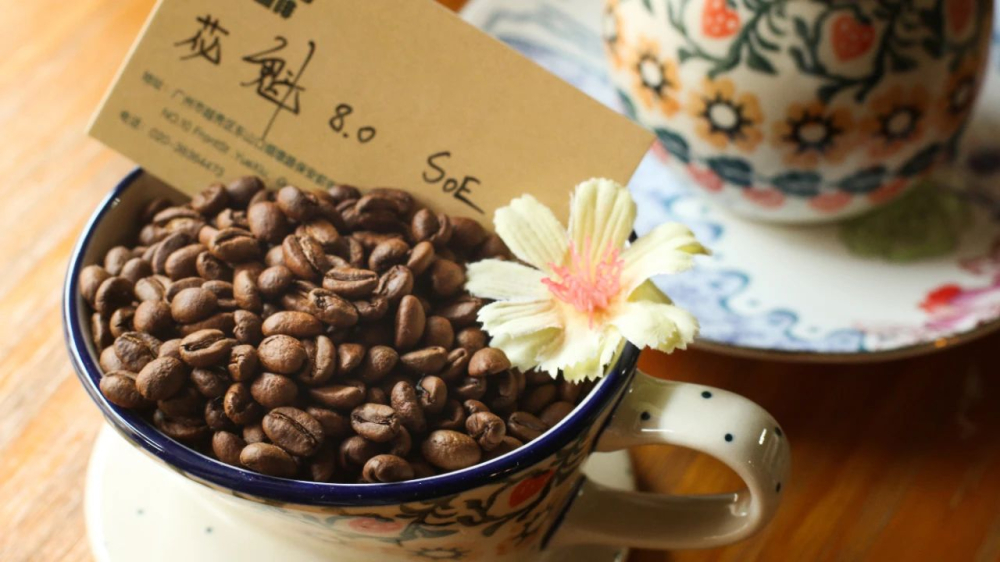
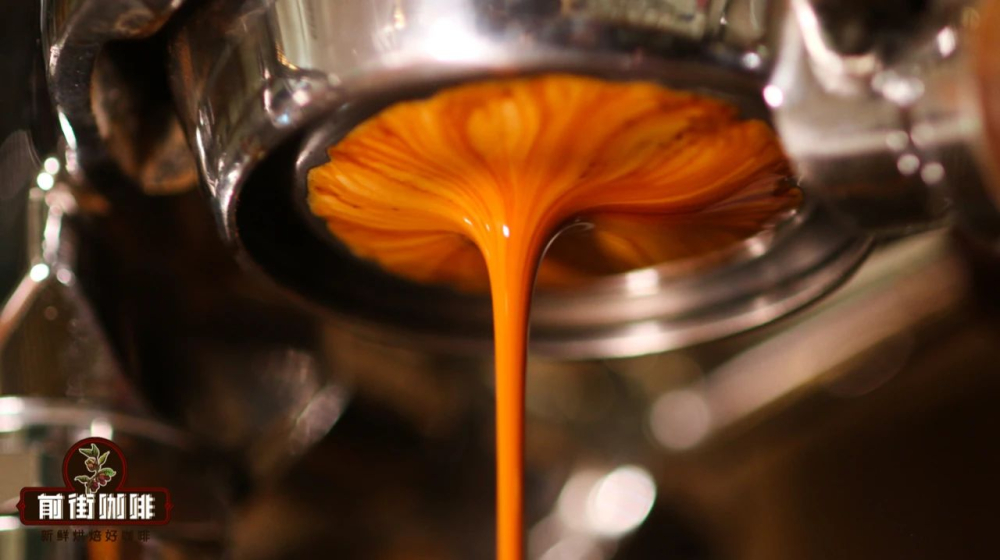
In this demonstration, a custom-blend coffee named “Sunflower · Warm Sun” was used, consisting of 70% Honduran Sherry and 30% Ethiopian Yirgacheffe Natural Red Cherry. This bean produces a rich cocoa aroma after extraction, with a hint of fruity acidity and berry notes, along with a slight trace of whiskey. The finish is smooth and comforting. Using 18 g of coffee grounds and extracting 30 g of espresso in 27 seconds, these brewing parameters fully showcase the characteristics of the beans and are also suitable as a base for the Piccolo Latte.

The mouthfeel of the Piccolo Latte is described as being close to a milkshake but more intense than a latte, yet not as strong as an espresso. Its milk foam is finer and smoother compared to that of a cappuccino, with thickness somewhere between that of a Flat White and a latte. Due to the 1:4 ratio of coffee to milk, the aroma and flavor of the espresso are more pronounced, making it especially suitable for those who want to savor the essence of coffee without it being too overwhelming.
As for the differences between the Piccolo Latte and the Flat White, they mainly lie in the coffee base, the amount of milk, and the thickness of the milk foam. The Flat White generally uses a single or double ristretto (Double Ristretto) as its base, originating from New Zealand and Australia, though the methods differ slightly between the two places. Baristas in New Zealand tend to prefer a double ristretto, while those in Australia often use a single shot. Additionally, the Flat White has thinner milk foam and less milk, allowing the coffee to present more directly, making it ideal for highlighting the regional characteristics and processing flavors of the coffee beans.
Simply put, a latte is like “coffee-flavored milk,” a cappuccino is like “coffee full of foam,” and a Flat White is closer to “coffee with a little milk.” In comparison, the Piccolo Latte is a refined version of the latte—with a smaller cup size, more concentrated coffee flavors, and milk foam smoothness between that of a Flat White and a cappuccino—offering a more balanced and layered overall drinking experience.
In summary, the charm of the Piccolo Latte lies in its small yet refined nature. Through a well-balanced ratio of coffee to milk, it allows you to enjoy the essence of espresso in a single sip, without losing the gentleness of the milk. Whether as a daily coffee choice or as an entry point to better understand coffee flavor profiles, it’s definitely worth a try. If you’d like to make it at home, remember to choose the right blend, control the extraction and milk ratio well, and you too can easily enjoy this classic Italian small-format coffee.

The above content is compiled by CoffeeHunters, a coffee news website.


