








Introduction:The Piccolo Latte is a miniature latte originating from Australia, renowned for its compact serving size and intense flavor profile. This article delves into its unique flavor characteristics, explores the key details of the authentic Australian method—including Ristretto extraction parameters, milk steaming techniques, and ratio blending—and shares a professional tasting process to help coffee enthusiasts master this often misunderstood classic beverage.

Step into a modern café, where milk-and-coffee combinations range from classic lattes to creative Dirty drinks. Among them, the Piccolo Latte may sound unfamiliar, but it is an elegant creation inspired by Italian culture by Australian baristas—with a serving size only half that of a standard latte, typically finished in just two or three sips. It’s ideal for consumers seeking the essence of espresso without excessive caffeine intake.

"Piccolo" means "small" in Italian, and the creation of this coffee is closely tied to baristas' daily quality control. It is said that early roasters and baristas, in order to evaluate the quality of espresso, would assess it in both pure and milk-added versions. However, regular large lattes often led to waste, prompting the development of a mini version with reduced milk content. Today, it has become an excellent vehicle for showcasing the nuanced flavors of coffee beans, especially appealing to those who enjoy a refreshing taste but don’t want to forgo the velvety texture of milk foam.

Regarding the preparation recipe for a Piccolo, there are diverse industry perspectives: some baristas advocate using a single shot of espresso paired with a small amount of milk foam, while more professionals recommend using a Ristretto (a type of strong espresso) as the base. This extraction method utilizes only the first and middle parts of the espresso shot.With an extraction time of about 20–25 seconds, it enhances the caramel and fruity acidity layers of the coffee. As there is no unified standard, the actual preparation requires adjusting ratios based on the flavor characteristics of the beans used. Typically, a 1:5 coffee-to-milk ratio is employed, served in a small cup with a capacity of 90–100 ml.

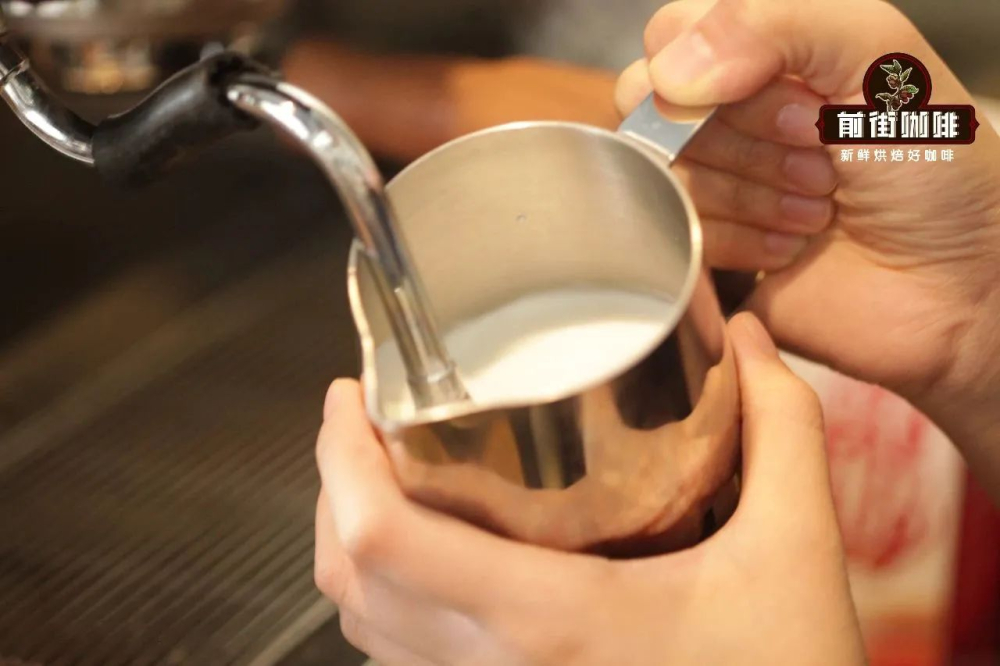
Milk handling is the key factor determining the success of a Piccolo. It is recommended to use a 350 ml pitcher filled with 100 ml of milk, steamed to a temperature within the55℃-60℃range—this range maintains the fineness of the milk foam while avoiding excessive heat. Unlike the flat white, the Piccolo does not require thick milk foam; maintaining a0.3~0.5cmlayer of microfoam is sufficient. Ensure stable movements during blending to evenly mix the Ristretto and milk foam. Once completed, fill to about seven-eighths full before performing latte art. Drinking it immediately allows for the optimal flavor experience.
When tasting a Piccolo, first pay attention to its layered aroma—due to the high proportion of Ristretto, it often carries distinct notes of chocolate, cream, and whiskey bonbons, complemented by the natural acidity of berries. The first sip should highlight the balanced texture between the milk foam and the concentrated coffee, followed by appreciating the layered aftertaste of spices and dried fruits. It is recommended to take small sips and observe the temperature changes from the middle of the mouth to the throat, finishing with a sip of water to enhance the lingering sweetness.

The above content is compiled by CoffeeHunters, a coffee news website.


