








Introduction:The Piccolo short latte is a mini milk coffee originating from Australia. Smaller in size than a flat white and with a higher ratio of espresso, it clearly showcases the essential flavors of the coffee. But why is it less commonly seen on café menus in Taiwan? This article delves into the standard preparation ratio of a Piccolo, compares it with the flat white, and shares professional baristas’ techniques for steaming milk and pouring latte art, helping you understand the charm and challenges of this refined beverage.
Among the many milk coffee drinks, although the Piccolo short latte is widely popular in Australia, it rarely appears on the menus of cafés in Taiwan. This coffee, known as the “little latte,” was actually created by baristas as a creative drink to avoid waste while testing beans and adjusting flavors. Not only is its serving size compact, but it also allows one to focus on the aroma and layers of the coffee.
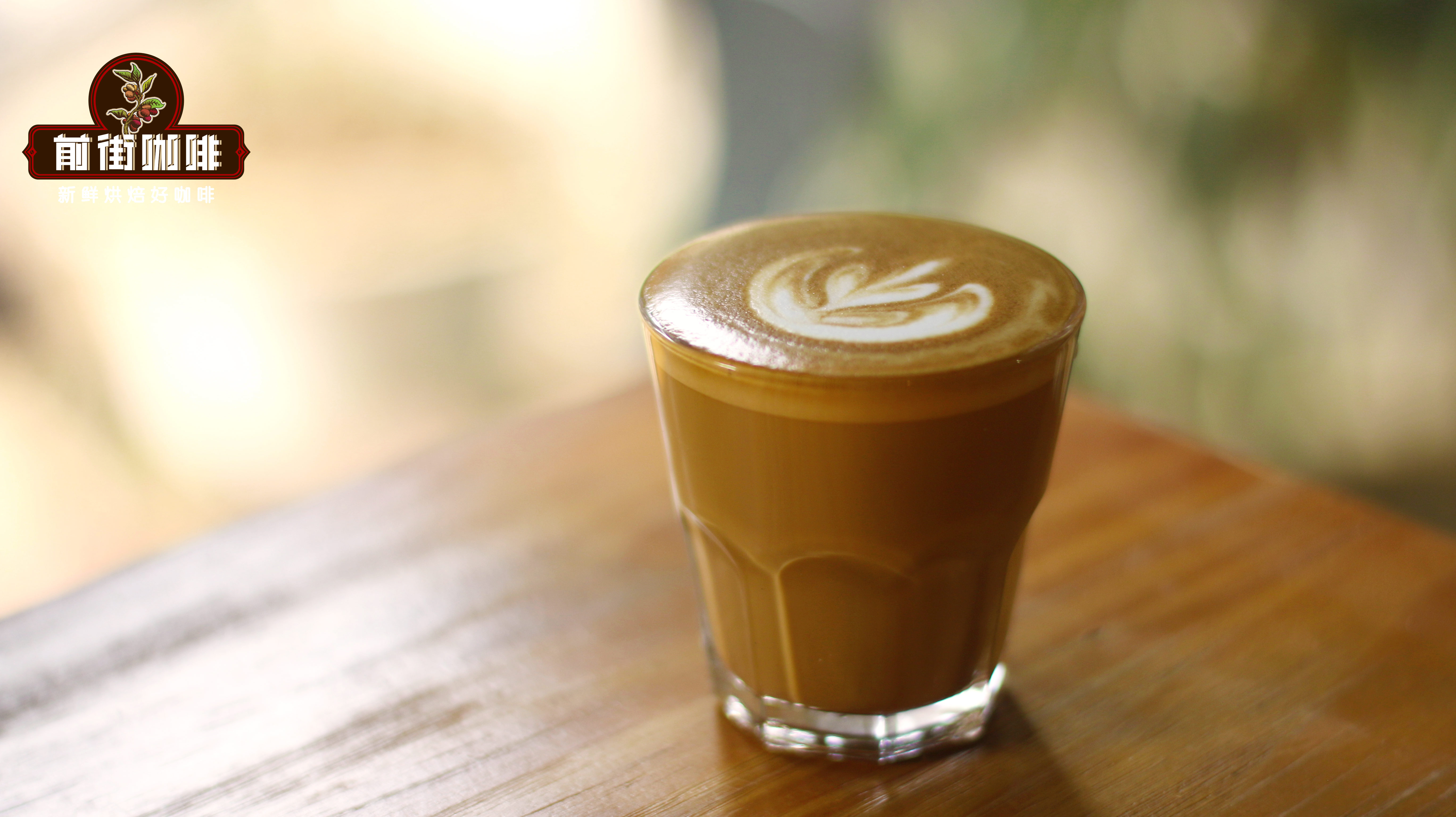
What’s the difference between a Piccolo and a flat white? Although both are small-sized milk coffees, the Piccolo uses a small cup of about 90ml, requiring only a single shot of Ristretto espresso (about 15ml), along with approximately 75ml of warm milk with a thin layer of microfoam, bringing the total volume to usually no more than 100ml. In comparison, a flat white generally uses a 150–200ml cup, based on a double shot of espresso, paired with around 150ml of hot milk with dense microfoam, resulting in a richer taste that is more “sippable.”
This small serving design allows the Piccolo to be finished in just a few sips, making it ideal for consumers who want to avoid too much caffeine or quickly enjoy the essence of coffee. Due to its compact portion, each sip delivers an excellent blend of coffee and milk, which also poses a greater challenge for baristas.
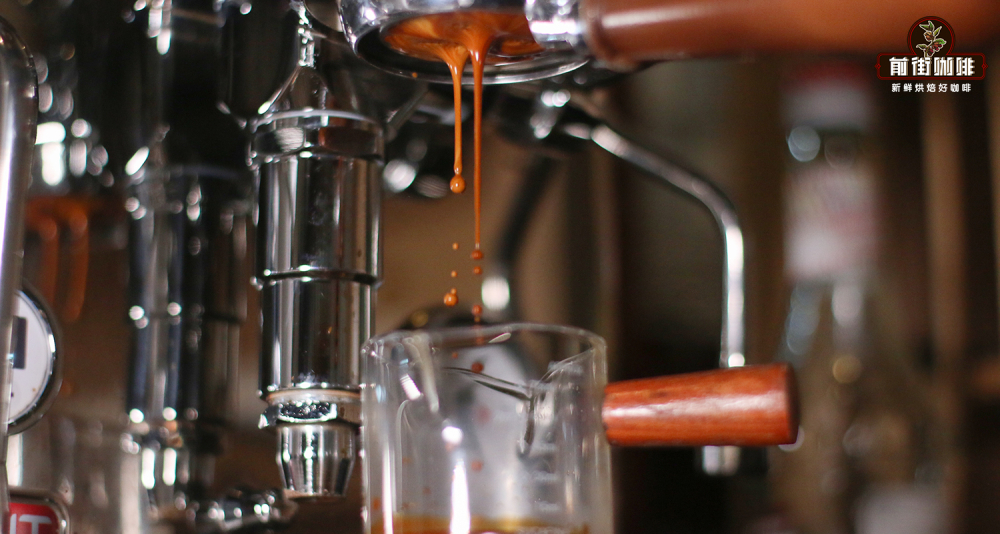
The key to making a high-quality Piccolo lies inthe perfect balance of espresso, milk, and microfoam.Traditionally, baristas use a single shot of Ristretto as the base — a type of espresso extracted only from the first and middle parts of the shot, offering a more concentrated flavor with enhanced sweetness and aroma. The generally recommended extraction ratio is 20 grams of coffee grounds yielding 28 grams of coffee liquid, with a time control of 20 to 25 seconds, and a single Ristretto shot weighing about 14 grams.
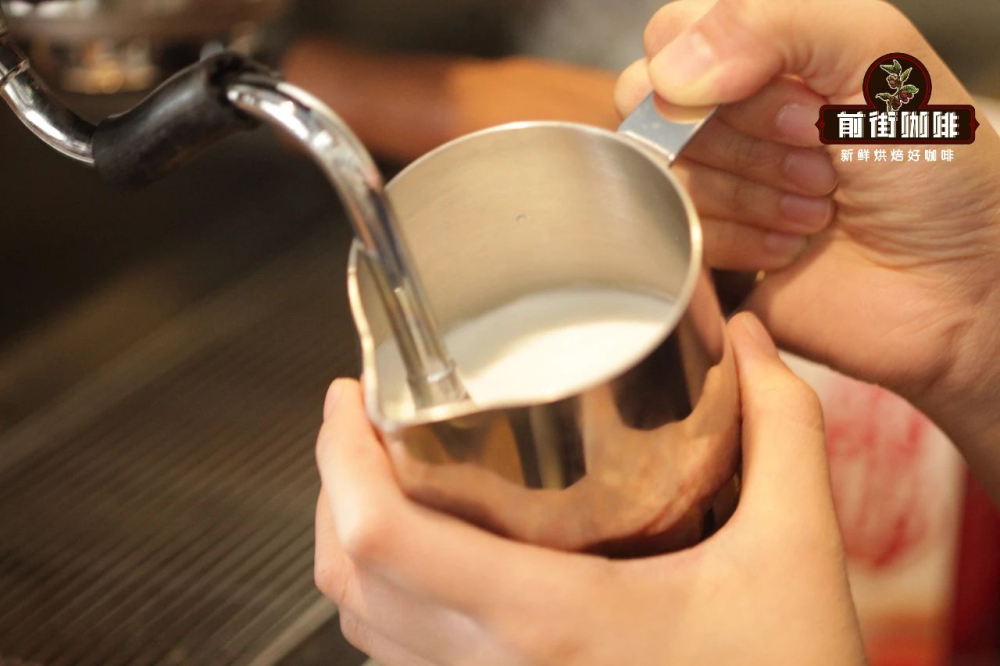
For the milk, the microfoam required for a Piccolo is thinner than that for a flat white, at about 0.3cm thick, with a steaming temperature recommended between 55°C and 60°C to avoid excessive heat affecting the overall taste. Due to the extremely small cup size, less air should be incorporated and the steaming time kept short when frothing the milk — a significant test of the barista’s skill. It’s advised to use a 350ml milk pitcher, pouring in only about 100ml of milk to better control the frothing quality and integration effect.
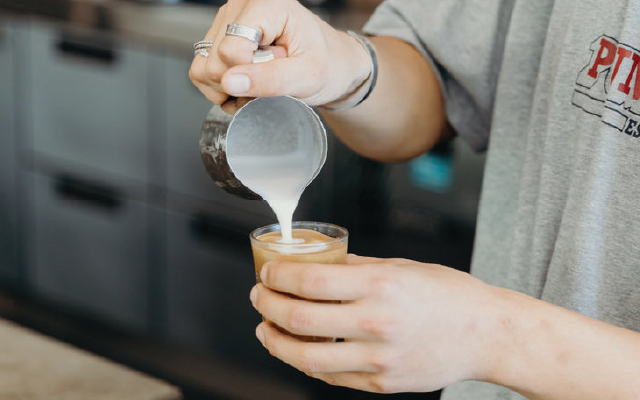
Uniformly integrating the steamed milk with the Ristretto espresso, and performing latte art when the cup is about seven-eighths full, can enhance both the visual and flavor layers of the entire drink. A well-made Piccolo should exhibit distinct milk and coffee aromas, with a smooth and velvety mouthfeel and a long-lasting aftertaste. Common flavor profiles include vanilla, cream, chocolate, and subtle notes of alcohol, accompanied by the sweet-tart tones of berries.
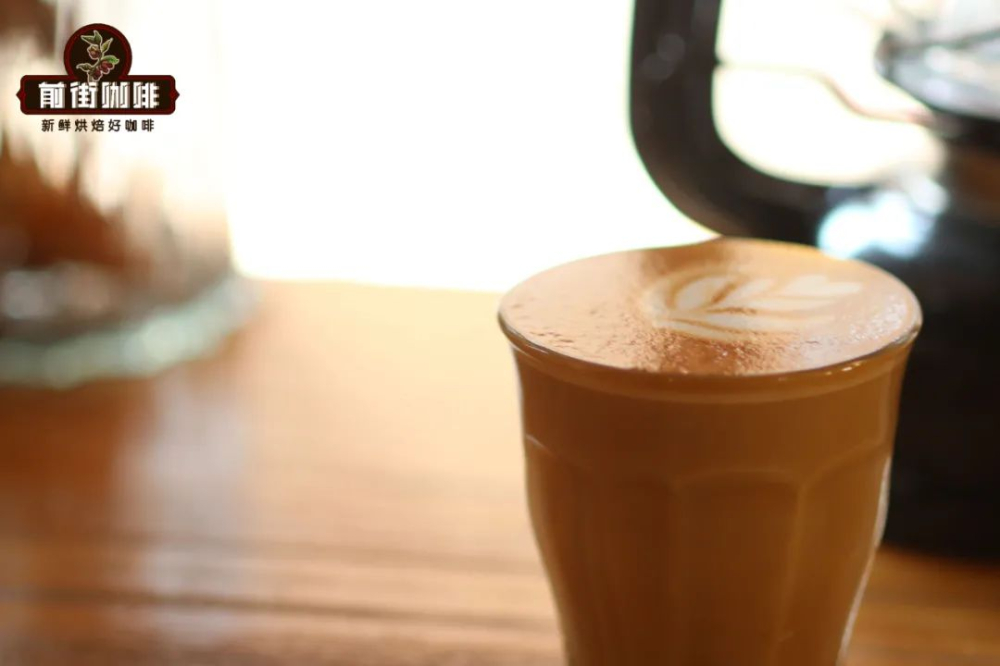
As for why the Piccolo is less common in the Taiwanese market, it mainly relates to consumer habits and market promotion. Compared to Australia, cafés in Taiwan lean more toward being casual spaces, where consumers prefer larger drinks that allow for a slower sipping experience. Additionally, the small serving size of the Piccolo doesn’t come with a proportionally lower price, so consumers naturally gravitate toward more substantial lattes. Coupled with the lack of strong promotion by international brands like Starbucks, this refined milk coffee remains a niche choice in Taiwan.
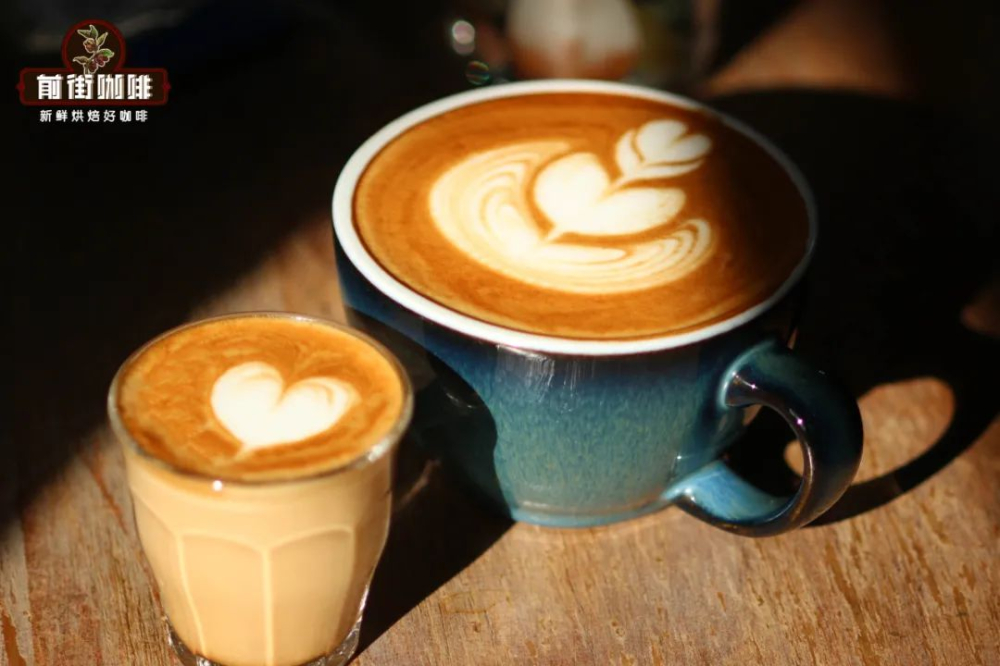
However, with the rise of the specialty coffee trend, more and more coffee shops are beginning to use the Piccolo to showcase the unique flavors of single-origin beans. For coffee enthusiasts, it offers an excellent opportunity to more intensely experience the essence of coffee, and also prompts a rethinking of the diverse possibilities in coffee tasting.
The above content is compiled by CoffeeHunters, a coffee news website.


