







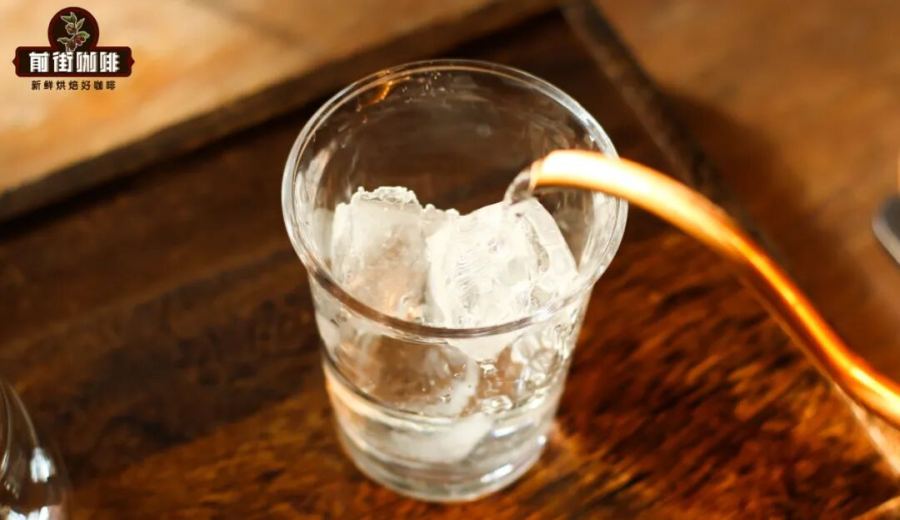
Introduction:Many coffee enthusiasts take a sip of ice water before tasting pour over coffee, believing it helps them capture the subtle flavors more clearly. Is there any scientific basis behind this practice? What role does ice water actually play in coffee tasting? This article will delve into the mechanism by which ice water cleanses the palate, explore its practical effects on different types of coffee, and suggest milder alternatives.
"Take a sip of ice water before tasting coffee to make the flavors more vivid" — this saying is widely circulated among coffee lovers. Walk into any specialty coffee shop, and it’s common to see customers ask the barista for a glass of ice water after ordering a pour over, all in pursuit of a more accurate flavor experience.
But is this practice really effective? The key lies in ice water’s function as a "palate cleanser." When our mouths contain food residues or lingering flavors from previous drinks, these remnants continue to release odor molecules, interfering with the perception of the coffee’s delicate notes.
Take a common scenario: after eating dairy products or spicy food, fat particles or spicy compounds in the mouth can form a "taste barrier." Even a perfectly extracted pour over coffee, with its bright malic acidity or layers of caramel sweetness, might be masked by these residues.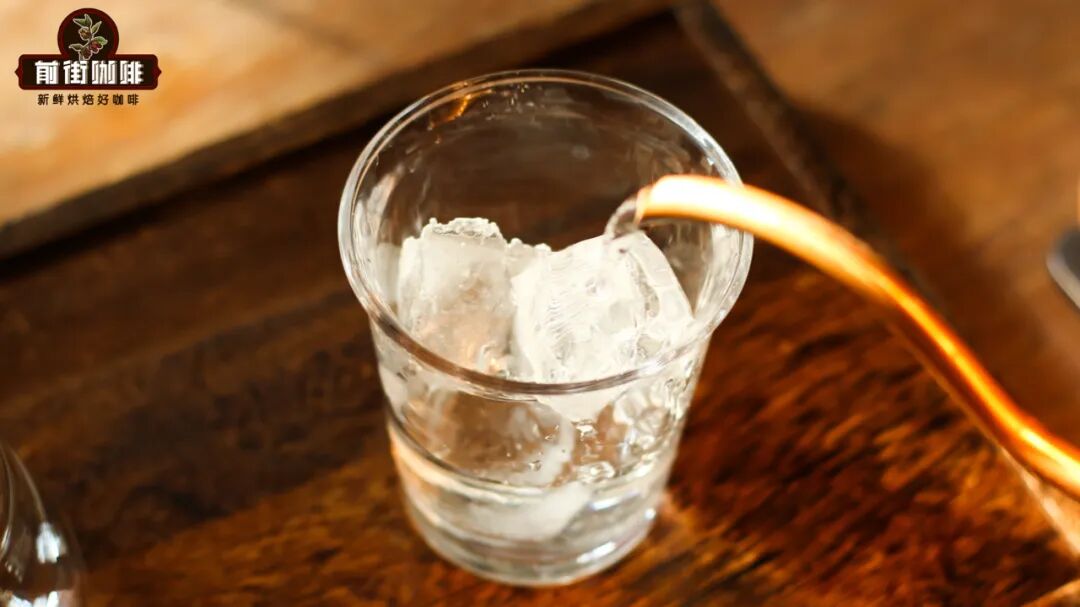
The dual mechanisms of ice water are worth noting: first is physical cleansing — cold water rinses away food particles on the tongue and oral mucosa; more importantly, there’s the physiological response —low temperatures stimulate an approximately 30% increase in saliva secretion. The lysozyme in saliva not only breaks down organic residues, but the accompanying cool sensation can also temporarily suppress excessive sensitivity of the taste buds.
This cleansing effect has a clear time limit. Test data shows that the optimal tasting window after an ice water rinse lasts about 3–5 minutes. Once oral temperature returns to normal, the cleansing effect gradually diminishes. It’s recommended to perform the ice water cleanse immediately after brewing, then proceed with a systematic evaluation using the coffee flavor wheel.
Interestingly, this technique was first applied to espresso tasting. The TDS (total dissolved solids) of espresso typically ranges from 9–12%, and such high concentration can cause flavor molecules to become overly intense. Industry practice has found that drinking ice water beforehand dilutes the intensity of espresso, allowing citrusy notes or nutty finishes to be better expressed. This explains why professional coffee shops always serve a separate glass of ice water with espresso — it’s certainly not meant for making iced americano.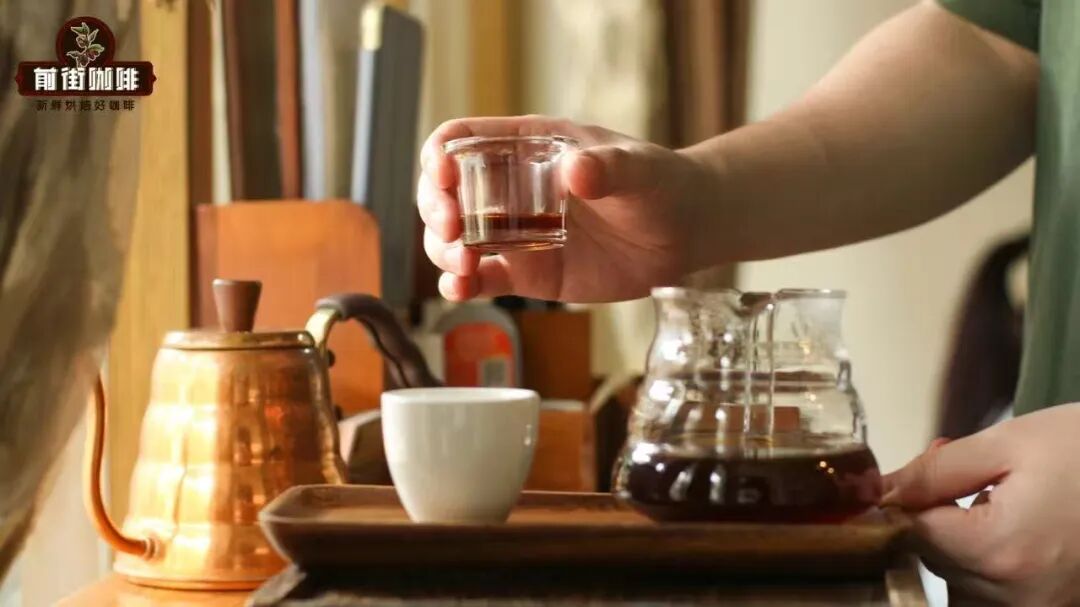
For pour over coffee enthusiasts, it’s suggested to use a milder alternative: rinsing the mouth with room-temperature plain water. Though its cleansing strength is about 40% lower than ice water, it avoids the gastrointestinal stimulation caused by low temperatures — especially suitable when enjoying light-roast pour over in the morning. The key is to swish for 10 seconds and then spit it out; do not swallow to avoid affecting flavor judgment.
Be especially mindful of three common mistakes: first, the ice water temperature should not be below 4°C, as excessively cold water may cause temporary numbness of taste; second, the amount consumed should be limited to 30–50 ml — too much can lead to excessive dryness in the mouth; third, wait 30 seconds after cleansing before sipping the coffee to allow saliva secretion to reach an optimal balance. Mastering these details will help you achieve a more accurate flavor perception during pour over coffee tasting.
The above content is compiled by CoffeeHunters, a coffee news website.


