







Introduction:Espresso is the foundation of many classic coffee drinks. Understanding its characteristics, types, and the correct extraction methods can help you better appreciate the essence of coffee. This article will introduce you to the unique flavors and common types of espresso, and provide a detailed guide for beginners on how to master key extraction parameters—from dosage and time to yield—step by step improving your coffee-making skills.
Definition and Characteristics of Espresso
Espresso is a type of pure black coffee made by forcing hot water through finely ground coffee beans under high pressure, resulting in a small, concentrated shot topped with a golden crema. Although it may not always be explicitly listed on café menus, it is actually the foundational base for drinks like Americano, latte, and cappuccino, and is a staple in daily coffee shop operations. " />
This extraction method originated in the 19th century, when Italians sought to shorten the long brewing time of traditional drip coffee. By using high-pressure, high-temperature water, they significantly improved extraction efficiency and laid the groundwork for modern semi-automatic and fully automatic espresso machines.
Unique Flavor Characteristics of Espresso
Due to the high pressure, high water temperature, and very fine grind used in its preparation, espresso extracts a more intense and complex flavor profile compared to regular pour over coffee. The various aromatic compounds and taste elements—such as acidity, sweetness, bitterness, and saltiness—are densely released during this process, creating a strong impact on the palate. As a result, many coffee shops opt for specially blended beans to ensure consistent extraction performance, and these blends are also well-suited for use in devices like the moka pot.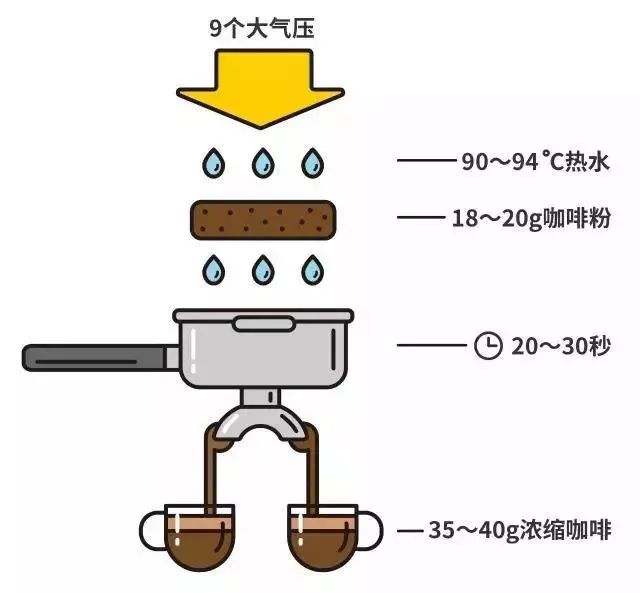 " />
Early espressos were typically made with dark roasted beans and included a certain proportion of Robusta, resulting in a strong, bitter, and intense flavor that required sipping slowly. However, with the rise of specialty coffee, modern espressos can now showcase a wider range of smoother and more nuanced flavors, such as berry acidity and fermented wine notes, offering a smoother mouthfeel that appeals to a broader range of coffee enthusiasts.
Precautions for Making Espresso
To brew an ideal shot of espresso, several key parameters must be controlled, including coffee bean quality, roast level, grind size, machine pressure, water temperature, dose distribution, tamp pressure, dosage, extraction time, and final yield. Commercial espresso machines typically provide stable pressure of 9 atmospheres or more and water heated above 90°C. The high pressure allows water to quickly pass through the coffee puck, extracting rich crema and a full-bodied texture.
In practice, machine pressure and water temperature are usually kept constant, while dose distribution and tamping may vary slightly based on the barista’s preference. For general users, the four most commonly adjusted factors are dosage, extraction time, yield, and grind size. Due to changes in humidity or coffee bean freshness, these parameters may need occasional fine-tuning to maintain consistent extraction quality. " />
Introduction to Three Main Types of Espresso
According to the Golden Cup Theory by the Specialty Coffee Association of Europe, an ideally extracted cup of coffee should have soluble substances accounting for 18%–22% of the total coffee grounds, with only about two-thirds of those being desirable flavor compounds. Based on this, espresso can be divided into three main types according to extraction time and yield: Ristretto (short shot), Normale (standard), and Lungo (long shot), all brewed quickly using an espresso machine. " />
Ristretto: The Essence of Concentration
Ristretto, also known as refined espresso, is characterized by its "restricted" yield, typically taking only the middle portion of a standard espresso shot to achieve higher concentration and more intense flavors. For example, a standard espresso might use 20 grams of coffee grounds to produce 40 grams of coffee liquid (a 1:2 ratio) in about 30 seconds; whereas a Ristretto yields around 28 grams of liquid (about a 1:1.4 ratio), with a shorter extraction time. Sometimes the grind is adjusted to slow the flow further, enhancing the concentrated feel. This type of coffee is often used as the base for strong milk-based drinks like Flat White.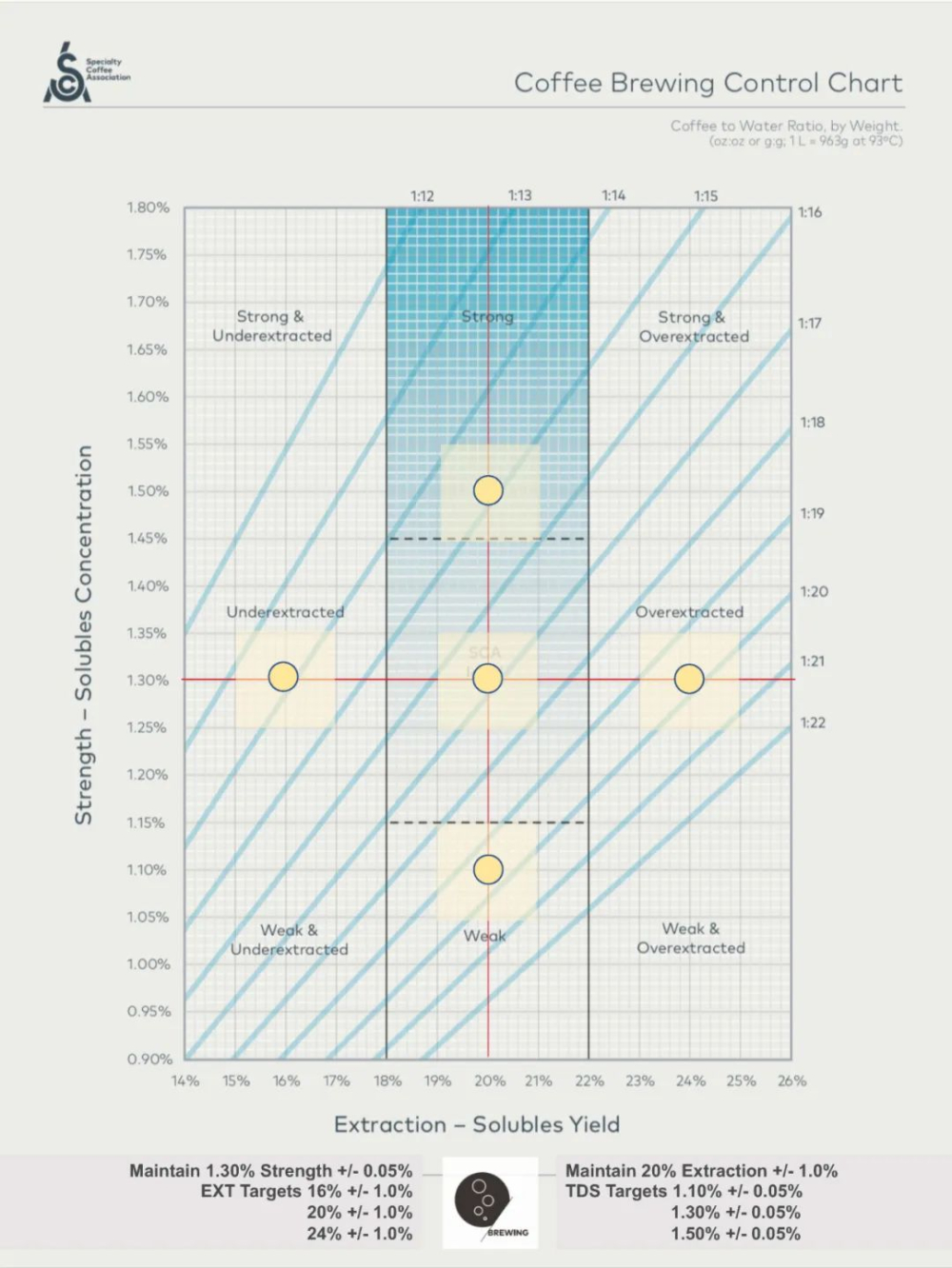 " />
Normale: The Classic Standard Espresso
Normale is the most common form of espresso, what most people simply refer to as espresso. Its extraction yield typically falls between 18%–22%, with a concentration of about 8%–12%. It serves as the foundation for most coffee beverages. Though often seen as the “basic” option, its balanced flavor and well-rounded mouthfeel make it a favorite among many baristas and customers.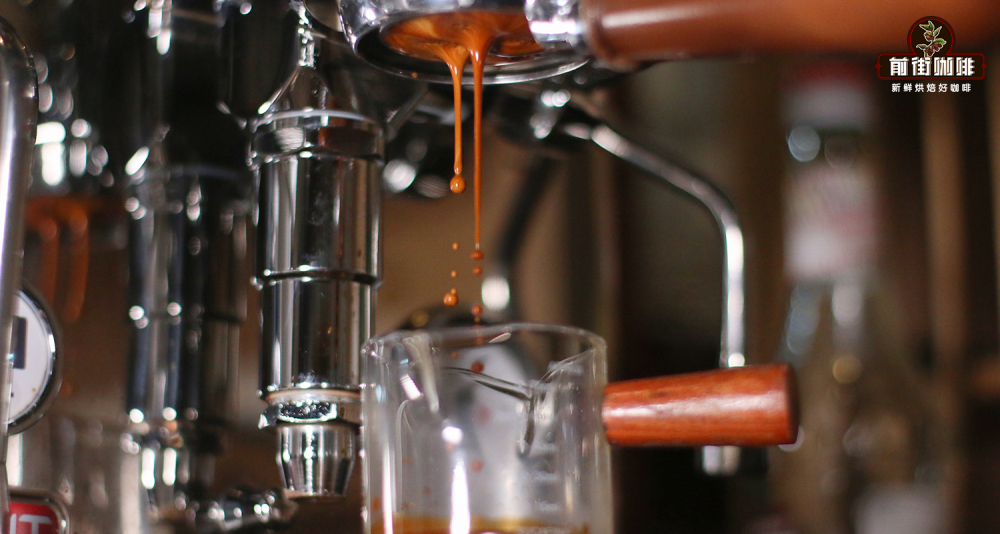 " />
Lungo: The Milder Extended Extraction
Lungo, meaning “long” in Italian, refers to extending the extraction time and increasing the water volume, which results in a lower overall concentration and a smoother mouthfeel. A common extraction method is using 20 grams of coffee grounds to produce 100 grams of coffee liquid (a 1:5 ratio) in about 42 seconds. This extraction method highlights more of the coffee’s natural sweetness and deeper, richer undertones, making it suitable for consumers who prefer lighter flavors or enjoy drinking coffee straight.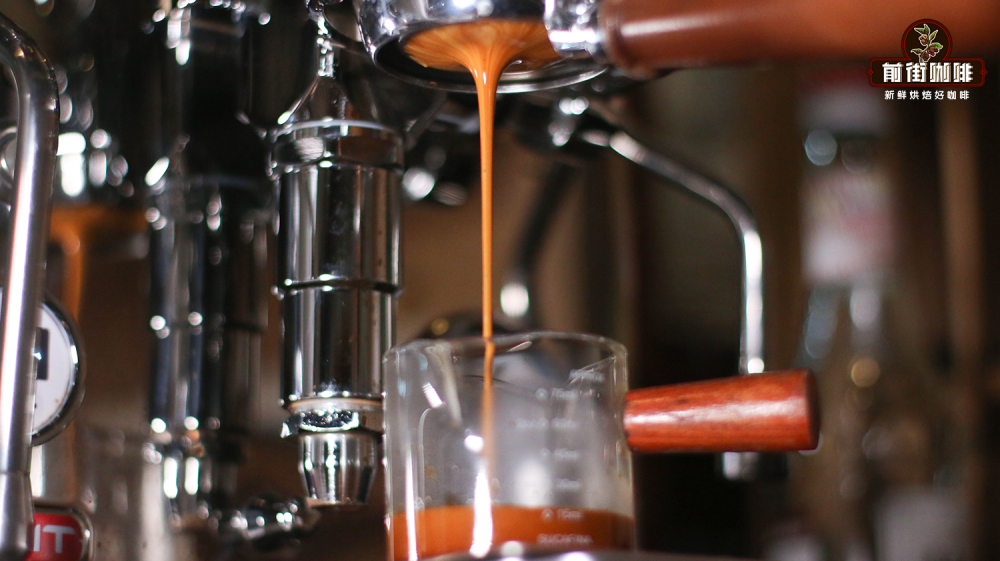 " />
Conclusion: Mastering Espresso Lies in the Details
From understanding the various extraction types to precisely controlling the coffee-to-water ratio, time, and pressure, learning to make espresso not only enhances your coffee tasting experience but also helps you explore the mysteries of coffee flavors more deeply. Whether you're a beginner just starting out or a coffee enthusiast looking to refine your technique, mastering these fundamental principles and practical skills will lay a solid foundation for your coffee journey.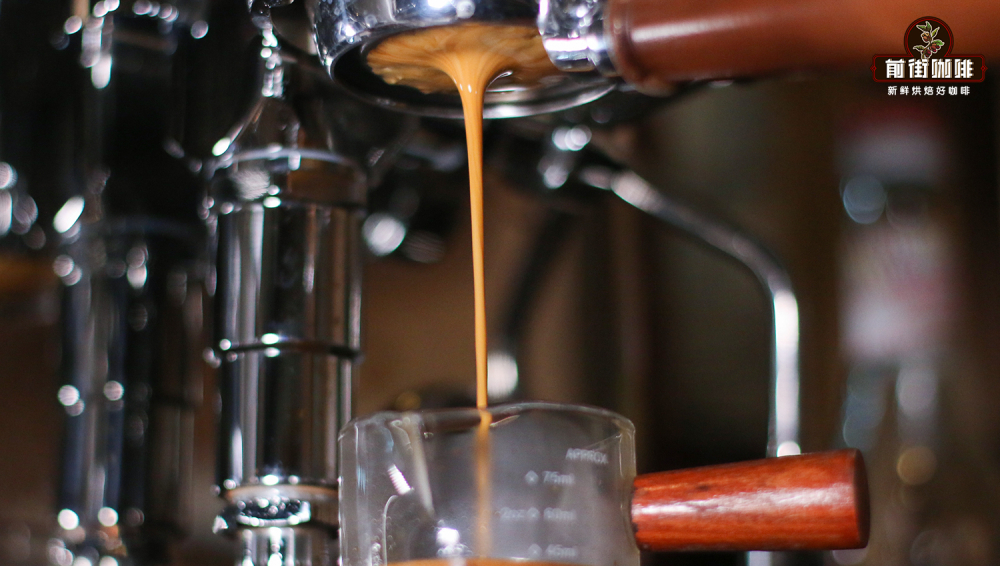 " />
The above content is compiled by CoffeeHunters, a coffee news website.


