








Introduction:Espresso is not only a microcosm of Italian culture but also the cornerstone of modern coffee beverages. Understanding its historical origins, globally influential equipment innovations, and key factors that shape flavor can help you better appreciate this rich black coffee. This article will take you from the background of espresso’s creation, gradually analyzing its brewing parameters, extraction process, and recommended beans. Whether you’re a coffee beginner or an advanced enthusiast, you’ll gain practical knowledge and inspiration.
Espresso has long been integrated into the daily lives of Italians, becoming part of their rhythm of life. As early as the late 19th century, the earliest form of espresso was born, and the version we are familiar with today gradually took shape in the early 20th century through technological improvements in coffee machines. This coffee, extracted quickly under high pressure, is not only rich and aromatic but also sparked a global espresso craze.
The global popularity of espresso is not unrelated to commercial promotion. Although Starbucks is not where it originated, its strategy of popularizing espresso machines across its global stores has undoubtedly made more people familiar with this intense and concentrated coffee experience. So, how do you make an espresso? What factors determine its final flavor?
Looking back at history, Italy’s coffee culture can be traced back to 1580, when coffee beans were introduced from Africa and the Middle East via the port of Venice, initially a beverage exclusive to the upper class. Coming from the Islamic world, this black drink was once regarded by some Christians as the "devil’s drink." It wasn’t until the early 17th century that Pope Clement VIII personally tasted it and "baptized" coffee, turning it into the "drink of God" and thereby promoting its spread in Italy.
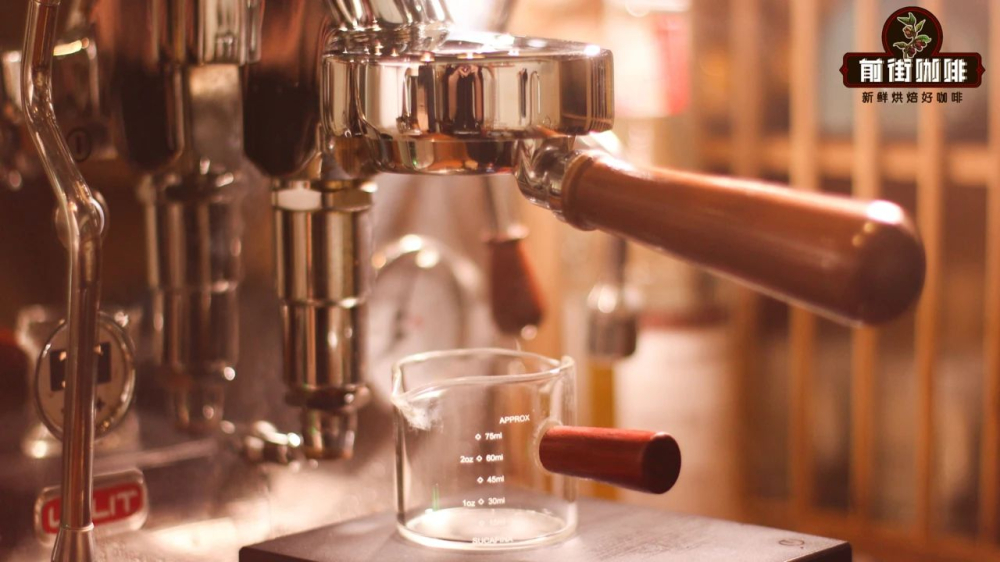

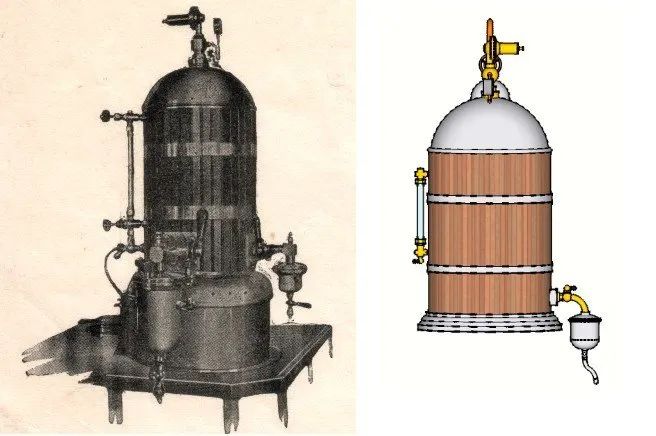
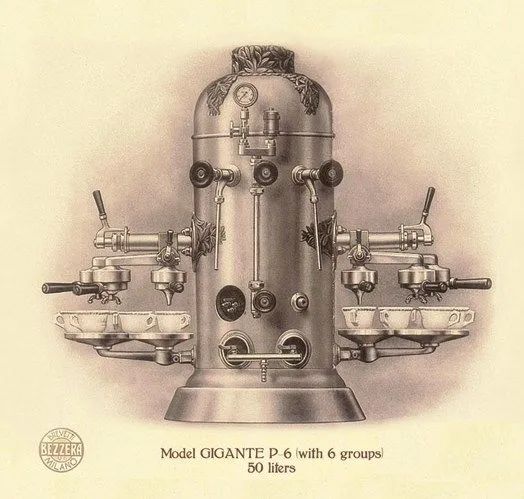
Early coffee preparation mostly relied on Turkish pots and simple filtration methods. With the industrial revolution and technological advancements, Italians also began investing in the development of coffee machines. In 1884, Angelo Moriondo registered the patent for the first steam-powered coffee machine. However, due to limited control over steam temperature, the coffee from this machine was often over-extracted, resulting in a burnt and bitter taste. Later, after multiple improvements, Milan engineer Luigi Bezzera introduced the prototype of a steam coffee machine capable of high-pressure extraction in the late 19th century. Not only could it be disassembled and assembled, but it could also produce a cup of coffee quickly.
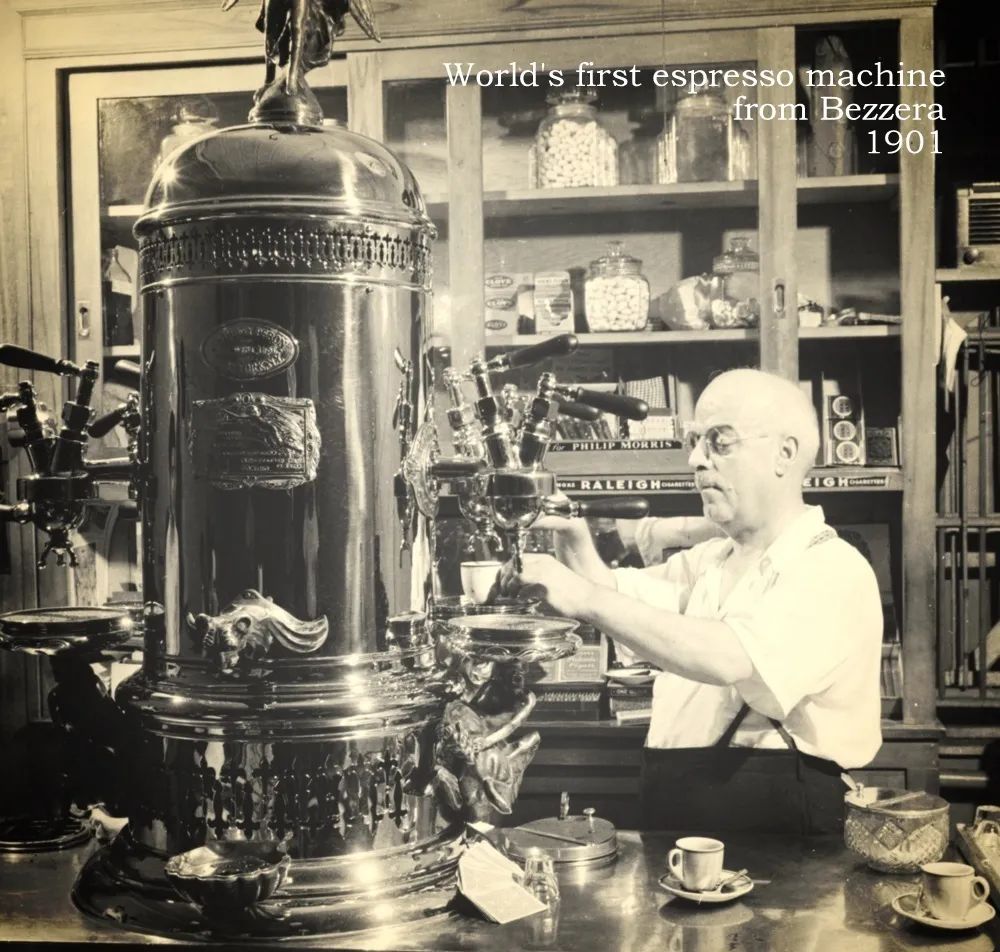
Around 1920, the term "espresso" officially entered the Italian dictionary, representing this type of concentrated coffee extracted under pressure. But its initial flavor was not great until 1938, when engineer Achille Gaggia added a manual lever to the coffee machine, increasing the water pressure from 1.5 bar to 9 bar. This not only successfully extracted coffee with crema (coffee foam), but also made the espresso extraction more stable and the flavor richer.
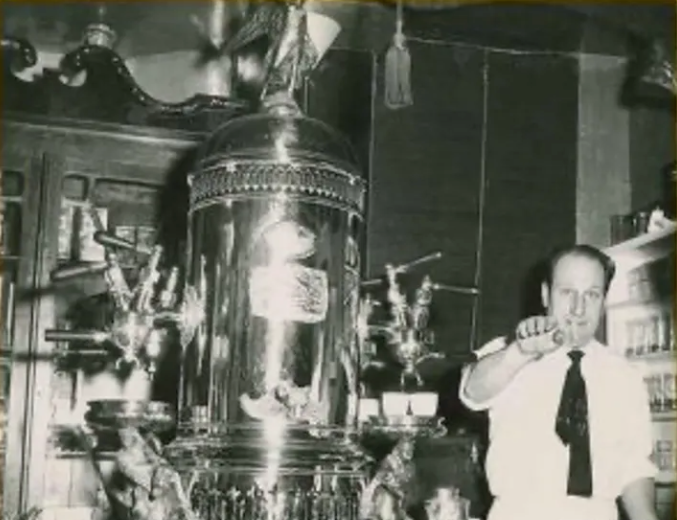
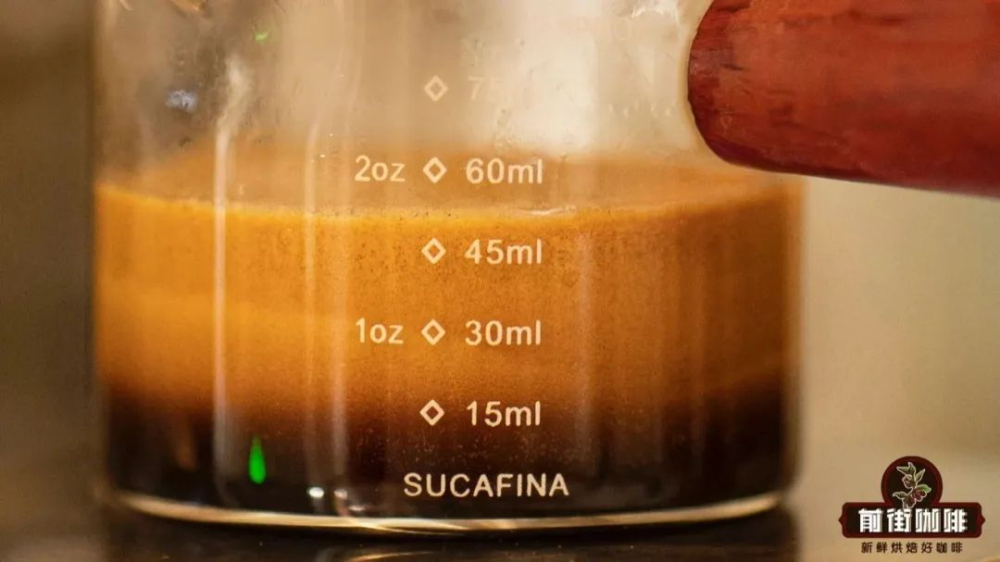
The extraction of modern espresso is usually adjusted according to the size of the portafilter basket in terms of coffee dose and liquid output. For example, when making a single shot (1 shot), 10–11 grams of coffee grounds are commonly used to extract 20–25 grams of coffee liquid in about 22 seconds; a double shot uses 19–20 grams of coffee grounds to extract 35–40 grams of coffee liquid, with the time controlled around 29 seconds. However, actual extraction parameters may vary slightly depending on the grinder, espresso machine, and bean condition, so adjustments based on the specific situation are recommended.
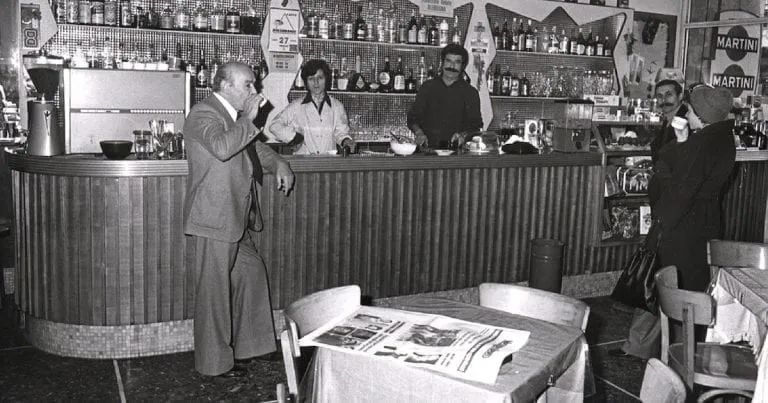
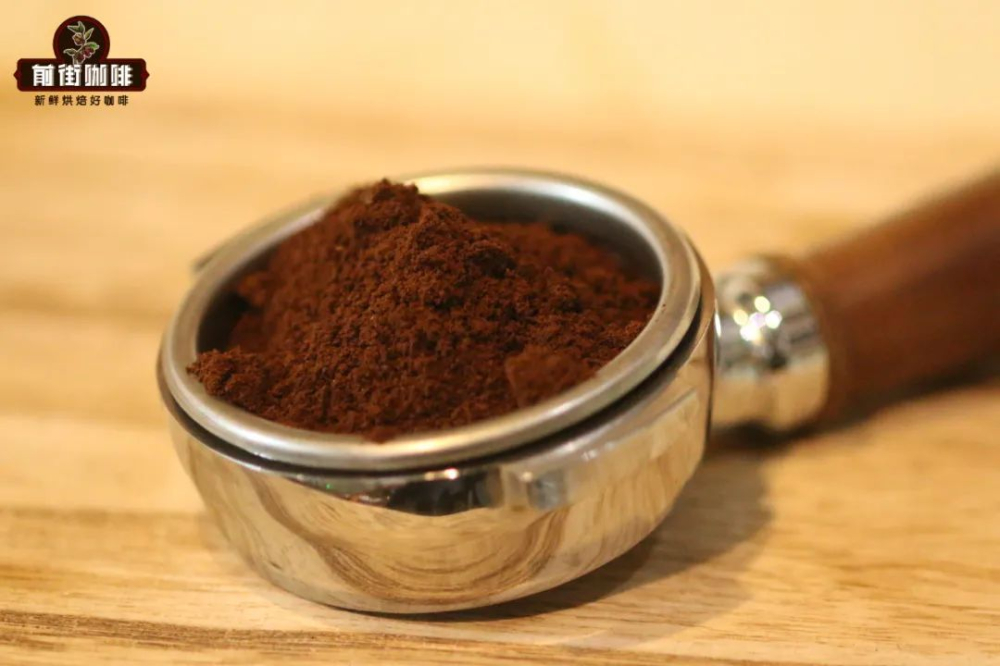
The main factors that determine espresso flavor include: dose, coffee-to-water ratio, extraction time, grind size, water temperature, and pressure. Among these, water temperature and pressure are mostly preset by the machine, so users can prioritize adjusting dose, ratio, time, and grind size. Common coffee-to-water ratios range from 1:1.5 to 1:2.5; beginners are advised to start with 1:2, such as 20 grams of coffee grounds corresponding to 40 grams of coffee liquid. Extraction time is recommended to be within 20–30 seconds—too short may lead to under-extraction and a thin taste, while too long may cause over-extraction and produce burnt, bitter flavors.
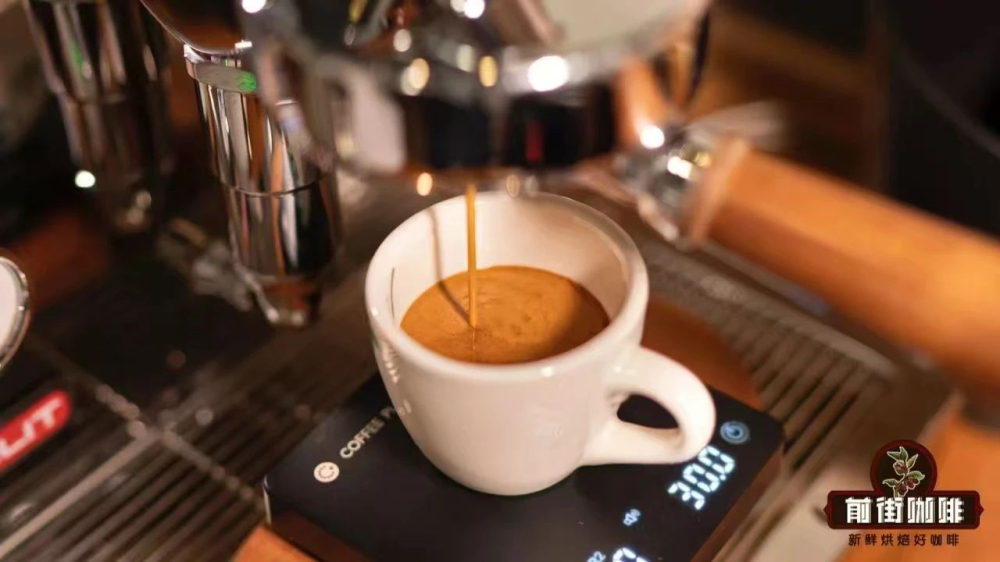
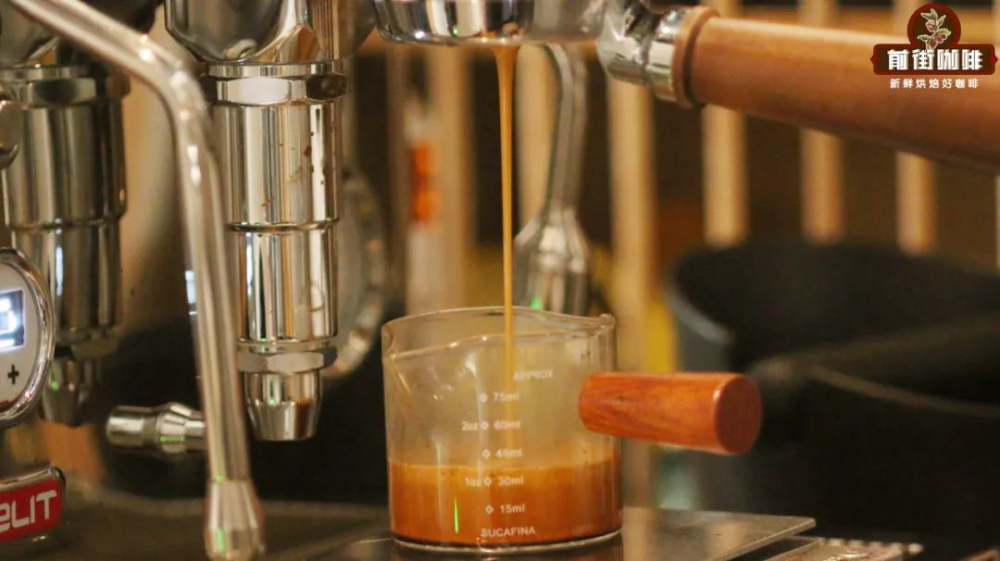
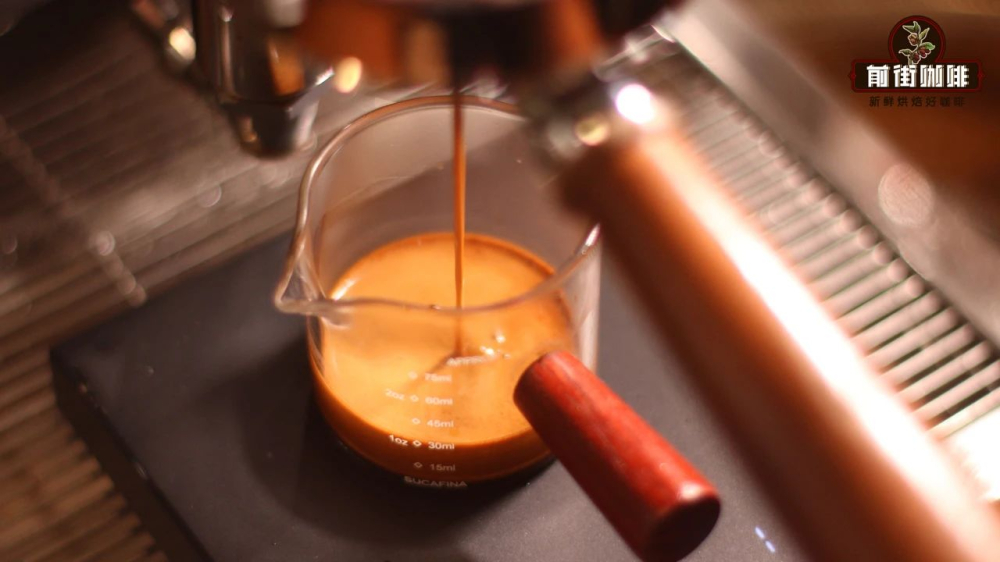
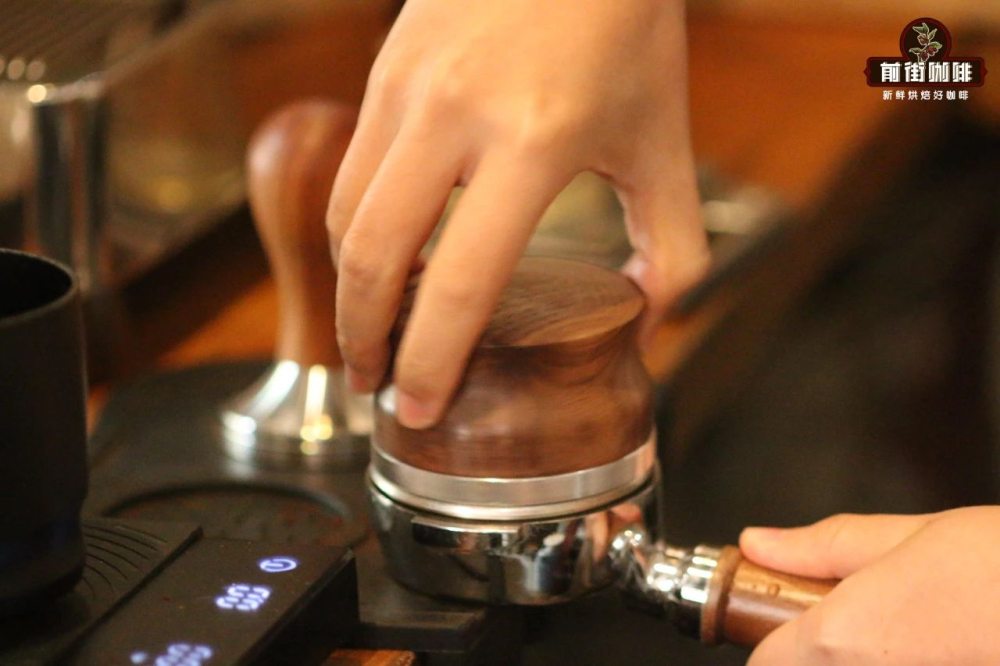
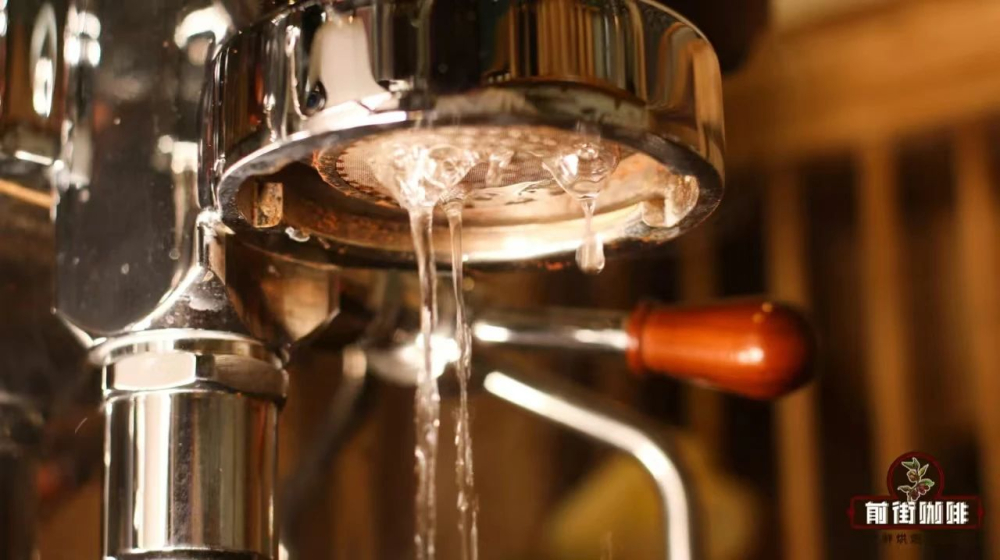
The standard espresso extraction process is as follows: First, ensure the portafilter basket is dry and evenly fill it with freshly ground extra-fine coffee grounds. Next, use a distribution tool to evenly spread the coffee grounds, avoiding uneven density during tamping. When tamping, make sure the coffee surface is level and check that there are no leftover grounds around the basket. Finally, before attaching the portafilter to the group head, lightly wet the group head to prevent sticking, then securely install the coffee handle and quickly press the extraction button. A successful extraction should show a smooth, honey-like flow rate, with the coffee liquid color transitioning from reddish-brown to golden, and a fine layer of golden crema covering the surface—the result of emulsification between carbon dioxide and oils.
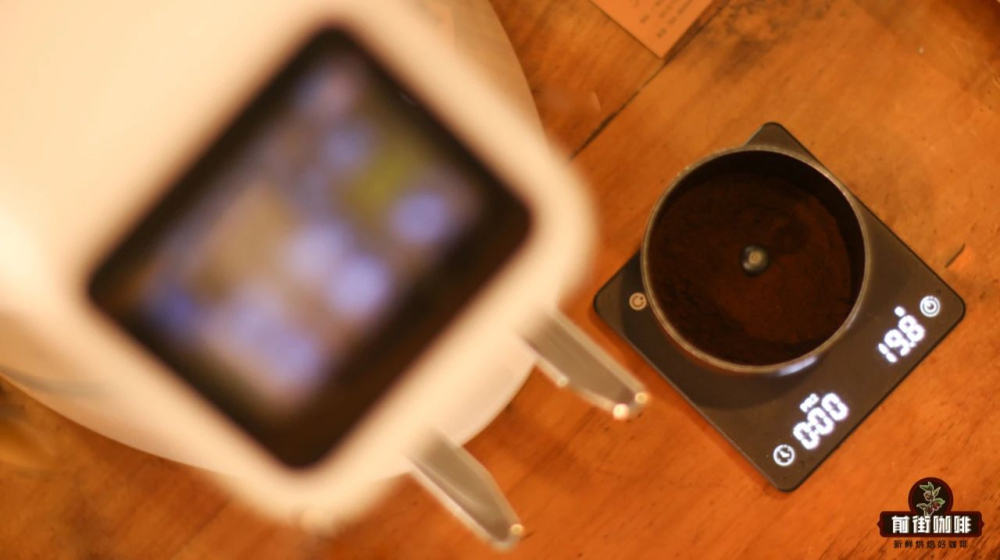
If you want to replicate café-quality espresso at home, it is recommended to choose a blend specifically designed for espresso. These beans are usually a mix of beans from different regions and primarily dark roasted, which enhances richness and crema performance. Choosing a stable espresso blend not only brings rich aroma and taste but also makes it easier to achieve consistent extractions. Whether paired with milk for lattes or cappuccinos, or enjoyed straight, it showcases its unique charm.
The above content is compiled by CoffeeHunters, a coffee news website.


