







Introduction:Espresso is not just a quickly extracted concentrated coffee liquid; it embodies a century of craftsmanship evolution and scientific principles. This article will guide you through the history of espresso, standard extraction parameters, the conditions for forming ideal crema, and provide a professional tasting process—allowing you to experience the layers and flavors of coffee through a single shot of espresso.
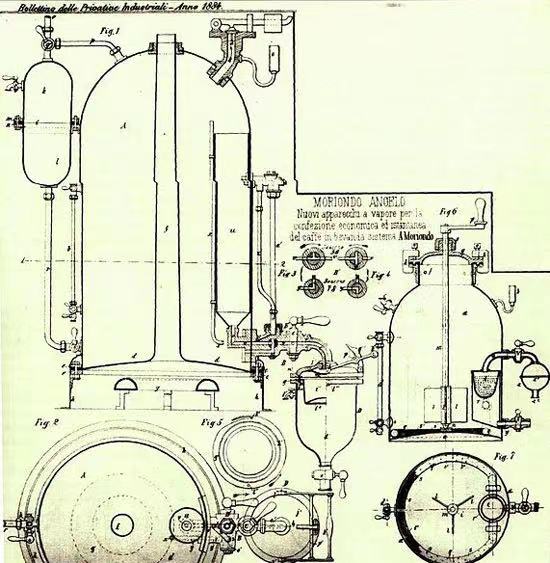
The prototype of espresso can be traced back to 1884, when Italian Angelo Moriondo invented and patented it. The coffee machine he designed used a dual-boiler system to heat water and generate steam, then forced hot water through a bed of coffee grounds under about 1.5 bar of steam pressure to extract a highly concentrated coffee liquid. However, this method was unstable, with significant variation in results each time.
Entering the 20th century, Italian technician Luigi Bezzera innovated on the original design, successfully shortening the extraction time and using high pressure to quickly force extremely finely ground coffee through in just a few seconds, extracting espresso and directly pouring it into the cup. He adjusted the water temperature to around 94°C—a temperature range that could bring out better flavor expression—and added a filter basket design to improve filtration and taste. These improvements gradually made espresso popular among the public, becoming Italy’s national drink.
In 1906, designer Desiderio Pavoni collaborated with Bezzera to launch a new type of coffee machine equipped with a pressure valve and steam wand, which debuted at the Milan Expo. This design laid the foundation for modern espresso machines and is the prototype of today’s espresso-making method, allowing espresso to rapidly gain widespread popularity and become all the rage across Italy.
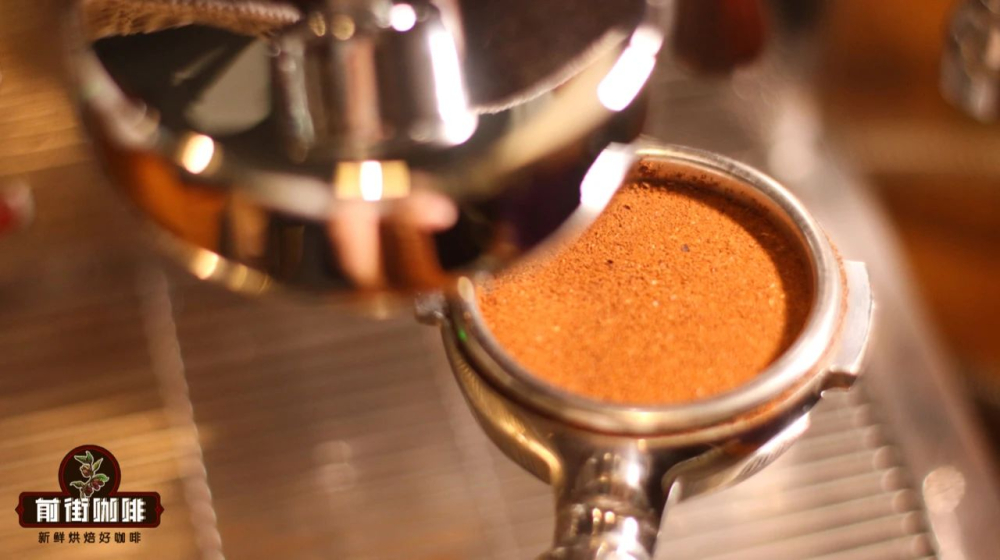
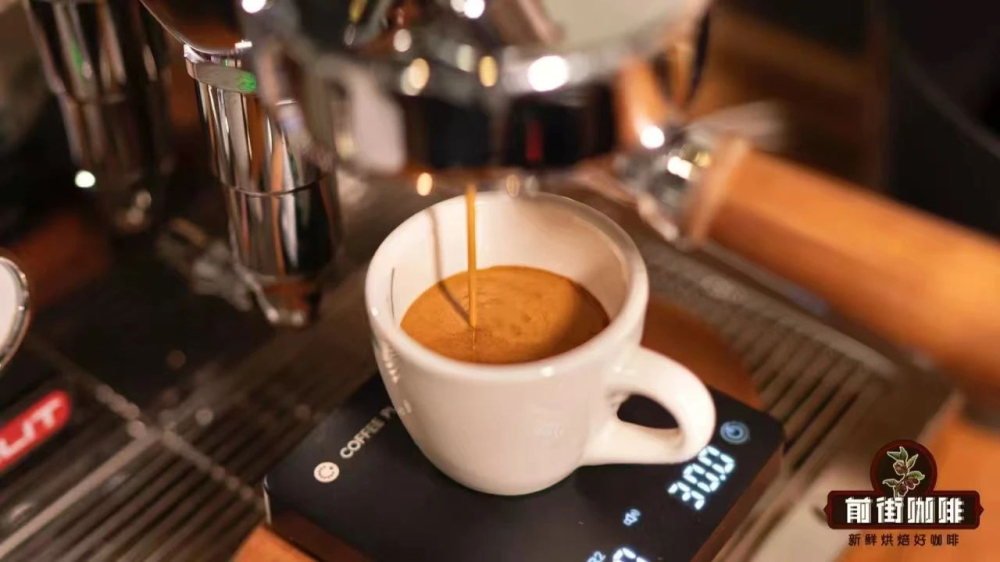
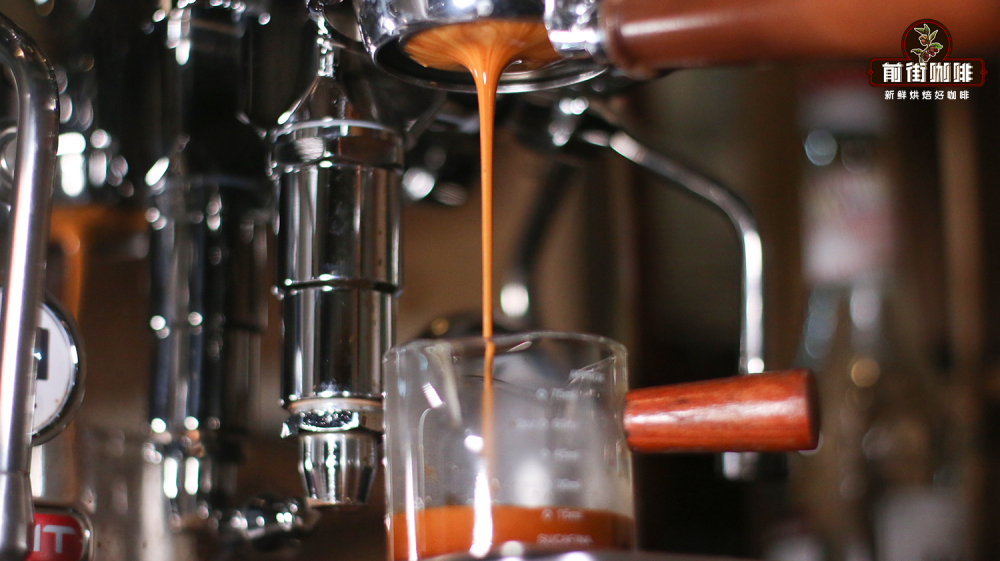
So what exactly is espresso? Simply put, it is a concentrated coffee liquid made by forcing extremely finely ground coffee through a machine at about 9 bar of pressure using 90–96°C hot water to extract 25–35 milliliters in a short time. This high-pressure extraction method fully releases the essence of the coffee, creating a rich and layered flavor profile.
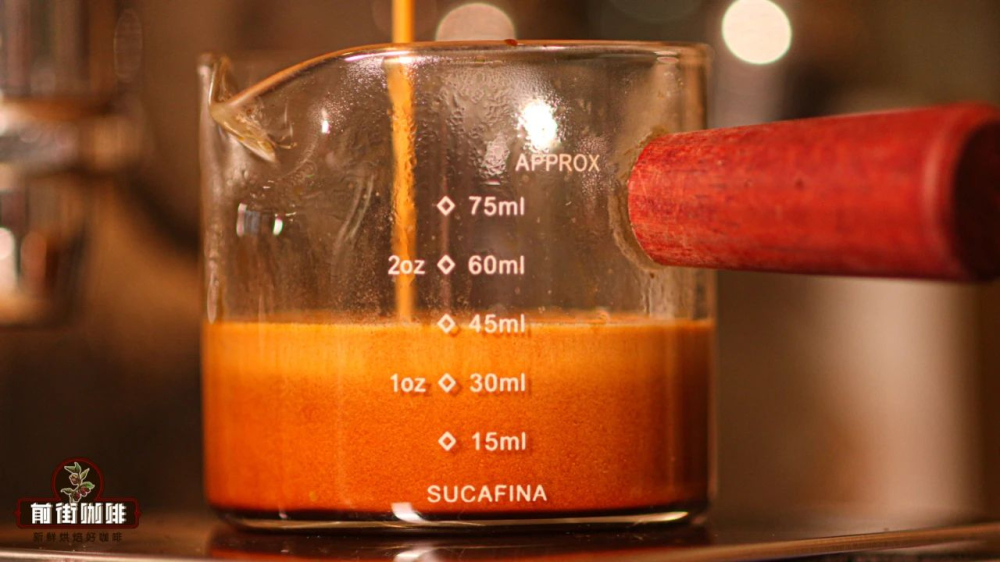
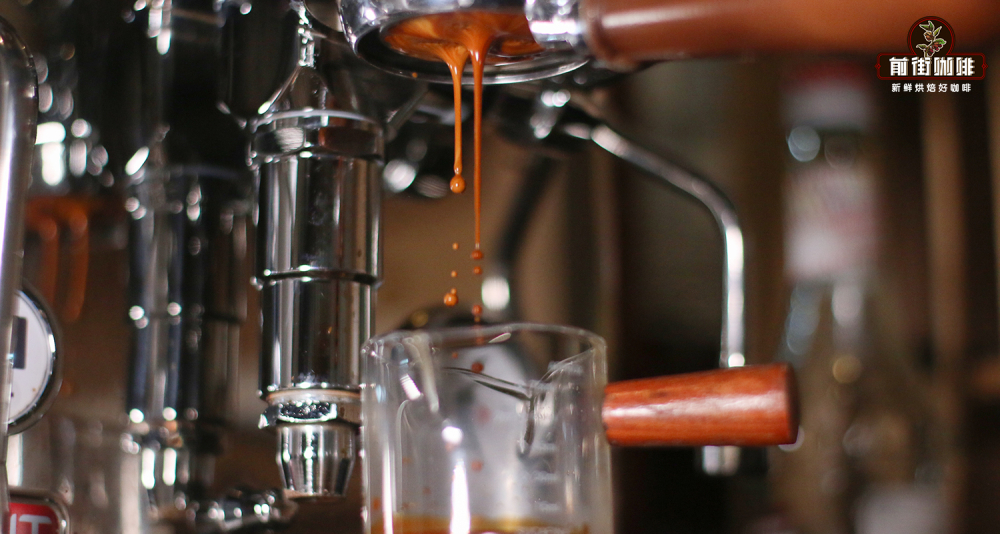
A properly extracted espresso will have a golden layer of crema on the surface. This layer is not pure oil but rather a fine foam formed when carbon dioxide and tiny coffee oils from freshly roasted beans combine with water under high pressure. The crema is smooth and velvety, adding a rich mouthfeel and aroma to the coffee, and is also one of the key indicators of successful extraction.
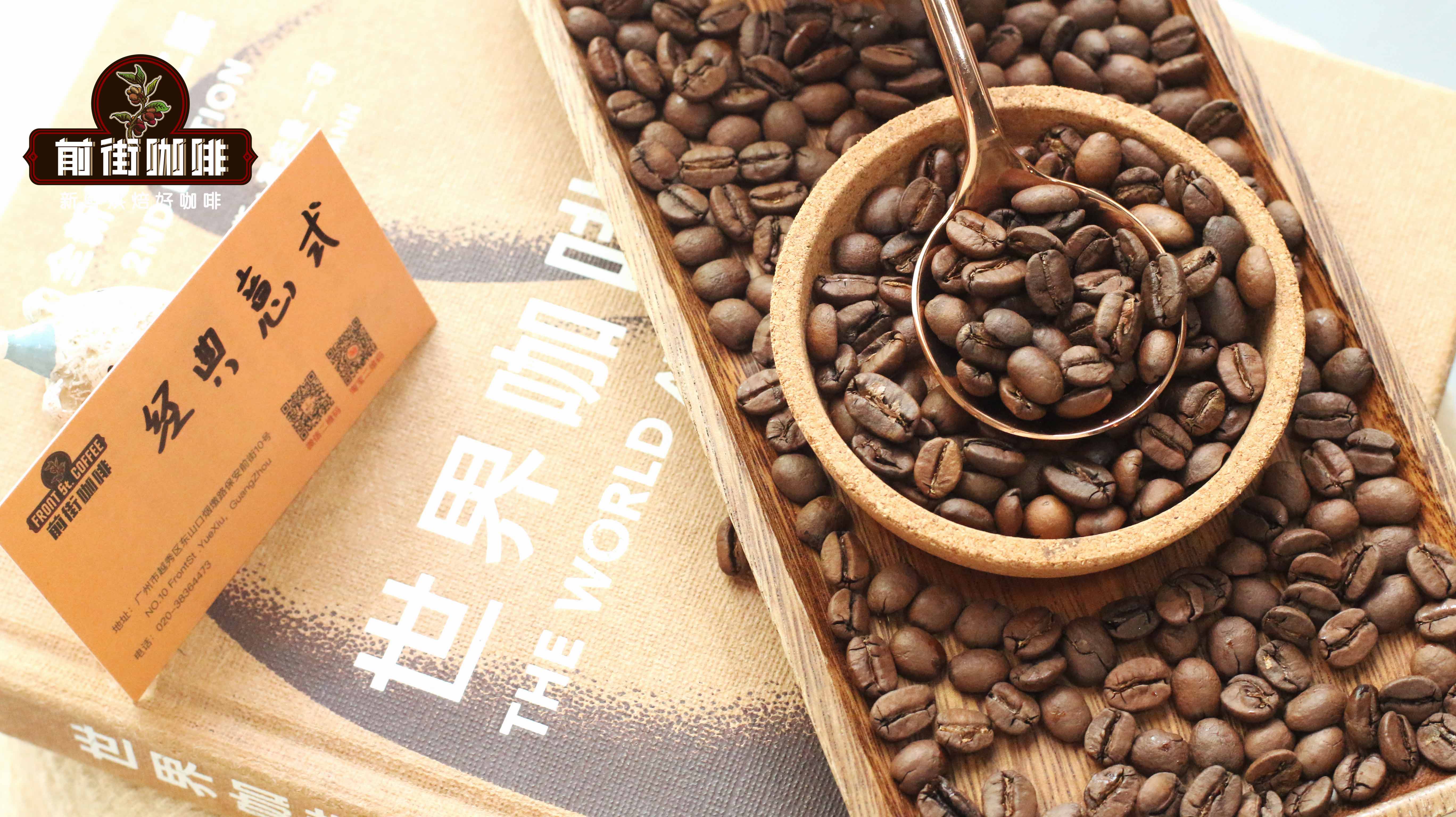
It’s important to note that the roast level and freshness of the coffee beans directly affect crema formation. Beans roasted to medium-dark or darker produce more carbon dioxide during roasting, which helps form a rich crema. However, too much carbon dioxide may cause the crema to be coarse and interfere with the release of soluble flavors. Therefore, it is recommended to use freshly roasted beans within five days of roasting, allowing the beans to naturally release some carbon dioxide before extraction, which helps stabilize the extraction process and crema performance.
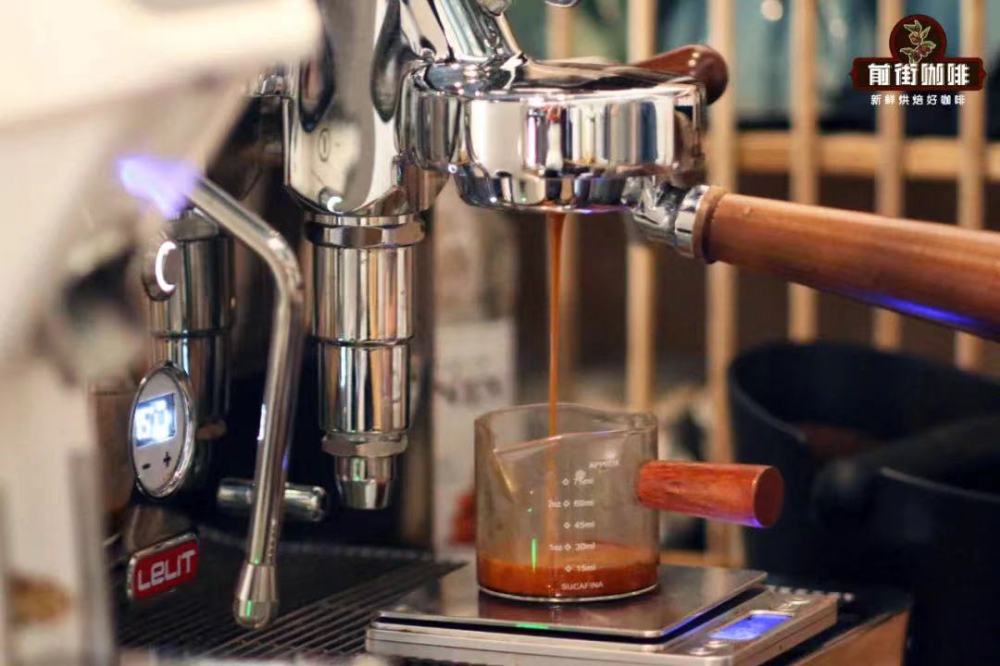
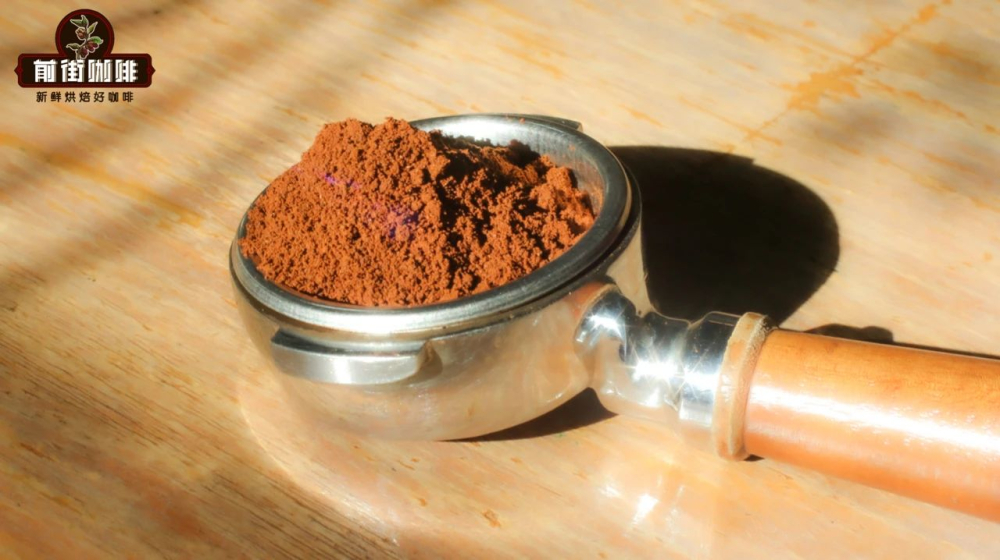
According to the Specialty Coffee Association (SCA) standards, the ideal espresso extraction parameters are: using 7–9 grams (14–18 grams for a double shot) of coffee grounds, extracted at 9–10 bar pressure and 90–96°C water temperature, yielding 25–35 grams of coffee liquid in 20–30 seconds. However, as every coffee machine, grinder, and coffee bean has unique characteristics, actual operation should involve fine-tuning parameters based on extraction results rather than strictly following fixed values. For example, one café using its own blend adjusts to 19.5 grams of very fine grounds, extracting 35 grams of liquid at 94°C for about 30 seconds, showcasing flavors of vanilla cream, berry acidity, and caramel.
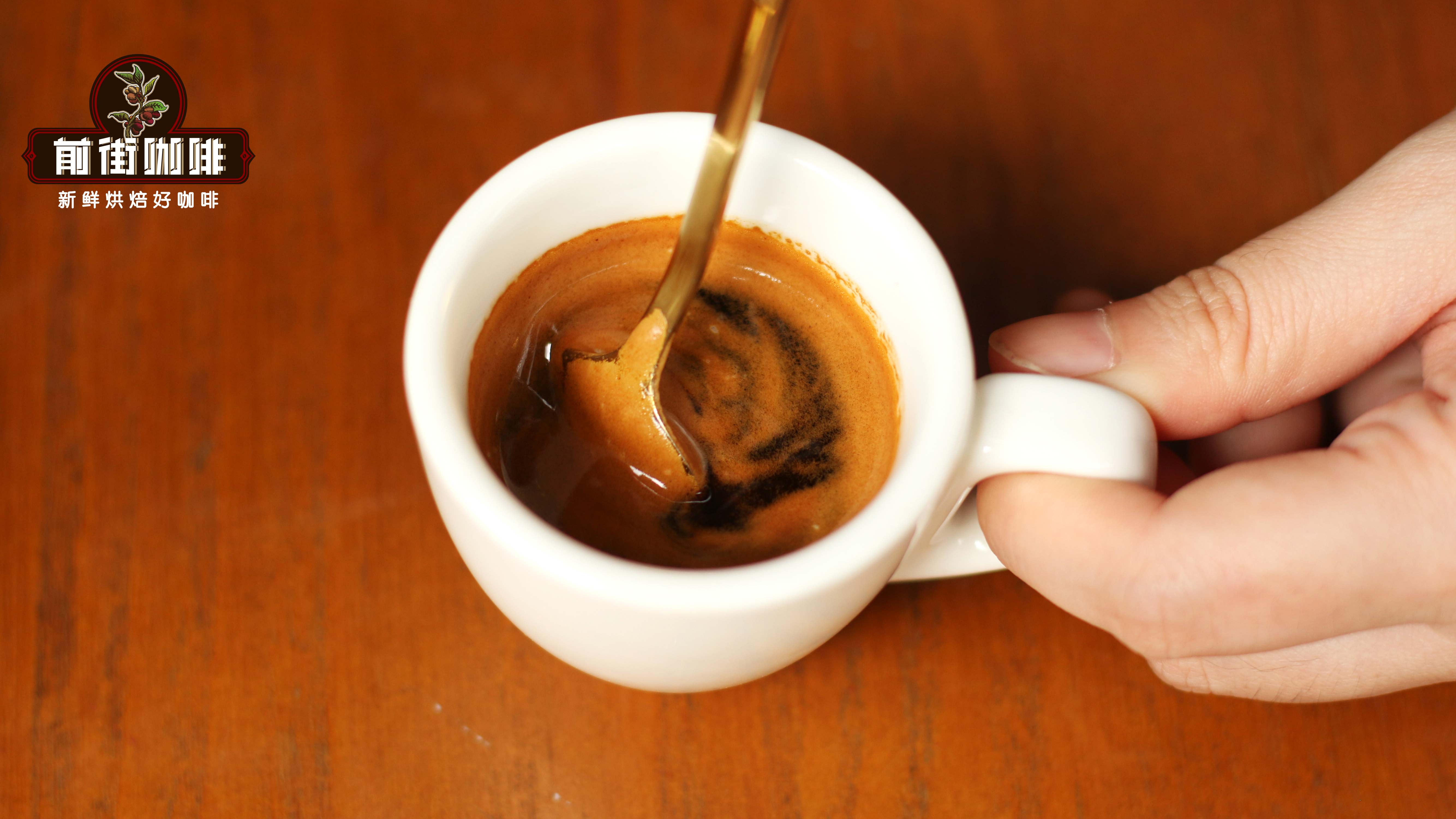
When tasting espresso, it is recommended to first take a sip of ice water to cleanse the palate and reset the taste buds. Then, gently stir the coffee liquid with a spoon to allow the crema and coffee to fully integrate, enhancing flavor consistency. Sipping can be done in three steps: the first sip focuses on flavor layers, the second on body and richness, and the third on aftertaste and sweetness, helping you appreciate the details and overall balance of the coffee.
With advancements in coffee roasting techniques and bean variety selection, modern espresso is no longer limited to the traditional intense bitterness. It now showcases a diverse range of flavor profiles. Whether enjoyed straight or as the base for milk-based coffees like lattes or cappuccinos, mastering the correct extraction principles and tasting methods allows you to more deeply experience the charm of this classic Italian brew.
The above content is compiled by CoffeeHunters, a coffee news website.


