







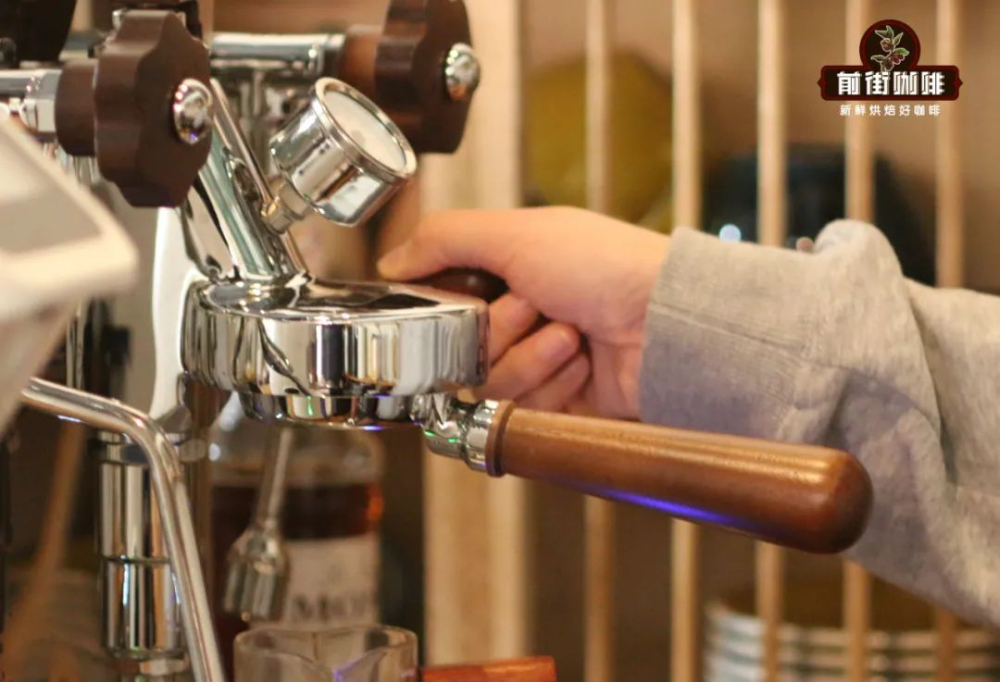
Introduction:Want to master the essence of crafting professional-grade espresso? This article delves into international standards and practical extraction parameters, guiding you through a comprehensive understanding from water temperature, pressure, time, to brew ratio. It not only demystifies the key differences between under-extraction and over-extraction, but also offers specific solutions to common on-site issues such as uneven dripping from dual-spout portafilters, clumped crema, and tiger striping. An essential hands-on guide for baristas and coffee enthusiasts alike.
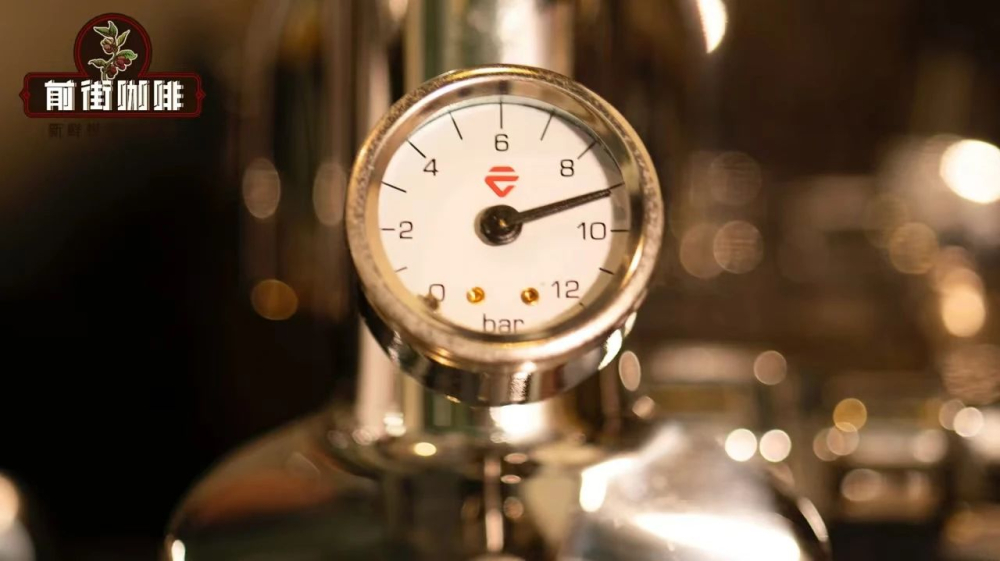
Espresso, also known as concentrated coffee, is a coffee beverage originating in Italy that is quickly extracted under high pressure, and serves as the base for many espresso-based drinks. According to internationally accepted technical specifications, a standard single shot of espresso requires about 7 grams of freshly ground coffee beans, extracted with approximately 92°C hot water, under 9Bar of extraction pressure, over a period of 20 to 30 seconds, yielding about 20 to 30 milliliters of coffee liquid with a fine layer of coffee oils (crema) on the surface.
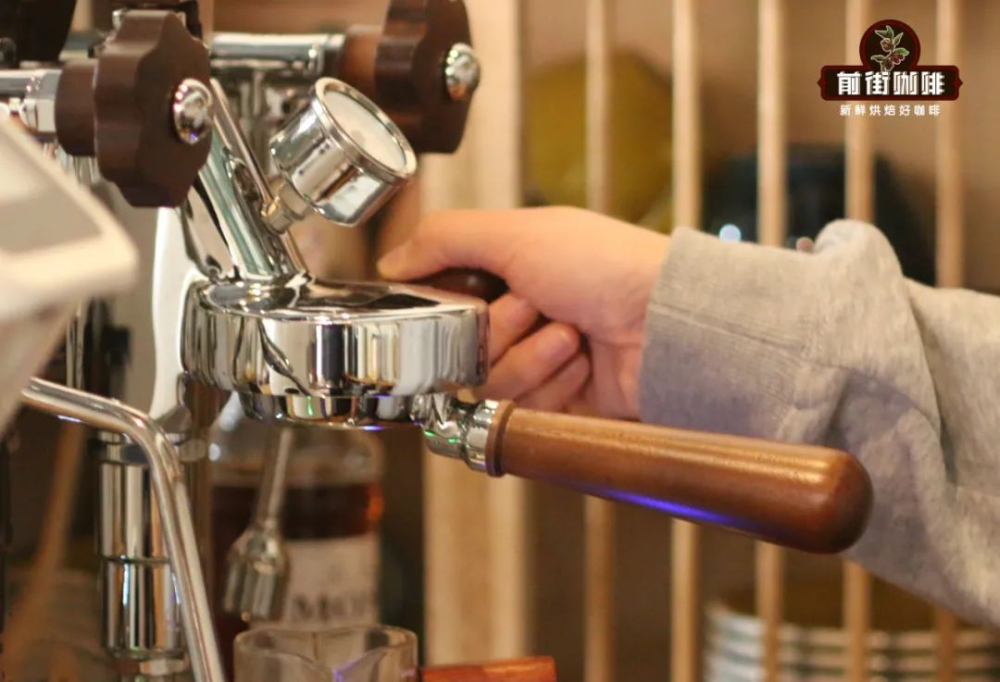
With the rise of the specialty coffee trend, various independent cafés have adjusted their extraction strategies based on their own flavor profiles, resulting in many fine-tuned versions. For example, in the practice of some coffee shops, a double shot (2 shots) is used as the standard output, employing 19 grams of coffee grounds, following a 1:2 brew ratio, aiming to extract 38 grams of coffee liquid, with the overall extraction time controlled around 28 seconds. This setting has become a reference for many professional establishments.
Why are many coffee shops today gradually replacing “milliliters” with “grams” as the standard for serving measurement? The key lies in the density difference between coffee oils (crema) and the espresso liquid. Crema contains a large amount of bubbles and fats, making it voluminously fluffy yet light in weight. Judging solely by volume can lead to errors due to uneven thickness of the crema. Switching to weight measurement not only more accurately reflects the actual amount of extraction but also helps maintain consistency in flavor output.
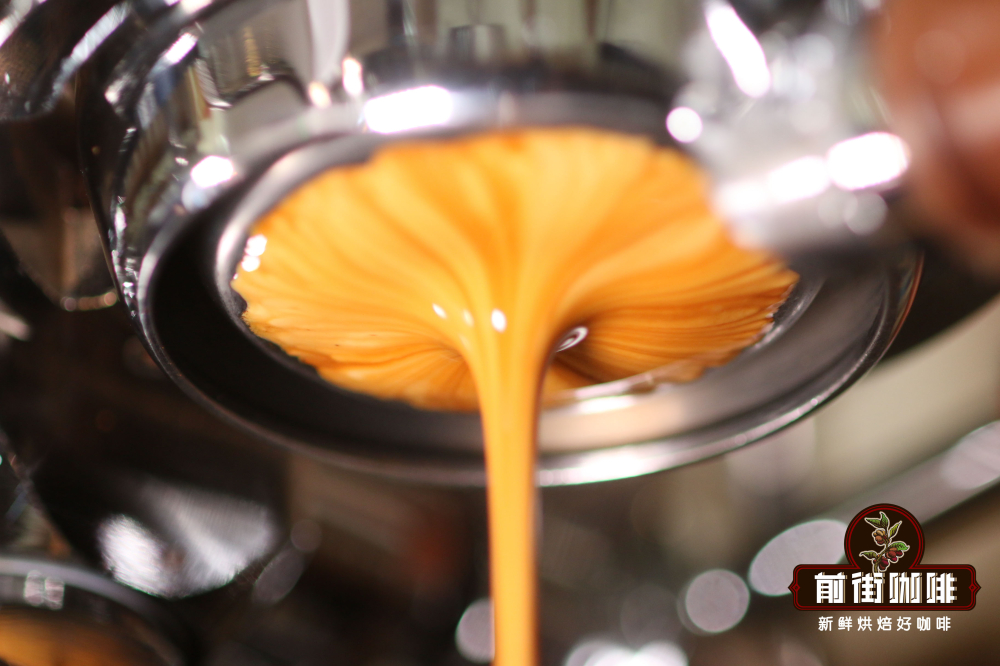
Understanding under-extraction and over-extraction is a fundamental skill every coffee professional must master. Over-extraction typically manifests as overly dark coffee liquid, blackish crema, or even noticeable large bubbles on the surface, often accompanied by extraction times exceeding 1 minute or the first drop taking as long as 10 seconds to appear. Such conditions usually stem from factors like excessively fine coffee grind, high water temperature, excessive extraction pressure, or over-tamping, often resulting in pronounced burnt bitterness and astringency, and a loss of the coffee’s intended layers and balance.
Conversely, under-extraction refers to the failure of a coffee’s aromatic compounds to be fully released, with extraction yields generally below 18%. Such coffee liquid often appears in lighter yellow hues, with little to no crema, and extraction times that are too short (e.g., ending within 15 seconds). Another clear sign is the rapid gushing out of coffee liquid under pressurized extraction, rather than the normal slow, honey-like viscous flow—these are all warning signs of under-extraction.
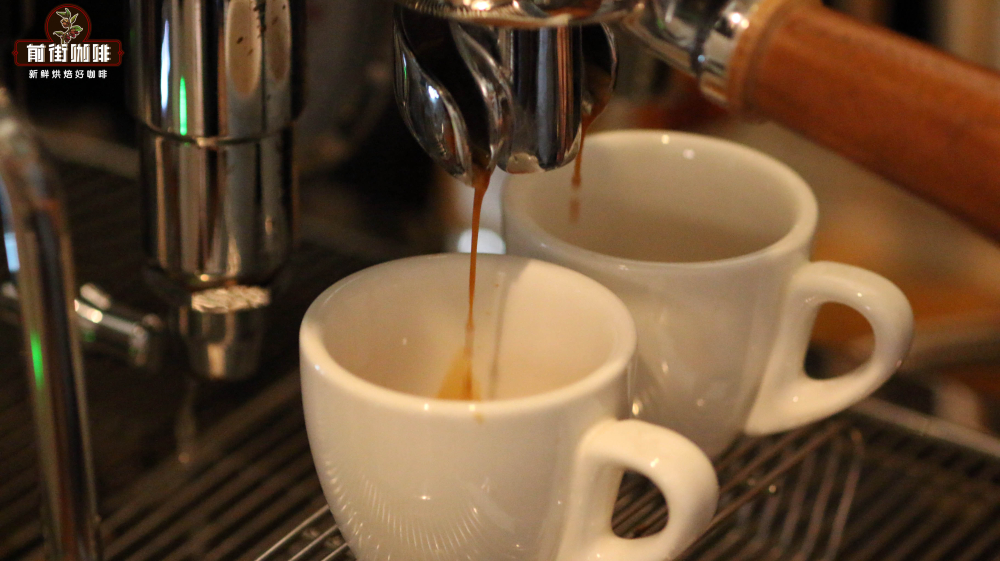
Beyond these basic theories, the practical extraction process often encounters the following typical issues: Firstly, when using a dual-spout portafilter, the coffee liquid always drips from one side first. This issue may stem from three main factors: First, check if the shower screen of the group head is clogged with leftover coffee grounds, and observe whether the water flow distribution is even—if it is noticeably biased to one side, it is recommended to immediately clean the group head and shower screen; secondly, the evenness of the coffee puck tamping is crucial—if the puck is higher on one side than the other, it will cause the water to flow toward the lower side, resulting in asymmetric dripping; lastly, don’t overlook whether the coffee machine or the work surface is perfectly level—many times, even if the first two aspects seem fine, the tilt of the equipment can naturally cause the liquid to flow to one side.
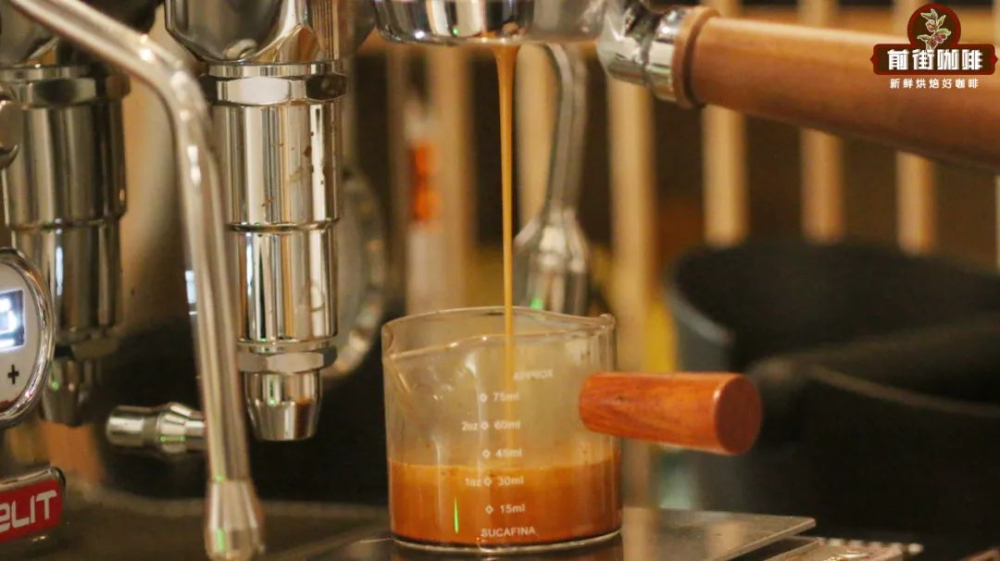
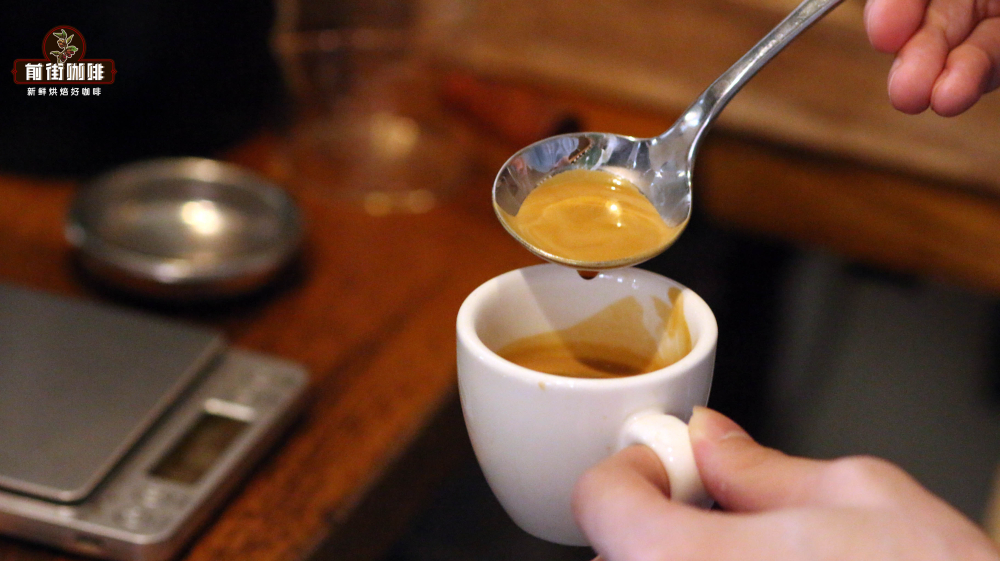
Another common issue is the clumping of coffee oils (crema). This mainly occurs because, under high temperature and high pressure, air combines with soluble fats in the coffee to form crema. However, if the coffee beans used are too fresh and contain too much internal gas, it can lead to overly rich and coarsely structured oils, which may solidify into clumps over time. It is recommended to let freshly roasted coffee beans rest for several days after their roast date, allowing them to pass through the degassing period before use, which helps achieve stable and fine crema performance.
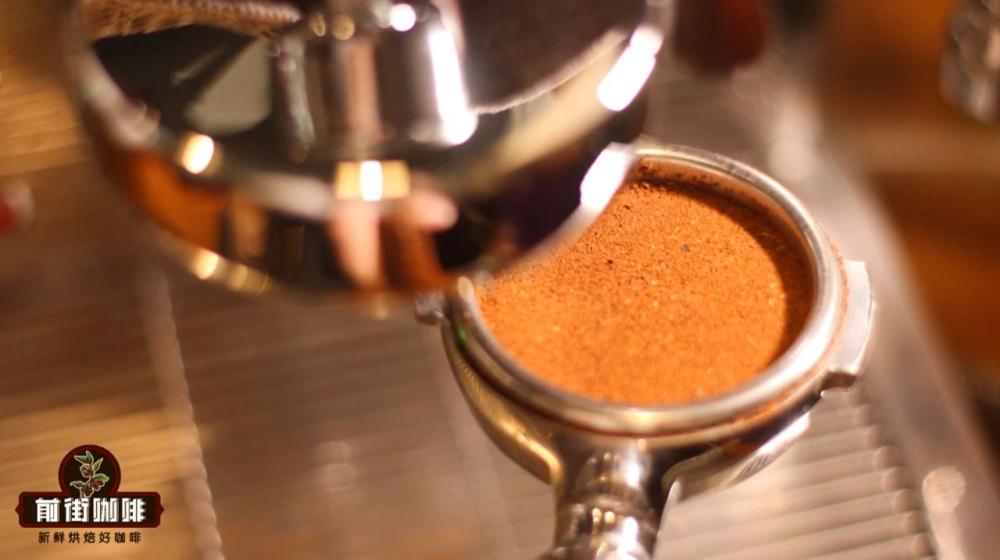
Additionally, many baristas or enthusiasts may notice tiger striping (dark spots scattered across the crema) on the surface of espresso. Is this normal? The formation of tiger striping is often related to excessive fine coffee particles produced by the grinder, enlarged portafilter basket holes, excessively high extraction pressure, or a combination of overly coarse grind with excessive tamping, causing very fine particles to enter the filter basket and mix into the final extraction liquid, thereby forming dark streaks on the crema surface and making the overall color appear darker. Although tiger striping has limited impact on flavor, it can sometimes enhance the body’s richness, but if there is an excess of fine particles, it may also result in a rough mouthfeel, requiring adjustments based on actual conditions.

The above content is compiled by CoffeeHunters, a coffee news website.


