








Introduction:To make a delicious shot of espresso, the key lies not in latte art or milk foam, but in precise extraction techniques. This article delves into the core parameters of espresso—grind size, extraction time, and coffee-to-water ratio—and teaches you how to adjust these elements to achieve the ideal flavor. Additionally, it introduces several popular espresso blends suitable as the base for espresso and their characteristics, helping coffee beginners master professional-level extraction skills from the ground up.

Many coffee newcomers, and even some baristas, often mistakenly believe that the key to making a good milk-based coffee lies in the fineness of the milk foam or the beauty of the latte art. However, what truly determines the flavor of the coffee is the espresso base itself. If the espresso extraction is poor, no matter how velvety the milk foam or how exquisite the latte art, the inferior base flavor will still show through. Therefore, mastering the correct espresso extraction method is a fundamental skill every coffee enthusiast should prioritize learning.
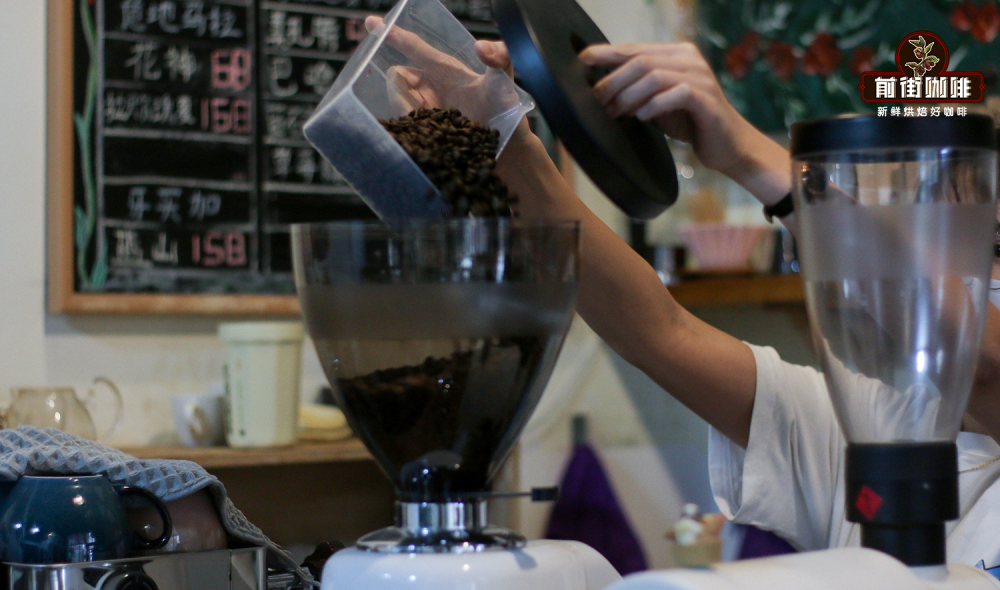
Why choose a blend to extract espresso? The reason is simple: coffee beans are agricultural products, and due to changes in climate, soil, and other environmental factors each year, even batches from the same origin can vary greatly in flavor. Through blending techniques, the strengths of different origins and processing methods can be effectively integrated to achieve a stable and balanced flavor output. As a result, many professional coffee shops opt for carefully crafted espresso blends rather than single-origin beans to create their espresso base.

For example, one coffee brand has launched several popular espresso blends, including specialty blends, commercial blends, and dark cocoa blends. Currently, their stores mainly use the “Sunflower Warm Sun Blend,” which consists of Ethiopian Yirgacheffe sundried red cherry and Honduran Sherry beans in a 3:7 ratio. This blend, when extracted under high pressure, exhibits a rich whiskey aroma, paired with soft fruity acidity and a finish of nuts and cocoa. When combined with heated milk, it enhances sweetness without masking the whiskey character, making it highly popular among customers.
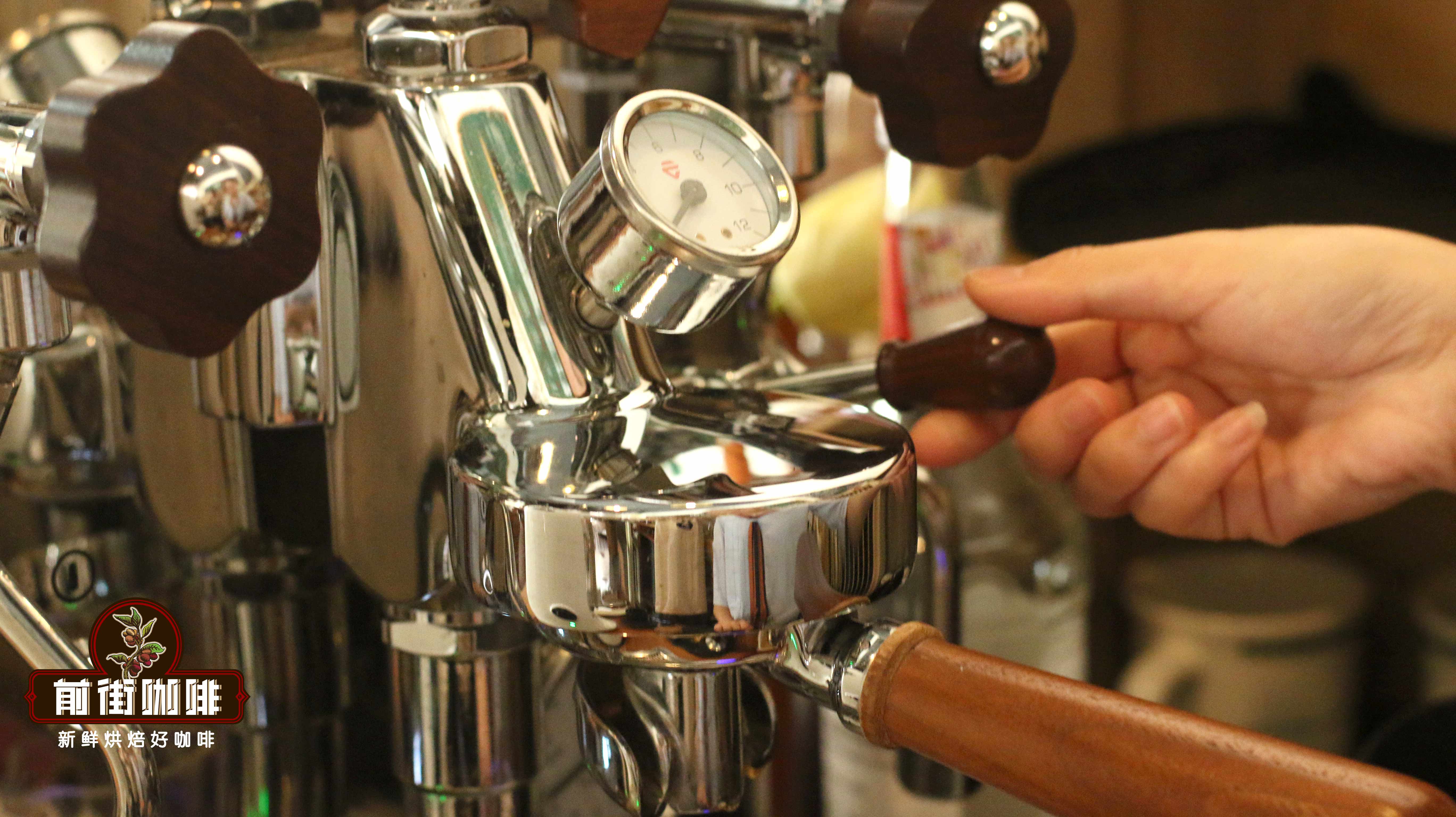
Why adjust the espresso extraction parameters every day? Even when using the same blend, because roasted coffee beans continuously release carbon dioxide, their flavor and extraction characteristics change over time. Moreover, each coffee machine’s performance, water quality, grinder settings, and ambient temperature vary, so there is no universal “standard parameter” that applies to all situations. The following extraction conditions are for reference only: when using a Lelit machine, it is recommended to maintain a pressure of 9 bar, a water temperature of around 94°C, a total extraction time of about 30 seconds, a coffee-to-water ratio between 1:1.7 and 1:2, with about 20 grams of coffee (for a double shot), yielding approximately 40 milliliters of espresso.
Why not provide a fixed set of extraction parameters? Because the state of the coffee beans is constantly changing, as are the machine conditions. Simply applying a set of numbers may not yield the best flavor. Only by actually brewing and tasting, then fine-tuning the parameters repeatedly, can you find the optimal settings for the beans and machine at hand. This is also an important part of a professional barista’s daily routine.
So, how exactly should you extract espresso? The process is full of details, and any oversight can affect the final flavor. First, remove the portafilter and empty out the old coffee grounds. Pay special attention to two points: the portafilter should remain on the group head to stay heated, avoiding a drop in water temperature due to cooling; and the old coffee grounds should be kept inside the portafilter until the next use, as they help absorb odors from the copper group head.
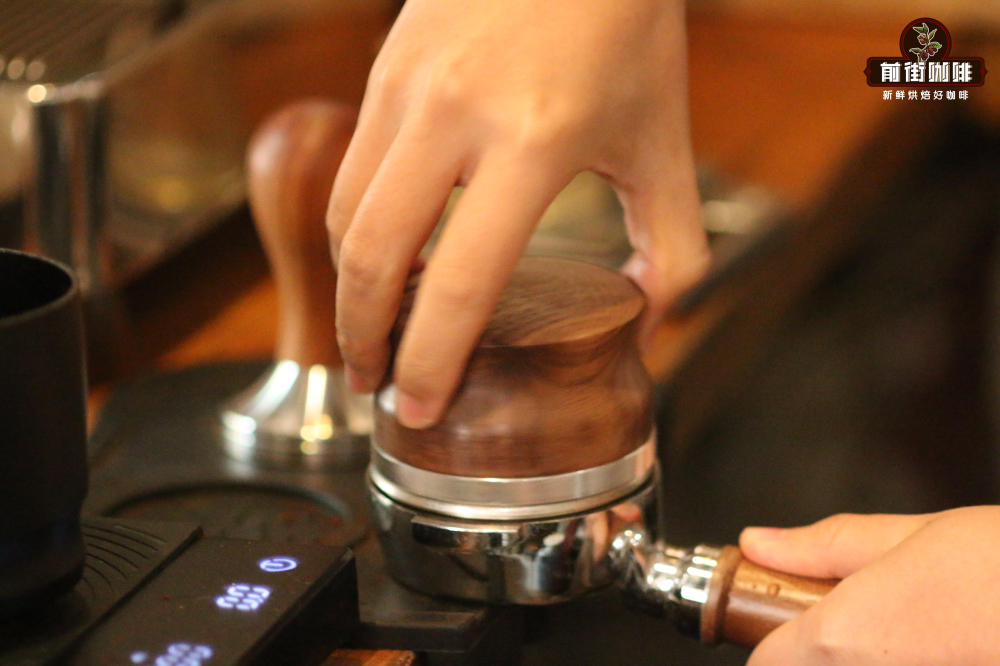
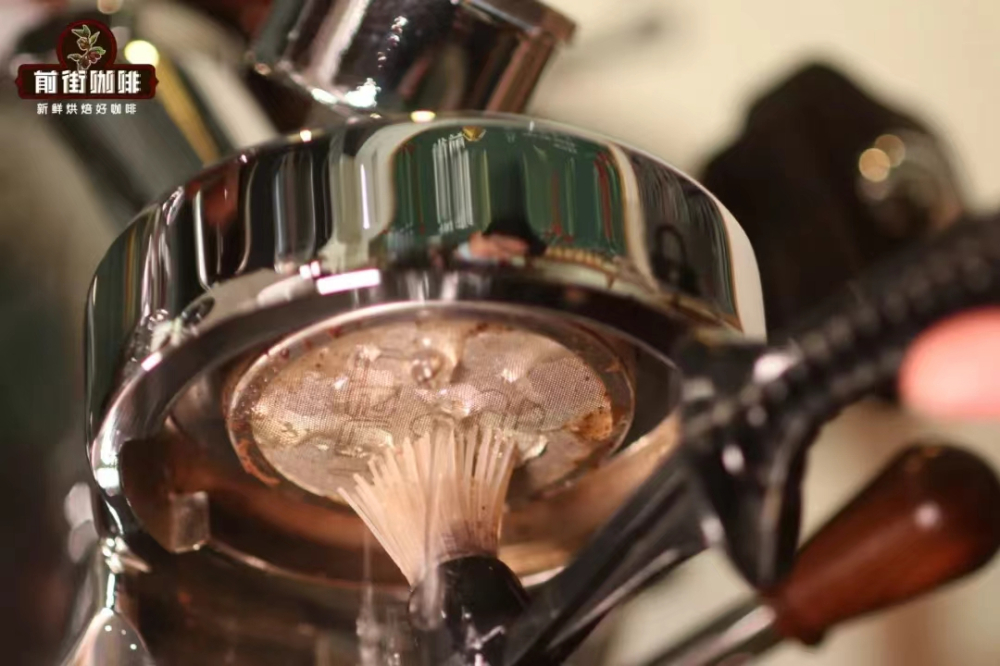
Next, reattach the portafilter to the group head and press the brew button while shaking the portafilter to thoroughly remove any residual coffee grounds. This step effectively prevents the grounds from being re-extracted, which can lead to bitterness. At the same time, this action helps preheat and slightly lower the water temperature, preventing over-extraction. Afterward, be sure to thoroughly dry the filter and spout inside the portafilter with a dry towel to avoid residual moisture causing premature extraction or uneven puck formation.
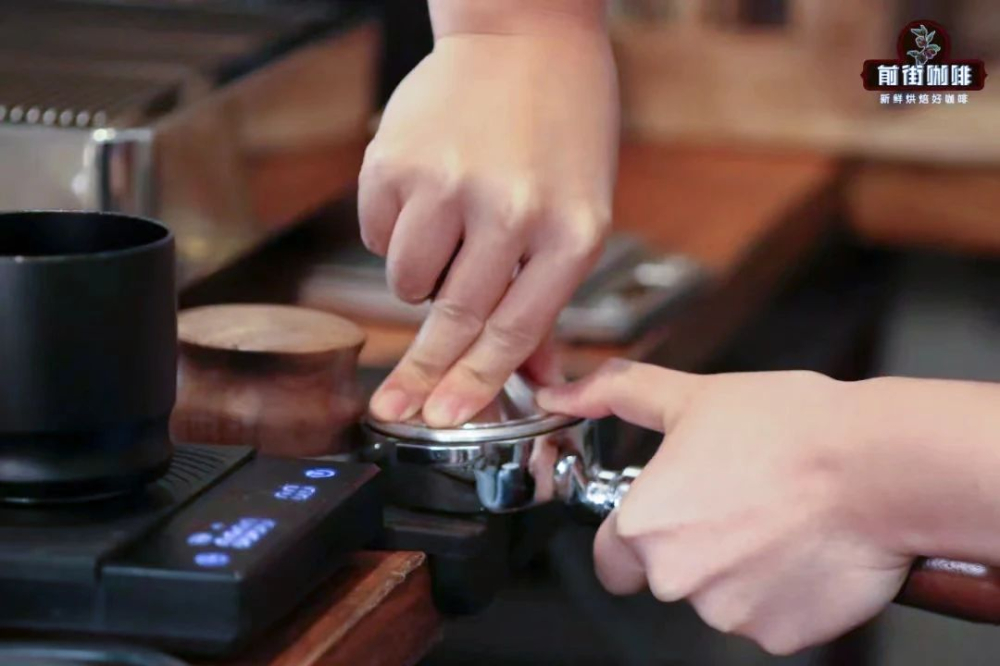
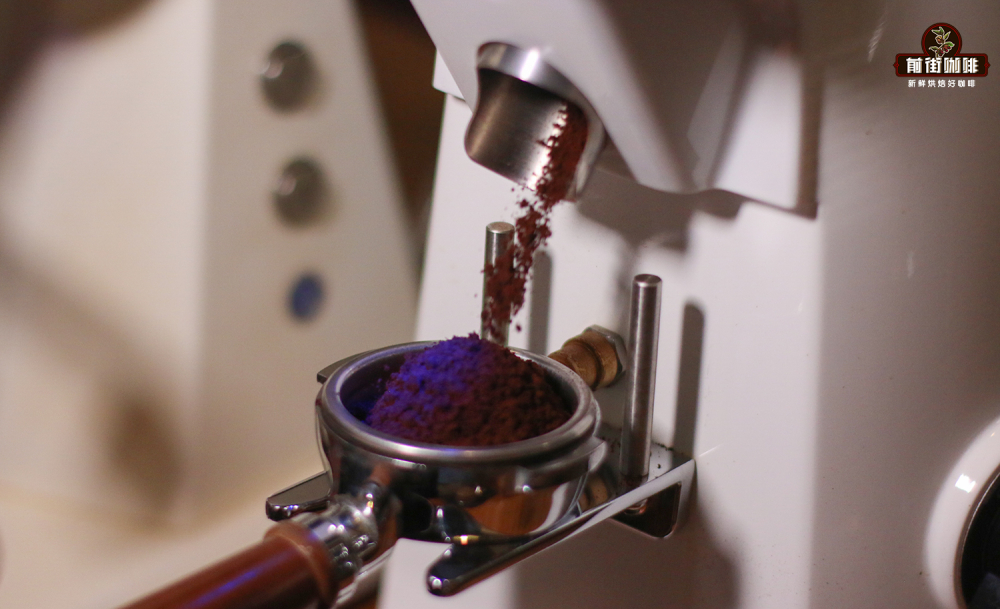
Immediately proceed to grind the coffee beans and dose the grounds. Be sure there is no leftover old coffee in the dosing chamber; always use freshly ground coffee to prevent oxidation that can affect flavor. It’s recommended to grind and quickly fill the portafilter until it’s nearly full, then turn off the grinder and pull the lever to allow all the coffee grounds to fully settle into the basket. Next, use a distribution tool to evenly spread the coffee bed, ensuring consistent distribution and avoiding channeling that can lead to uneven extraction.
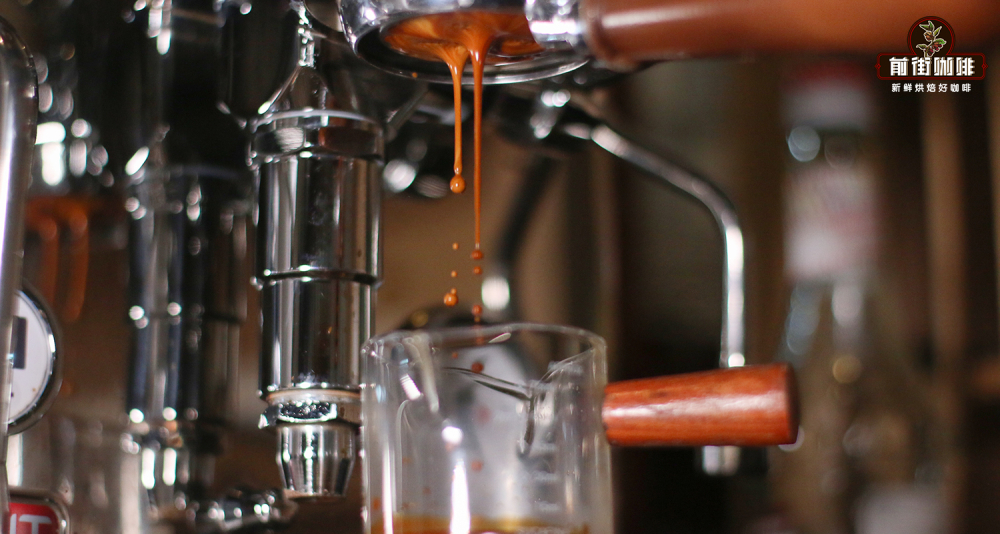
After dosing, perform the tamping. This compacts the coffee bed, reducing variations in particle spacing and minimizing the chance of high-pressure water preferentially flowing through looser areas, thereby avoiding localized over-extraction or under-extraction. After tamping, immediately reattach the portafilter to the group head and start extraction. The entire process should be done swiftly to prevent the high temperature from overheating the coffee grounds and making them bitter. Ideally, the flow during extraction should appear as a steady, creamy stream; if too fast, it may indicate the grind is too coarse or the tamp is insufficient; if too slow, the grind may be too fine or the pressure too high. Also, the extraction time should remain consistent, with variations of no more than 1 second per shot to ensure flavor consistency.
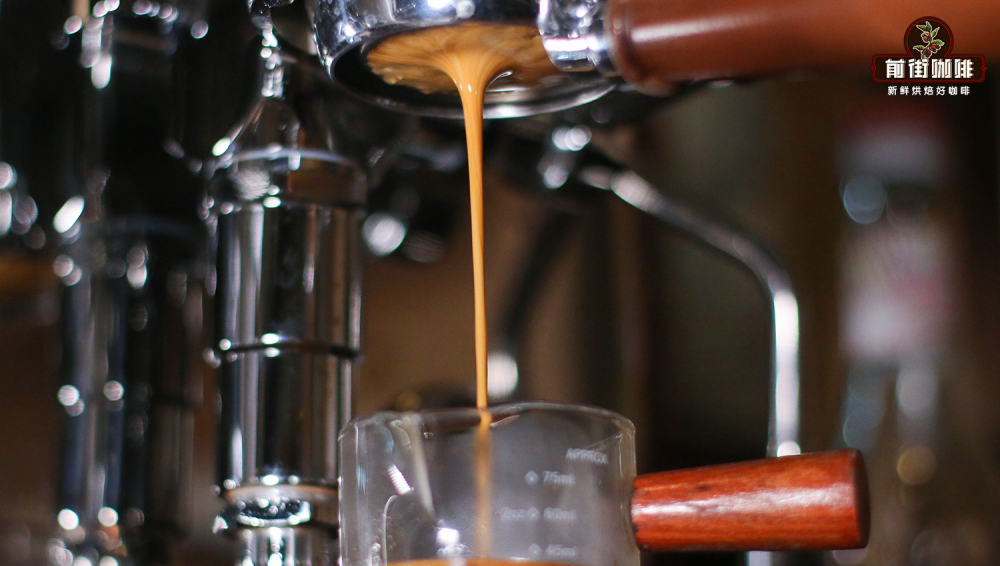
After extraction, check that the coffee puck surface is flat with no indentations, which indicates even tamping. Mix the extracted espresso with water to make an Americano (black coffee) and taste it. If it has no off-flavors, isn’t astringent, the bitterness dissipates quickly, and the mouthfeel isn’t watery, the extraction parameters are essentially appropriate. If you can consistently produce multiple shots with stable extraction times and flavor profiles, it means your technique is maturing.

The above content is compiled by CoffeeHunters, a coffee news website.


