







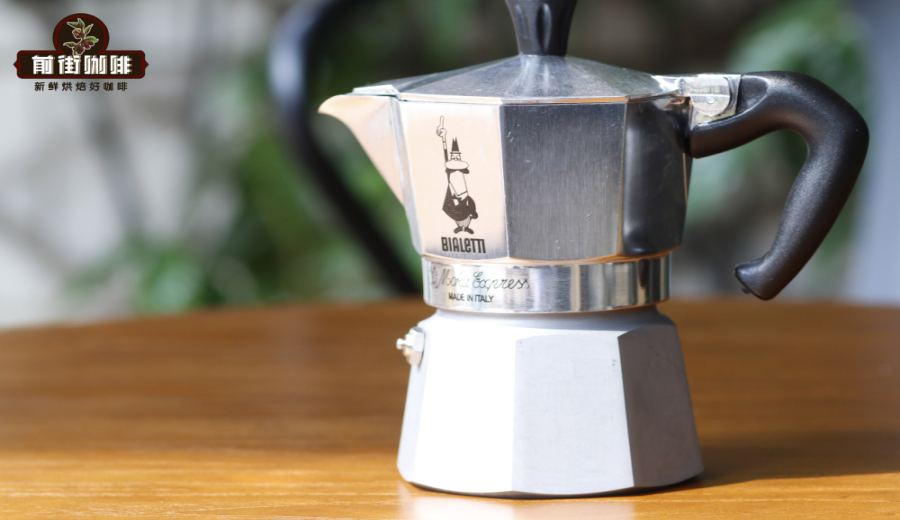
Introduction:As a classic espresso brewing device, the differences between single-valve and double-valve Moka pots often confuse beginners when choosing. This article delves into the science behind whether the coffee chamber should be fully filled, compares how the two valve structures affect extraction flavor, and offers practical usage tips to help readers master the correct way to use this traditional coffee tool.
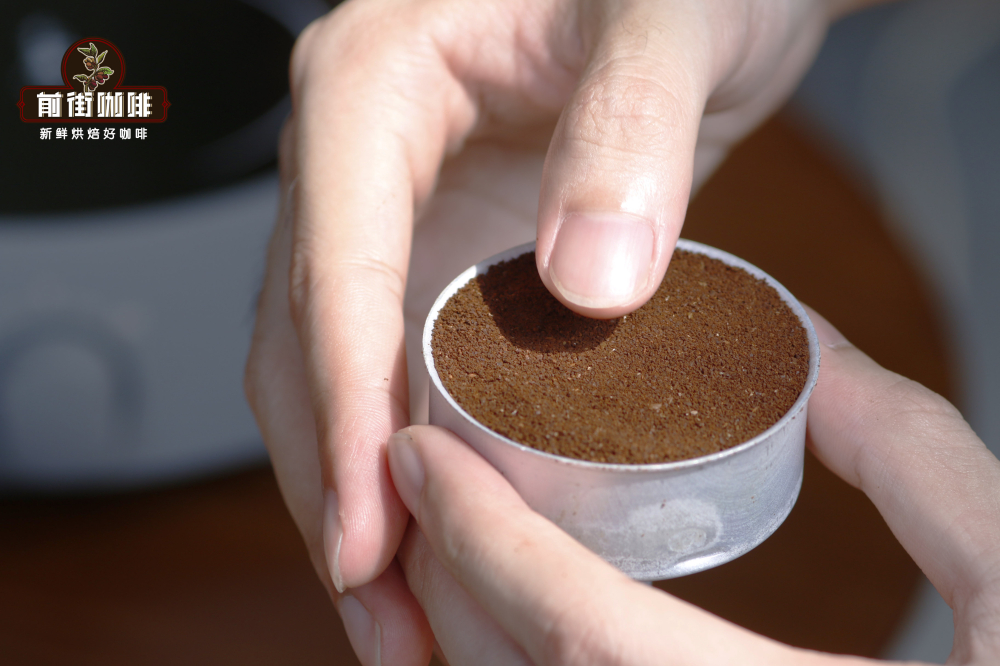
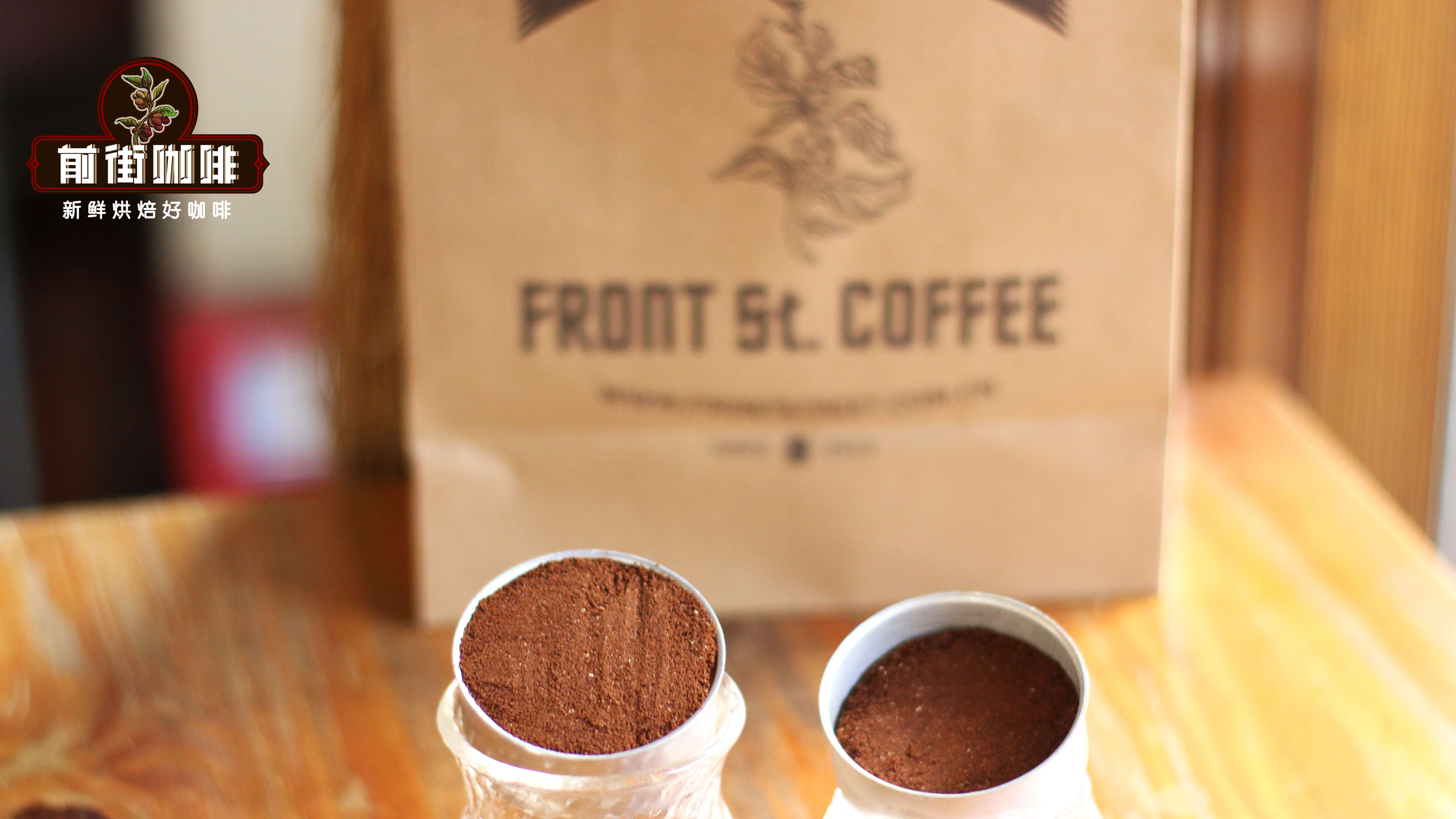
[Key Points on Coffee Ground Filling]When making Moka pot coffee, it is recommended to completely fill the coffee chamber with grounds. If only half-filled, the water flow resistance will significantly decrease, leading to a shorter extraction time and easily resulting in overly acidic flavors. This phenomenon stems from the inertia of water — hot water will preferentially choose the path of least resistance, creating what is known as the "channeling effect."
When the coffee bed is not thick enough, the high-temperature water that does not come into contact with the coffee grounds will flow directly up into the upper chamber, causing the bottom coffee grounds to be over-extracted and resulting in bitterness. The professional approach is to gently tamp the coffee grounds before filling, then evenly press them down to about half their original height using the back of a spoon, and pre-fill the lower chamber with hot water above 90°C. This can effectively control the extraction time within the ideal range.
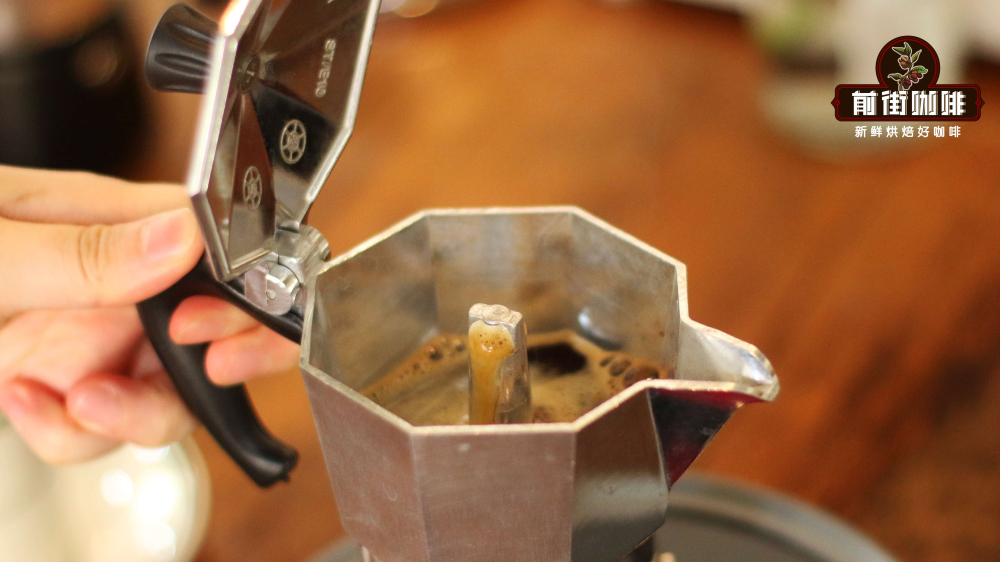
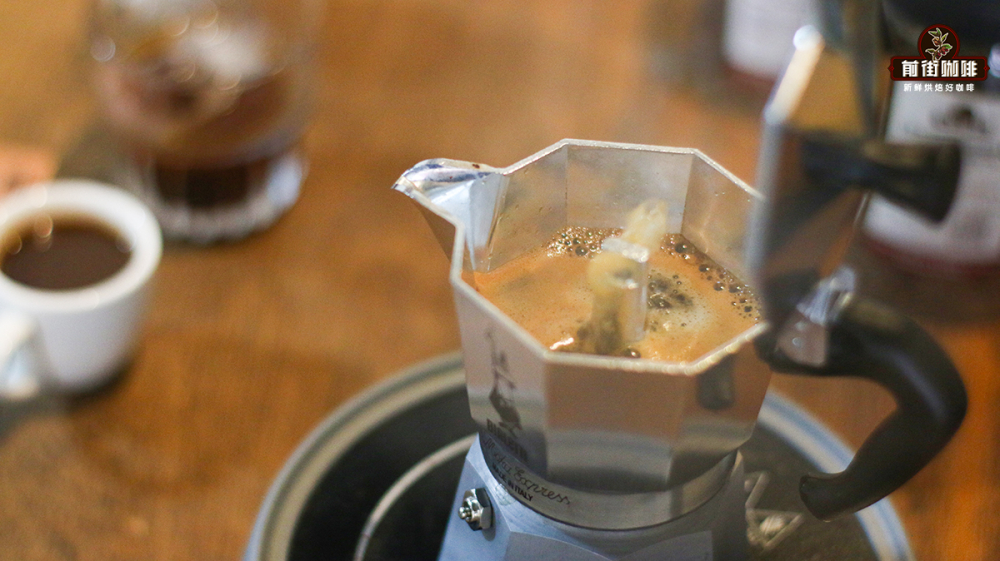
Practical tests have shown that using this adjustment method to make a “half-fill” style Moka pot coffee not only avoids splattering but also produces a delicate crema layer. When the finished brew is mixed with cold milk, distinct cocoa and creamy notes can be clearly tasted, with an overall rich and well-balanced mouthfeel.
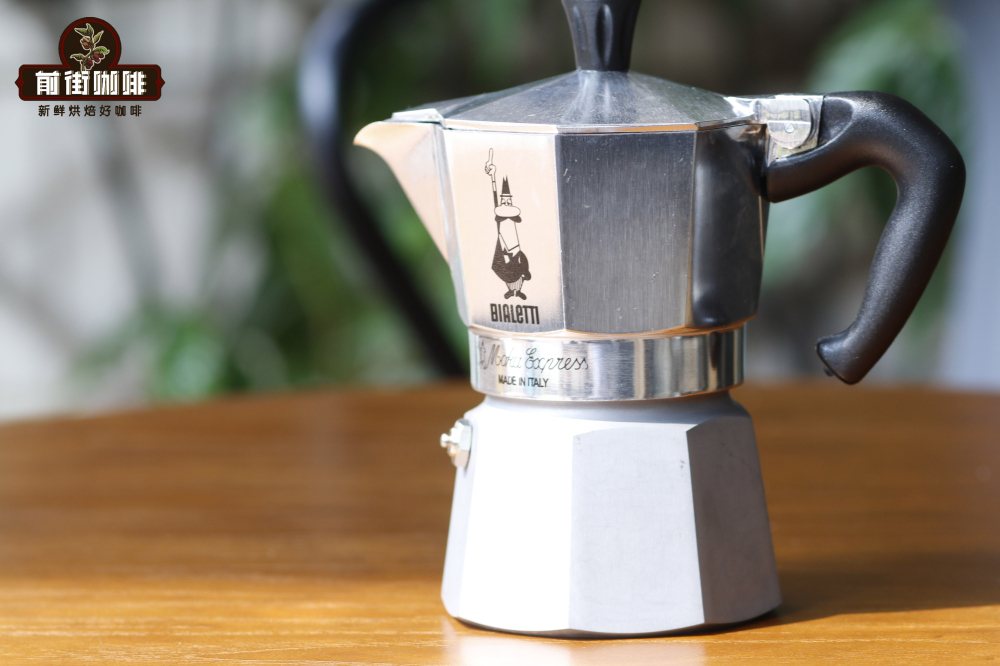
[Differences Between Single-Valve and Double-Valve Structures]Modern Moka pots are mainly divided into single-valve and double-valve types. The basic single-valve design allows the brewed coffee to flow directly through the small hole at the top, making it suitable for beginners seeking stable extraction. The advanced double-valve model adds a pressure valve in the hollow tube, which requires sufficient steam pressure to open the valve. This mechanism can extract richer coffee oils.
Although the double-valve system can produce more intense flavors, its high-pressure environment also comes with the risk of over-extraction. Users need to pay special attention to adjusting the grind size finer than that used for single-valve pots (about the size of sugar granules) and strictly control the heating time to within 30 seconds. It is recommended that beginners opt for the single-valve model first, as it has a higher margin for error and a lower learning curve.

[Practical Operation Tips]Regardless of which valve type you choose, make sure the alcohol burner or halogen stove is set to a low or medium flame. Once you observe that coffee liquid begins to steadily drip from the upper chamber, immediately reduce the flame to low and start timing. The ideal extraction volume should be controlled at 25–30 ml per brew, with the entire process not exceeding 45 seconds.
Common mistakes include not pressing the coffee bed properly, leading to channeling, using coffee grounds that are too coarse (they should be finer than those used for pour over), or overheating, which causes burnt and bitter flavors. It is recommended to use coffee grounds specifically suited for Moka pots (medium-dark roast is preferable), and to perform a blank test during your first use to familiarize yourself with the equipment's characteristics.
The above content is compiled by CoffeeHunters, a coffee news website.


