








Introduction:Want to brew a delicious Americano or latte at home? Learn the golden coffee-to-water ratio for espresso, master the techniques for preparing hot and iced Americanos, and discover which coffee beans are best suited for espresso-based drinks. This article provides an in-depth analysis of Americano extraction parameters, the impact of espresso-to-water ratios on flavor, and recommends suitable coffee bean blends to help you quickly advance from a beginner to a true coffee connoisseur.
Espresso is the soul base of many classic coffee beverages—whether it's diluted with hot water to make a hot Americano, mixed with fresh milk to create a latte, or enjoyed on its own, it showcases its rich and intense flavors. To brew a great-tasting Americano, you must start with the extraction of the espresso, where the coffee-to-water ratio is one of the key factors.
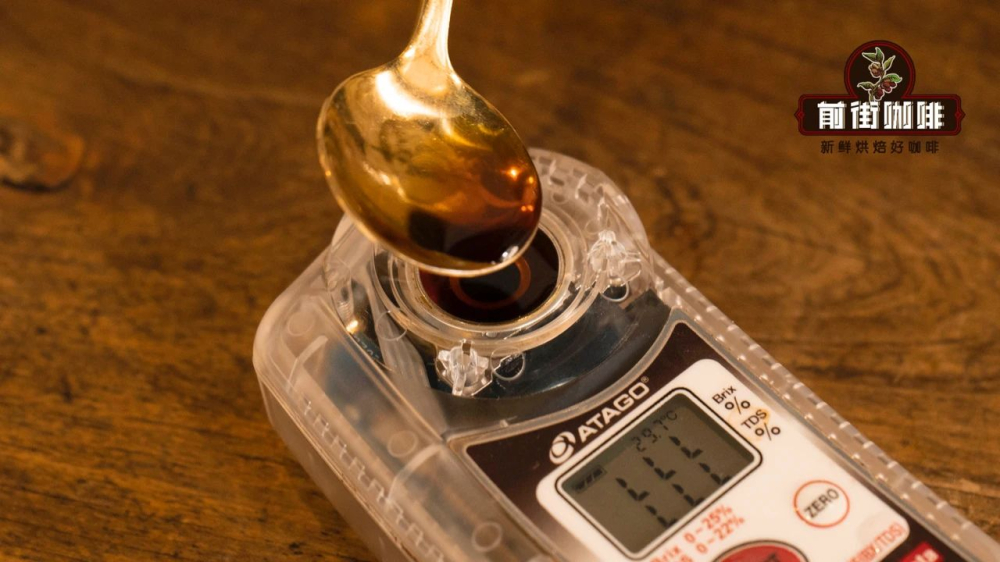
A common Americano coffee powder-to-water ratio is around 1:4 to 1:5, but the exact ratio can be adjusted based on personal preference for strength. If you prefer a stronger taste, you can go with 1:4; if you want a lighter flavor, you can increase the water amount to 1:5. Regardless of the ratio, it’s recommended to use the Golden Cup standard as a reference—that is, an extraction yield between 18%–22% and a concentration range of 1.15%–1.55%—to achieve the best balance.

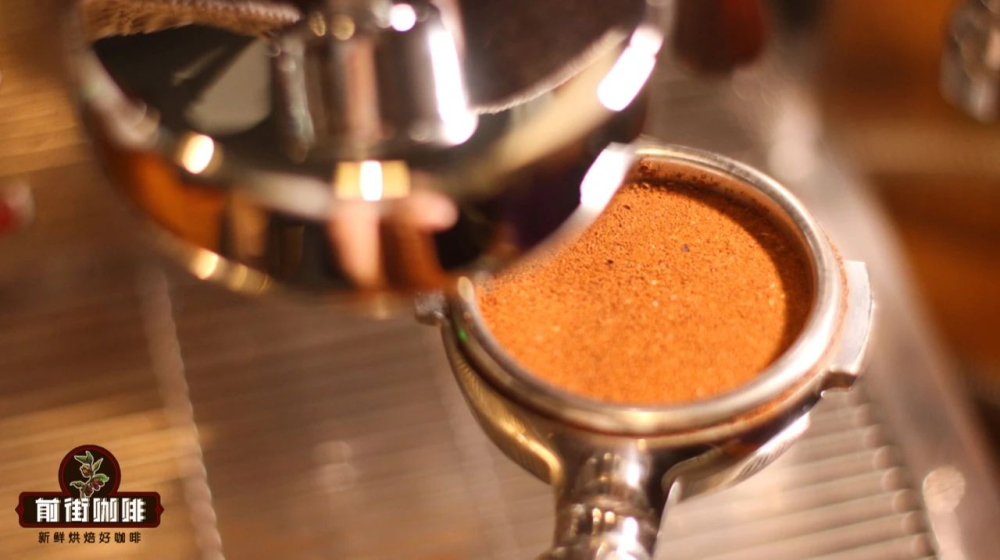
For example, using 15 grams of coffee grounds, extracting 60 milliliters of espresso with an espresso machine is typically divided into three parts: the first, middle, and last streams, each observed for different flavor characteristics. The first stream often has prominent aromas but may also carry slight acidity depending on the roast level—this is actually close to the flavor profile of a Ristretto (espresso concentrate). Diluting this espresso with hot water according to personal taste results in the familiar Americano.
In practical testing,the ratios of 1:4, 1:4.5, and 1:5 were all compared, and it was found that 1:4.5 is the golden ratio that best presents the full flavor layers of the coffee, especially for a blend combining Honduran Sherry and Ethiopian Yirgacheffe Natural Red Cherry. This ratio fully highlights the wine-like aroma and cocoa aftertaste. If you're just starting with espresso, it’s recommended to begin with this ratio and then fine-tune it to your liking.
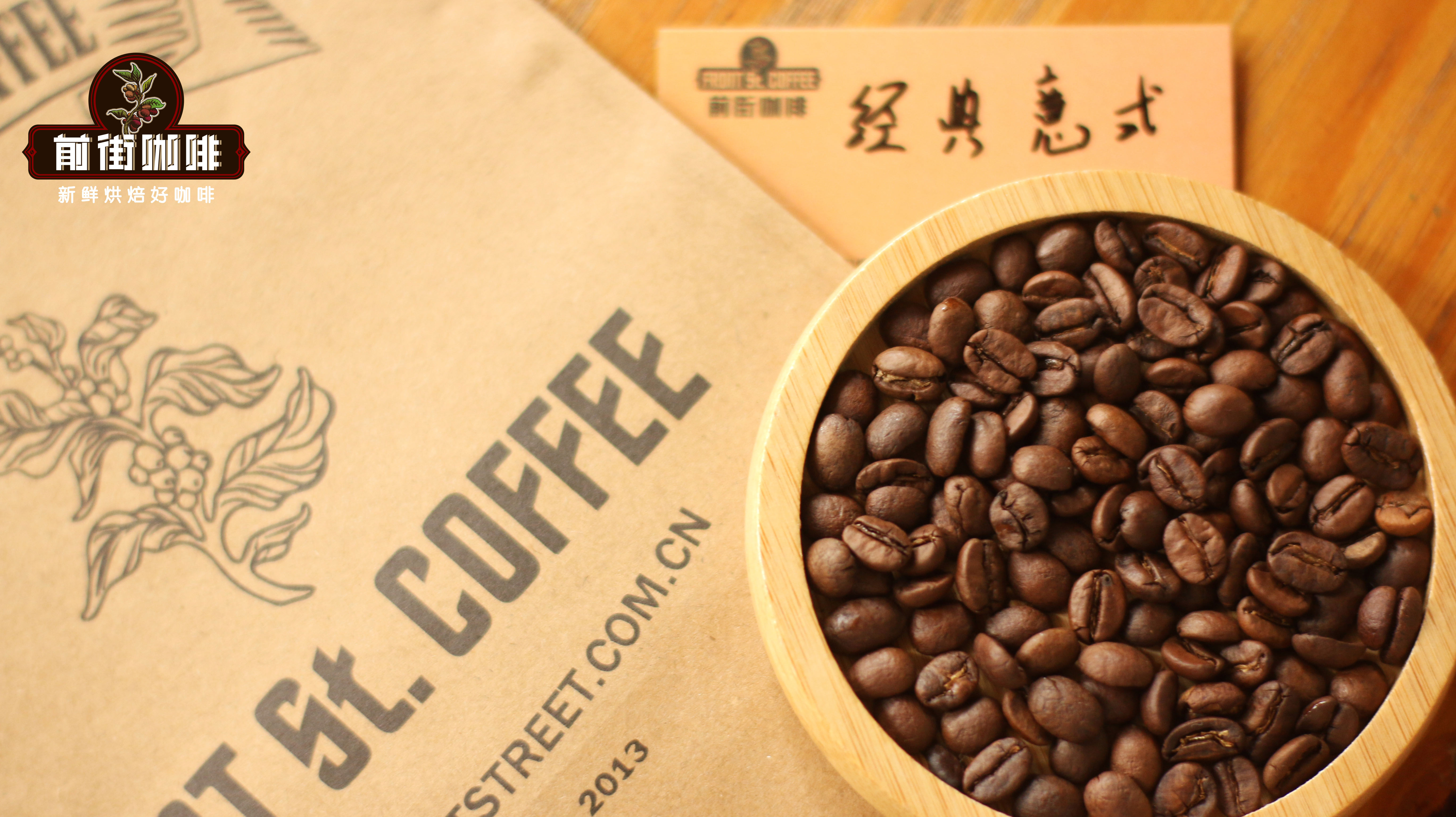
As for coffee bean selection, most Americanos are based on espresso-roasted blends, typically with a darker roast to withstand the high temperature and pressure of the extraction process. Common blending methods on the market include beans from different regions, such as combinations of Guatemala, Colombia, Brazil, and Tanzania in proportions like 3:3:2:1, offering a balanced taste of acidity, sweetness, bitterness, and aroma—ideal for beginners to understand the flavor of espresso.

If you prefer a heavier body, you might consider adding a small amount of Robusta beans to enhance the coffee’s crema and intensity. A common blend ratio could be Colombia, Brazil, and Robusta in a 3:6:1 proportion. For those who favor brighter acidity, a combination of Tanzania and Yirgacheffe balanced with Brazil and Colombia—suggested in a 4:2:2:2 ratio—can create a vibrant and layered sweet-and-acidic flavor.
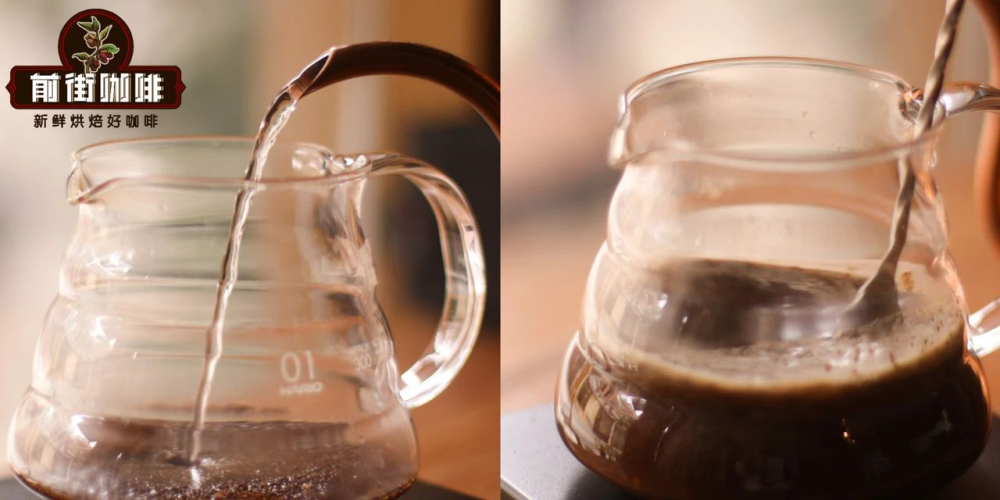
With summer arriving, iced Americano is also a top choice for many. Simply mix the extracted espresso with cold water in a 1:1 ratio, stir gently until uniform, and enjoy a cool and refreshing iced Americano. Additionally, if you want to try a different brewing method, you might explore cold brew coffee. Compared to the high-temperature, high-pressure espresso, cold brew involves steeping ground coffee in cold water and refrigerating it for about 12 hours. The resulting flavor is cleaner, with distinct citrus acidity and floral notes, making it ideal for those who prefer low-acidity and refreshing tastes.

Whether you’re a beginner or an experienced coffee enthusiast, mastering the espresso coffee-to-water ratio and selecting the right coffee beans will allow you to easily recreate café-quality coffee at home. From hot Americano to iced Americano, from blends to single origins, understanding these basic parameters will enrich and professionalize your coffee experience.
The above content is compiled by CoffeeHunters, a coffee news website.


