








Introduction:Americano is often mistakenly thought to be the same as black coffee, but in fact it is made by diluting espresso with hot water, and is a type of black coffee. This article delves into the historical origins, brewing principles, and common flavor characteristics of Americano, while also analyzing the best timing for drinking iced Americano. Additionally, it recommends several coffee bean varieties suitable for making Americano, including both blends and single origins, to help readers fully grasp the essence of this classic beverage.
When it comes to black coffee, many people immediately think of Americano, even equating the two. However, black coffee generally refers to any coffee drink without added sugar or milk, and Americano is just one representative type. Its charm lies in its simplicity yet layered profile, and the key lies in the quality of the espresso and the dilution ratio.
Although the name includes "American," this drink actually originated during World War II. It is said that at the time, American soldiers stationed in Europe and America found it difficult to adapt to the strong and concentrated Italian-style coffee, so they requested more hot water to be added to make it taste more like the coffee back home. Later, this way of drinking came to be called "Americano," which is what we now know as Americano.
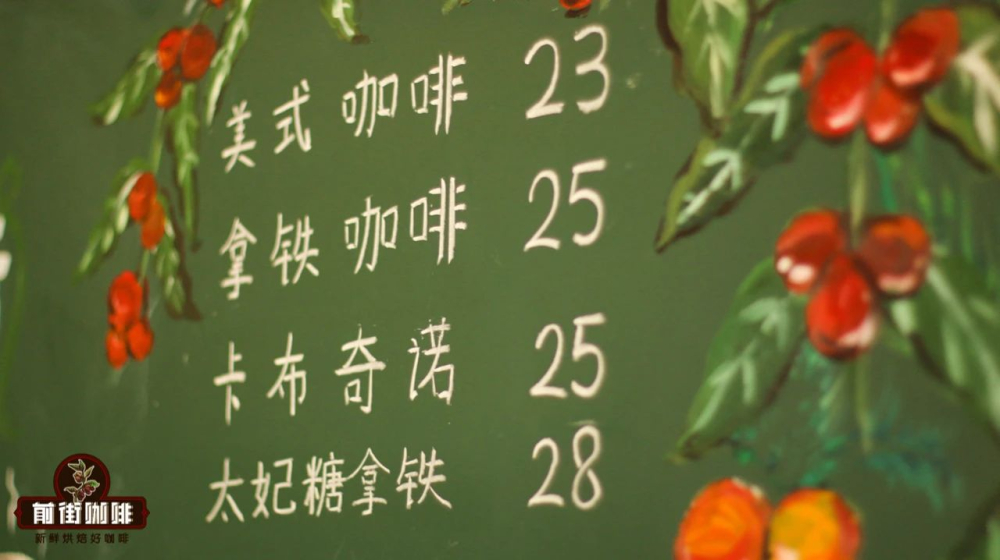
The method of making Americano is relatively simple, usually starting with a shot of espresso as the base, then adding hot water to dilute it. According to common practice, the standard ratio for Americano is one part espresso to about two to three parts hot water. This not only reduces the intensity but also makes the coffee flavor smoother and more palatable, suiting the daily drinking habits of most people.
From a technical perspective, Americano is essentially the result of diluting highly concentrated espresso with hot water, so its flavor largely depends on the espresso beans used and the extraction conditions. If high-quality coffee beans are used, even after dilution, it can still retain rich aroma and layered complexity.
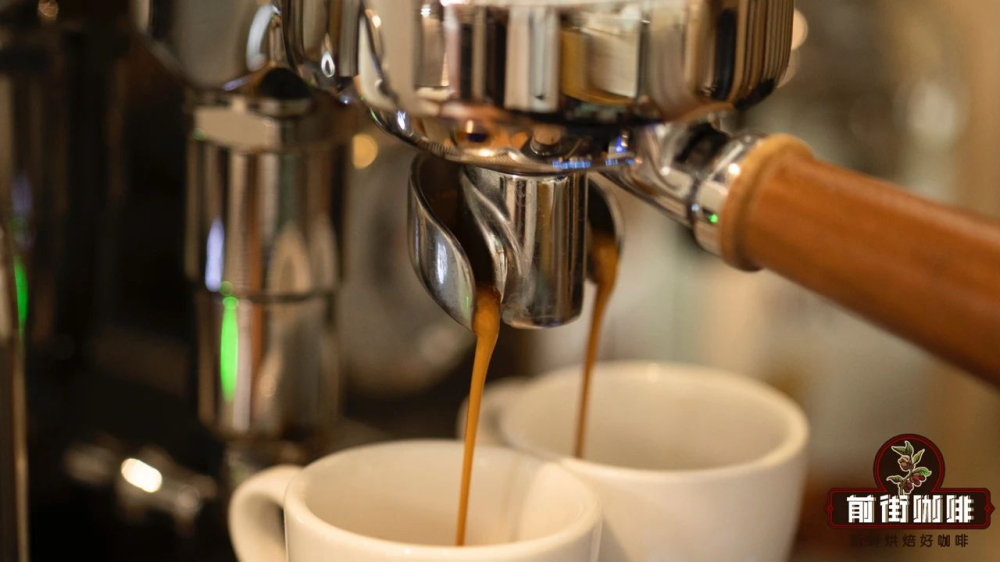
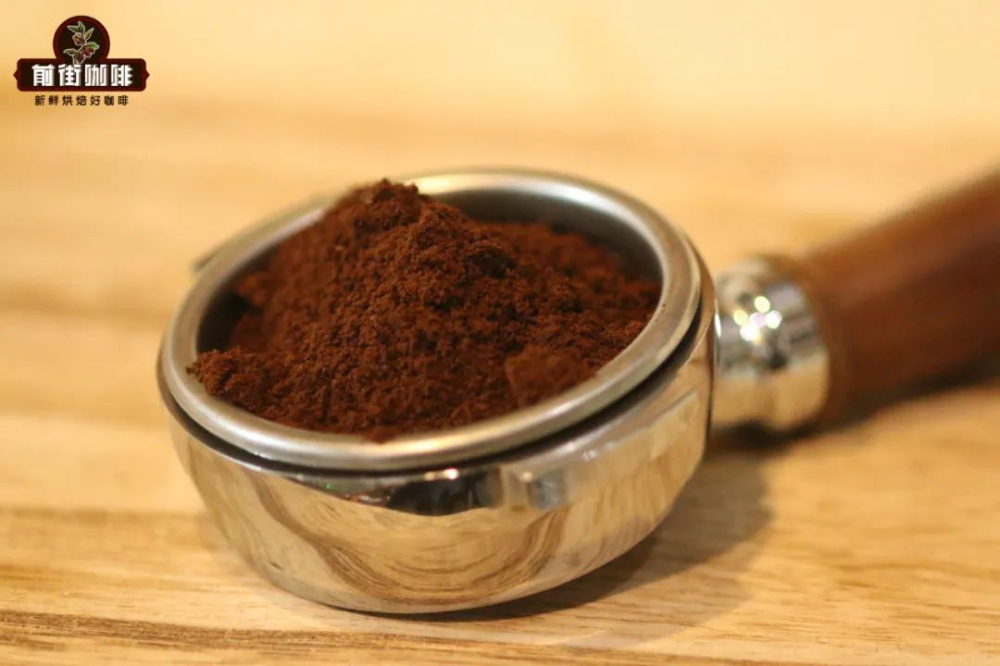
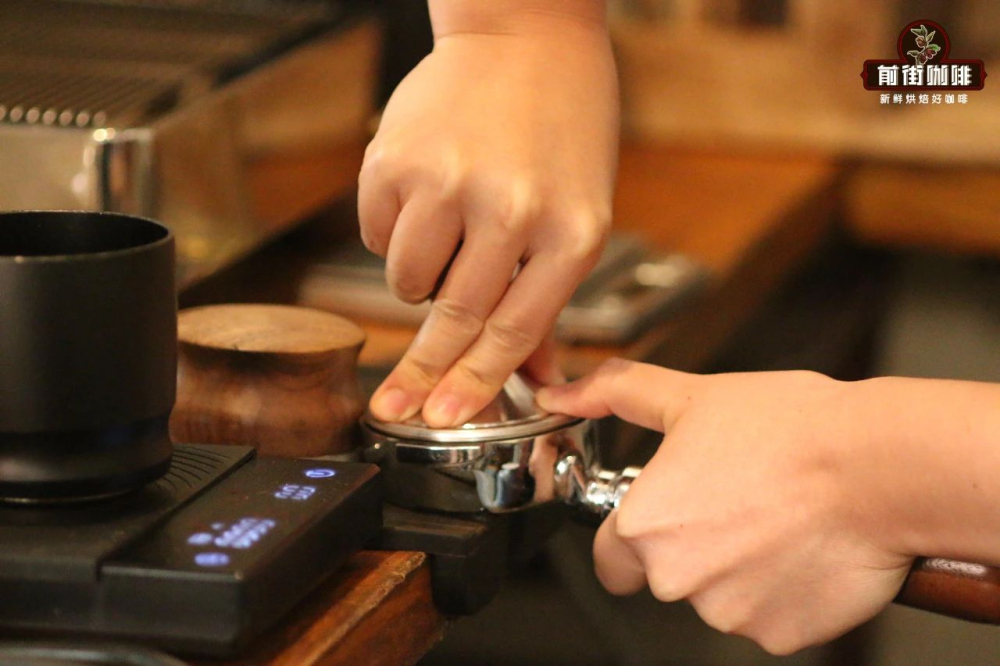
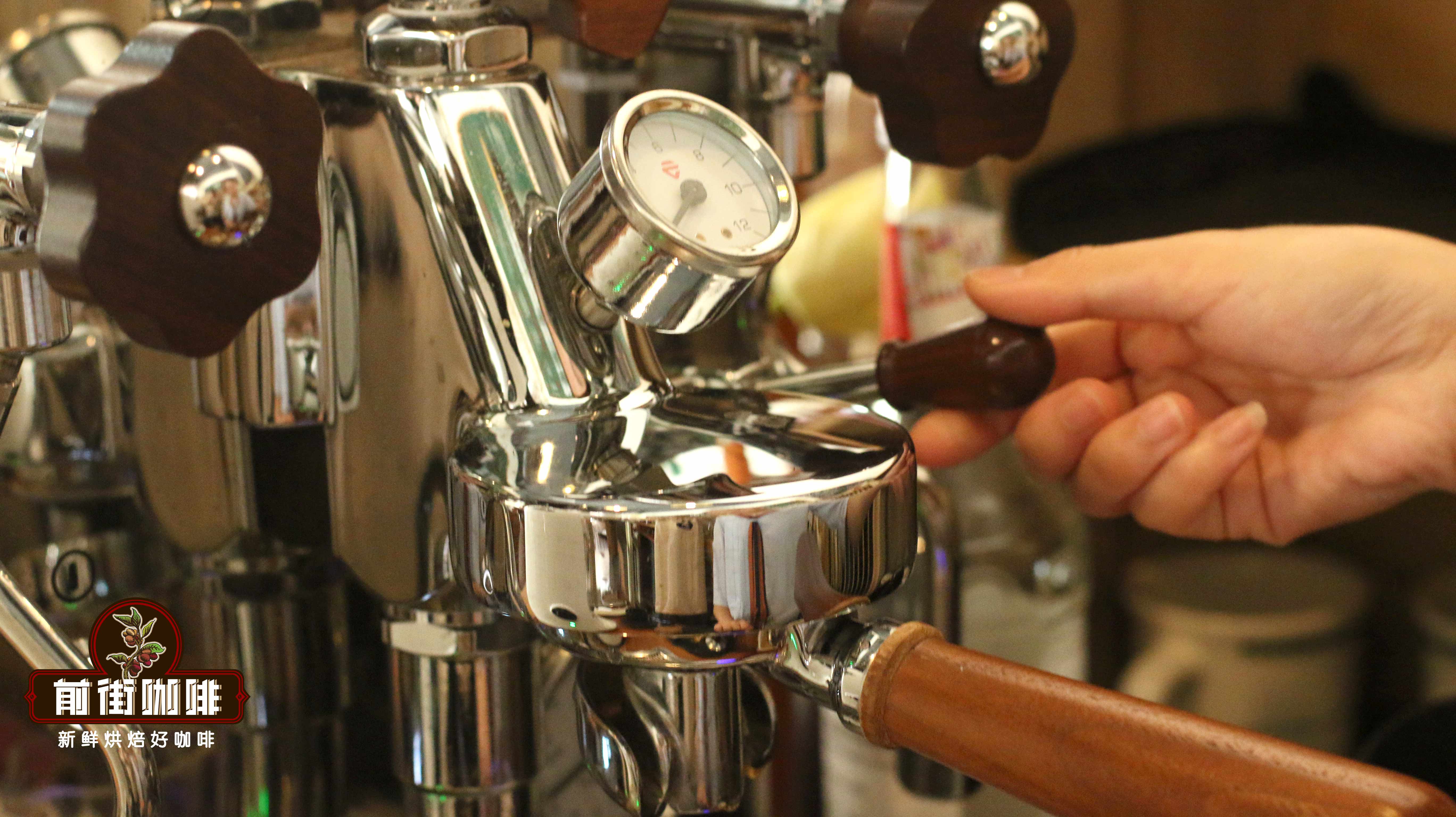
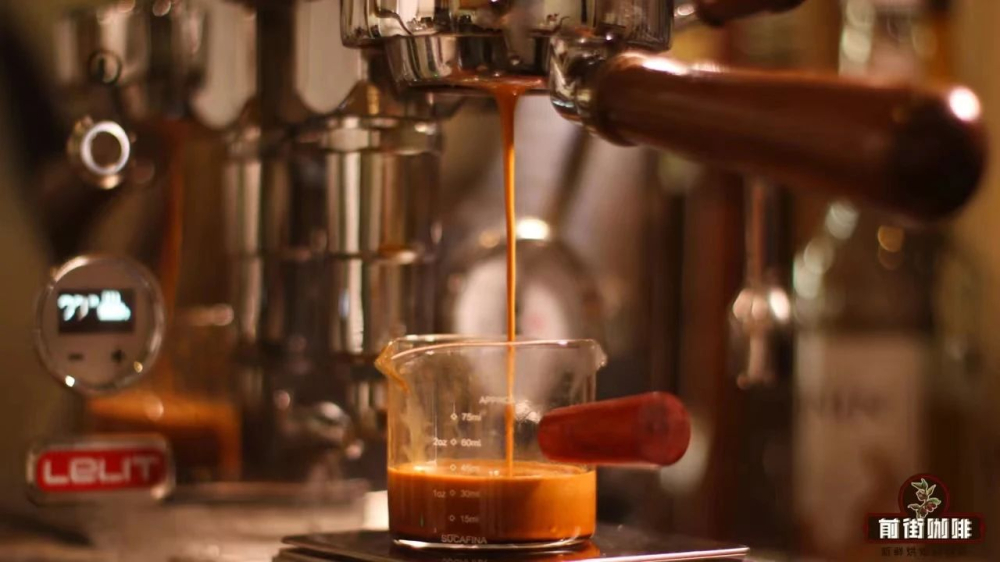
In terms of production, espresso is a highly concentrated coffee liquid extracted under high pressure, using extremely finely ground coffee powder that is quickly passed through hot water in a sealed, high-pressure environment to extract a rich and flavorful liquid. Then, by adding an appropriate amount of hot water according to personal taste, you get a standard cup of Americano.

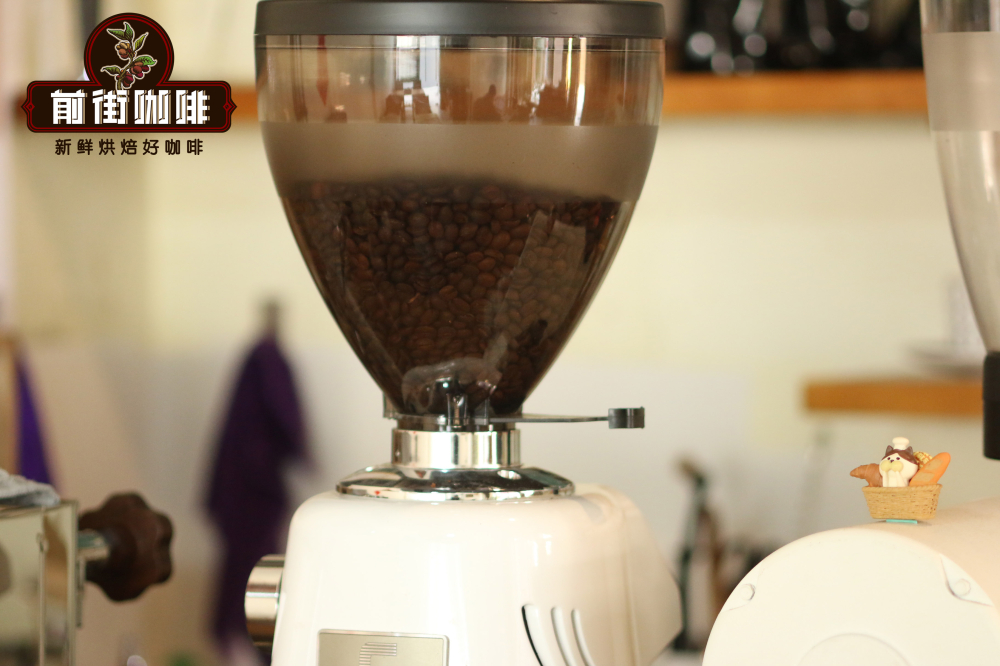
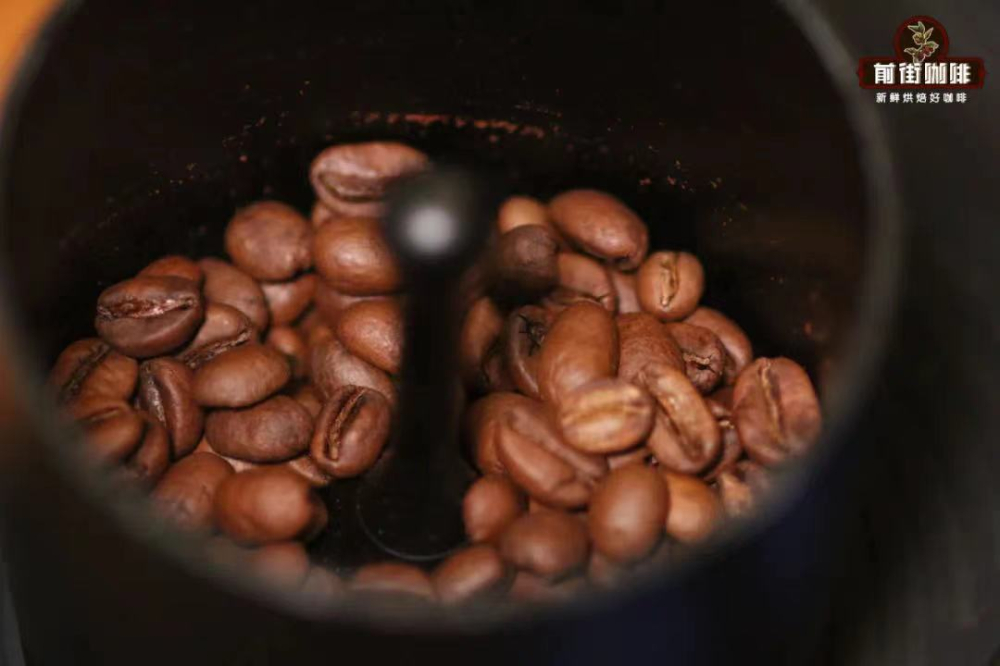
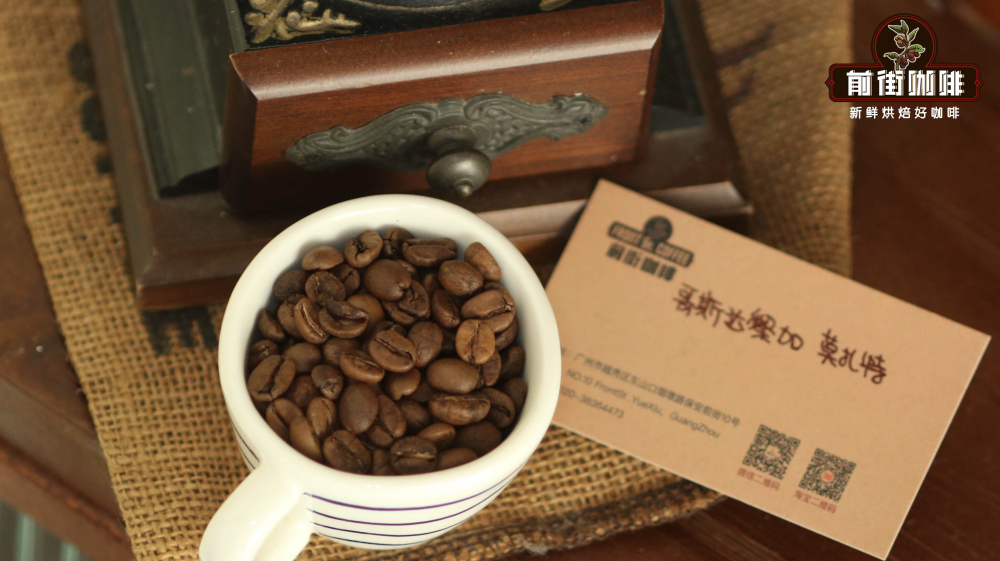
As for bean selection, it is recommended to use blends specifically designed for espresso. These beans are typically a mix of coffees from different regions, with proportions carefully balanced to achieve flavor harmony, stable extraction performance, and to reduce potential issues such as excessive acidity or thinness from a single origin. Most blends are also medium to dark or dark roasted, which helps deliver a rich and full-bodied mouthfeel, maintaining depth of flavor even after dilution.
For example, some blend combinations blend the nutty notes of Brazilian beans with the bright fruit acidity of Central American beans, along with moderate caramelization reactions to bring out sweetness and balance. These types of beans can produce a harmonious and enjoyable flavor profile when used for Americano.

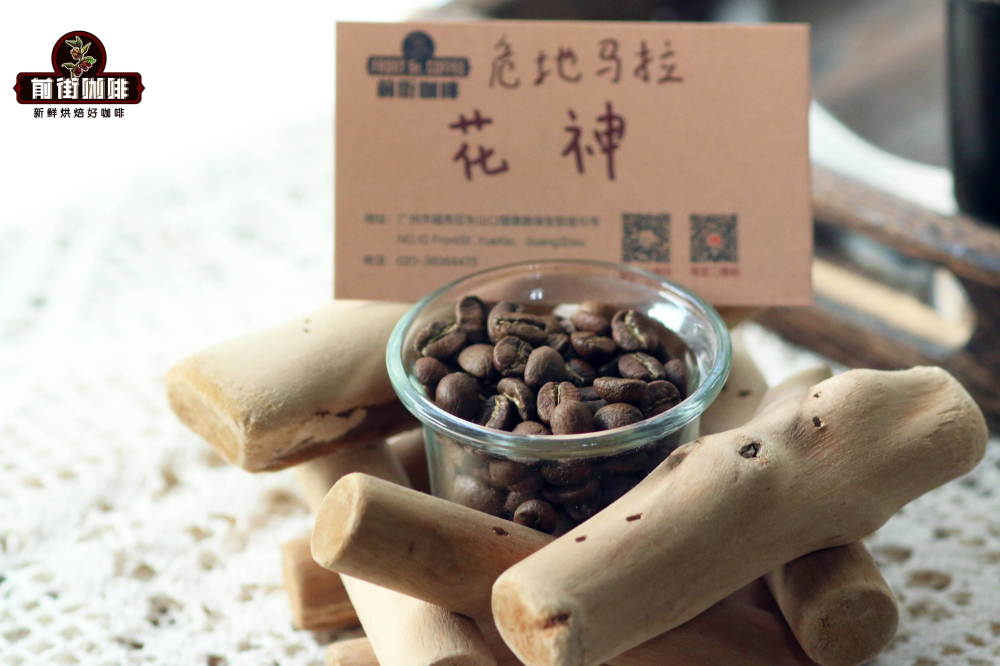
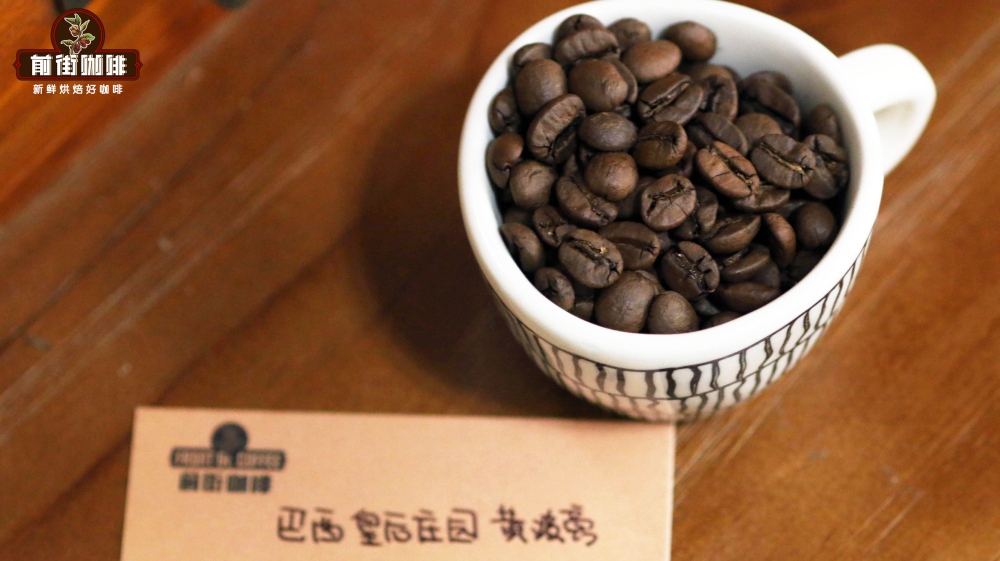
If you prefer to try single-origin coffee (SOE), you can also opt for medium to dark roasted beans from Central or South American origins, such as Brazil, Guatemala, or Costa Rica. These beans, after proper roasting, can showcase flavors like caramel, nuts, and dark chocolate, and still maintain layers after SOE extraction. Even when diluted with water, they can retain a certain level of flavor expression.
It’s worth noting that light-roasted coffee beans, due to their lower degree of caramelization, can easily produce overly sharp and thin flavors when extracted under high-pressure for espresso, which may not suit everyone's taste preferences. Therefore, if choosing single-origin beans, it is better to go with medium or darker roasts to ensure stable flavor and rich mouthfeel.
Iced Americano is especially recommended for summer consumption. Not only can you enjoy the aroma of the coffee, but the cooling effect of the ice cubes also provides a refreshing experience. Suitable occasions include morning pick-me-ups, post-workout replenishment, or when you need to focus in the afternoon. However, if weight loss is your goal, it’s advisable to avoid drinking too much iced Americano on an empty stomach to prevent stomach irritation. The best time to drink it is about an hour after a meal or paired with a small snack.
In summary, Americano is not just “coffee with water added.” It is a classic beverage whose diverse flavors can be adjusted through bean selection, roast level, and brewing ratios. Whether using blends or single origins, as long as you master the key parameters and brewing details, you can easily replicate café-quality deliciousness at home.


The above content is compiled by CoffeeHunters, a coffee news website.


