







Introduction:SOE (Single Origin Espresso) has become a popular choice in specialty coffee in recent years, but many people still have questions about its acidity and brewing methods. This article delves into what SOE is, why light-roasted SOE often exhibits sharp acidity, and provides practical recommendations on grind size, coffee-to-water ratio, and extraction time to help you start from the basic formula and gradually optimize a balanced and flavor-rich SOE espresso.
SOE, or Single Origin Espresso, refers to espresso made using coffee beans from a single origin. This concept contrasts with common blended espresso, which typically combines beans from different regions to achieve flavor stability, whereas SOE emphasizes the unique characteristics of a single origin. However, SOE does not necessarily mean absolute high quality or guaranteed good taste, especially under the high-extraction method of espresso where both the strengths and weaknesses of the beans are magnified.
Since SOE uses coffee beans from only one origin, regional characteristics such as acidity, sweetness, and body become more pronounced. As a result, every step—from roast level and grind coarseness to extraction parameters—directly influences the final flavor profile. In particular, light-roasted SOE, due to its lighter roast degree, tends to highlight bright acidity, and if not handled properly, it can easily result in overly sharp or unbalanced flavors.
Many people believe that light-roast beans are not suitable for espresso, mainly because they often produce sharp acidity and short aftertaste after extraction, which is closely related to the characteristics of the roast level. In addition, most baristas tend to apply traditional medium-to-dark roast extraction methods to all types of beans, which can also lead to poor performance of light-roast SOE. In fact, to extract a smooth and well-balanced SOE espresso, the first priority is to clarify how you plan to enjoy this cup of coffee—whether black, diluted with hot water as an Americano, or paired with milk to make milk-based drinks like lattes.
Generally speaking, if drinking straight, a softer flavor is recommended; if diluted with water, a more complete flavor profile is needed; and when adding milk, a richer coffee base is required to balance the milkiness. With this understanding, it’s suggested to start with a standard extraction formula: a 1:2 coffee-to-water ratio, with extraction time controlled between 25 to 30 seconds. This set of parameters can help you initially determine a suitable grind size. Although further fine-tuning may still be necessary, it helps avoid large errors.
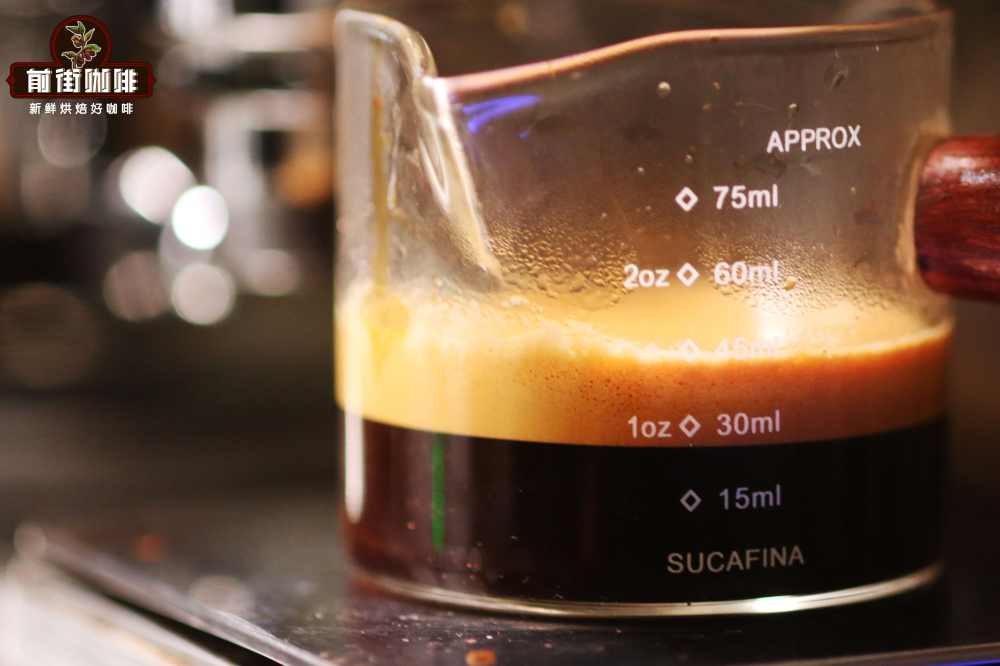
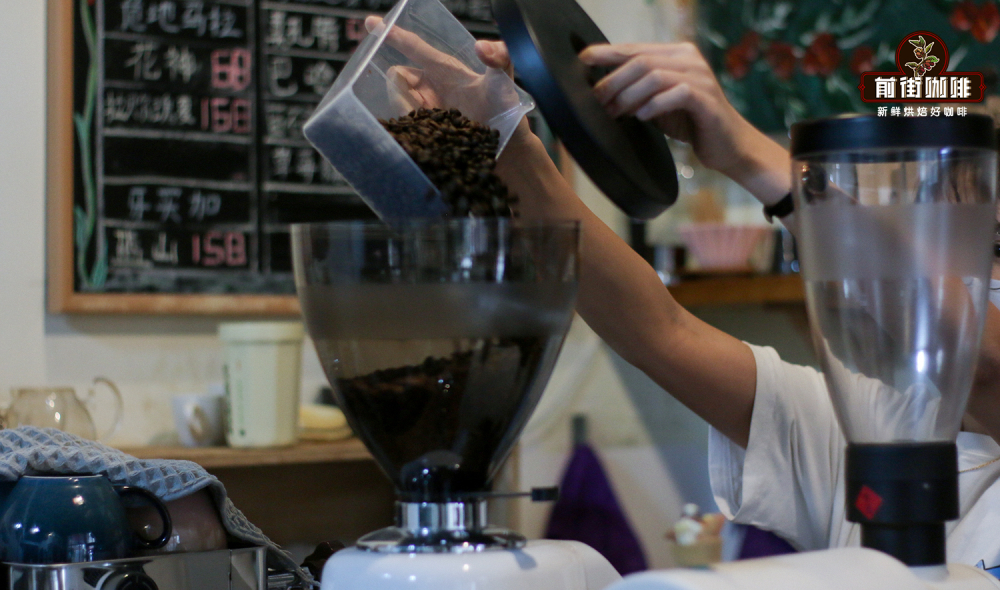
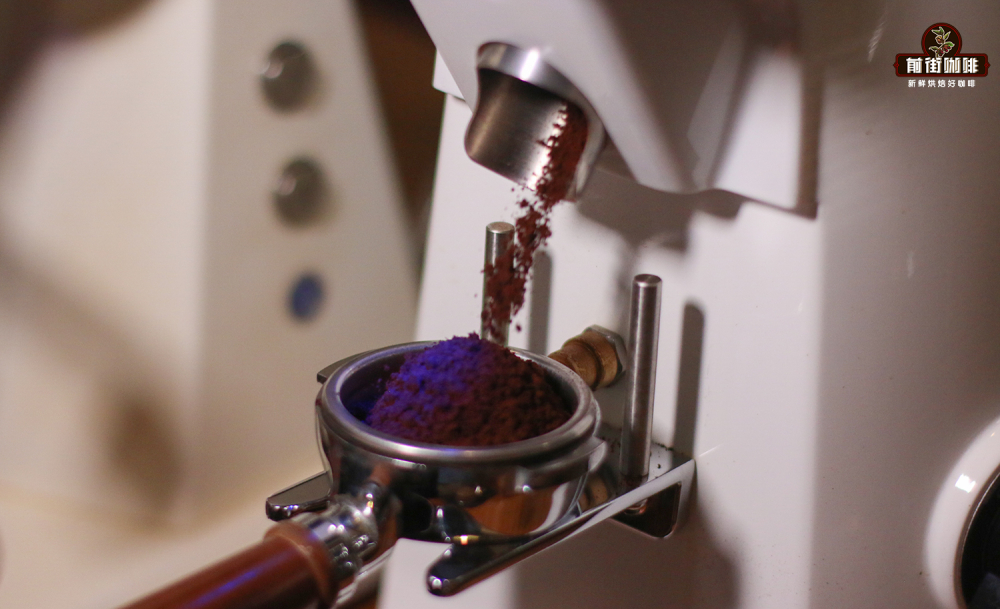
For example, if you normally use a standard grind setting for medium-to-dark roast beans (e.g., 2.1), then when switching to light-roast SOE, the grind size usually needs to be adjusted finer, possibly reaching 1.6 or even finer. Additionally, note that light-roast coffee generally has lower density, so the same weight occupies less volume compared to dark-roast beans. Therefore, it’s advisable to adjust the total coffee dose according to your portafilter capacity to avoid over-tamping or uneven extraction.
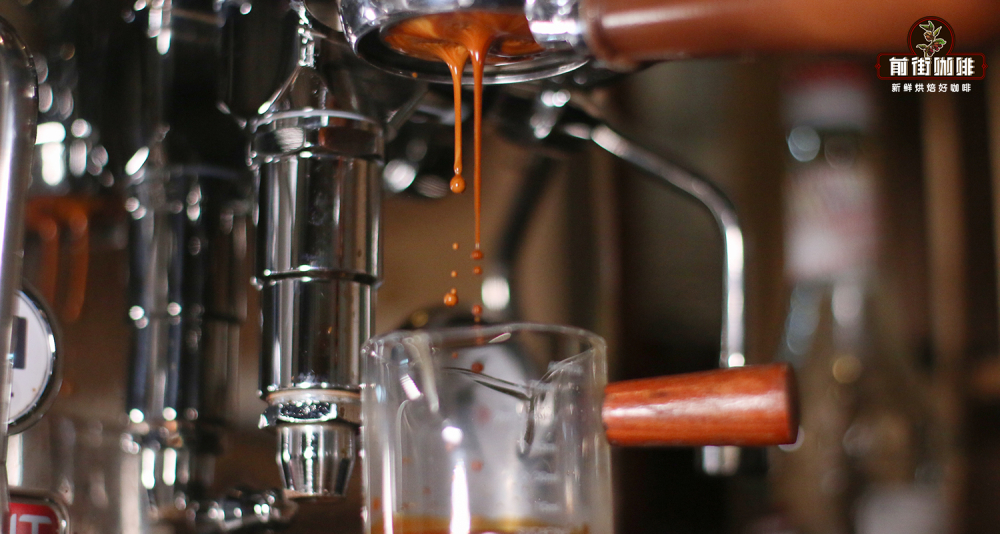
After applying the basic formula to brew coffee, if you find that the flavor still has issues, you can make targeted adjustments. One of the most common problems is coffee that is too acidic and has a short aftertaste, which is usually caused by under-extraction. You can first observe the time it takes for the first drop to fall—if it falls within 4–5 seconds, it’s within the normal range, but if it takes 7–8 seconds, the grind size may be too coarse. At this point, you can further fine-tune the grind to achieve a more even flow rate.
Next, you can consider extending the extraction time or increasing the total yield, such as extracting an additional 10–15 grams of coffee liquid, which helps improve the overall extraction rate, reduce sharp acidity, and bring out more sweetness and layers. This kind of adjustment is particularly suitable for drinking straight or making Americanos. If used for milk-based coffee, you can compensate for under-extraction by adjusting to a finer grind—even if the final extraction time exceeds 30 seconds, it’s acceptable as long as the overall flavor of the milk coffee remains balanced.
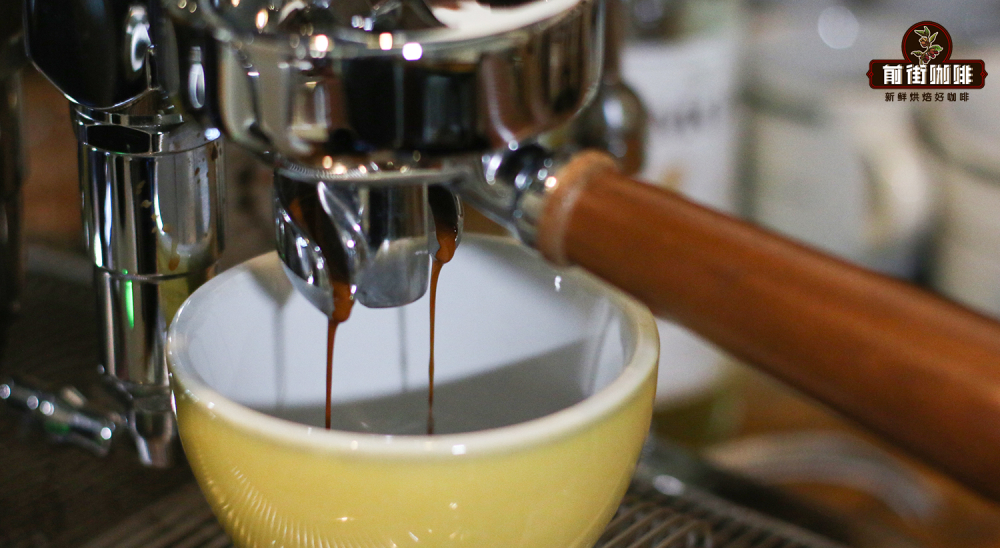
Another common issue is coffee that has unpleasant off-flavors, such as grassy notes, almond-like tastes, or overly heavy burnt bitterness. In this case, it’s recommended to use the “three-stage extraction” method for testing: divide the total extraction amount (e.g., 40 grams) into three parts—early, middle, and late—each around 13 grams, and taste them separately in different cups. If the problem is concentrated in a certain stage, such as only the late stage showing off-flavors, you might consider shortening the extraction time or reducing the total yield; if all three stages are subpar, the grind size may need to be readjusted.
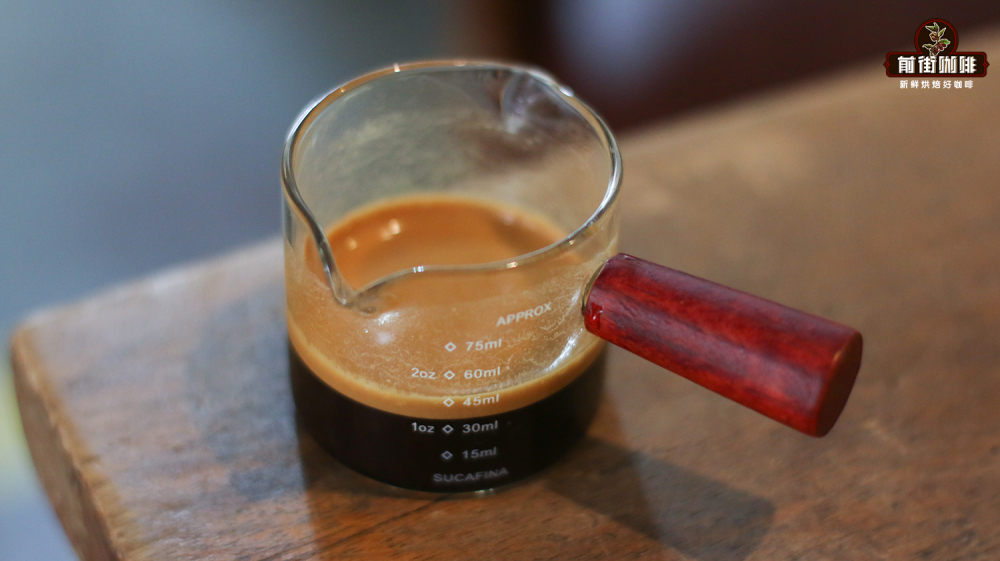
Finally, if you feel the coffee flavor is too thin and lacks depth, this is usually due to incorrect grind settings or a mismatch with the bean’s characteristics. Remember, you cannot directly apply the grind settings for dark roast beans to light-roast SOE—the two differ in density and extraction properties, thus requiring different grind coarseness. If you constantly encounter the issue of coffee tasting “as weak as water,” it’s worth re-evaluating your grind size and extraction time to find the optimal balance for that specific SOE bean.
The above content is compiled by CoffeeHunters, a coffee news website.


