







Introduction:Want to brew a well-balanced latte with perfectly integrated milk and coffee aromas at home? This article will take an in-depth look at the core elements of a latte, including coffee bean selection, the impact of milk, espresso extraction parameters, and the golden ratio range. We’ll also share practical tips to help you adjust the brew to your personal taste—even without professional equipment, it’s easy to get started.
Many coffee enthusiasts have this question: why is there still a noticeable difference between the lattes I make at home and those served in cafés, even when using the same coffee beans? In fact, by traditional definition, a latte generally refers to any combination of coffee and milk, without being limited to a specific type of coffee. But today, what most people commonly understand as a latte usually refers to the classic combination of espresso and steamed milk. If you want to replicate café-quality latte flavors at home, the key lies in mastering the quality of the coffee beans, the milk, the extraction technique, and most importantly, the ratio of coffee to milk.
Choosing the right coffee beans is the first step toward crafting the ideal latte. Beans from different regions and processed by different methods will directly influence the final flavor profile. For example, certain blends may exhibit distinct caramel, chocolate, or vanilla notes—traits that can be further highlighted when complemented by milk. It’s worth noting that while freshly roasted beans boast bold aromas, insufficient resting time (also called aging or “养豆”) may prevent their flavors from fully developing during extraction. Generally speaking, espresso beans are recommended to rest for about 10 to 14 days, after which their flavor typically peaks, and the optimal drinking window can last around 50 days.

The choice of milk is equally crucial. Different brands of fresh milk vary in fat content and protein structure, affecting both the fineness of the milk foam and the texture after blending. Whole milk often yields richer foam and a creamier mouthfeel, whereas low-fat or skim milk might result in a cleaner but slightly less layered taste. If you’d like to understand the differences between common types of fresh milk, we recommend conducting your own comparative tests to find the one that best matches your taste preferences.

The extraction quality of the espresso is often the key factor in determining whether a latte’s flavor is balanced. Many assume that only expensive commercial-grade espresso machines can produce high-quality shots, but in reality, as long as you master the right parameters, even entry-level home machines can perform exceptionally. The generally recommended baseline extraction parameters are a coffee-to-water ratio of 1:2, with an extraction time controlled between 25 to 30 seconds. It’s important to maintain a stable flow rate and avoid issues such as channeling, inconsistent speed, or splattering caused by liquid piercing through the puck. Though these details may seem minor, they significantly affect the concentration and purity of the final extraction.

When it comes to the golden ratio of coffee to milk, there is no absolute standard—it needs to be fine-tuned based on the characteristics of the coffee beans used and individual taste preferences. A commonly recommended ratio range is “coffee:milk = 1:4 to 1:8,” meaning you can flexibly adjust according to the actual situation. For instance, if you’re using a dark-roasted, bold-flavored espresso blend, you might need a higher proportion of milk (such as 1:7) to balance the intense bitterness and roasted notes. On the other hand, if you choose a lightly roasted single-origin bean (SOE), whose flavor is more delicate, too much milk may mask the coffee’s unique layers—in this case, a 1:4 ratio might better highlight its characteristics. It’s suggested to start from the middle range of the interval, then gradually adjust until you find the smoothest balance.

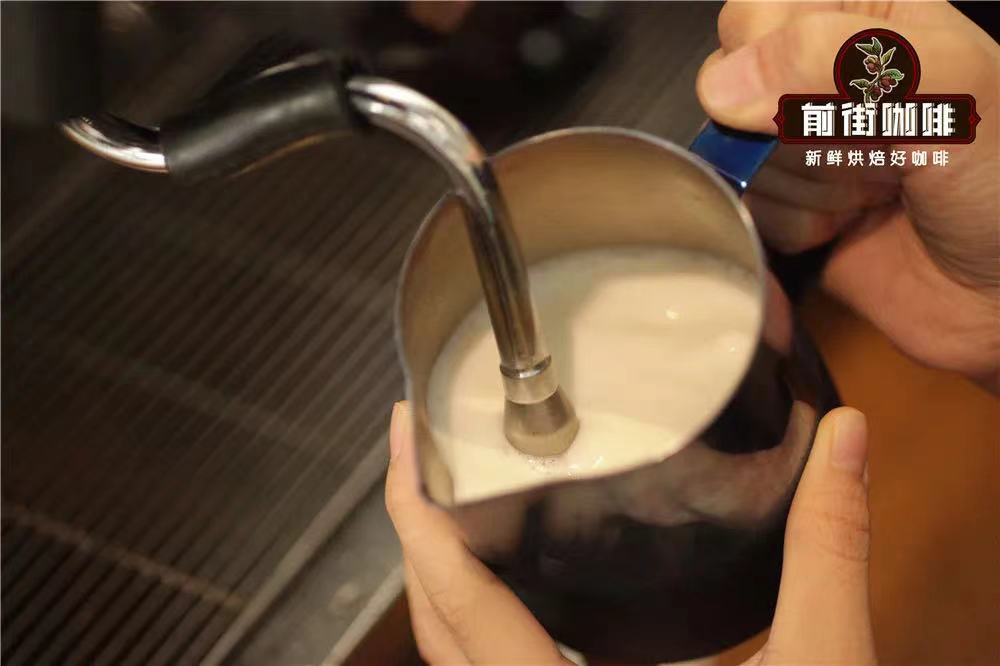
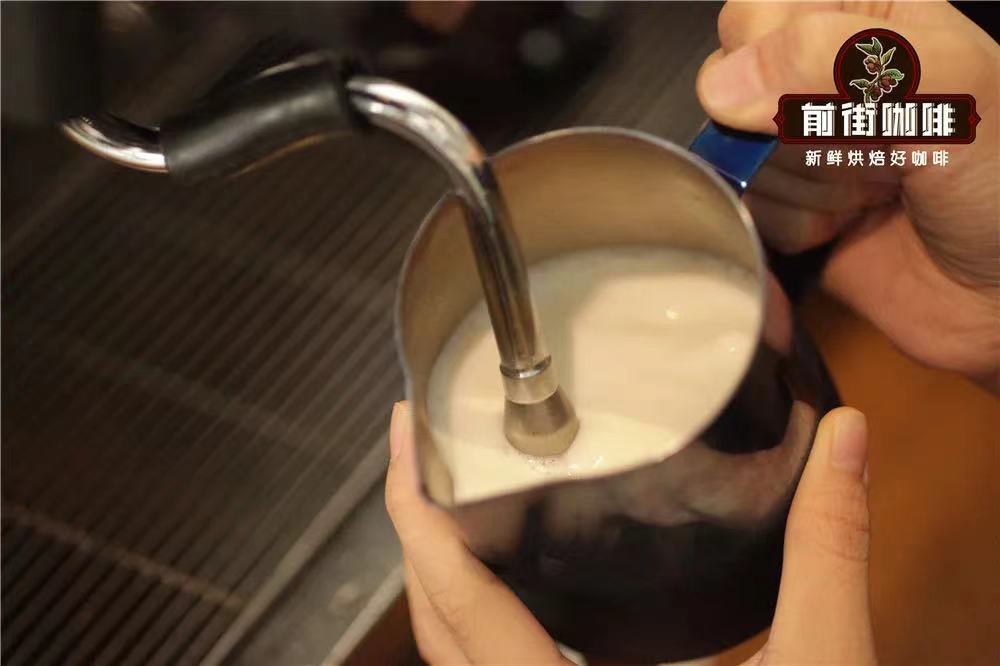
As for milk foam, while not absolutely necessary, fine and velvety foam can indeed enhance the texture and visual appeal of a latte. If you’re aiming for latte art and a silky texture, you can refer to professional milk frothing tutorials and practice steady steam wand techniques. But if you care more about flavor than appearance, simply heating the milk and gently mixing it with a spoon can still yield a satisfying cup of latte. Remember, the essence of home brewing is to suit your own taste—there’s no need to strive for café-level perfection.

In summary, the reason café lattes leave such a lasting impression is the result of repeated adjustments and trial-and-error. From coffee bean selection, resting time, milk quality, extraction parameters to the final coffee-to-milk ratio, each step can affect the overall flavor presentation. When making lattes at home, feel free to experiment with different combinations and gradually discover your own signature recipe that perfectly suits your palate. As long as you grasp the basic principles and key details, you too can enjoy a perfect latte that’s uniquely yours.
The above content is compiled by CoffeeHunters, a coffee news website.


