








Introduction:Do you often experience insomnia or palpitations after drinking coffee? It turns out this is closely related to caffeine content. This article takes an in-depth look at the differences in caffeine levels among various types of coffee—from Arabica vs. Robusta bean varieties, pour over vs. espresso brewing methods, to decaffeination techniques—helping you find the right coffee choice for you so you can enjoy the flavors while avoiding sleepless nights.
One regular customer once shared that he always came here not because of the baristas’ exceptional skills, but because drinking coffee here didn’t cause insomnia or heart palpitations. This raises a common question: why do some people struggle to sleep after drinking coffee even when they equally enjoy it? The answer is actually closely tied to caffeine content.
For those who are sensitive to caffeine, even a small intake may lead to symptoms like insomnia and palpitations. Moreover, the caffeine content in coffee can vary greatly depending on the café and brewing method, which is why some people might get insomnia from drinking Americano, while certain pour over brews have a much milder effect.

There are many factors that influence caffeine content, including the amount of coffee grounds used, the brewing method, and even the type of coffee bean. Generally speaking, caffeine comes from the beans inside the coffee fruit, and the more grounds you use, the higher the caffeine extracted usually is. For example, when making Americano, some shops use 18 grams of coffee grounds, while others use 20 grams—the difference in amount can lead to different caffeine levels.
The brewing method is also a key factor. Even with the same amount of coffee grounds, different brewing methods will affect the final caffeine content. For instance, when using the pour over method, the extraction rate is about 20%, whereas with espresso extraction, the rate may increase to around 22%. This means pour over coffee generally has a lower caffeine concentration and is therefore less likely to cause insomnia compared to Americano. Additionally, the water temperature during extraction also affects caffeine release—for example, water at 94°C can extract more caffeine than water at 92°C.
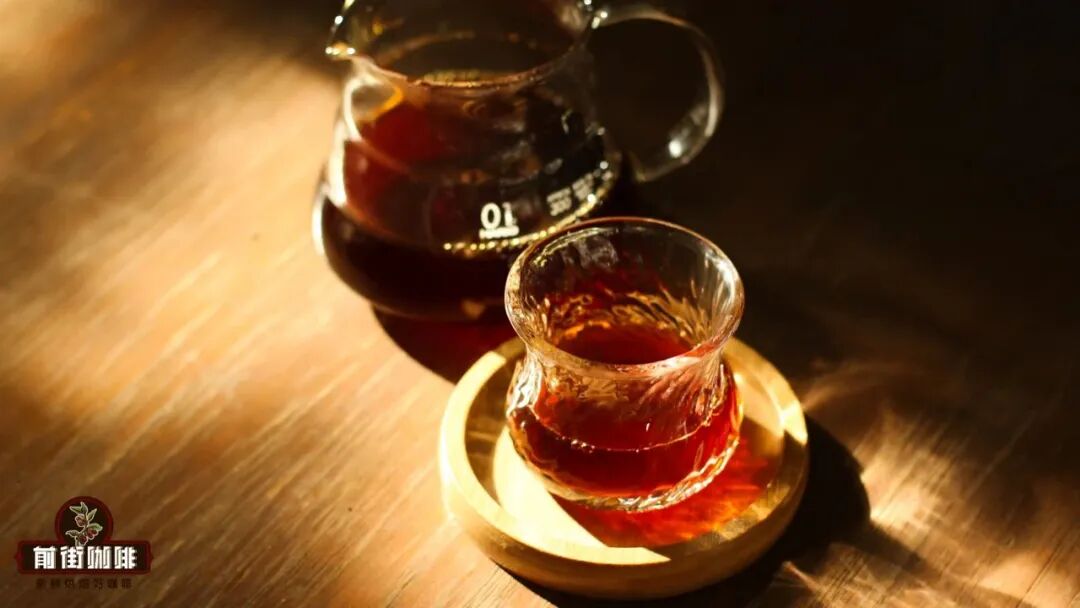
The type of coffee bean is equally a crucial factor in determining caffeine content. Commercially available coffee mainly falls into two categories: Arabica and Robusta. Arabica is the preferred choice for most coffee shops, with a caffeine content of about 0.9% to 1.2% of the bean’s weight—relatively low—and is rich in sugars and oils, delivering a wealth of aroma, hence its popularity. (Left image shows Arabica, right image shows Robusta.)
In comparison, Robusta typically contains about twice as much caffeine as Arabica, ranging from 1.7% to 2.7%. In addition to higher caffeine levels, Robusta also has more amino acids and chlorogenic acids, giving it a bolder flavor and heavier body, which is why it’s often used in instant coffee or as part of blends to enhance overall richness. One shop’s “commercial blend” includes 10% Robusta to add layers and oiliness to the cup.
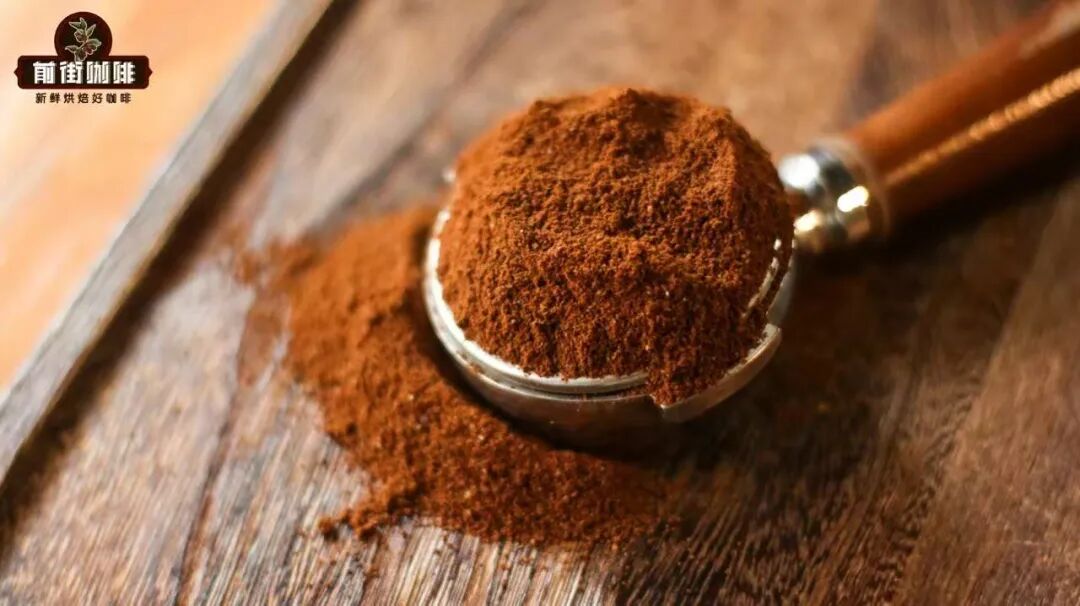
If the coffee beans used by a café contain Robusta, then naturally the caffeine content of that coffee will be higher than pure Arabica. However, Robusta is not synonymous with low-quality beans—it has unique strengths and uses, though it’s not suitable for those sensitive to caffeine. In summary, the brewing method, amount of coffee grounds, and type of coffee bean are all major variables affecting caffeine content. For those sensitive to caffeine, it’s advisable to control daily intake or opt for decaffeinated coffee.
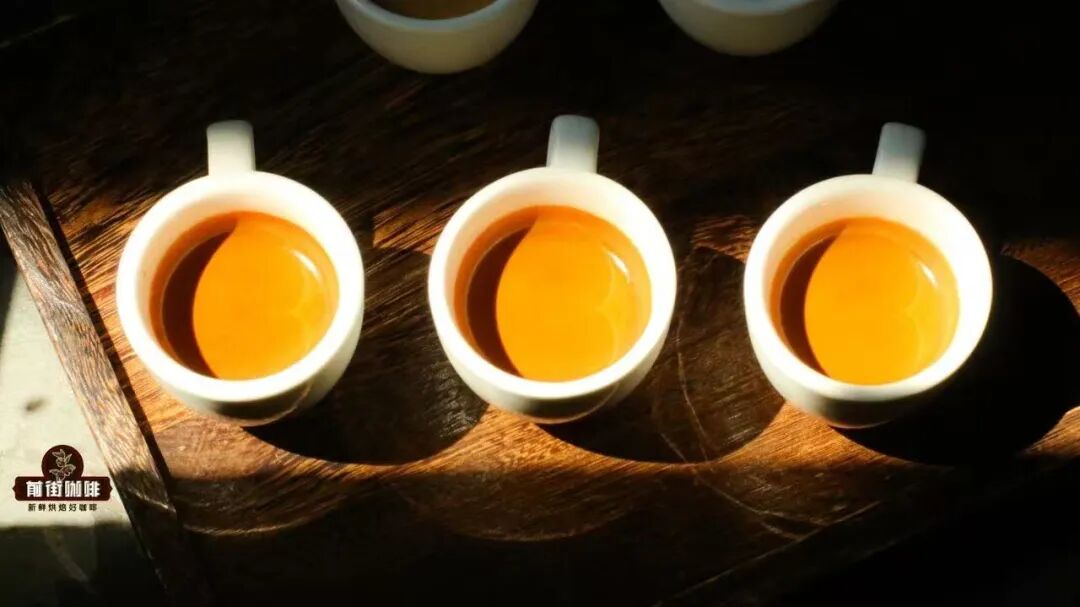
Decaffeinated coffee is mainly processed through several methods, with the current mainstream being artificial decaffeination techniques. Among them, the Swiss Water Process is a common and effective decaffeination method. Through this approach, caffeine can be removed from coffee beans to below 3% of the original level, while still preserving the original flavor of the coffee. One shop’s coffee menu features a decaf coffee from Colombia that uses the Swiss Water Process—not only is the caffeine content extremely low, but its flavor performance is also quite outstanding.
For those who are sensitive to caffeine, decaf coffee is a great option. It allows you to enjoy the aroma and taste of coffee while significantly reducing the risk of insomnia or palpitations. Whether you prefer the delicate nuances of pour over or the bold intensity of espresso, choosing the coffee type and processing method that suits you can make your coffee experience even better.



The above content is compiled by CoffeeHunters, a coffee news website.


