








Introduction:Many people wonder: can a moka pot extract espresso just like a professional espresso machine? This affordable pressurized coffee maker can indeed produce a highly concentrated coffee with a golden crema, but there are key differences compared to true espresso. This article dives deep into the extraction principles of the moka pot, compares it with semi-automatic espresso machines, and offers practical usage tips to help you better understand the potential and limitations of this classic brewing tool.
“Rich and bold, topped with a layer of fine golden crema” – this is the most distinctive characteristic of espresso. This highly concentrated coffee is not only flavorful on its own but also serves as the base for classic specialty drinks like lattes, cappuccinos, and flat whites. However, professional espresso machines often cost several thousand yuan or even tens of thousands, which can be a significant investment for beginners or budget-conscious coffee enthusiasts. As a result, many turn to the moka pot, priced at just a few hundred yuan, as a “budget alternative to semi-automatic espresso machines.”

Like espresso machines, moka pots brew coffee under pressure, producing a relatively high-concentration coffee liquid with a crema-like layer. But can the two truly be used interchangeably? Especially given the huge price difference, can coffee made with a moka pot really match the taste of espresso? This is a common question among many coffee newcomers.
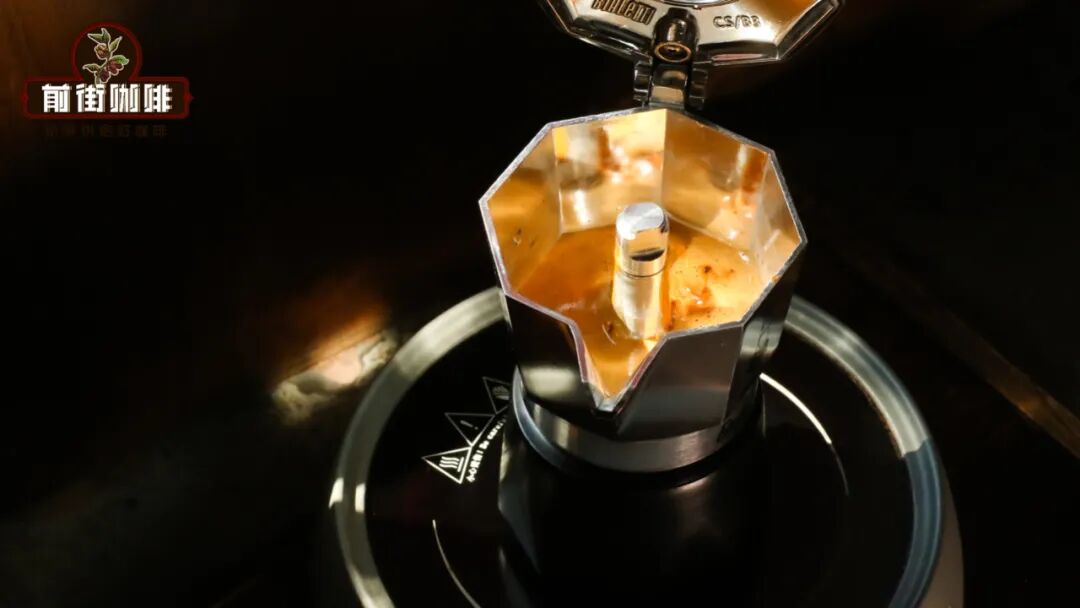
Simply put, if you’re using moka pot coffee as the base for specialty drinks – such as lattes or cappuccinos – then the answer is yes, it can handle that role well. But if you’re aiming for the exact same taste, concentration, and crema performance as a professional espresso machine, then while the moka pot can deliver similar flavors, it struggles to fully replicate the essence. The key reason lies in the significant difference in extraction pressure.

Generally speaking, standard commercial espresso machines can provide about9barhigh pressure during extraction, which is one of the essential conditions for making true espresso. In contrast, a common two-valve moka pot typically achieves an extraction pressure of only around3~4 bar– a difference of up to two to three times. This pressure disparity directly impacts the efficiency of coffee extraction and the final flavor profile.
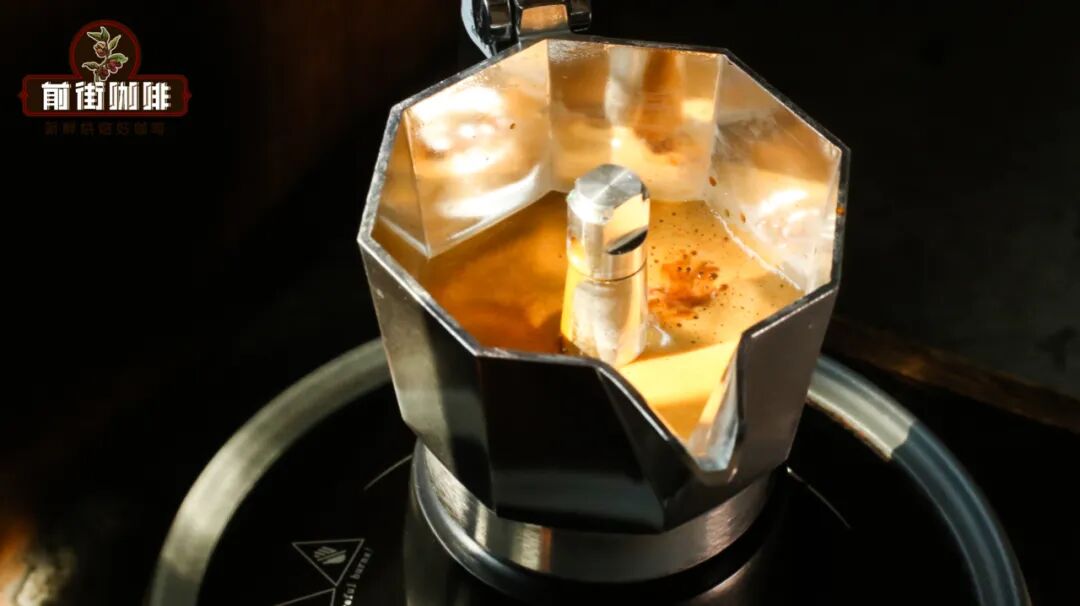
Espresso machines rely on built-in high-pressure pumps to maintain a stable and powerful water pressure throughout the extraction process, allowing hot water to quickly pass through finely ground coffee puck and release a wealth of flavor compounds and oils. In comparison, moka pots heat the water in the lower chamber, using steam-generated pressure to push the water upward through the coffee grounds in the middle section. This heat-source-dependent pressure is not only limited in intensity but is also susceptible to factors like heat control, pot material, and structural design – making it difficult to achieve the same extraction pressure as professional machines.

In practical tests, using the same amount of coffee grounds (about20 grams), the same grind size (such as the Galileo Q18’s1.0setting), and targeting an extraction yield of40 millilitersof coffee liquid, the moka pot produces coffee with noticeably lower concentration than traditional espresso. Although both use the same type of coffee beans (such as classic blends), showcasing bold, low-acid flavors with notes of chocolate, caramel, nuts, and cream, the difference in concentration results in a distinctly different balance when paired with milk or other ingredients.

For example, when making a typical “latte,” if using traditional espresso as the base, the recommended coffee-to-milk ratio is usually1:5, because the high concentration of espresso remains distinctly present even when diluted with a large amount of milk. But if you switch to coffee brewed with a moka pot, it’s advisable to adjust the ratio to1:4, to reduce how much the milk masks the coffee flavor – though it still falls short of matching the texture and richness of espresso.

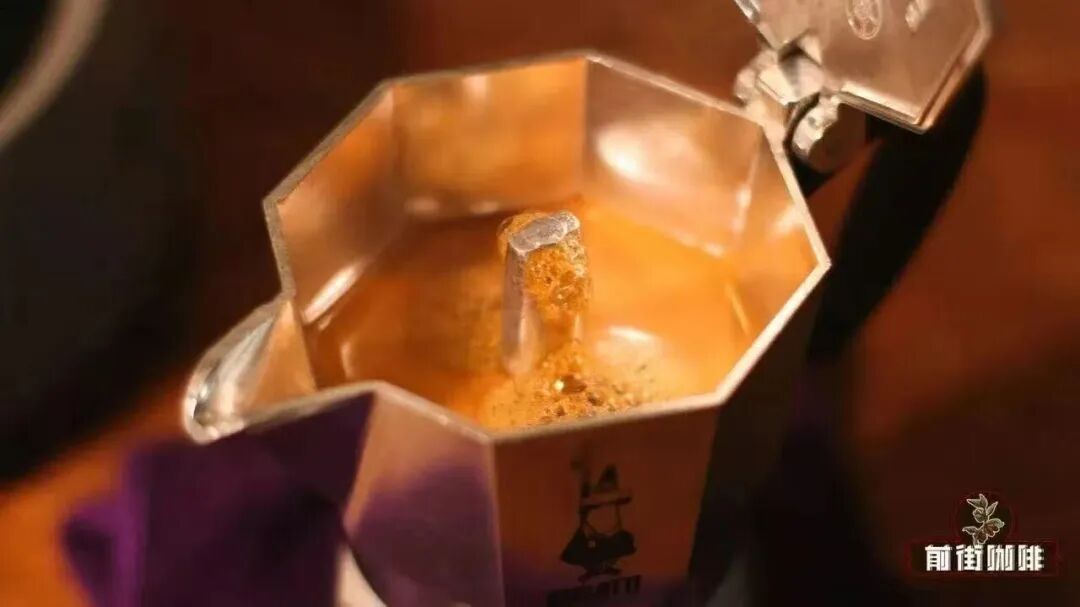
Moreover, for certain coffee drinks that particularly emphasize concentration and crema, such as a Dirty or when sipping straight espresso, the moka pot shows even more limitations. Due to insufficient pressure, the “crema” it produces is often thin, and mostly consists of foam generated by valve compression rather than stable crema. This foam lacks the stability of true espresso crema, quickly dissipating after pouring and unable to maintain long-term aesthetic appeal or flavor.
In summary, the moka pot is indeed a very practical coffee tool, especially suitable for budget-conscious users who want to easily make highly concentrated coffee at home. It’s simple to operate – just add water, fill with coffee grounds, and heat – and its affordable price makes it possible to enjoy an espresso-like intense experience without a significant investment.
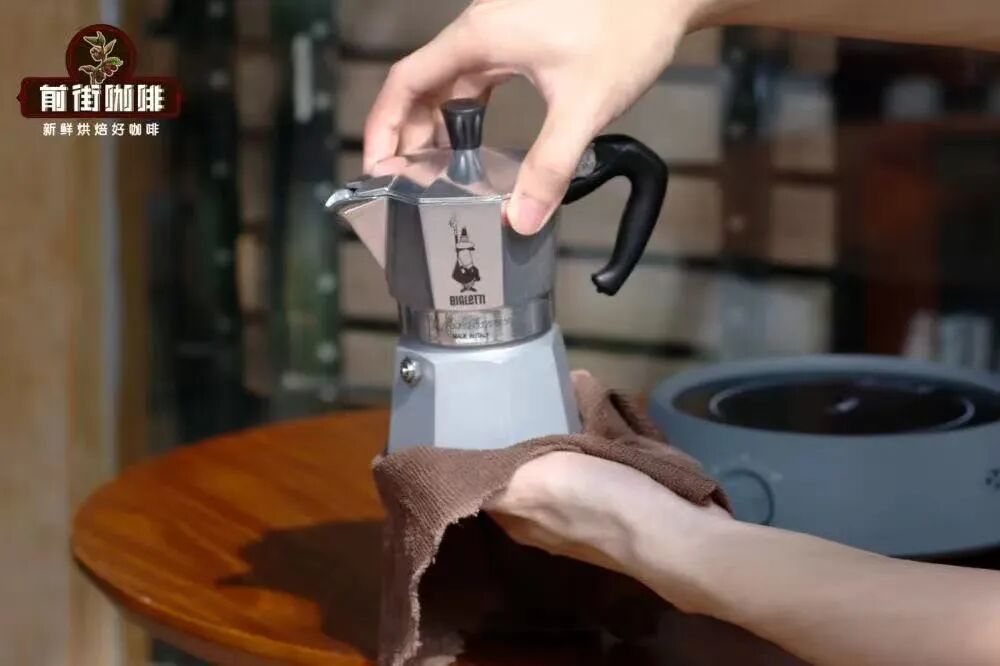
However, if you’re seeking the professional-grade espresso taste, stable crema layer, and the nuanced flavors brought by high-pressure extraction, the moka pot still has certain technical and physical limitations. Understanding these differences allows you to make smarter choices for your coffee brewing methods – whether opting for the moka pot as a daily convenience tool or eventually upgrading to an espresso machine – so you can decide what best fits your needs.
The above content is compiled by CoffeeHunters, a coffee news website.


