







Introduction:Choosing the right grind size for your coffee beans is the first step to brewing a great cup of coffee. This article explains what grind sizes 1 to 10 represent, which grind levels are best suited for different brewing methods, and how to determine the optimal grind range for pour over. From French press to pour over, from grind coarseness to sifted particle ratio, we’ll guide you through the key factors that affect coffee flavor.
During the coffee brewing process, grind size is one of the critical factors influencing extraction efficiency and flavor expression.Coffee grind sizes are graded from 1 to 10, with lower numbers typically indicating finer grinds.However, the required fineness varies by brewing method, making it essential to know how to properly adjust grind size.
For example, using too fine a grind for pour over can lead to over-extraction, resulting in bitter and astringent off-flavors; conversely, if the grind is too coarse, under-extraction may occur, leaving the coffee tasting flat and dull. Therefore, mastering theideal grind coarseness and extraction parametersfor each brewing method is a fundamental skill every coffee enthusiast should have.
Grind size refers to the physical size of coffee particles after grinding, which directly affects the surface area and contact time between water and coffee grounds.Smaller particles offer greater surface area, allowing more flavor compounds to be extracted—though over-extraction can easily occur. Larger particles allow water to flow through faster, extracting fewer compounds and potentially resulting in underwhelming flavor.
The ideal grind size ensures a uniform distribution of coffee particles within the target range. An excess of overly coarse or fine particles can disrupt the overall extraction balance. If your coffee grounds contain too many extremely coarse and fine particles together, it will cause uneven extraction, negatively impacting mouthfeel and flavor.A uniform grind particle size distribution is the foundation for consistently delicious coffee.
Common coffee grind sizes can be divided into several main types, including ultra-fine for Turkish coffee, medium-fine to fine for espresso, medium-fine to medium-coarse for pour over, medium-coarse for siphon pots, and coarse for French press.
Espressorequires very fine grind due to its short extraction time (usually only 20–30 seconds), which enables quick extraction of sufficient flavor and concentration. Meanwhile,pour overhas a longer extraction time (around 2 minutes), making medium-fine to medium-coarse grind ideal for balancing acidity, sweetness, and body.French presshas the longest steeping time (typically over 4 minutes), so it needs the coarsest grind to avoid over-extraction.
For users with grinders featuring a 1 to 10 grind adjustment scale, please note:The scale definition may vary by grinder.Some models set 1 as the finest setting, while others set 10 as the finest. Therefore, don’t rely solely on the number to judge grind size. It’s better to assess by actual sieving or observing brew flow rate.
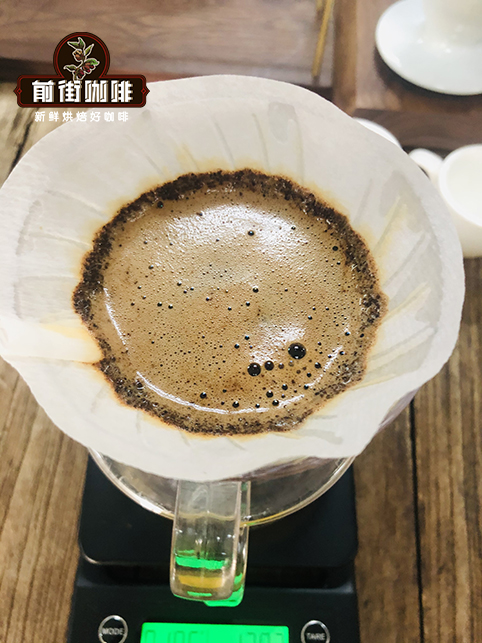
For instance, if brewed coffee flows through too quickly, the grind might be too coarse and should be adjusted finer. If the flow is too slow or nearly stops, the grind may be too fine and should be adjusted coarser.Practical testing and adjustments are far more reliable than simply reading the numbers.
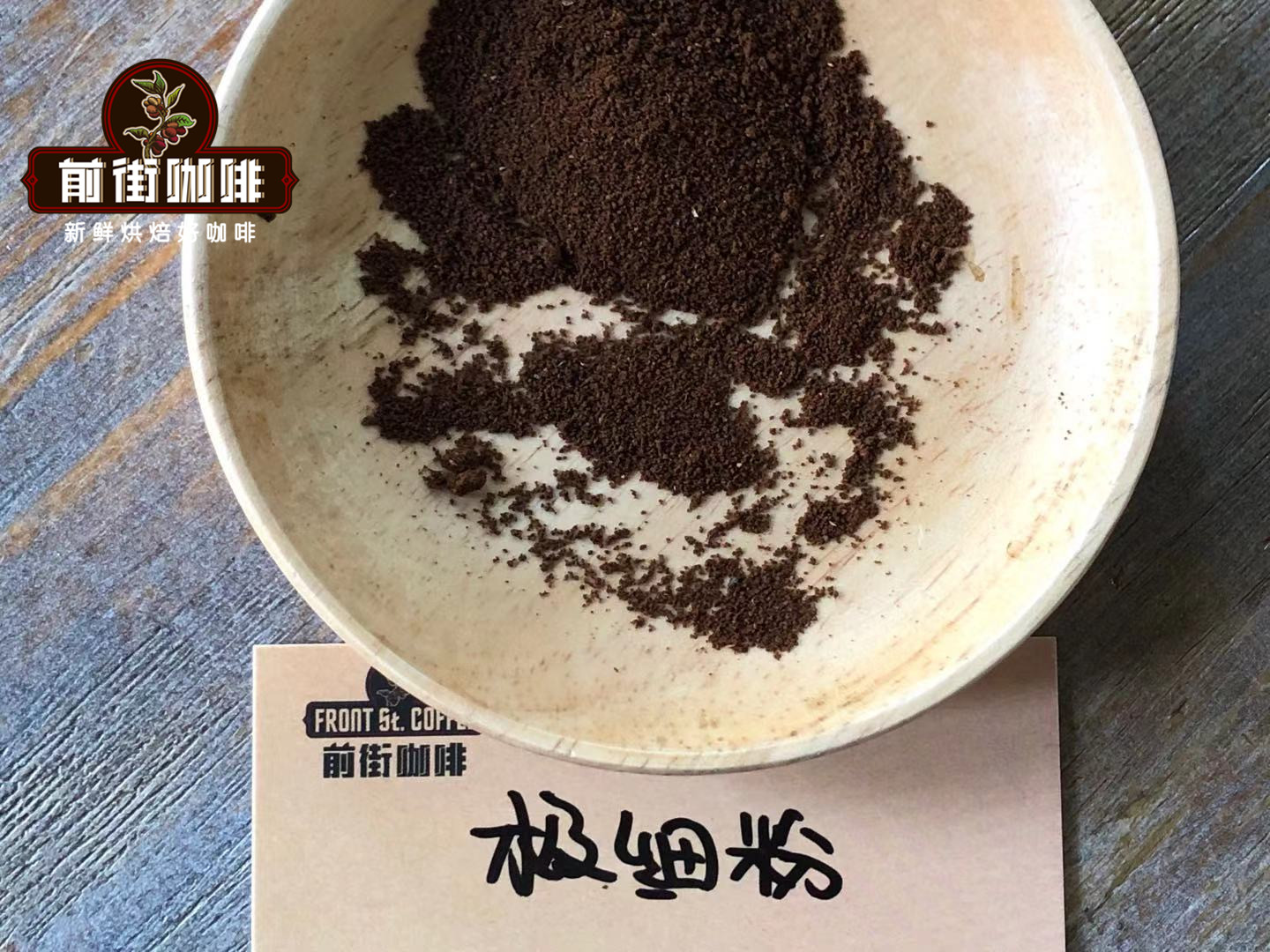
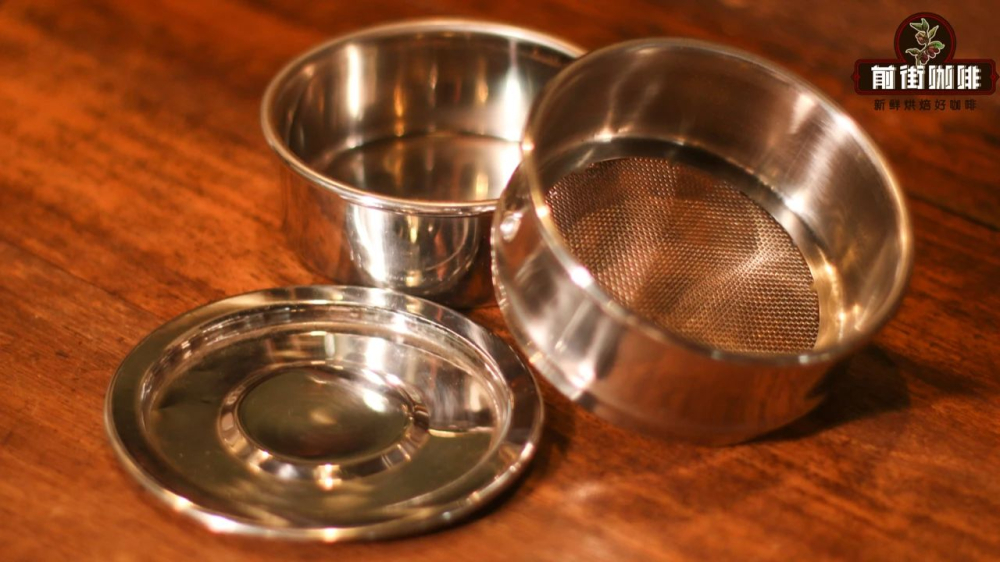
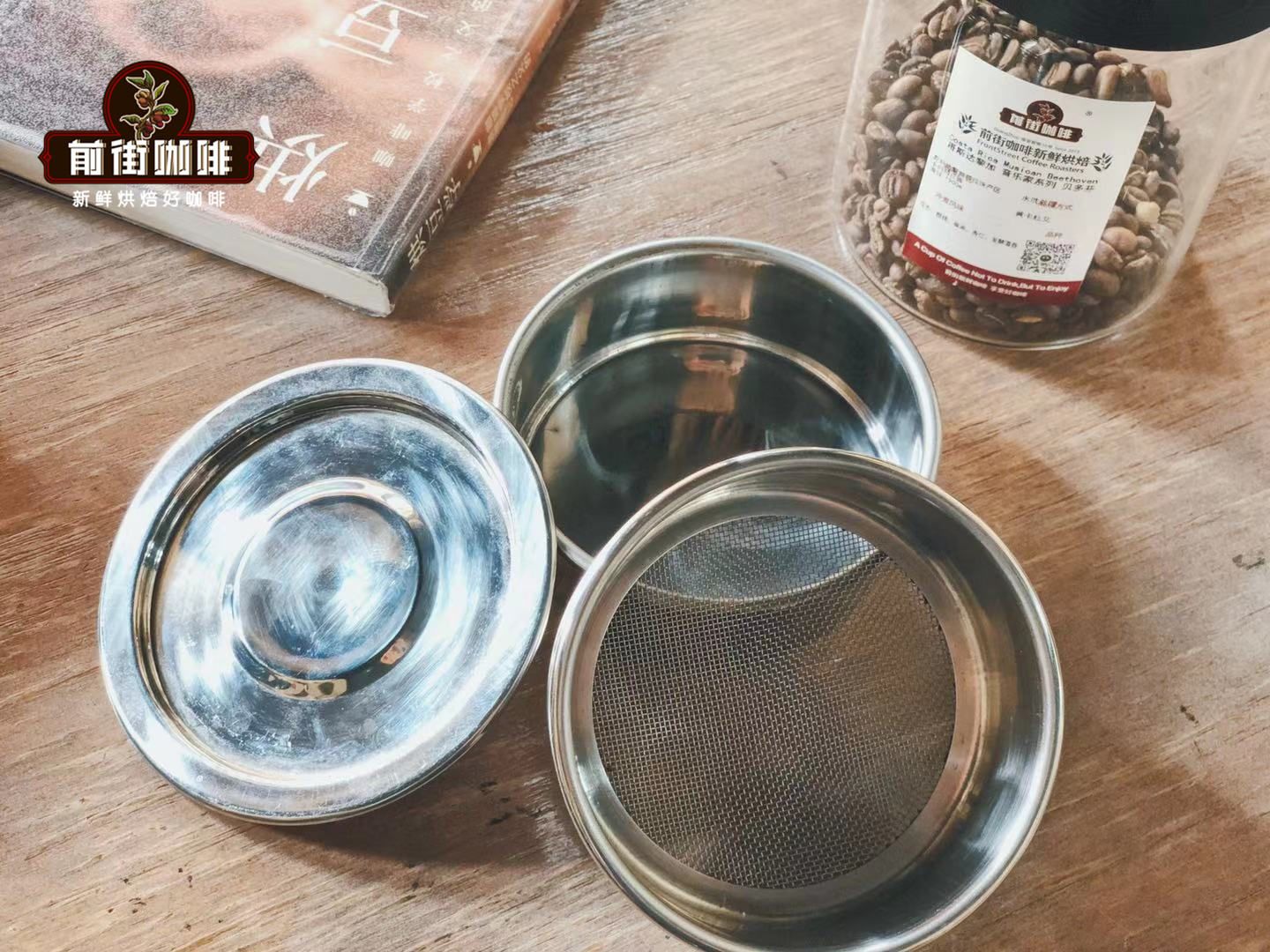
So, what grind size is recommended for pour over? Taking commonly used medium-light roasted coffee beans as an example, these beans often have pronounced acidity but less easily extracted caramelized flavors, so a medium-fine grind is suggested (approximately 80% of particles passing through a 0.85mm No. 20 sieve, similar in size to fine sugar).
This grind size helps slow down the water flow through the coffee bed, allowing more time for the release of acidic, sweet, and caramelized flavors, achieving a balanced flavor profile. The recommended water temperature range is90–91°C.Too high may extract excessive caramelized compounds leading to bitterness, while too low may result in under-extraction and a weak flavor.
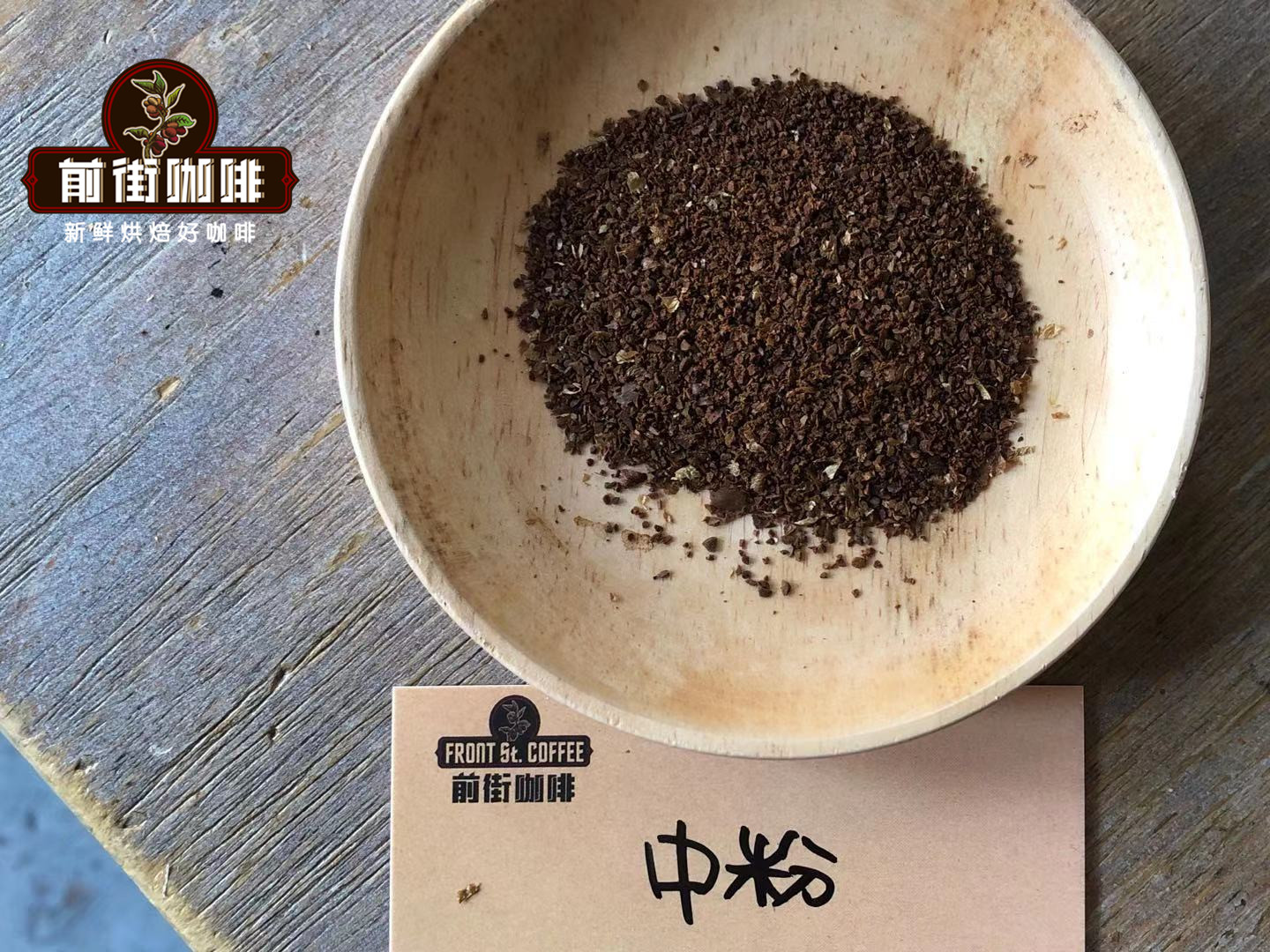
For medium-dark roasted beans, which typically have lower acidity, more pronounced body, and richer caramelization, a medium-coarse grind is recommended (approximately 70% of particles passing through a 0.85mm No. 20 sieve, similar in size to coarse sugar).
This grind size speeds up water flow through the coffee bed, preventing over-release of caramelized flavors and delivering a sweeter, fuller-bodied taste without bitterness. The recommended water temperature is88–89°Cfor optimal extraction balance.
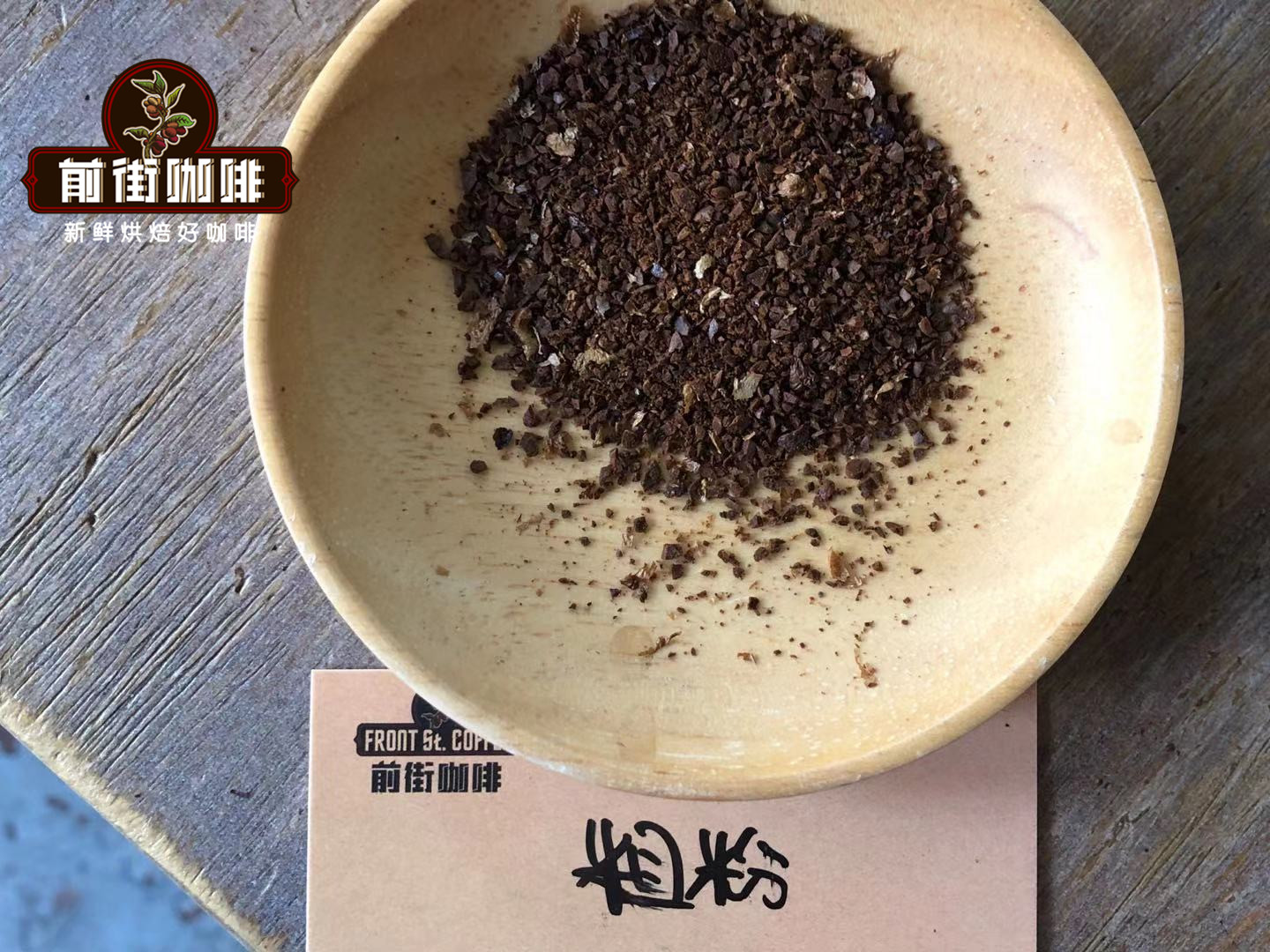
If you don’t have a professional sieve at home, you can also roughly judge grind coarseness by observing the brew flow rate:Fast flow usually indicates a coarser grind, while slow or dripping flow may suggest it’s too fine.
For more precise adjustment, try using a No. 20 sieve for a sifting test: grind 10 grams of coffee beans, pour them into the sieve, and shake until no more particles pass through. Then weigh the sieved coffee powder. If about 8 grams pass through, it’s medium-fine; if around 7 grams, it’s medium-coarse. Fine-tune the grind setting gradually based on actual extraction results.
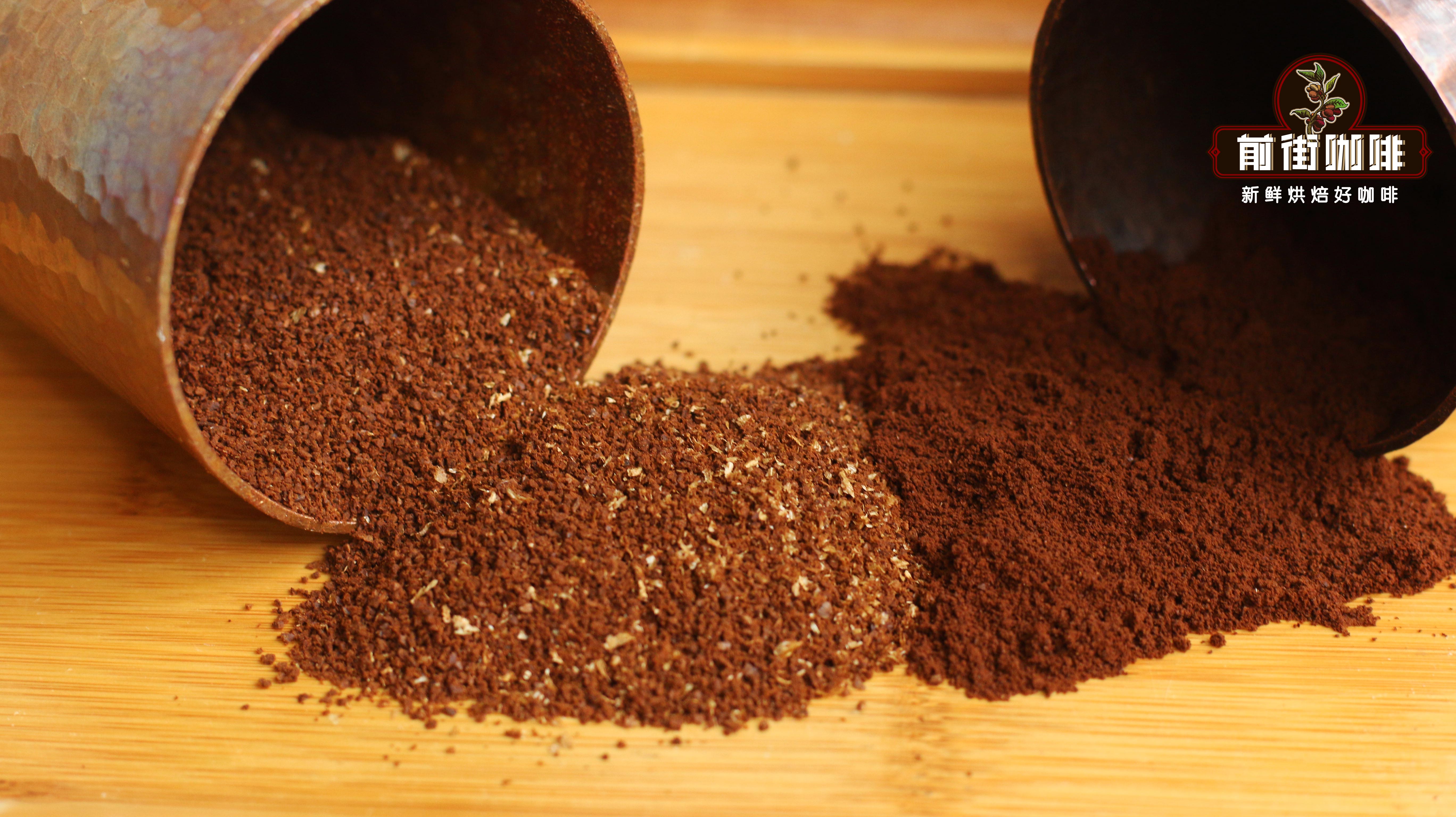
Below are reference sieve pass-through rates for various brewing methods to assist you in adjusting grind size: pour over and siphon around 80%, drip coffee around 75–80%, cupping around 70–75%, and French press around 65–70%. Higher percentages indicate finer grind, and vice versa.
These figures can help you make reasonable adjustments based on experience and taste feedback, gradually finding your optimal grind settings tailored to your flavor preferences—even without professional equipment.
Finally, it’s important to note that theuniformity of grind particle distributionalso significantly impacts coffee flavor. If there’s too much variation in particle size, some flavor compounds may be over-extracted while others under-extracted, disrupting overall taste balance.
It’s advisable to choose a grinder that provides stable, consistent grind quality, and regularly check whether the grind size meets expectations, ensuring each cup of coffee delivers its best possible flavor.
The above content is compiled by CoffeeHunters, a coffee news website.


