








Introduction:Due to its convenience and excellent flavor, drip bag coffee has become a daily choice for many coffee enthusiasts. This article delves into the origins of drip bag coffee, suitable brewing methods, and provides a detailed guide on how to choose the right flavor profile based on personal taste preferences. It also debunks common extraction misconceptions to help you brew a high-quality cup of drip bag coffee.
In recent years, drip bag coffee has become the top choice for busy office workers and travelers due to its simple operation and lack of need for specialized equipment. Compared to traditional instant coffee, drip bags can better preserve the original regional characteristics and aroma of coffee beans, offering a drinking experience close to that of pour over.
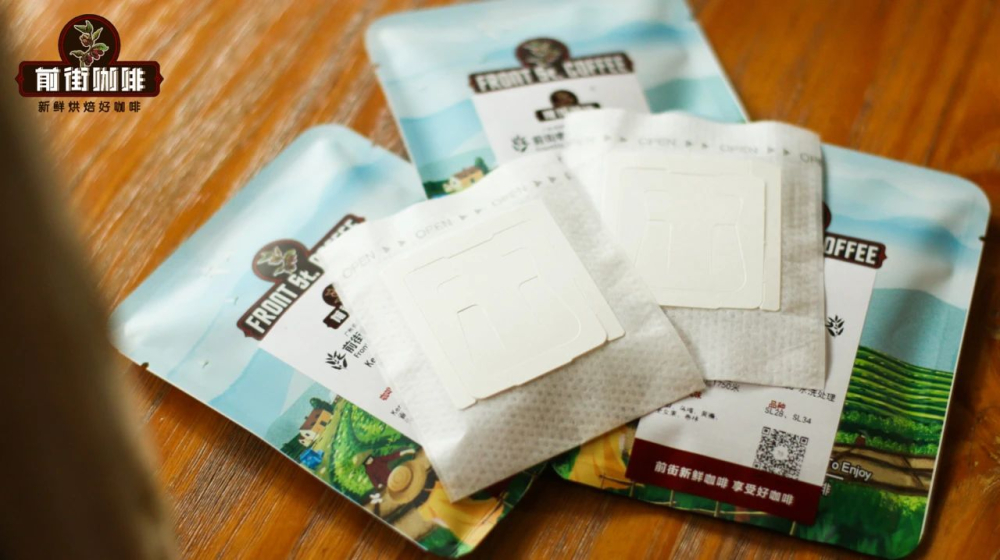
Drip bag coffee originated in Japan. In 1990, Yamasan Industry Co., Ltd. in Japan, inspired by tea bags, applied the filter bag and hanging ear structure to coffee, creating the world’s first filter-drip style coffee and successfully applying for a patent. This design allows users to enjoy freshly brewed black coffee at any time with just a cup, a kettle of hot water, and a pack of drip bag coffee — no complicated equipment required.
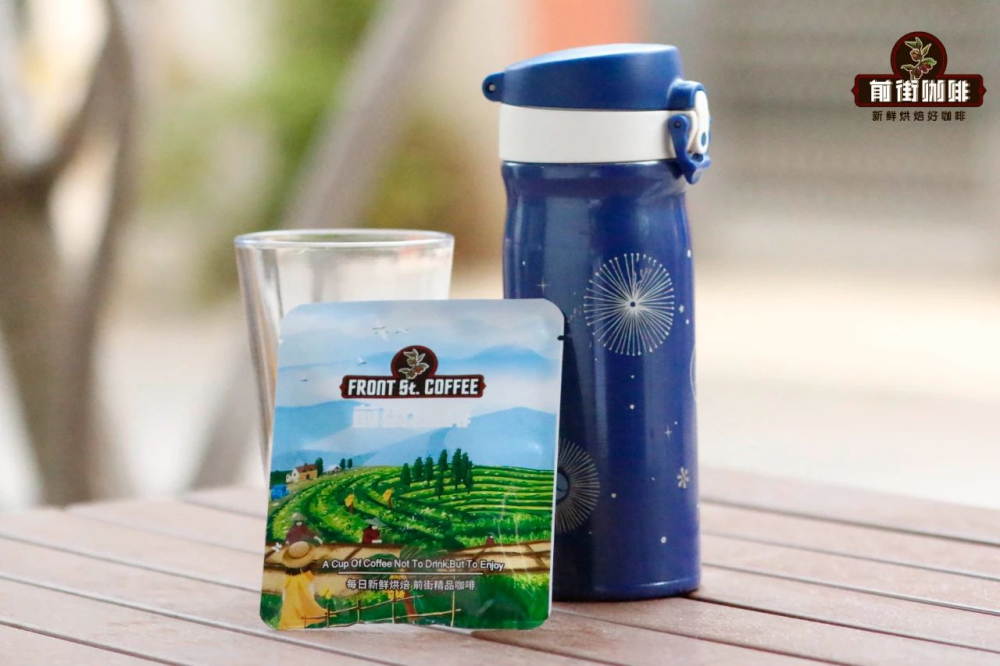
Compared to instant coffee, drip bags not only significantly outperform in taste but also showcase diverse layers of aroma and flavor. However, drip bag coffee places very high demands on the quality and freshness of the coffee beans. Only freshly roasted beans can deliver the optimal flavor. Therefore, it is recommended to pay attention to the roast date when purchasing to ensure the coffee’s freshness.
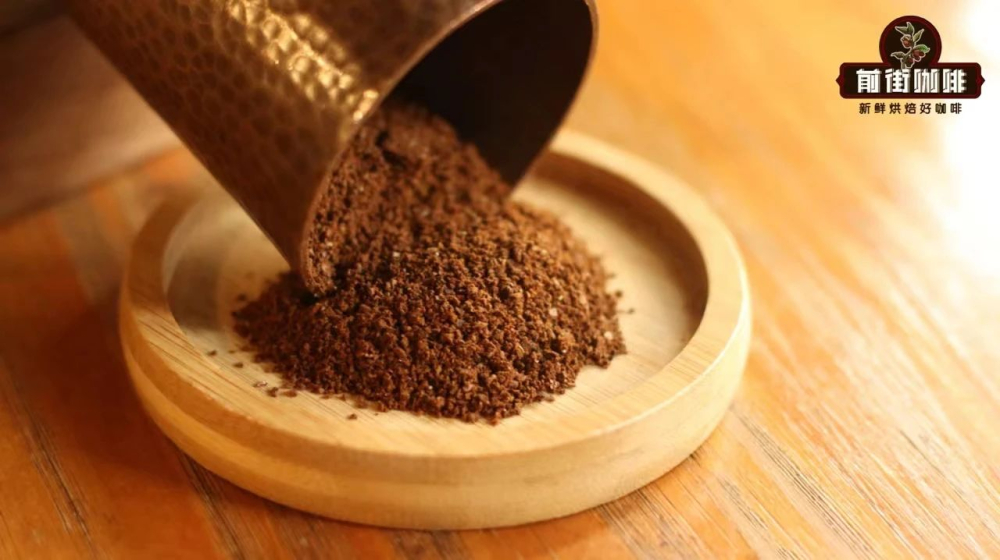
When selecting a drip bag coffee that suits you, you can consider three aspects: freshness, bean origin, and flavor characteristics. For example, if you prefer fruity notes, you can choose washed beans from Ethiopia’s Yirgacheffe region, which typically exhibit bright citrus acidity and jasmine floral aromas, with a honey-like sweetness in the aftertaste. If you enjoy floral scents, Panamanian Geisha coffee is an excellent choice, as its high-altitude growing environment gives the coffee rich floral notes and a delicate, full-bodied mouthfeel.
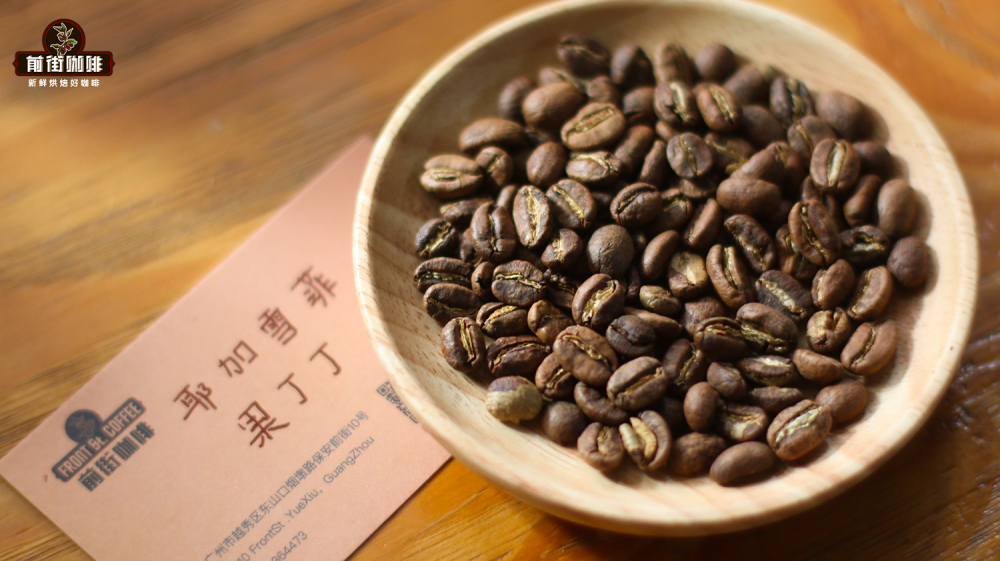
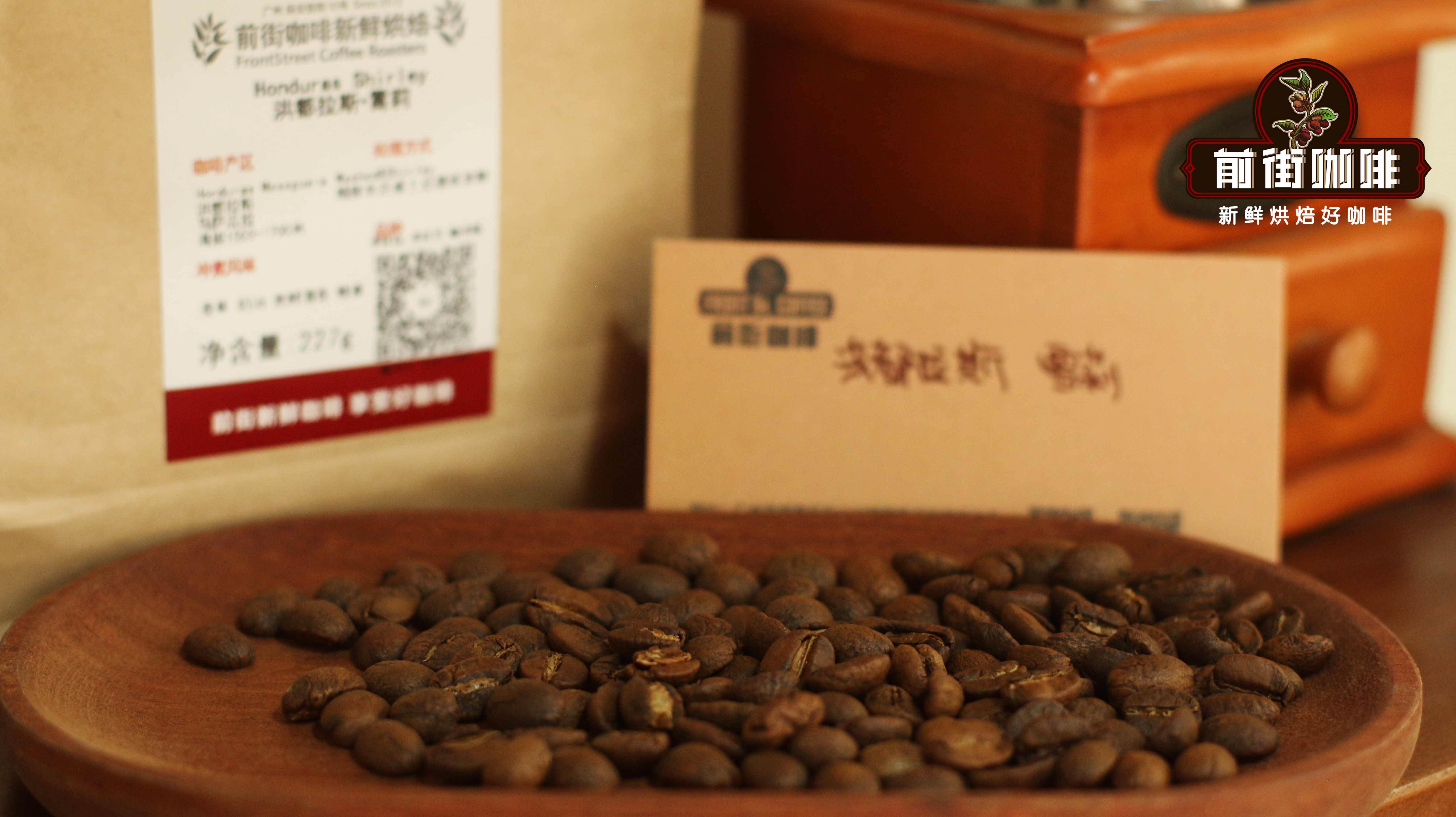
Those who prefer wine-like or fermented flavors can try Costa Rica’s Musician Series or Honduran beans processed with sherry cask fermentation. These coffees often feature strong notes of vanilla, cream, and nutty chocolate in the finish, with complex and unique flavor layers. Each drip bag coffee has its own distinct flavor profile — choosing based on personal preference allows you to better appreciate its subtleties.
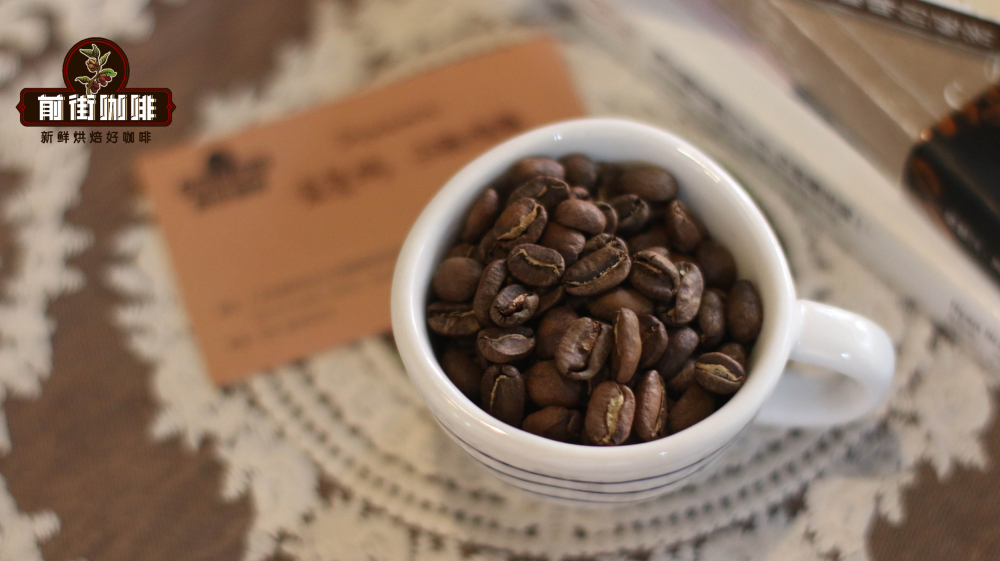
Regarding caffeine content, a common misconception is that all coffee has the same caffeine level. In fact, caffeine content varies depending on the coffee bean variety, roast level, and brewing ratio. Generally, Robusta beans contain about twice the caffeine of Arabica beans, and lighter roasts have relatively more caffeine due to the higher bean density. Additionally, the coffee-to-water ratio directly affects the amount of caffeine consumed in a cup. It is recommended to limit daily caffeine intake to no more than 400 milligrams to avoid sleep disturbances.
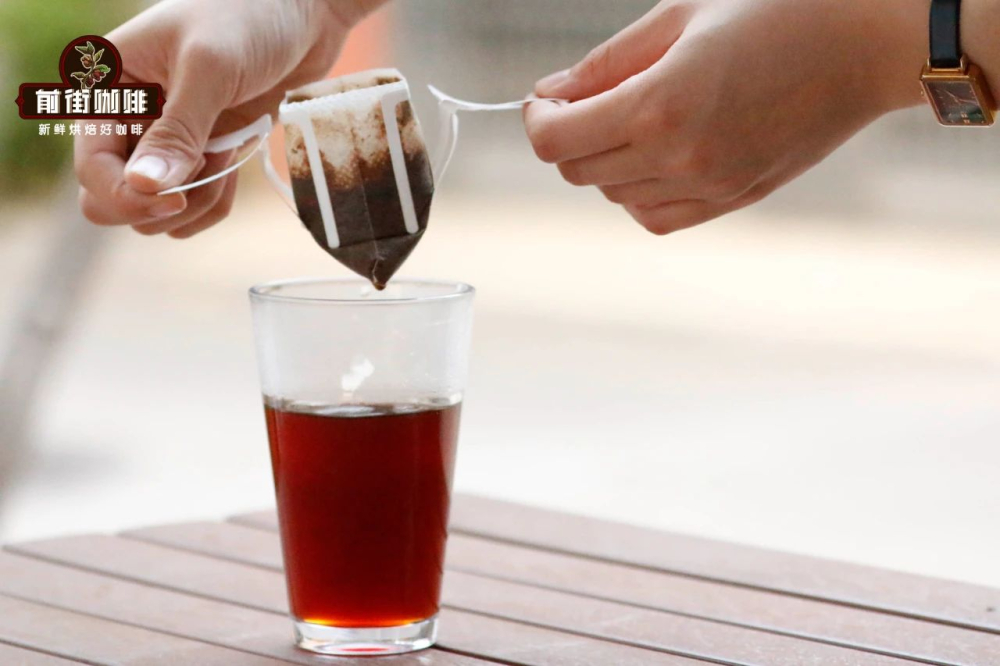
The brewing method for drip bag coffee is similar to a simplified version of pour over. It is recommended to use a coffee-to-water ratio of 1:14 to 1:18 to achieve a balance between strength and flavor expression. During actual brewing, you can use the three-stage pouring method, which helps with even extraction and enhances the flavor layers. Taking a common 10-gram drip bag as an example, the total brewing water volume can be controlled between 140~180 milliliters.
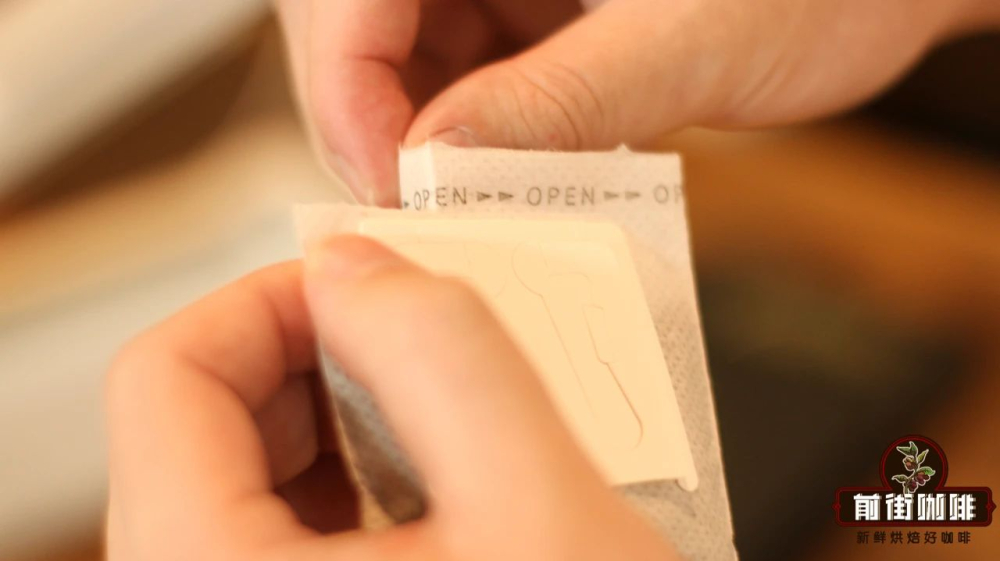
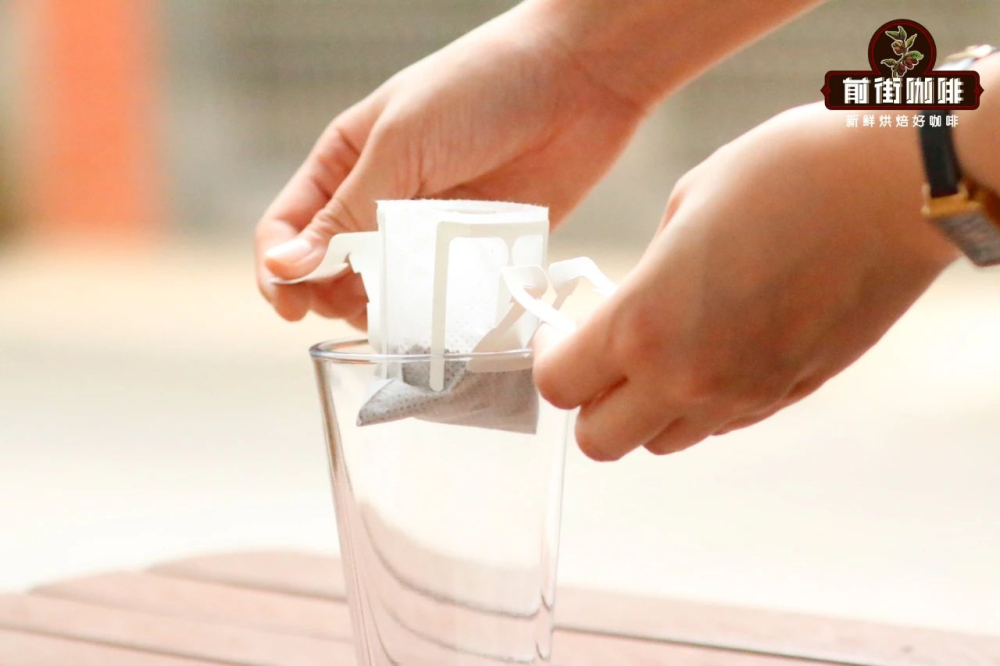
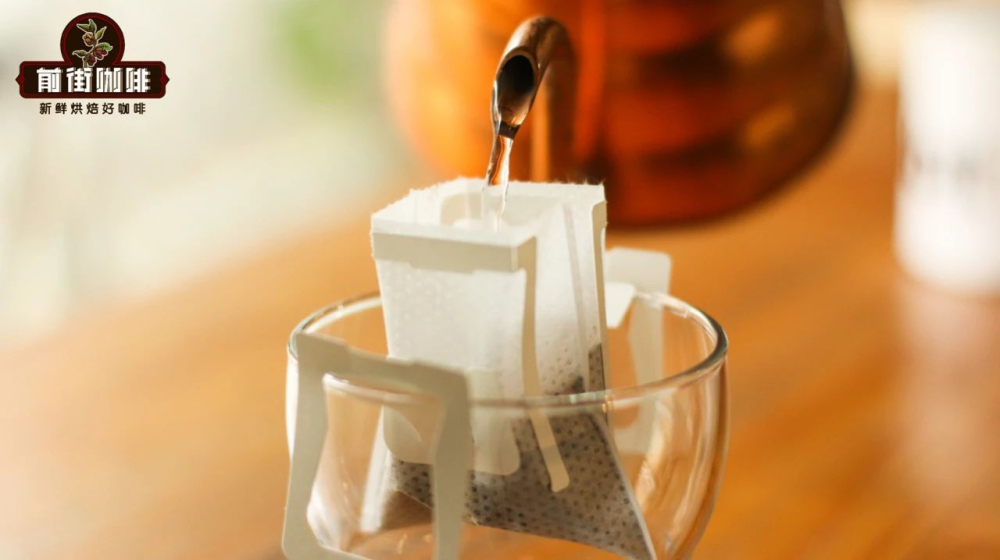
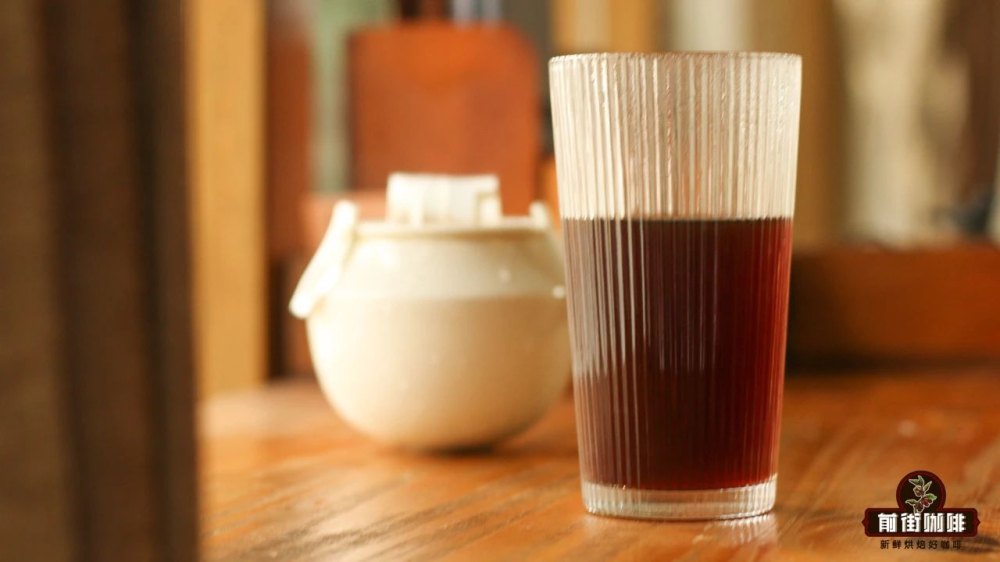
The specific steps are as follows: First, preheat your cup. Then, open the drip bag and tear along the marked line to open the filter bag. Open both sides of the hanging ears and securely hang them on the rim of the cup. It is recommended to use a cup with a medium-sized opening to ensure stability. For the first stage, pour a small amount of hot water, about 20~30 milliliters, to bloom the coffee grounds for approximately 10~20 seconds. Then proceed with the second and third stages of pouring, slowly adding water until the target volume is reached, and wait for the coffee to fully drip through before enjoying.
It should be noted that drip bag coffee is not suitable for prolonged steeping, nor is it recommended to reuse the same coffee grounds for multiple brews. Multiple infusions can easily release undesirable flavor compounds, affecting the overall taste. The best flavor is usually achieved in the first brew, and it is advised to discard the filter bag after brewing to maintain the optimal drinking experience.
In summary, drip bag coffee is a brewing method that balances convenience and flavor expression. By mastering the correct brewing parameters and selection tips, you can easily enjoy a professional-grade pour over flavor at home or in the office. By understanding the characteristics of different regions and processing methods, you can also more accurately find a drip bag coffee that suits your taste.
The above content is compiled by CoffeeHunters, a coffee news website.


