








Introduction:Drip bags are favored by many coffee enthusiasts as a convenient and consistently high-quality option for home or office brewing. But did you know that drip bags use a drip filtration extraction method, while cold brew relies on immersion? This article delves into the extraction principles of both methods, explores how water temperature affects flavor profiles, and teaches you how to make a refreshing cold brew coffee using regular drip bags—mastering the key steps and precautions.
In recent years, drip bags have become a popular choice for many at home or in the office due to their ease of brewing and stable quality. Especially as summer approaches, many consumers begin exploring the possibility of making cold brew with drip bags, allowing them to enjoy the rich aroma of coffee even in hot weather.
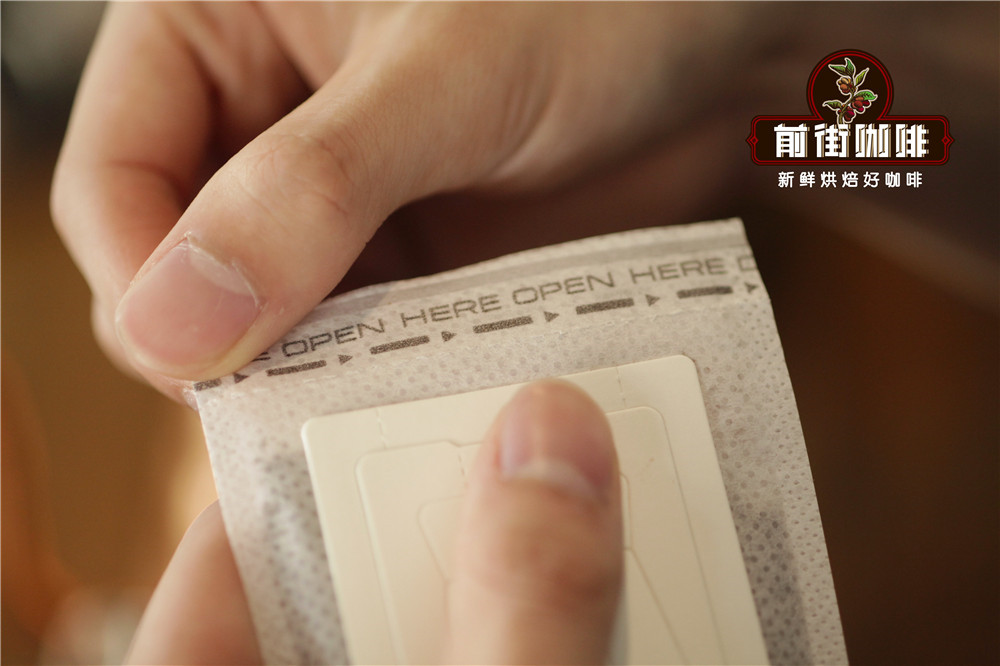
The design concept of drip bags is actually inspired by traditional hanging tea bags. They contain pre-ground coffee powder placed inside a non-woven fabric pouch, paired with a pair of "ear-like" paper cards that can be hung on the edge of a cup. Unlike traditional tea bags, drip bags rely on drip filtration for extraction rather than the immersion method commonly used for tea leaves.
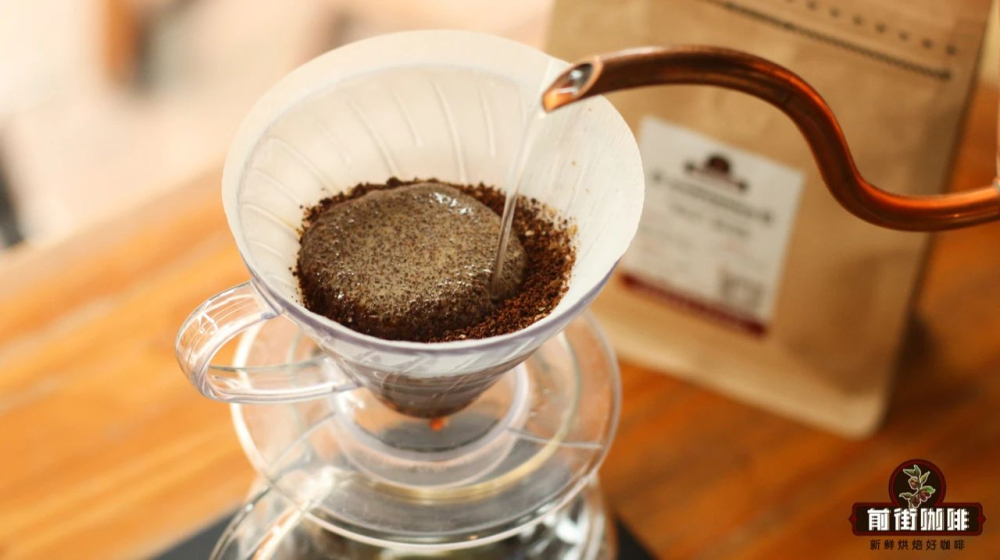
There are significant differences in operation and flavor expression between drip and immersion extraction methods. Drip filtration extracts flavors by controlling the speed, flow rate, and height of water pouring, allowing hot water to gradually pass through the coffee grounds and extract flavor compounds step by step—resulting in typically richer flavor layers. In contrast, immersion extraction involves soaking the coffee grounds entirely in water, allowing all soluble substances to fully dissolve, often producing a richer and more full-bodied cup with a more complete release of flavor compounds.
Thus, using a drip bag with hot water is a classic example of drip filtration extraction, emphasizing flavor layers and clarity; switching to long cold water immersion transforms it into immersion extraction—commonly known as cold brew. High-temperature extraction quickly releases acidic compounds and aromatic molecules from the coffee but can also easily bring out unwanted woody or fibrous notes. Low-temperature immersion helps suppress excessive volatility, resulting in a more restrained coffee aroma that unfolds gradually as the temperature rises upon drinking, delivering a surprising burst of fragrance.
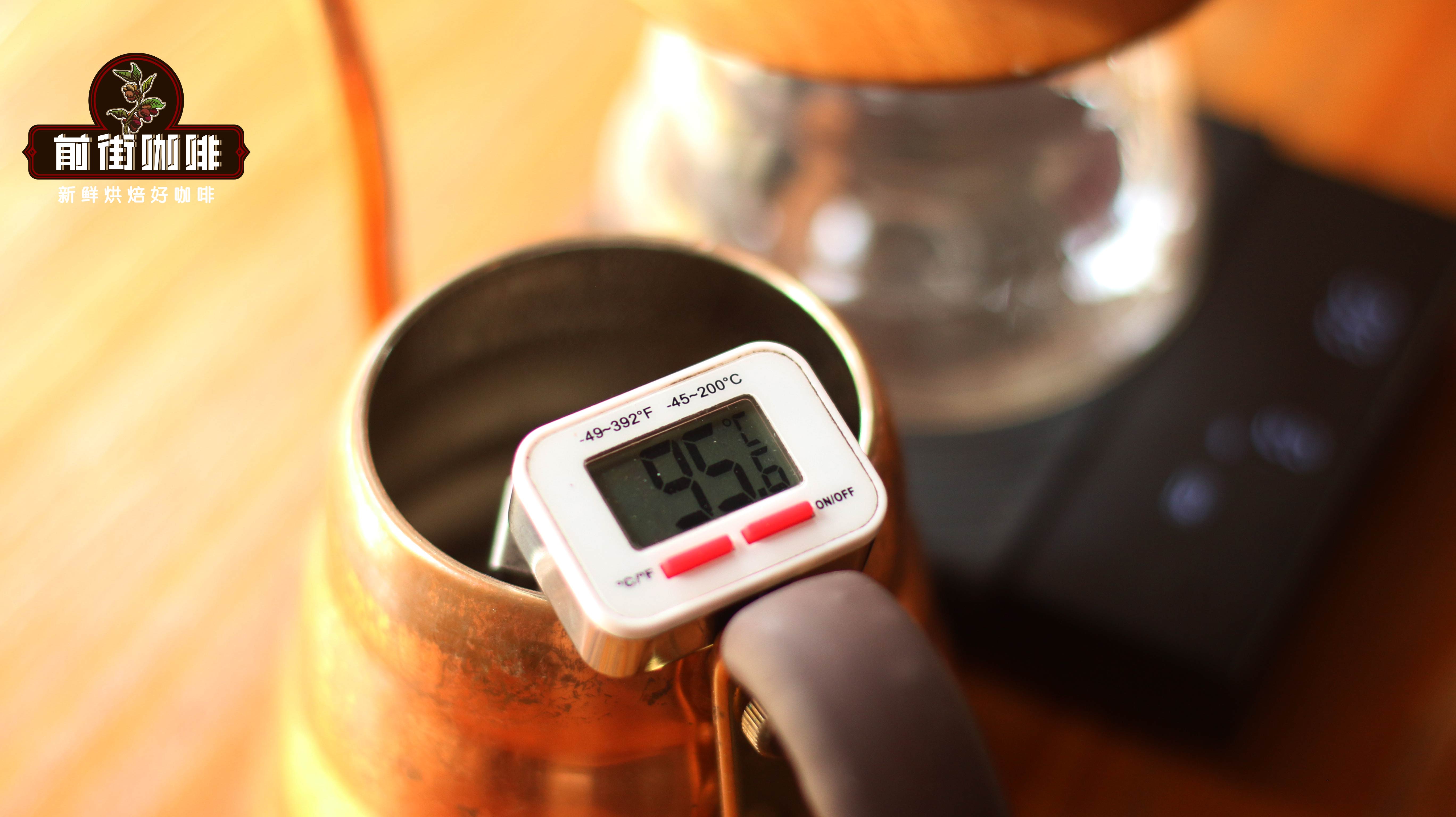
Water temperature is one of the key variables influencing the release of coffee flavors. High temperatures accelerate the breakdown of acids, sugars, and oils, helping to quickly present a multi-layered flavor profile, but if the temperature is too high or the brewing time too long, undesirable impurities may be extracted, leading to burnt or woody tastes. Conversely, low-temperature extraction is a slower process that preserves more sweetness and fruity tones, reducing the risks of overly sharp acidity or over-extraction.
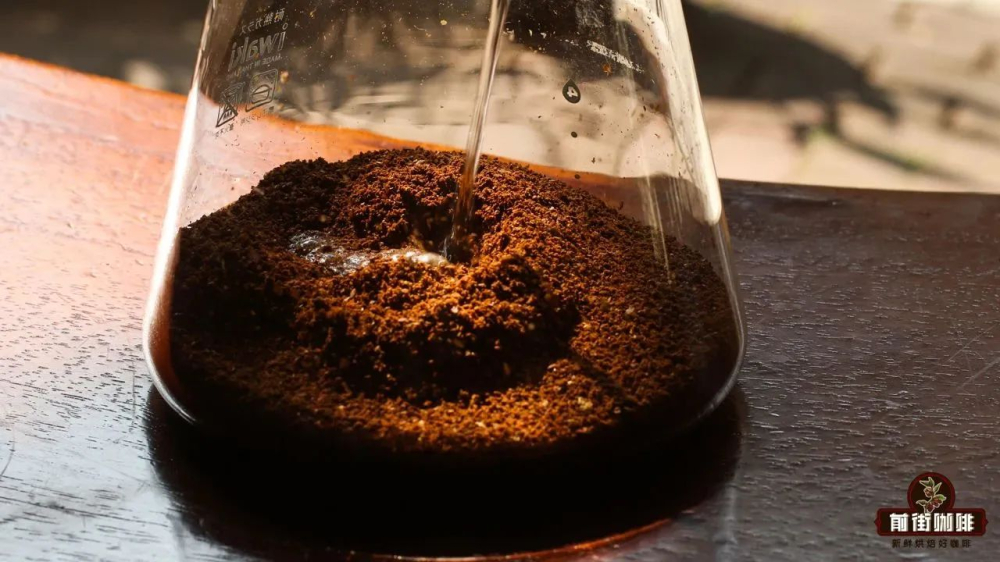
Want to make cold brew coffee using the drip bags you already have at home? It’s actually very simple. Just prepare two drip bags (about 10 grams each), a clean container with a lid, and some ice water. A 1:15 coffee-to-water ratio is recommended—for example, two drip bags totaling 20 grams of coffee grounds can be paired with 300 milliliters of ice water to achieve a balanced taste and concentration.
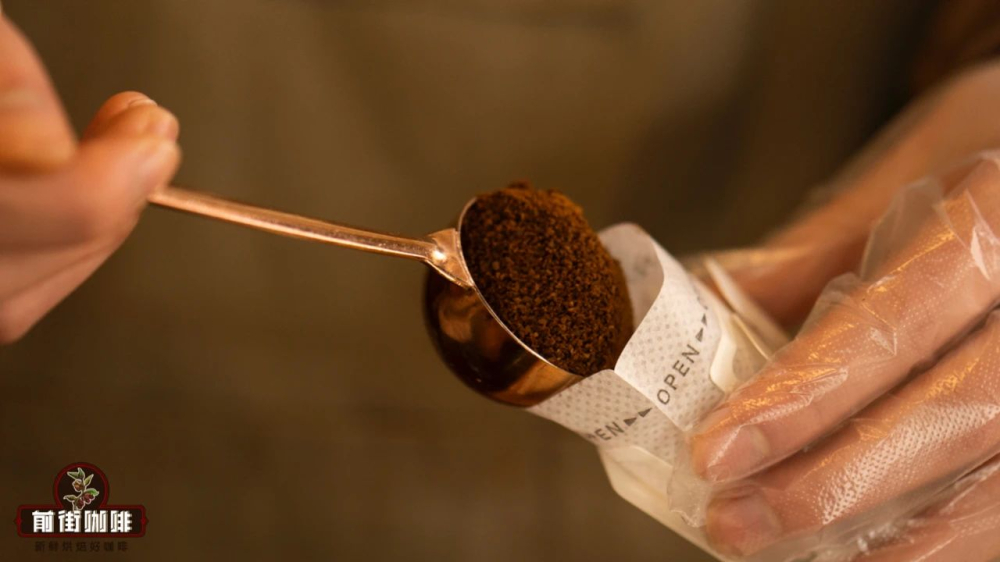
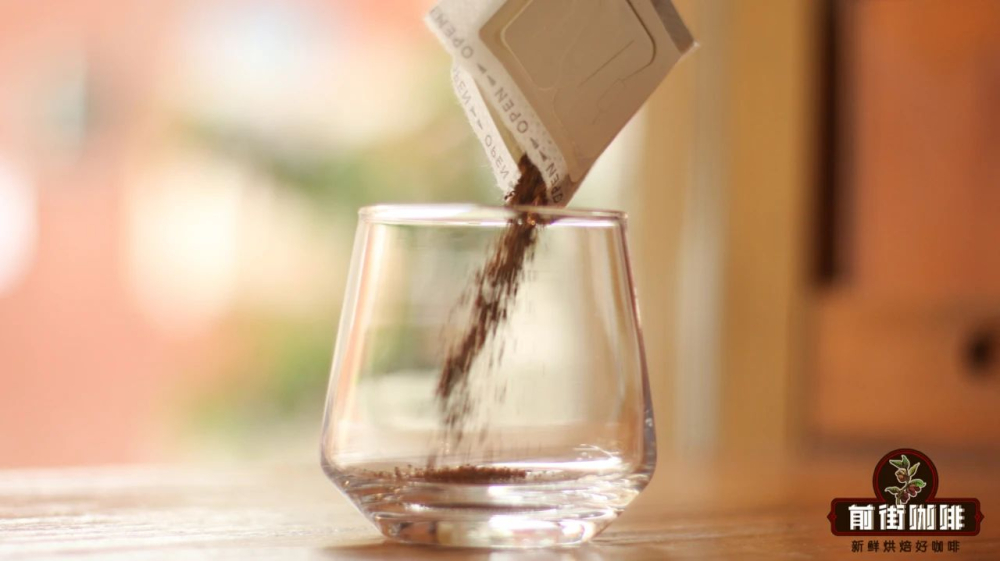
Here are the specific steps: First, open the drip bag and carefully pour the coffee grounds into the container, keeping the original drip bag filter. Next, pour in the ice water, gently shake to evenly wet the coffee grounds, then cover and refrigerate for 8 to 12 hours—or even up to 24 hours for a stronger flavor. Once extraction is complete, hang the reserved drip bag filter over the cup and slowly pour the coffee liquid through to filter.
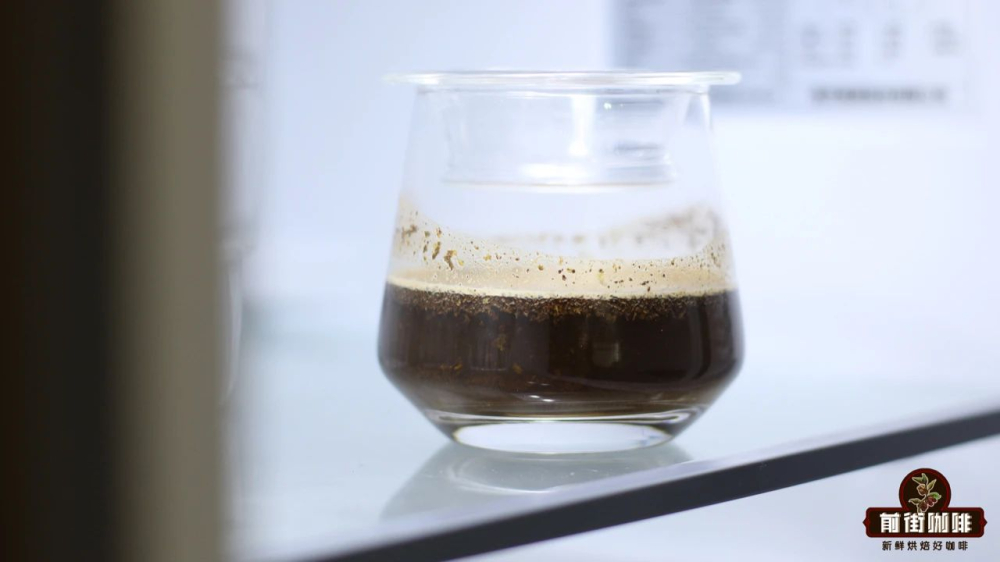
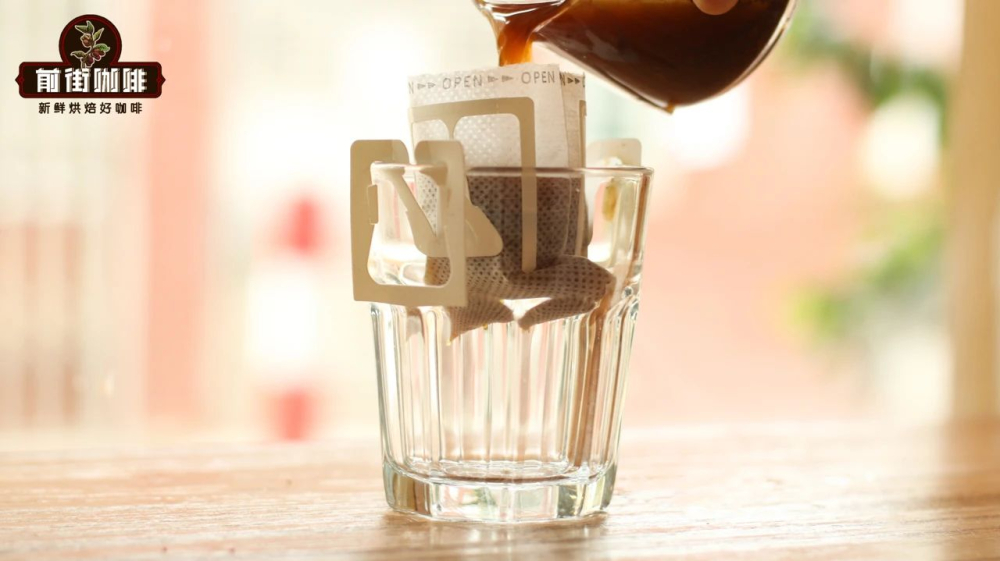
The finished cold brew, when prepared with a 1:15 ratio, usually has a well-balanced flavor and can be enjoyed directly. If you prefer a lighter taste, you can adjust it according to your preference by adding ice cubes, cold water, or a small amount of milk. This method works not only for regular blends but also for unique single-origin beans, such as those with wine-like or fruity flavor profiles.

It’s important to note that even when using sterilized containers, cold brew coffee is best stored in the refrigerator for no more than 72 hours. While low temperatures can inhibit some bacterial activity, they cannot completely prevent microbial growth. To ensure safety and optimal flavor, it’s recommended to consume it as soon as possible.
The above content is compiled by CoffeeHunters, a coffee news website.


