







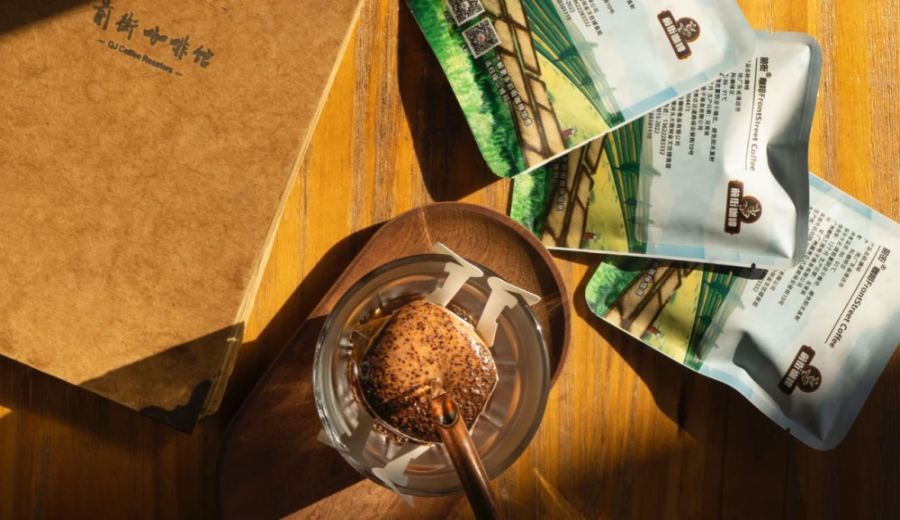
Introduction:Drip bags have become a daily choice for many coffee enthusiasts in recent years, retaining the layered flavors of pour over coffee while simplifying equipment needs. This article will guide you through the historical origins of drip bags, their differences from black coffee and pour over coffee, delve into the brewing principles and filter bag design features, and provide practical brewing steps and tips to help you enjoy this convenient yet flavorful coffee format more professionally.
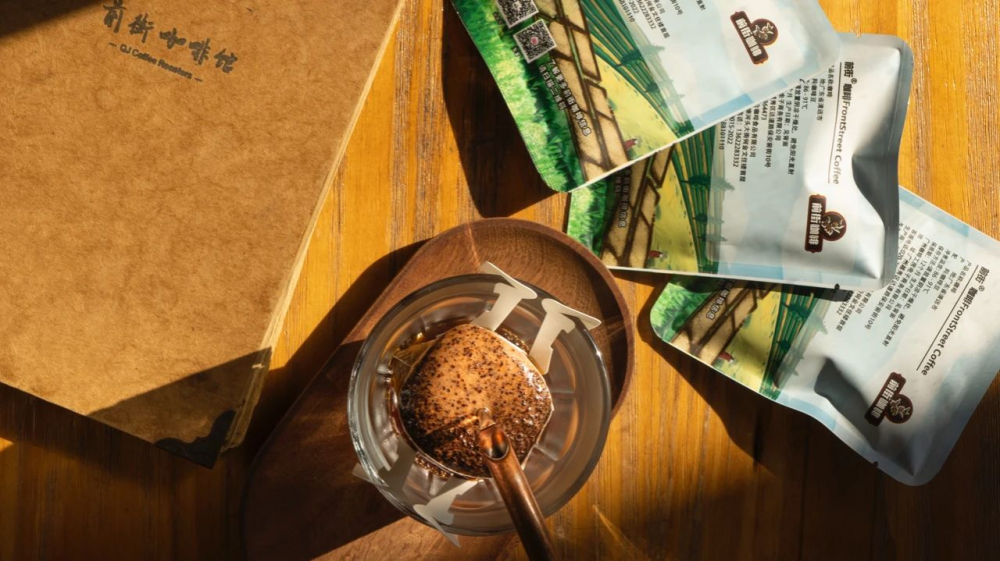
With the popularization of specialty coffee culture, drip bags have gradually entered the public eye, becoming an ideal choice for easily enjoying single-origin coffee flavors in busy life. All you need is hot water and a cup—no complicated equipment required—to enjoy a cup of coffee with distinct flavors. Compared to traditional instant coffee, drip bags can more fully present the original characteristics of coffee beans, delivering a richer taste and aroma experience.
The birth of drip bags can be traced back to Japan in the 1990s. Initially, a certain industrial company, inspired by tea bag designs, developed an early prototype of filter-drip coffee and applied for a patent. However, this design failed to stably support the weight of coffee grounds and tended to tilt during brewing, leading to uneven extraction, ultimately preventing successful commercialization. It wasn’t until 2001 when a well-known brand improved the design by extending the ear-like parts to enhance stability and successfully secured a patent that drip bags resembling their modern form emerged. These were then promoted to the market, allowing consumers to more conveniently enjoy high-quality coffee.
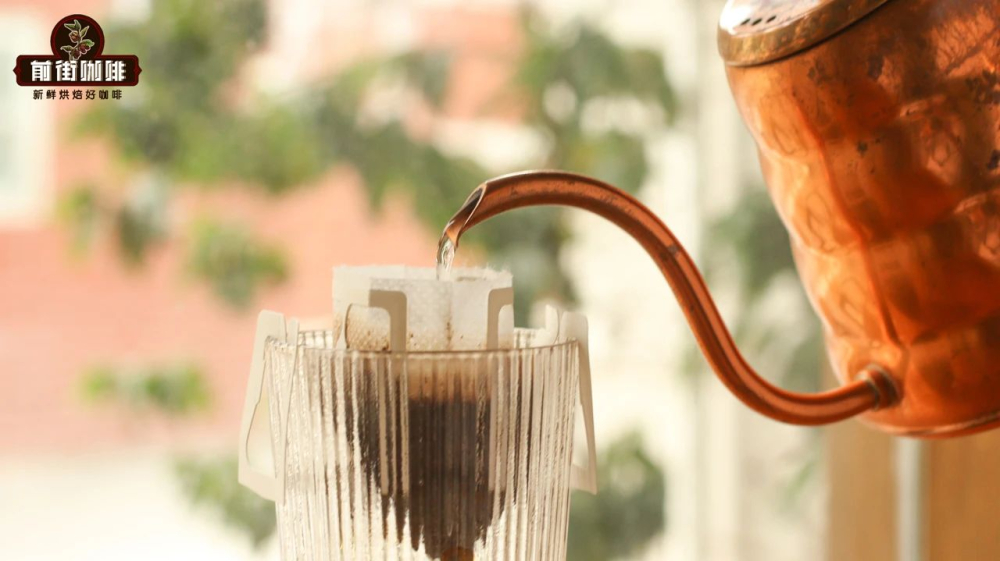
The brewing principle of drip bags is relatively simple yet scientific. It places pre-ground coffee in a filter bag made of non-woven fabric or filter paper material. By slowly pouring hot water, the water penetrates the coffee grounds layer, extracting flavor compounds. Compared to traditional pour over, drip bags eliminate the need for a filter cone, filter paper, and grinder, significantly lowering the operation barrier and suiting users who seek convenience without compromising on flavor. However, due to the finer grind size of the coffee, the extraction speed is faster, thus requiring more attention to water temperature and brewing time control.
A common question is: why aren’t drip bags suitable for long steeping? The key lies in the fineness of the coffee grounds and the flavor release characteristics. Compared to pour over, the coffee used in drip bags is typically finer, which accelerates the release of flavor compounds. Generally, about 30% of what’s extracted during brewing consists of desirable flavor components, while the remaining 70% includes fibrous matter that may introduce bitterness or woody notes. If the filter bag isn’t removed promptly after brewing, residual fibrous matter continues to release compounds, affecting the overall taste. Therefore, it is essential to remove the filter bag immediately after brewing to avoid re-steeping.
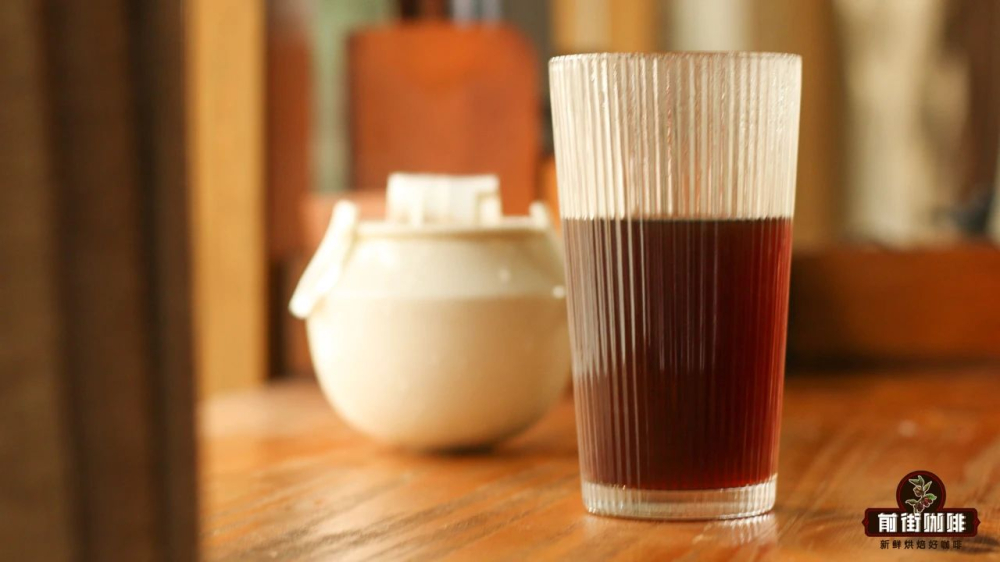
The actual tools needed to brew a drip bag are minimal: one drip bag, a cup, and hot water are enough to get started. Even without a scale, thermometer, or specialized pour over kettle, you can still brew a decent cup of coffee. Of course, having these auxiliary tools allows for more precise parameter control and improves extraction quality. The coffee grounds in a certain brand’s drip bags are ground slightly finer, helping to quickly release flavors, so even without overly complex techniques, you can easily achieve a single-origin coffee with distinct layers.
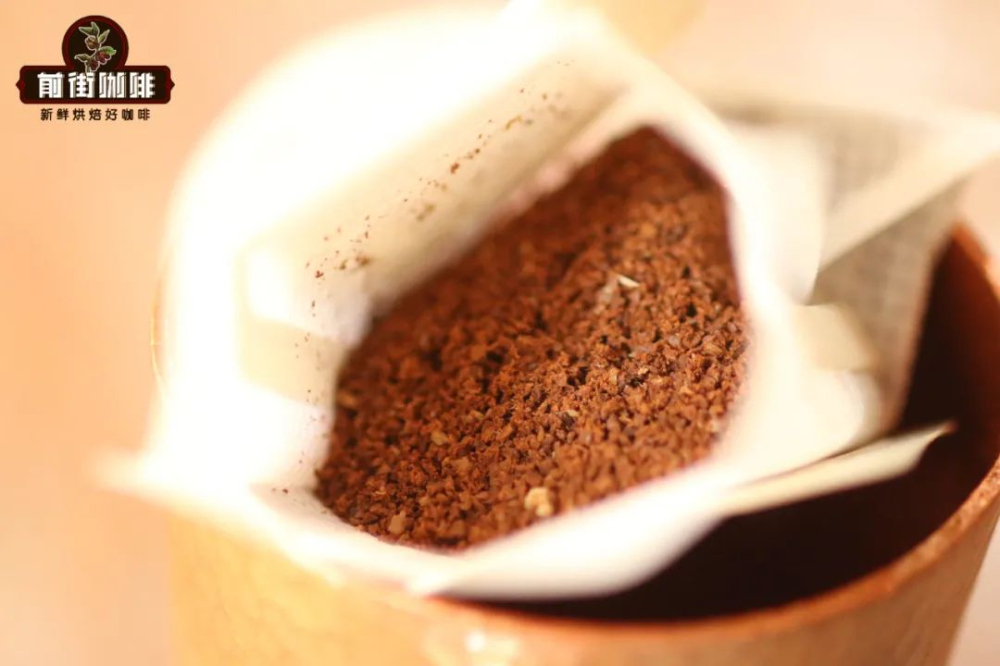
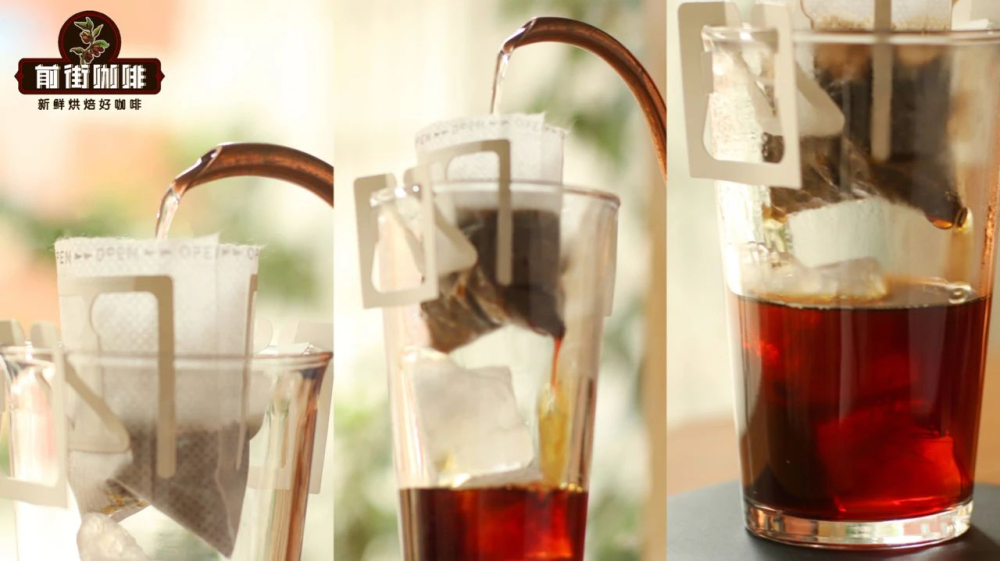
The standard recommended brewing ratio is 1:15, meaning 10 grams of coffee grounds paired with 150 milliliters of hot water. When brewing, first tear along the “OPEN” dotted line on the packaging, unfold the two “ear”-shaped filter paper clips, and securely hang them on the rim of the cup. The first step is to pour a small amount of hot water, about 30 milliliters, to bloom the coffee grounds for approximately 10 to 20 seconds, releasing carbon dioxide and activating the flavors. Then proceed to pour in two to three batches. Each time you pour to the edge of the filter bag, pause and wait until the coffee liquid drops to about half its height before continuing, ensuring even extraction. The total water volume should be kept around 150 milliliters. After all the coffee liquid has dripped through, remove the filter bag and enjoy your coffee.
Drip bags combine convenience with flavor performance, making them an ideal compromise for enjoying single-origin coffee in modern life. Understanding their origin, design principles, and proper brewing methods allows you to fully appreciate the unique charm of each cup, whether at the office, at home, or on the go, ensuring you can easily access a high-quality coffee experience.
The above content is compiled by CoffeeHunters, a coffee news website.


