







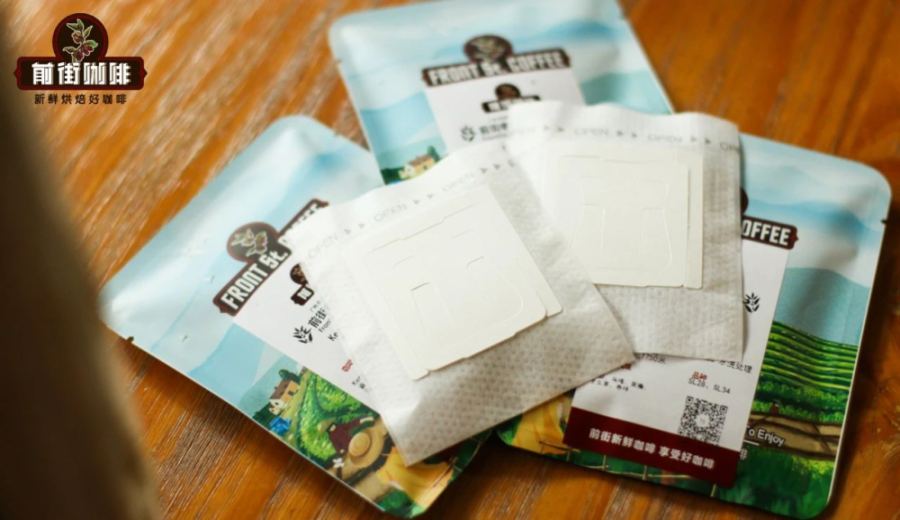
Introduction:Drip bags are a convenient alternative to pour over coffee, ideal for enthusiasts who want to enjoy specialty coffee without the complexity of traditional brewing. This article details the optimal extraction parameters for drip bags—including coffee-to-water ratio, water temperature, and timing—while analyzing the flavor profiles of different regions and processing methods. It also offers practical advice on selection and brewing to help beginners get started quickly.
For coffee lovers who appreciate specialty coffee but find the elaborate equipment and techniques of traditional pour over brewing intimidating, drip bags provide an excellent compromise. These single-serve pouches combine the flavor of freshly ground coffee with the convenience of instant preparation, making them especially suitable for office workers, travelers, or those trying pour over for the first time. This article will delve into the brewing parameters, selection tips, and common flavor types of drip bags, helping you easily master this low-barrier yet highly enjoyable coffee experience.
When choosing high-quality drip bags, several key indicators should not be overlooked. The first isproduction date. Since drip bags contain freshly ground coffee that is sealed after grinding, freshness is extremely important. Generally, the closer to the roast date, the better the flavor performance. It is recommended to select products roasted within the past two months; beyond this period, aroma and complexity may noticeably decline.Information transparencyis also a criterion for judgment. High-quality drip bags clearly indicate the coffee bean variety, origin, roast level, and grind size, helping consumers understand the characteristics of the product in hand.
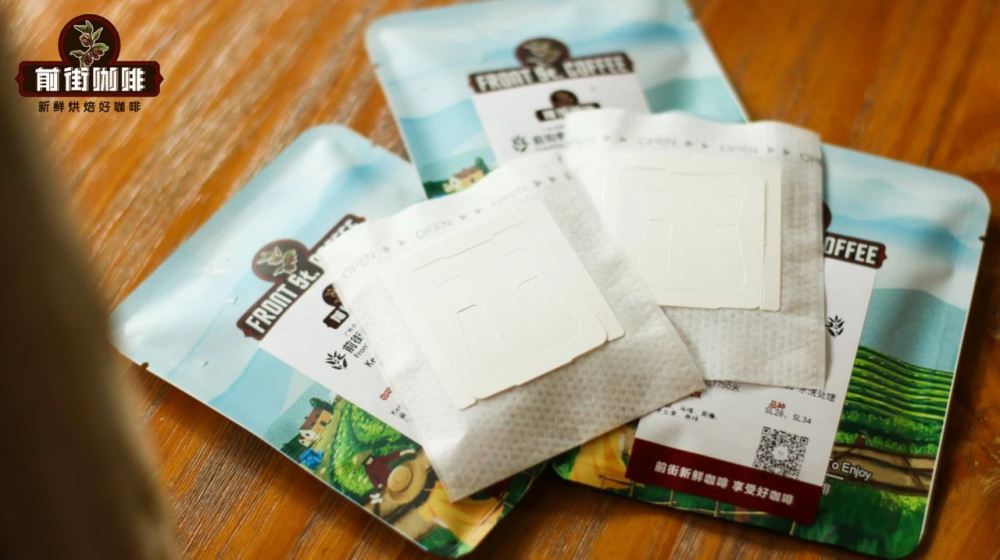
Compared to commercial instant coffee, drip bags not onlyoffer richer and more diverse flavors, but also better showcase the unique personalities of different regions and processing methods, covering everything from fruity and floral notes to nutty and chocolatey profiles. Additionally, drip bags typically contain no added flavors, creamers, or other artificial ingredients, making them relatively healthy. Moreover, by eliminating the need for complex equipment preparation,they are economical, easy to use, and portable, allowing you to enjoy them easily at home, in the office, or outdoors.
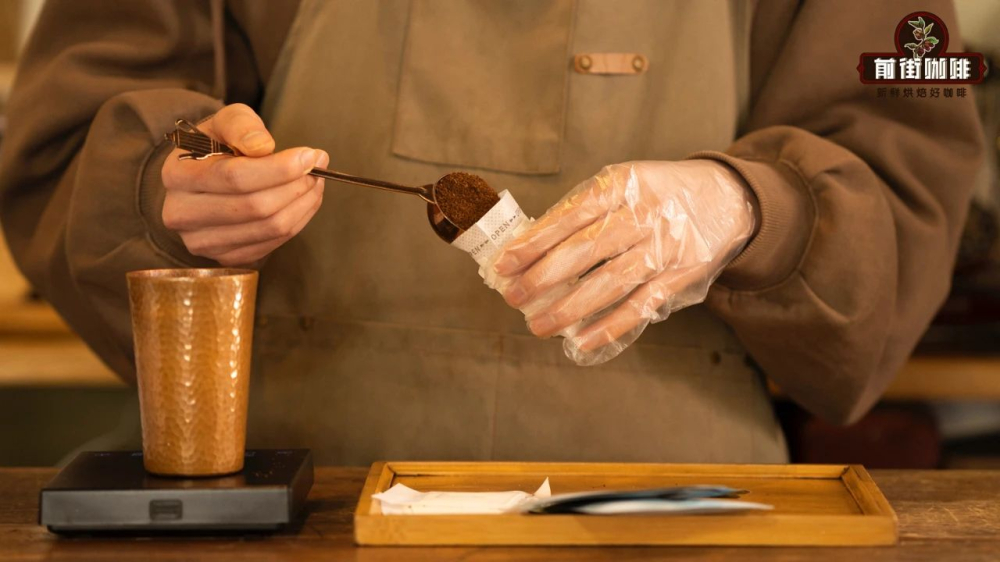
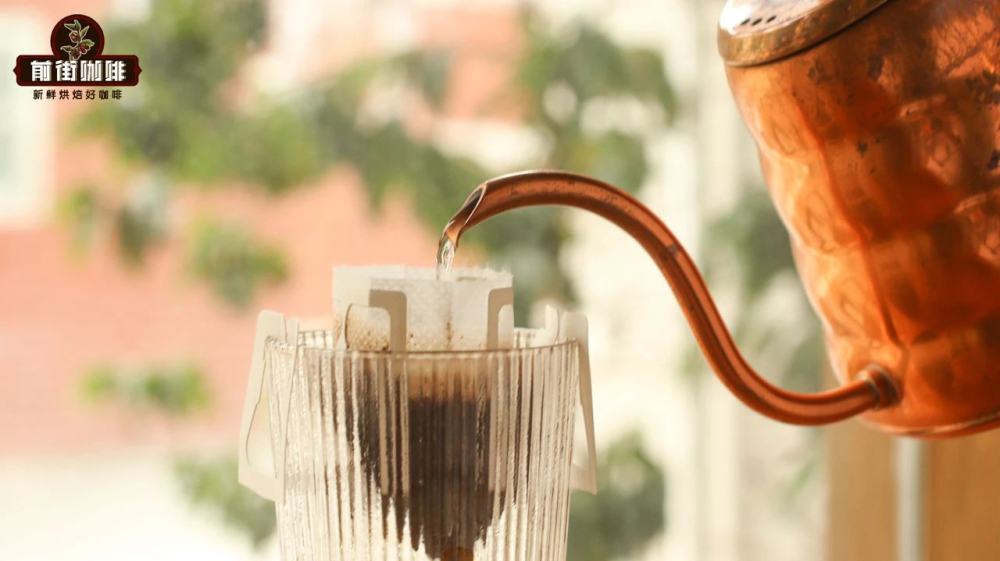
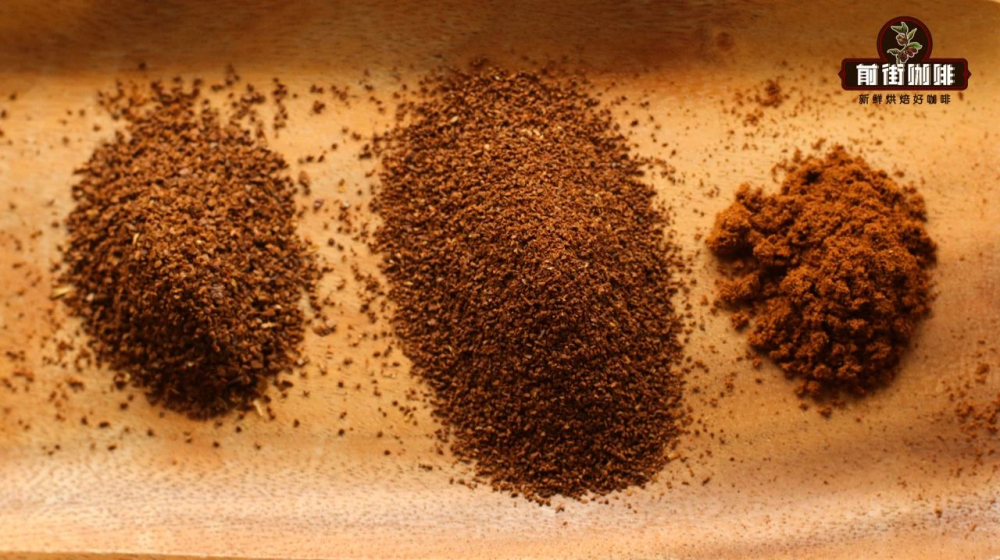
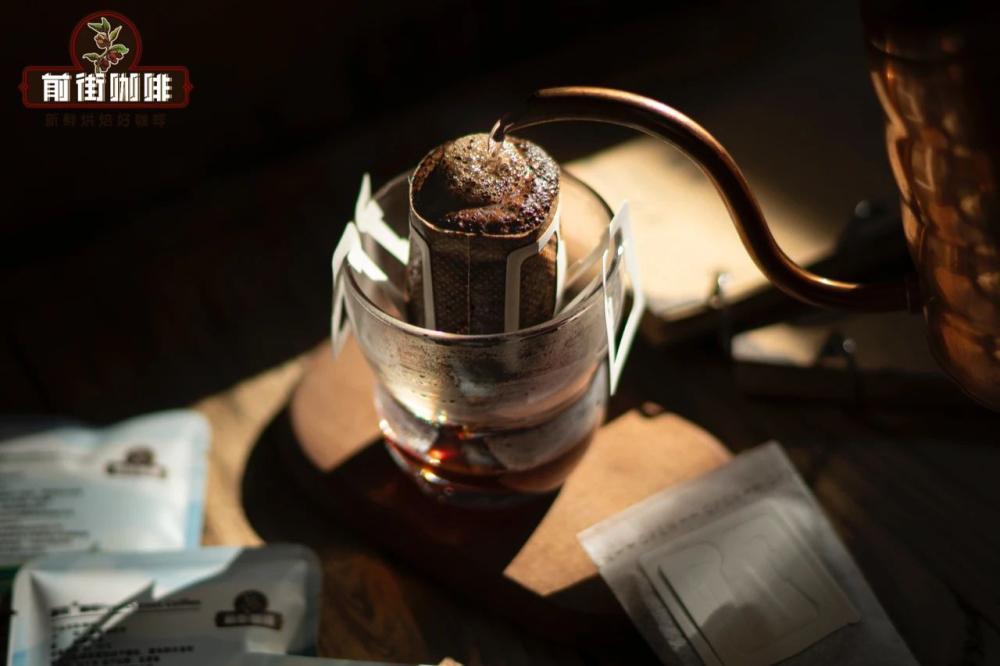
Numerous factors influence the brewing quality of drip bags, among whichgrind size and flow rate controlare particularly crucial. If the grind is too coarse, water flows through too quickly, leading to under-extraction and a weak-tasting coffee; conversely, if the grind is too fine, it can cause channeling or over-extraction, resulting in a bitter, astringent, and off-flavored cup. Therefore, using a high-quality, consistently grinding grinder and adjusting to a moderate coarseness (typically between medium-fine and medium-coarse) according to the package recommendations is the foundation for ensuring ideal extraction. Additionally,it is recommended to brew using a cup with a diameter of about 8–9 centimetersto ensure the drip bag’s “ears” can be securely positioned, preventing tilting or slipping during brewing.
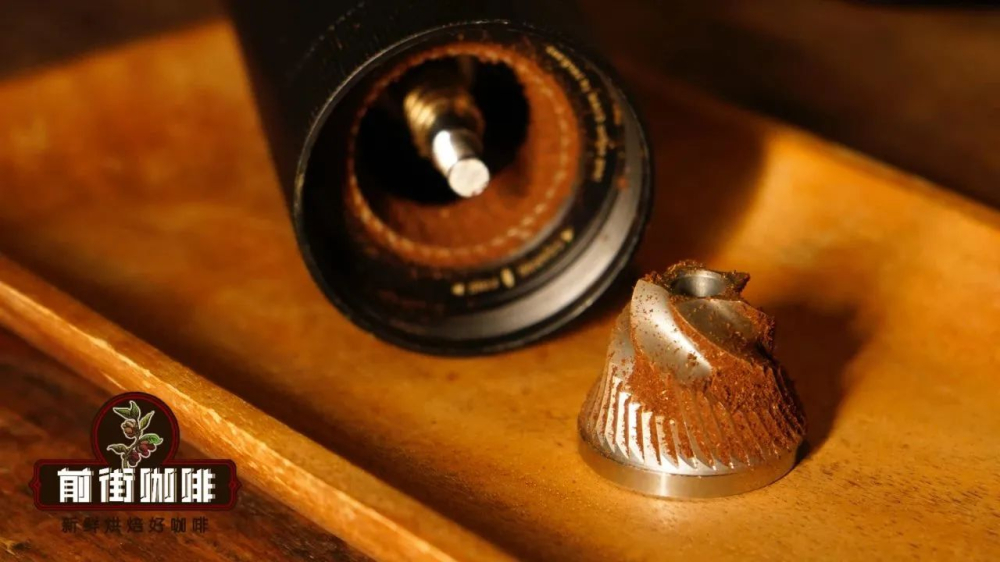
The cleanliness of the grinder also profoundly affects the final flavor. Before grinding drip bags, it is advisable to thoroughly clean any residual coffee grounds inside the grinder, especially oils or particles from different flavored beans, to avoid cross-contamination and interference with the purity of the current coffee’s profile. Many professional shops establish regular cleaning and maintenance routines for their grinders to ensure each batch of drip bags performs at its best—a practice that holds significant reference value for home users as well.
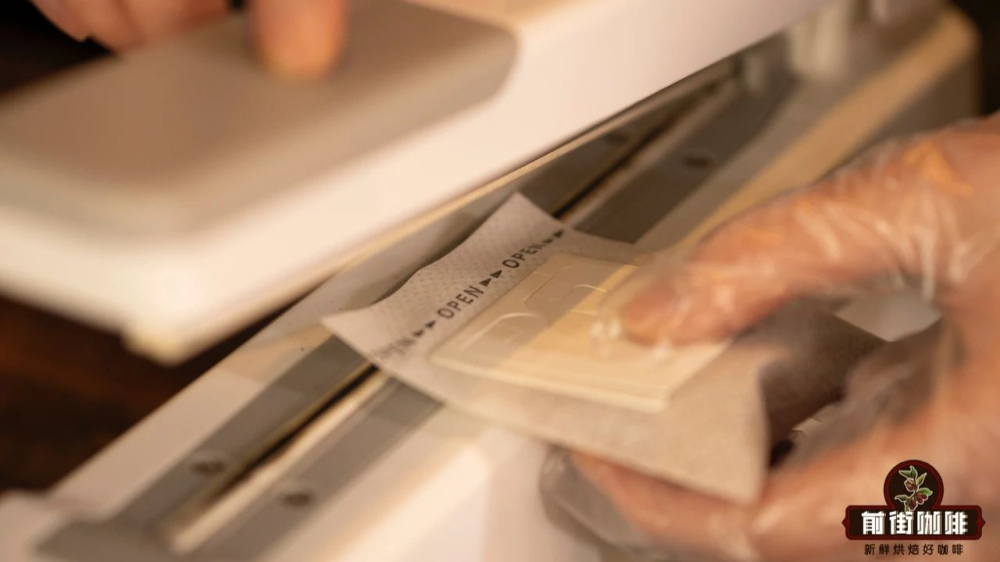
To extend the freshness of drip bags, many brands have adoptednitrogen flushing and self-sealing technology, effectively reducing oxygen exposure and slowing the oxidation process. This extends the optimal flavor window from about one month (without protection) to roughly one year. In contrast, manually packaged drip bags without nitrogen flushing may still taste decent for a short time, but long-term storage inevitably leads to aroma loss and flavor degradation. Consumers prioritizing long-term preservation and flavor stability may prefer products with nitrogen flushing and high air-tightness.
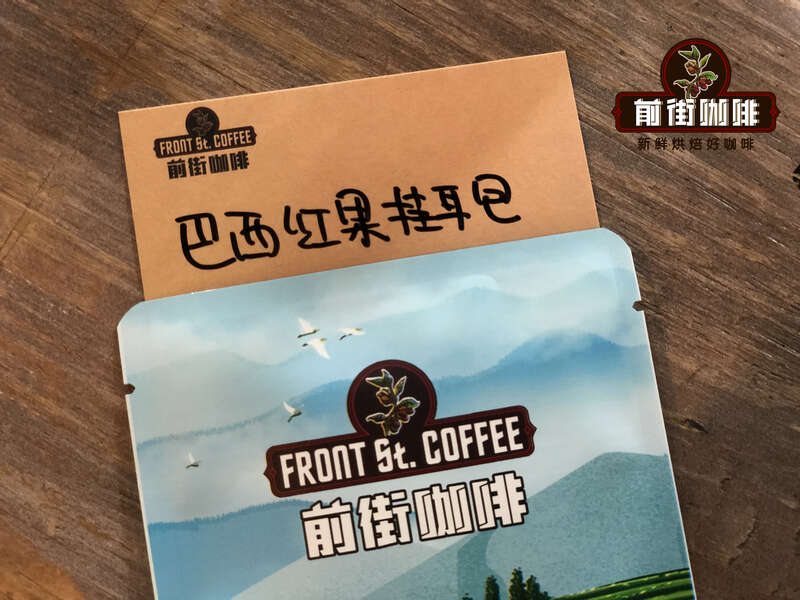
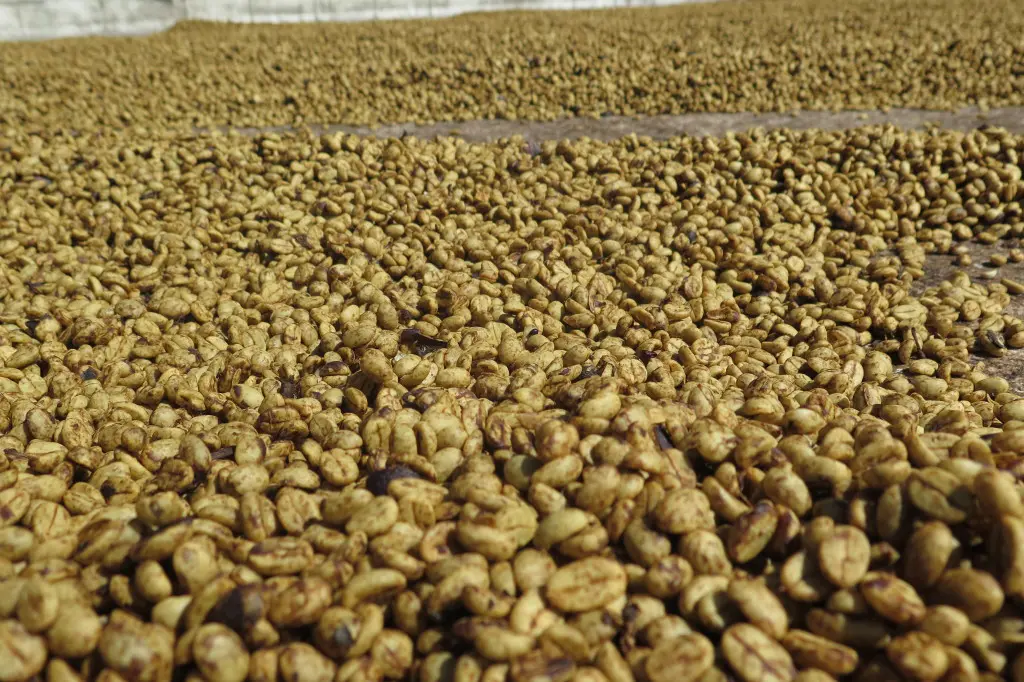
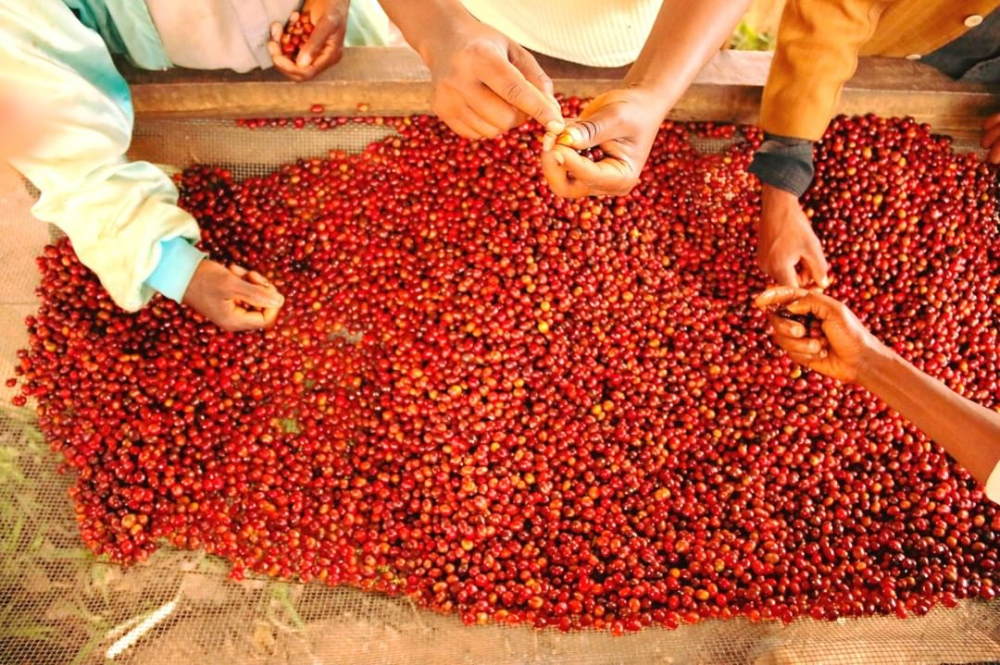
Taking two popular drip bag options as examples: one brand’s Brazilian pulped natural red fruit drip bag delivers distinct sweetness and subtle lemon aroma, with a rich nutty profile on the palate and a finish of bold dark chocolate; while another brand’s Ethiopian natural Sidamo drip bag showcases gentle floral notes and vibrant berry acidity, accompanied by unique fermentation aromas—ideal for those who enjoy bright fruit-forward flavors. These two coffees each have their own characteristics, fully demonstrating how different regions and processing methods deeply influence flavor.
In terms of brewing parameters, it is recommended to use10 grams of coffee grounds with approximately 150–200 milliliters of hot water, keeping the coffee-to-water ratio between 1:15 and 1:20, with a water temperature of around 90°C. When brewing, start with a 10-second bloom (pouring an amount of water roughly equal to the coffee grounds weight) to activate the release of the coffee, followed by pouring with a steady small stream in circular motions until the target volume is reached. This process can be done in one or two pours, adjusted according to personal taste preference. Once completed, remove the drip bag; it is recommended to discard it after a single use to avoid dilution of flavor from reuse.
In summary, drip bags stand out as a top choice for many coffee beginners and busy modern individuals due to their ease of use, diverse flavors, and portability. By mastering the correct extraction parameters, paying attention to bean freshness and packaging conditions, and selecting the right region and processing method based on personal taste, you can easily enjoy a quality and enjoyment level close to professional pour over brewing in the comfort of your home.
The above content is compiled by CoffeeHunters, a coffee news website.


