







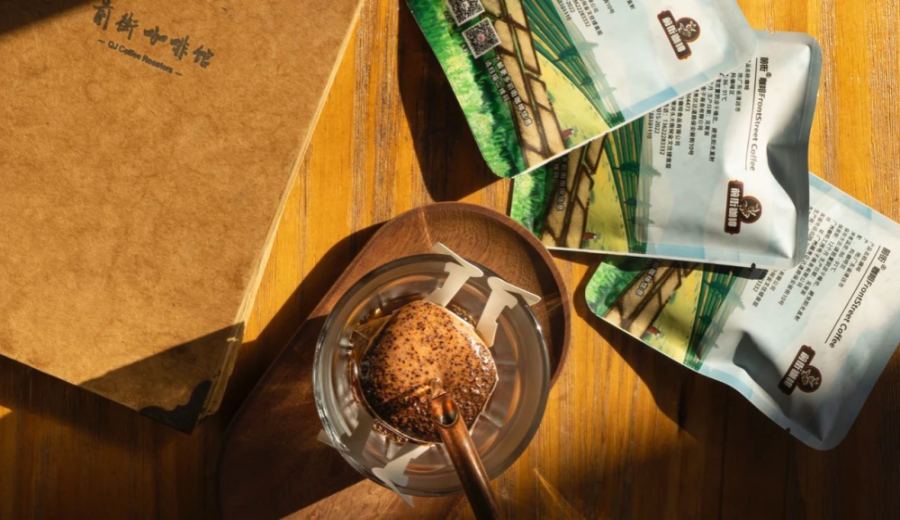
Introduction:Drip bags offer unmatched convenience, allowing many busy coffee enthusiasts to easily enjoy pour over-style flavors. This article delves into the origins of drip bags, their pros and cons, suitable brewing methods, and common brewing mistakes. It also provides practical purchasing advice and detailed brewing steps to help you master optimal extraction parameters and experience the richly layered flavors of black coffee.
Specialty coffee has long transitioned from being an unattainable luxury to a part of everyday life for many, and the popularity of drip bags is one of the key drivers. This simple and portable brewing method significantly lowers the barrier to enjoying pour over coffee—there’s no need for complex equipment, nor for precise control over grind size or pouring technique. Simply tear open the pouch, hang it on your cup, pour in hot water, and enjoy a fresh black coffee with a flavor profile close to that of traditional pour over.
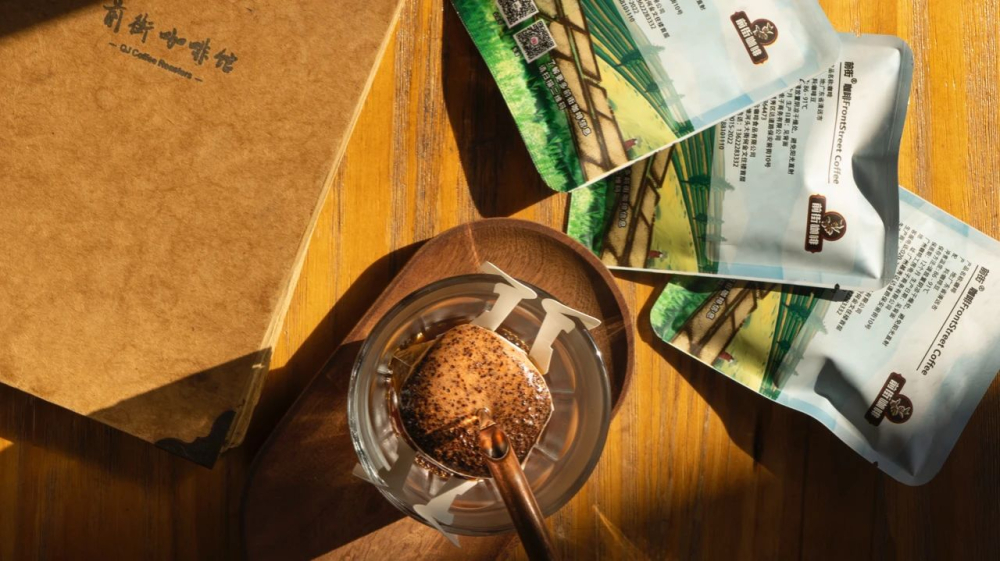
Looking back at history, the concept of drip bags was first conceived in Japan in 2001, developed and patented by UCC Ueshima Coffee. It was later introduced to the market. Known in Japanese as 「いっぱいだして型コーヒー」 ("one-cup extraction type coffee"), the design concept involves placing a measured amount of coffee grounds in a non-woven or paper filter bag, paired with two paper clipboards. You simply hang it on the rim of a cup to complete the extraction—simple and practical.
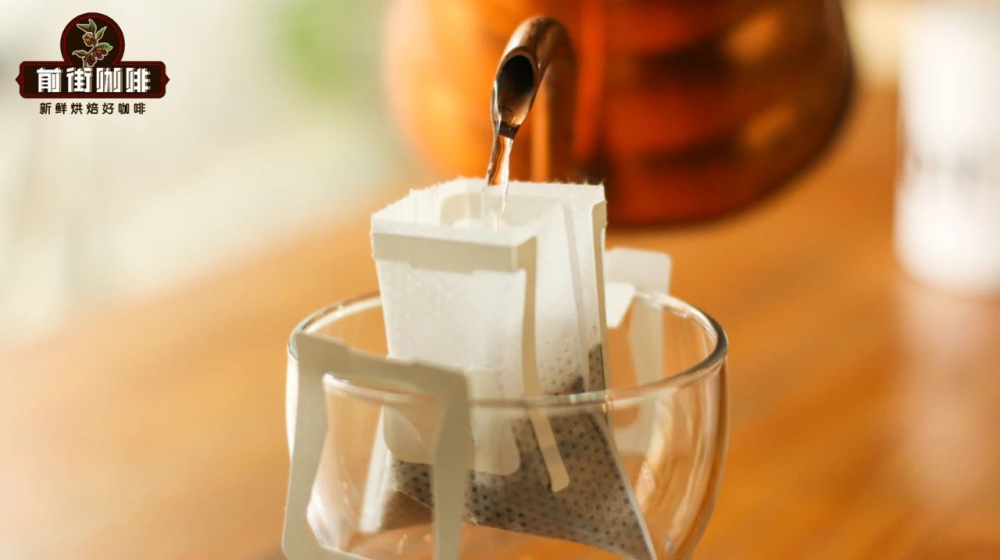
The biggest advantage of drip bags lies in their extremely low operational threshold, essentially a "streamlined version" of pour over coffee. They come pre-filled with a measured amount of coffee grounds in a filter bag with "ears" (handles), eliminating the hassle of grinding, preparing filter paper, or setting up a filter cone. Just add water and enjoy a freshly brewed black coffee. However, because the coffee grounds are pre-ground, even with individual sealed packaging, the aroma is still difficult to retain over the long term. It is recommended to consume them within 30 days of purchase and avoid stockpiling large quantities.
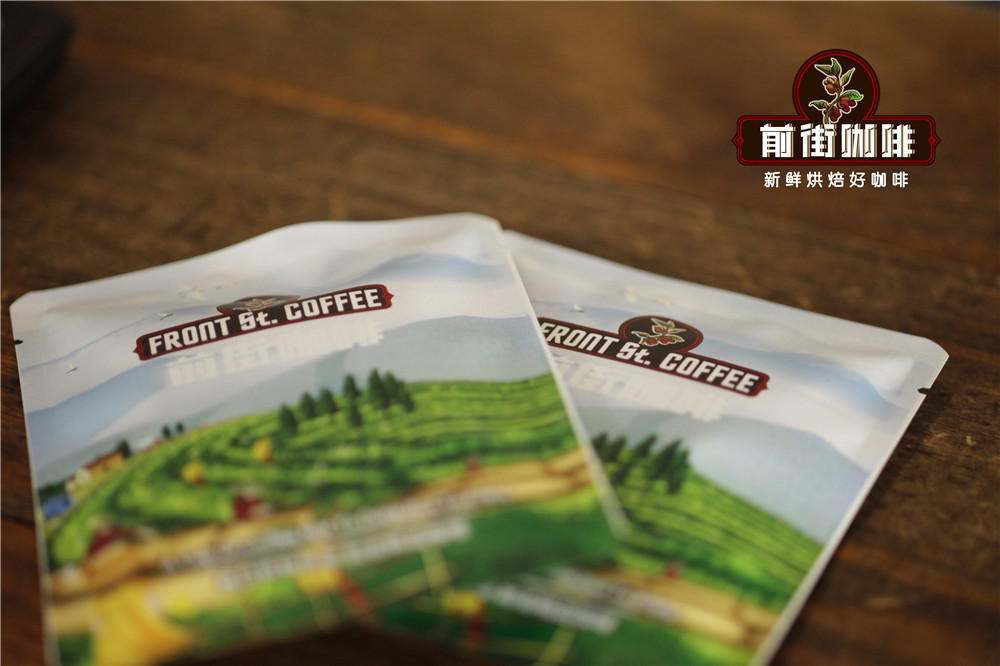
In terms of extraction uniformity, due to structural limitations of the drip bag filter, the coffee grounds layer cannot be distributed as evenly as with a professional filter cone, so the overall flavor complexity often falls slightly short of that of pour over coffee. Additionally, many wonder, “Can drip bags be brewed multiple times?” The answer is no—it is not recommended. Since only about 30% of the soluble substances in coffee beans can be extracted, a single brew is sufficient to fully release the flavors. Continuing to pour water will only make the coffee increasingly weak, losing its original essence.
For beginner coffee enthusiasts, how do you choose the right drip bag for yourself? If you prefer a rich and bold flavor, go for options with nutty and creamy notes—such as certain Brazilian beans, which often exhibit a silky texture reminiscent of peanuts and milk. If you enjoy bright and lively acidity, Ethiopian Yirgacheffe beans are usually a great choice, often showcasing lemony acidity and white floral notes. For something more unique, drip bags made from Honduran sherry cask-aged beans might offer whiskey-like aromas and a smooth vanilla-caramel finish.
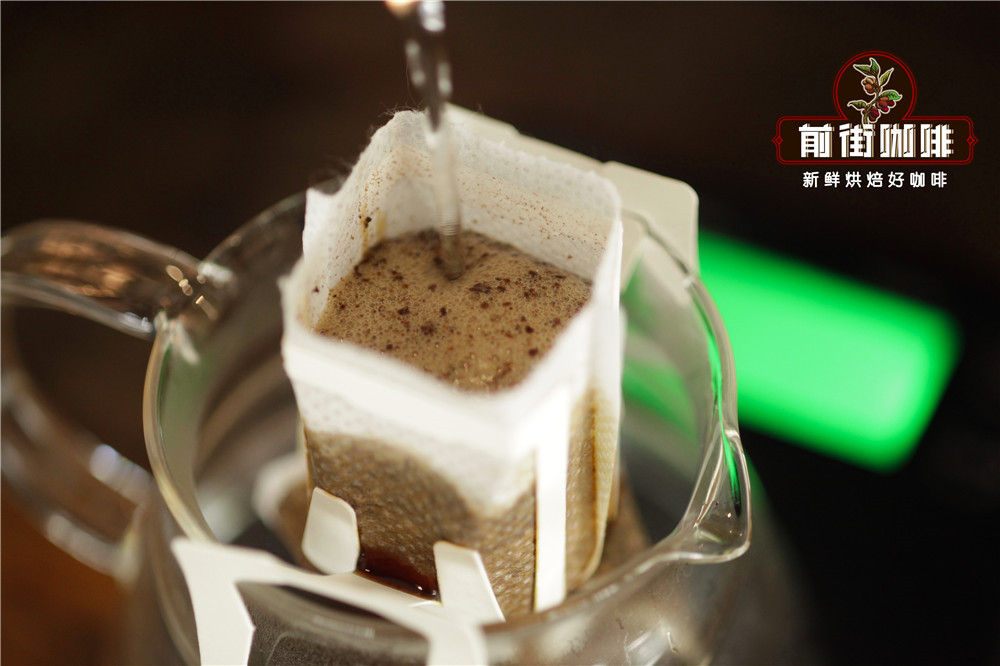
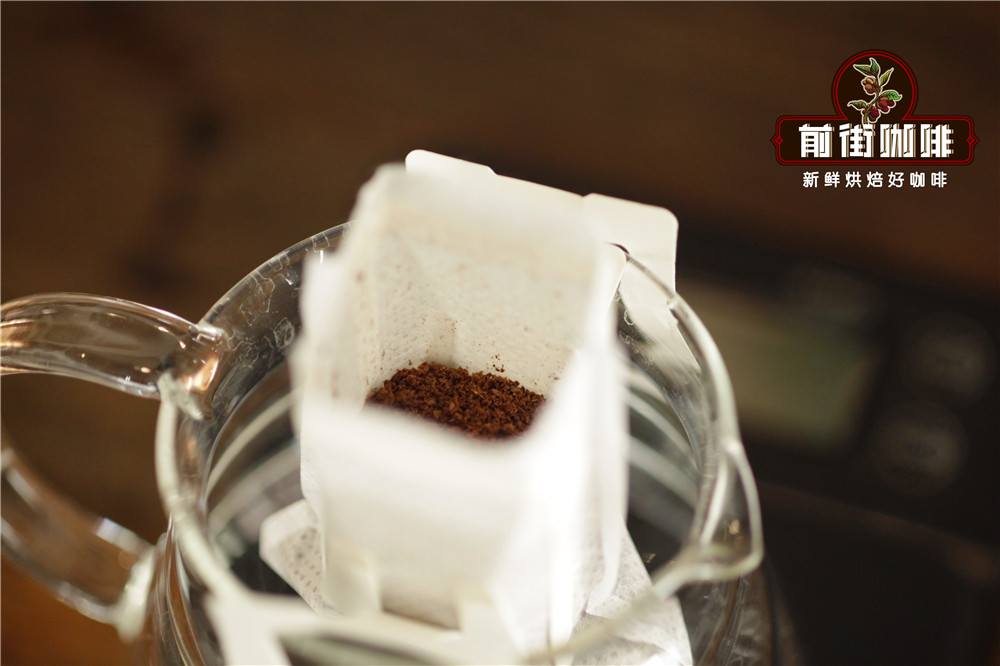
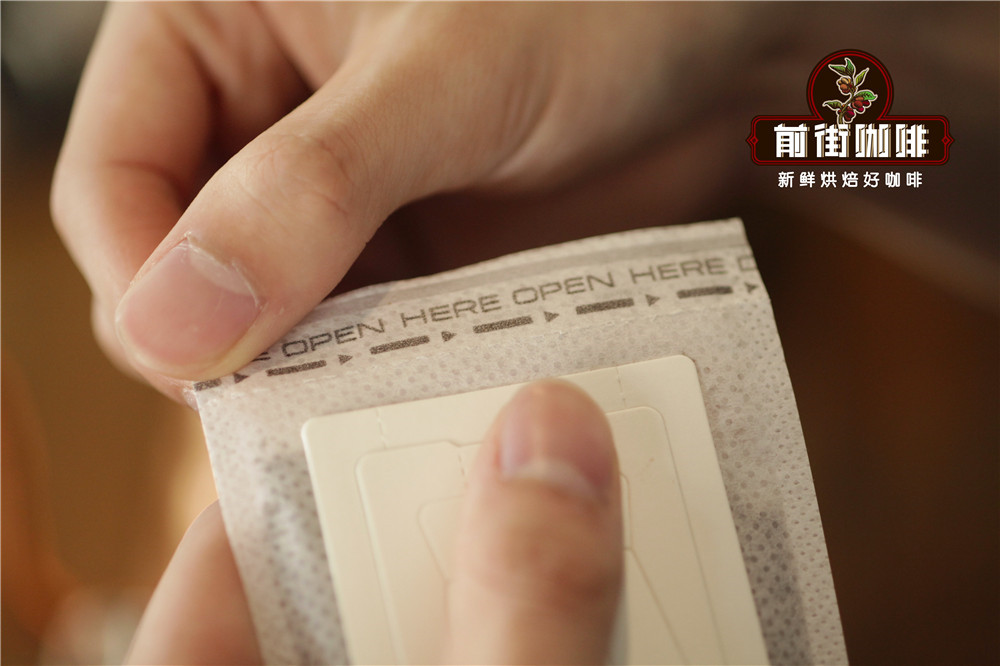
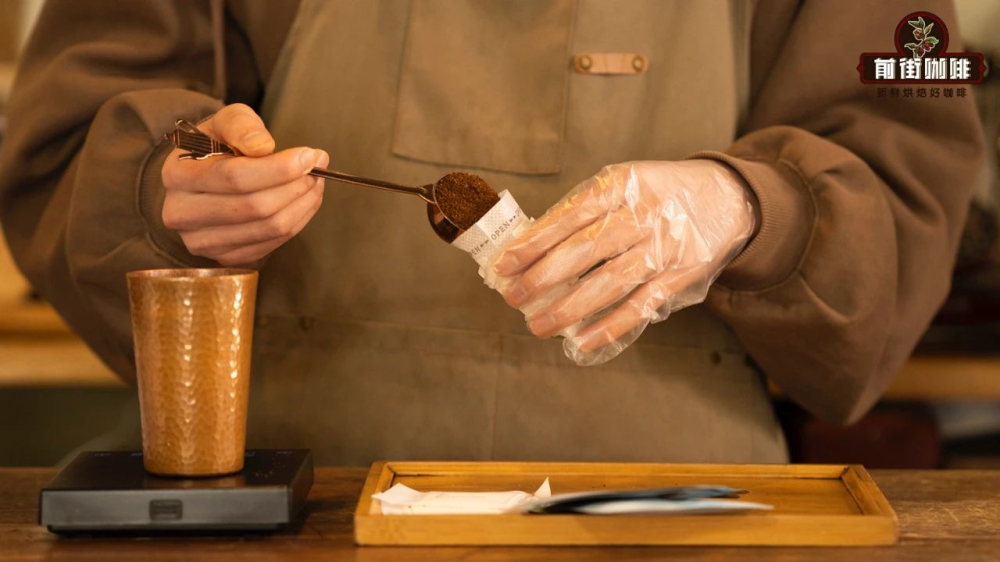
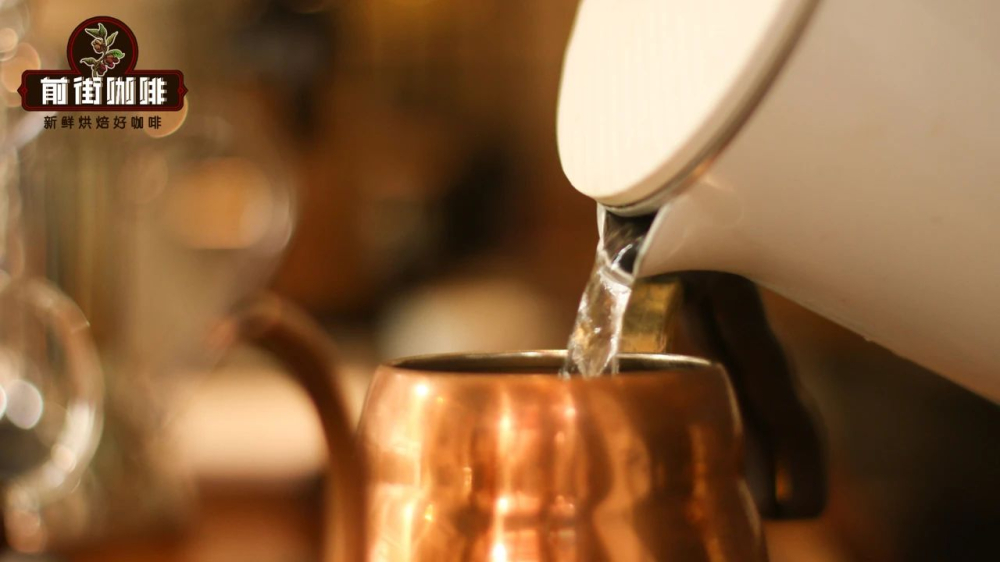
During actual brewing, it is recommended to use a 1:15 coffee-to-water ratio as a baseline—for example, for each 10-gram pack of coffee grounds, you can pour in 150 milliliters of hot water. The specific steps are as follows: First, tear open the outer packaging, take out the drip bag, and unfold the two "ears." Securely hang it on the rim of your cup (note that the cup opening should not be too large to prevent instability), and prepare the required hot water in advance. Next, brew with water at around 90°C, and it is recommended to first perform a bloom for about 10 seconds with an amount of water roughly equal to the coffee grounds—this step helps awaken the aroma of the coffee.
After blooming, once the coffee grounds have settled slightly, you can begin pouring the second stage of water. Add water until the drip bag is about 80% full each time, allowing the coffee liquid to slowly drip through. Repeat this step until you’ve added enough water. Throughout the process, maintain a steady flow rate and avoid pouring too quickly, which could lead to under-extraction and negatively impact the final flavor. Although this brewing method is not as rigorous as professional pour over, it is still advisable to pay attention to basic factors such as water temperature, pouring technique, and coffee-to-water ratio to fully bring out the potential of the coffee.
When enjoying drip bag coffee, there are several common points worth noting. First, because the coffee grounds are pre-ground and have a larger surface area exposed to air, the aroma can easily dissipate over time and may even develop a "woody" taste. Therefore, it is essential to choose freshly roasted products and consume them as soon as possible after opening. Second, water temperature is also a critical factor—aim to keep it between 86–93°C. If the water temperature is too low, it may lead to incomplete extraction and result in a thin-tasting cup. If needed, you can extend the steeping time as compensation.
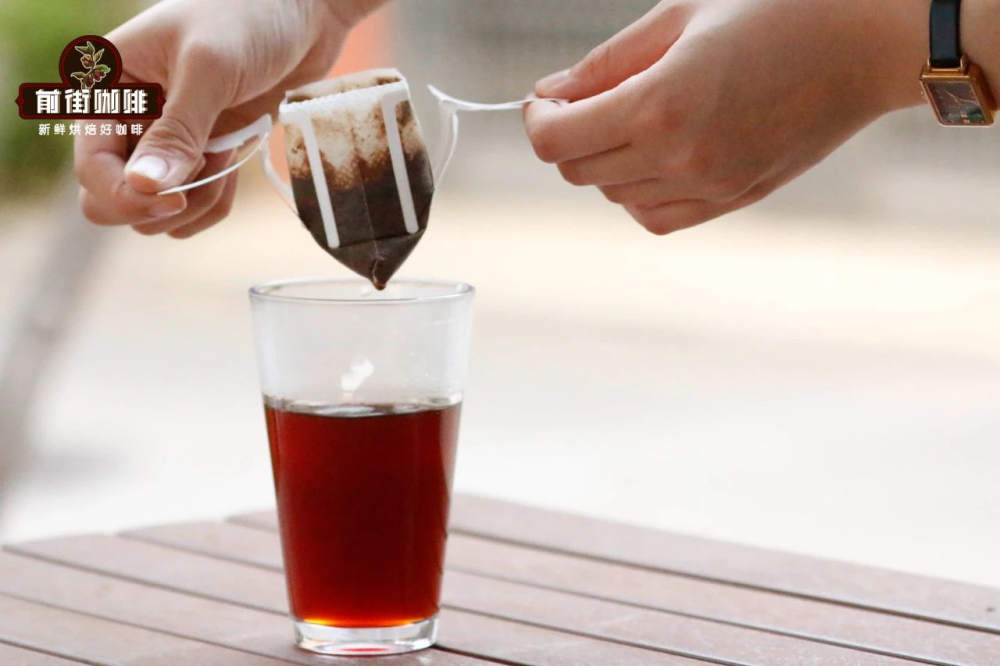
Additionally, the speed and amount of water poured will affect the overall concentration and flavor balance of the coffee. A steady and fine stream of water helps ensure even extraction and prevents localized over- or under-extraction. In summary, although drip bags are convenient, they still require basic brewing skills. As long as you master these details, you can easily enjoy a high-quality black coffee with pour over-like flavors in the comfort of your home.
The above content is compiled by CoffeeHunters, a coffee news website.


