







Introduction:Cold brew coffee, with its refreshing and low-acid profile, has become one of the most popular coffee choices in summer. But do you know how it has evolved from the European Age of Sail to today, and what are the fundamental differences in flavor and extraction methods compared to hot pour over? This article dives deep into the origins of cold brew, its extraction principles, compares the flavor profiles and body thickness between cold brew and pour over, and also provides professional-grade cold brew preparation tips and parameter references to help you go from beginner to expert.
The popularity of iced coffee is not only due to its ability to quench thirst and cool down, but also because of its refreshing and non-greasy taste, which enjoys stable support even in winter. Compared to traditional hot extraction, iced coffee extracts under different conditions and water temperatures, resulting in a distinctly different flavor expression.
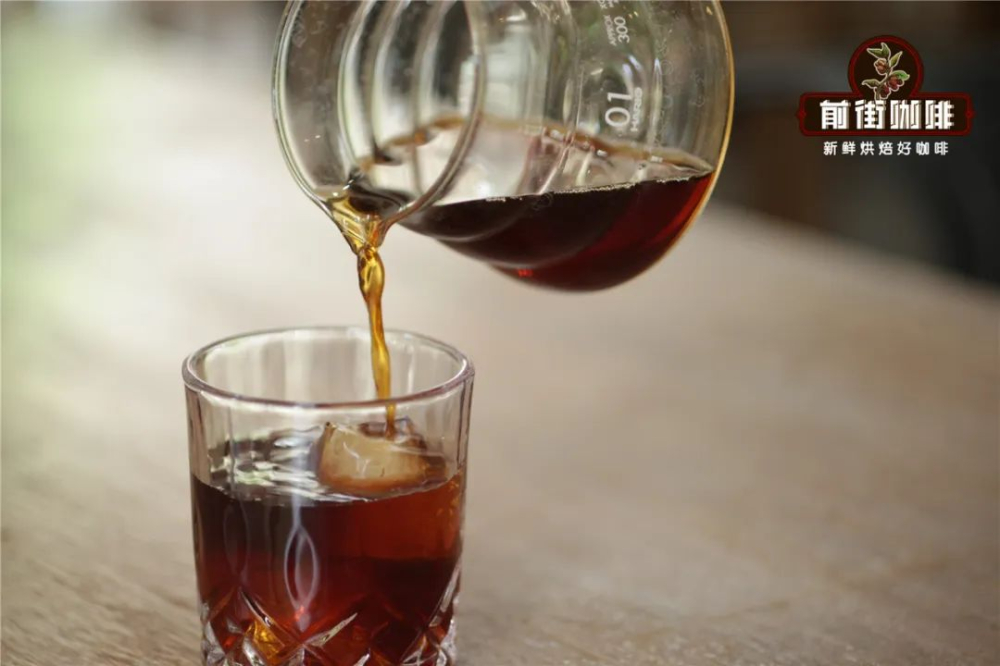
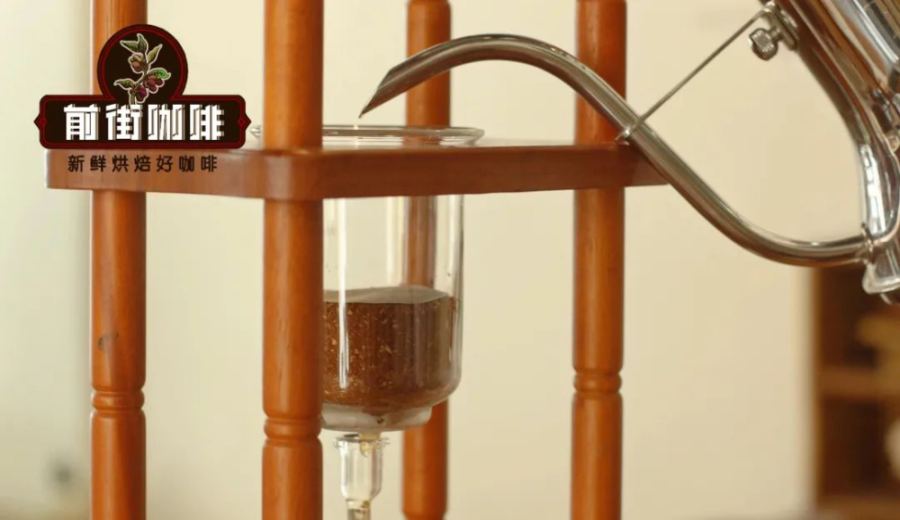
As the name suggests, cold brew coffee is an extraction method that involves steeping coffee grounds in cold water for an extended period. Its basic principle utilizes a low-temperature environment, allowing the aromatic compounds in coffee to slowly release over time. Common cold drip coffee and cold steeping (also known as cold maceration) coffee both fall under the broad category of cold brew. Although their techniques vary slightly, they are commonly referred to as cold brew coffee by the public.
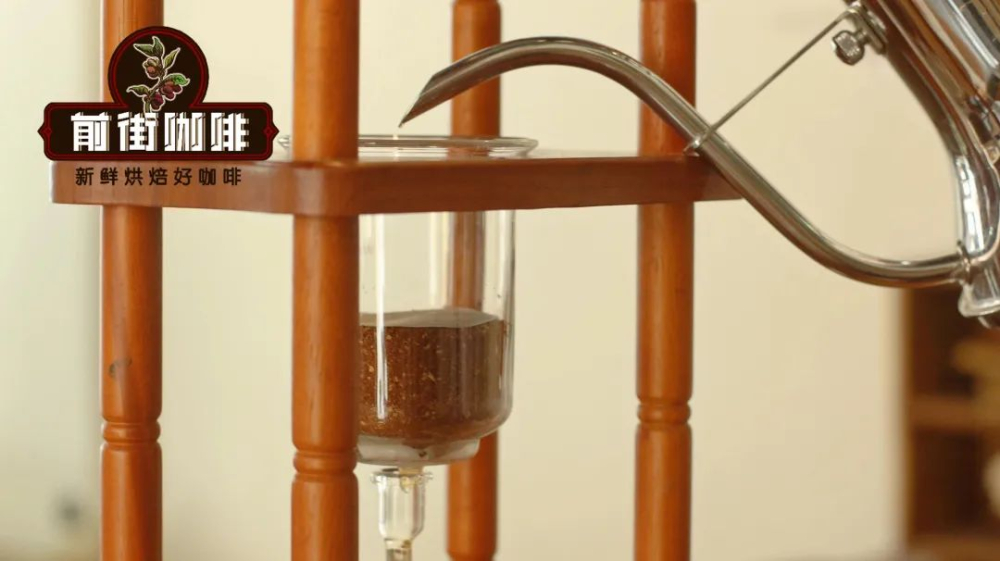
Tracing back the history of cold brew, its origins can be found in 16th-century Europe. At the time, Dutch merchant ships, unable to access hot water during long voyages, tried steeping coffee grounds in cold water. To their surprise, this method resulted in a smoother and more palatable taste, with less of the intense bitterness and sharp acidity commonly associated with hot brewing. This method spread with the fleet and gradually evolved into today’s cold brew culture. As for the precision-focused cold drip coffee, it was later developed in Japan with specialized equipment and techniques, using a controlled drip rate of 7–8 drops per minute to achieve a more delicate extraction.
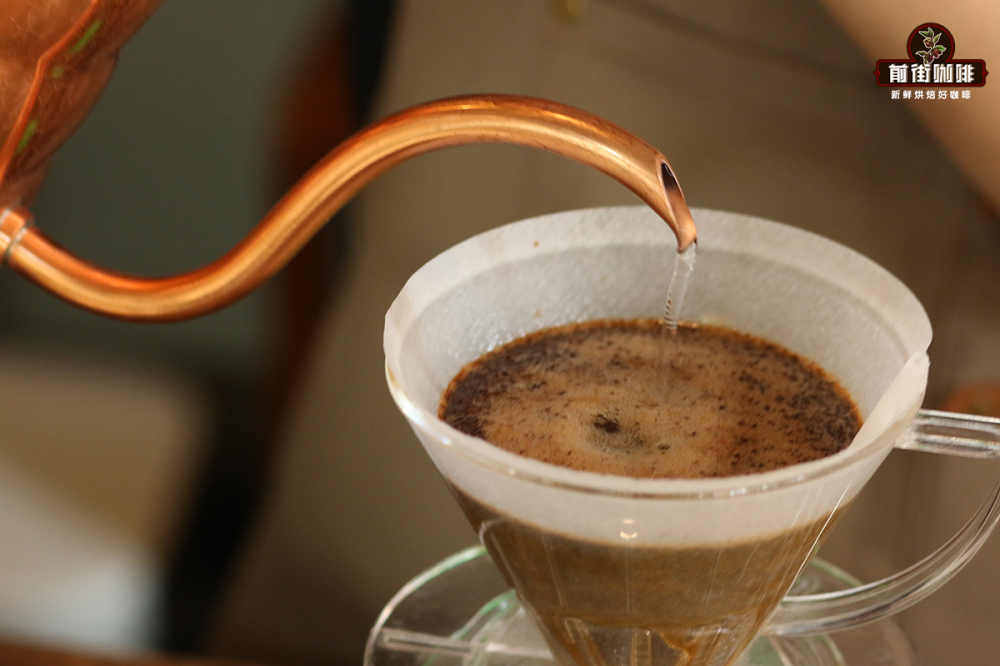
The biggest difference in extraction principles between cold brew and pour over lies in water temperature and reaction rate. Pour over coffee typically uses near-boiling hot water (recommended range: 87–93°C), extracting acids, sweetness, and bitter compounds from coffee quickly through high temperature. However, high temperatures can also amplify flawed flavors, and improper parameter control can easily lead to over-extraction and burnt bitterness. There are many variables in pour over, including pouring technique, grind size, and brewing time, all of which directly affect the final flavor.
In contrast, cold brew uses room temperature or refrigerated water, with temperatures generally maintained between 4–15°C. The reaction speed between coffee grounds and water is significantly reduced, requiring a much longer time—typically at least 12 hours, or even longer—to fully release aromatic compounds. Taking the common cold steeping method as an example, it usually involves steeping for about 12 hours; whereas cold drip coffee achieves extraction slowly over 7–8 hours by controlling the drip rate.
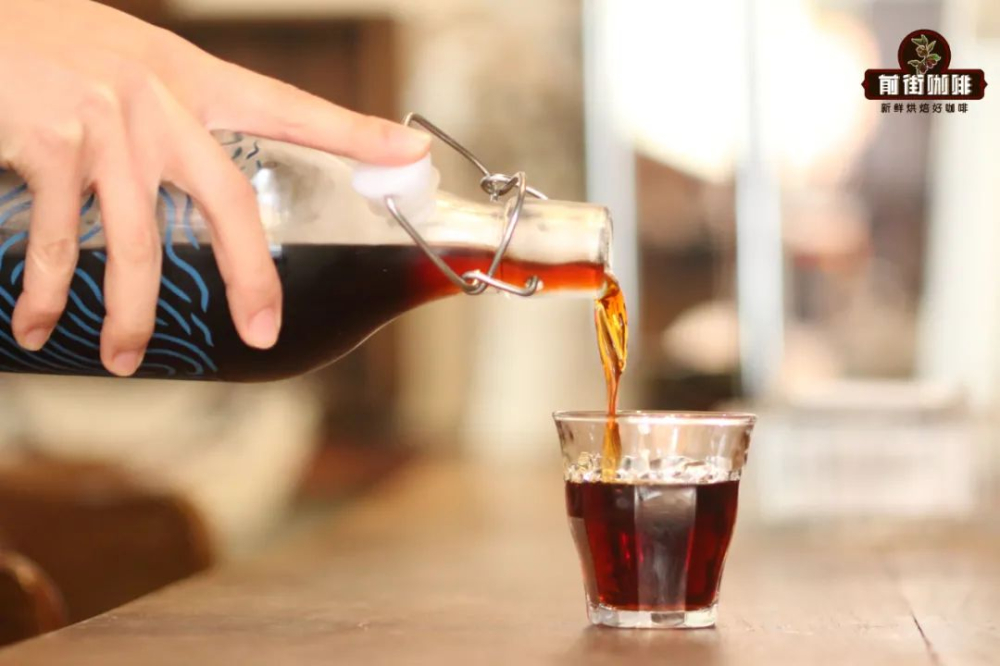
Coffee compounds are released in varying order depending on their molecular size. In high-temperature environments, small-molecule fruit acids and medium-molecule sweet compounds are released first, followed by larger-molecule bitter components. Therefore, pour over requires precise control of water temperature and time to avoid over-extraction that leads to imbalance. In cold brew, under low-temperature conditions, the release of large, bitter molecules is significantly reduced, resulting in an overall flavor that tends to be cleaner, lower in acid, and has a fermentative character. Without the strong support of bitterness, insufficient extraction time can easily lead to a thin mouthfeel and short aftertaste. Compared to iced pour over, although both ultimately deliver a cool drinking experience, iced pour over first extracts with hot water at high temperature before cooling down, while cold brew is conducted slowly at low temperatures throughout, resulting in a notably different flavor structure.
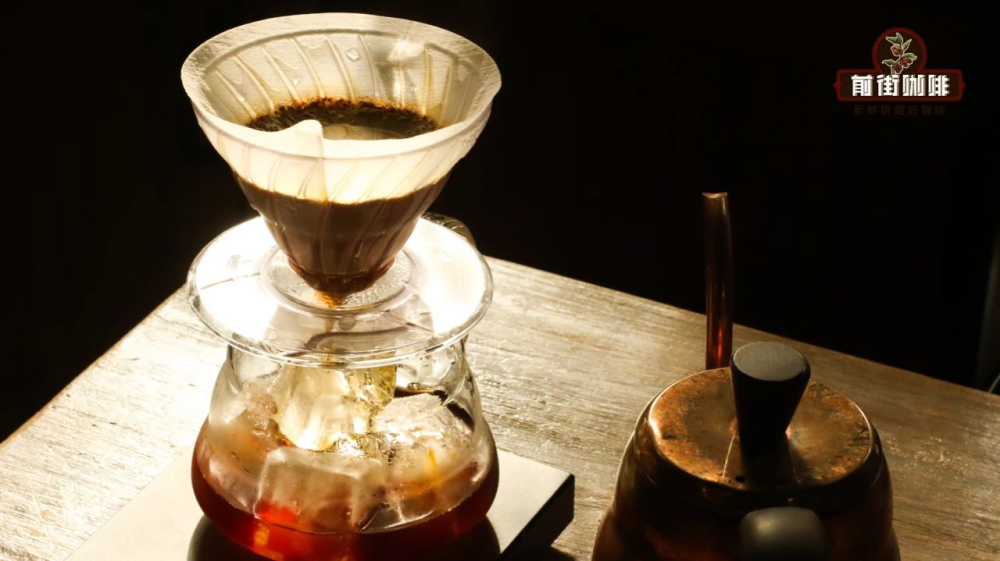
Making cold brew is actually quite simple—you only need fresh coffee beans, a grinder, and an airtight container to get started. But if you want to achieve ideal flavor, there are still some key details worth paying attention to.
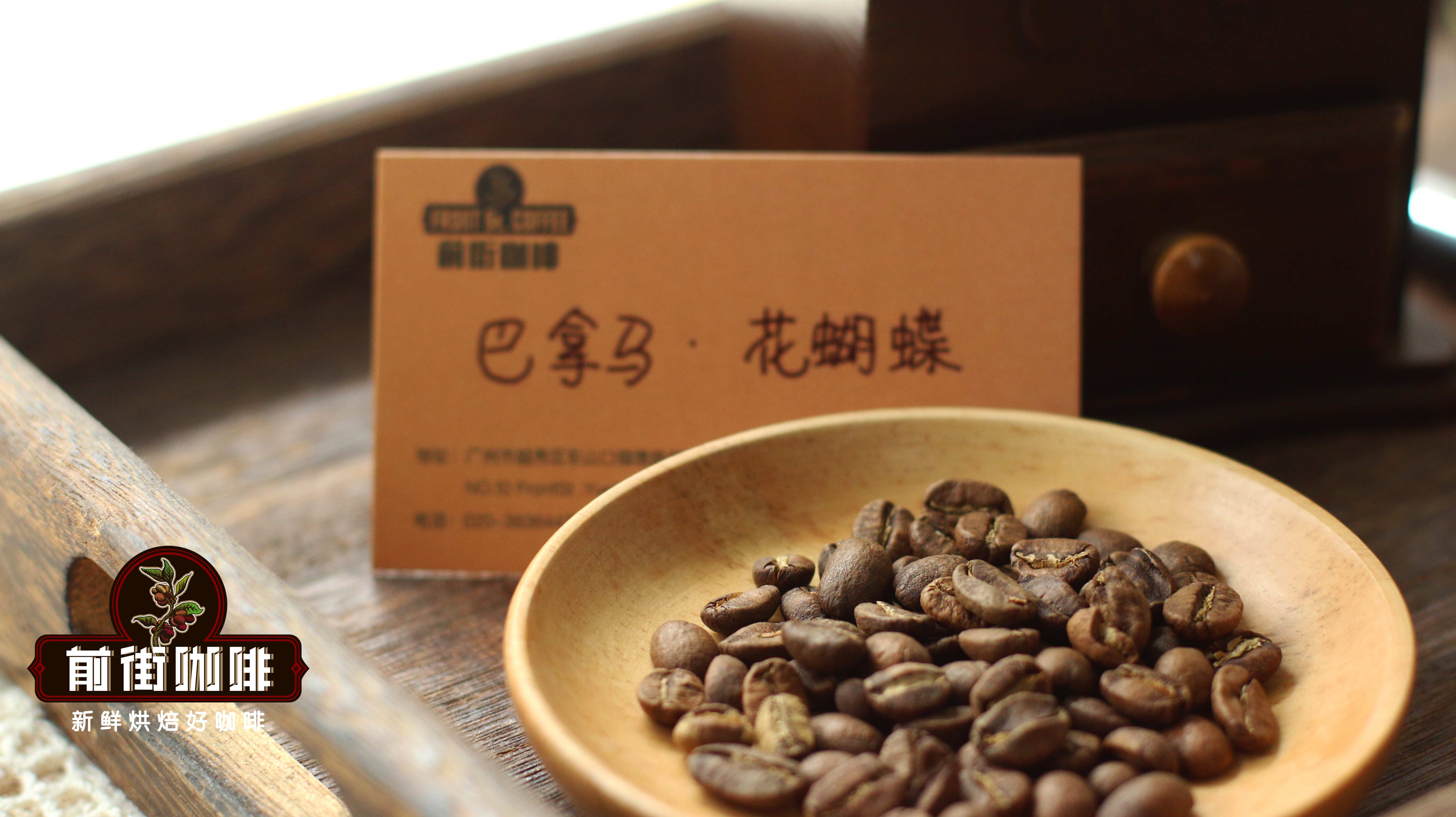
First, the choice of coffee beans is crucial. It is recommended to select freshly roasted beans within 4–7 days of roasting, a period considered the flavor “golden window” that maximizes aroma and complexity. For cold brew characteristics, three types of beans are recommended: first is Panama Geisha (Flower Dance), where volcanic soil produces distinct floral and citrus notes, and after cold brew it presents a refreshing sweet-tartness like pomelo green tea; second is Honduras Sherry Cask beans, which undergo fermentation in whiskey barrels, bringing rich vanilla, cream, and wine aromas, with cold brew enhancing the winey notes and honey-like sweetness; third is natural-processed Ethiopian Hambela, where high-sugar coffee cherries are sun-fermented, transforming fruity sweetness into vibrant acids like berries and passionfruit, and after cold brew the finish is as smooth as black tea.
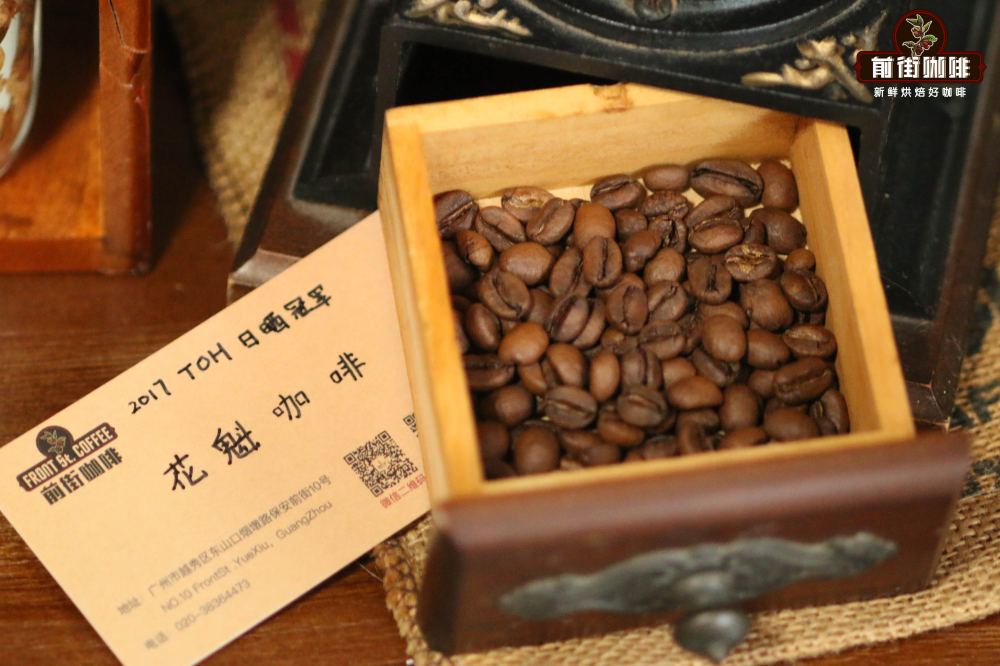
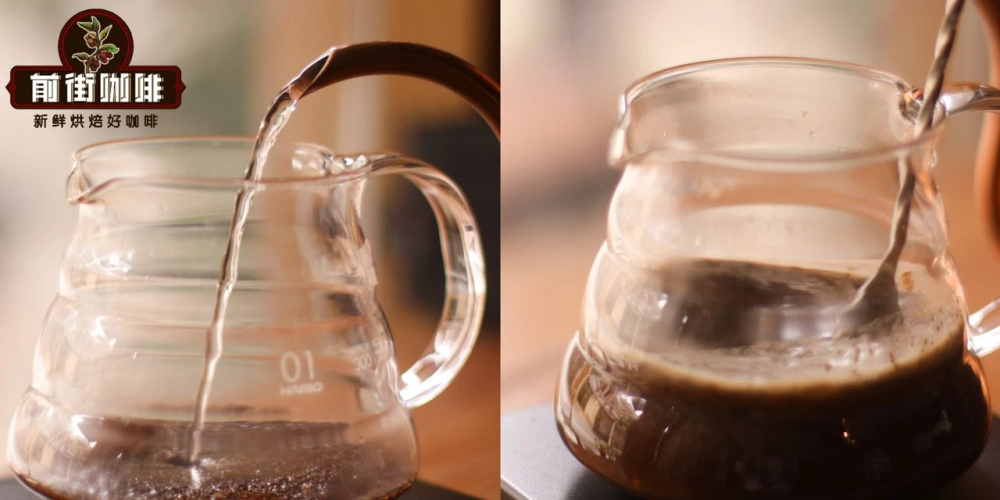
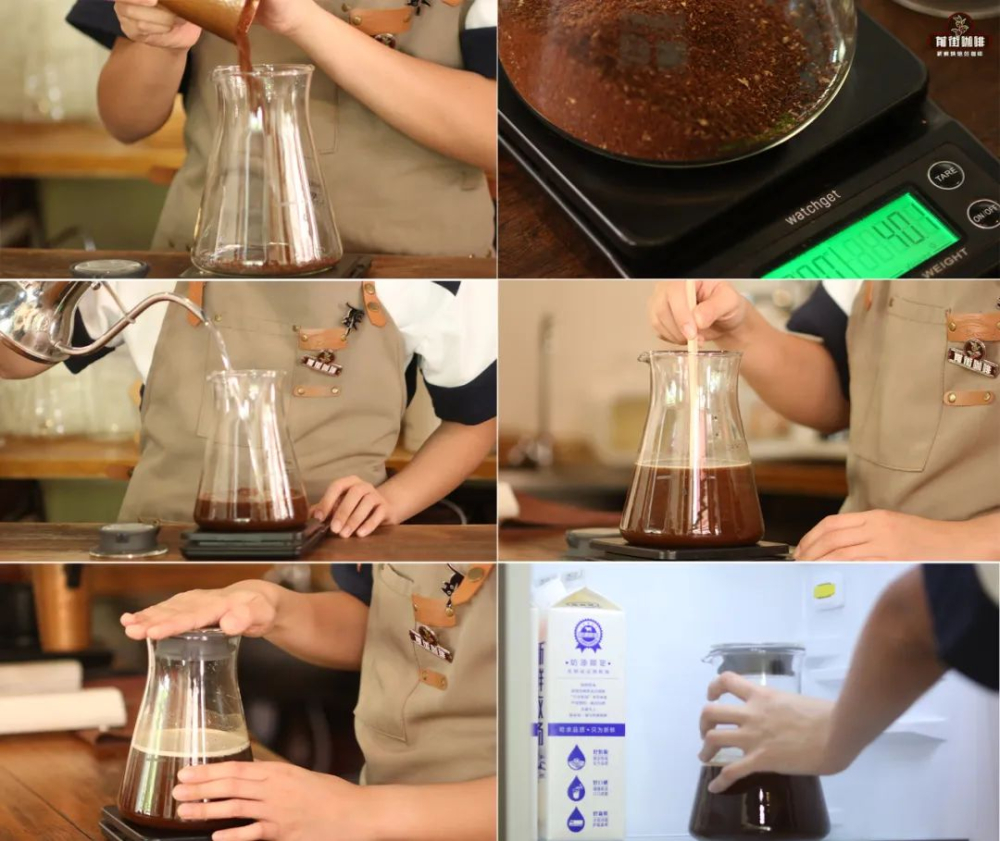
In terms of grind size, it is recommended to be slightly finer than for pour over, roughly around 85% passing through a standard #20 sieve, to increase surface contact. The suggested coffee-to-water ratio is 1:10 to 1:12. Once completed, it can be consumed directly or adjusted with ice cubes to taste. Steeping time is generally 12–14 hours, so it’s advisable to prepare the night before and enjoy it the next morning. Soaking for too long (e.g., exceeding 24 hours) can lead to over-extraction, producing unpleasant bitter and astringent off-flavors, which should be noted. For storage, it is recommended to use a well-sealed container to prevent the coffee flavor from being affected by other food odors in the refrigerator.
The above content is compiled by CoffeeHunters, a coffee news website.


