








Introduction:Want to easily make a refreshing, non-bitter cold brew coffee at home? This article explains the principles of cold brew, the ideal grind size and coffee-to-water ratio, recommends several medium to light roasted beans that highlight sweet and acidic layers, and details the correct low-temperature brewing time, filtration methods, and how many days the finished coffee can be stored. Whether you’re new to coffee or looking to improve your home brewing quality, you’ll find practical tips here.
On hot summer days, a cool and smooth cup of coffee becomes the go-to pick-me-up for many. Cold brew coffee, with its unique brewing method, delivers a low-bitterness, high-clarity flavor experience, making it a popular choice for summer beverages. Compared to traditional hot brewing techniques, cold brew uses long-term low-temperature steeping to slowly extract aromatic compounds from the coffee while effectively suppressing the sharp bitterness caused by over-extraction.
Cold brew coffee is a type of immersion brewing.Although it uses cold water just like the well-known cold drip coffee, the former relies on static steeping, while the latter involves ice water dripping drop by drop through the coffee grounds. This difference makes cold brew more equipment-friendly—you only need an airtight container to get started.

What makes cold brew unique is its choice of coffee roast level. Since low temperatures struggle to extract large molecular flavor compounds, choosing a medium to dark roast may result in a flat and unlayered cup. It’s recommended to go for medium-light to medium roasted beans, which often exhibit bright acidity and sweetness, complementing the cold brew method to bring out richer fruitiness and a softer finish.
For example, an Ethiopian Sidamo Huakui coffee bean, processed with a medium-light roast, carries a rich berry character. After cold brewing, it shows a balanced sweet-tart profile reminiscent of mixed berry juice, along with subtle fermented wine notes and a black tea-like finish.Another option is a Honduran sherry coffee bean, processed through wine barrel fermentation and medium roasted. After cold brewing, it releases the rich aroma of sherry, blending with vanilla cream sweetness and a nutty chocolate finish, delivering a smooth mouthfeel with distinct layers.
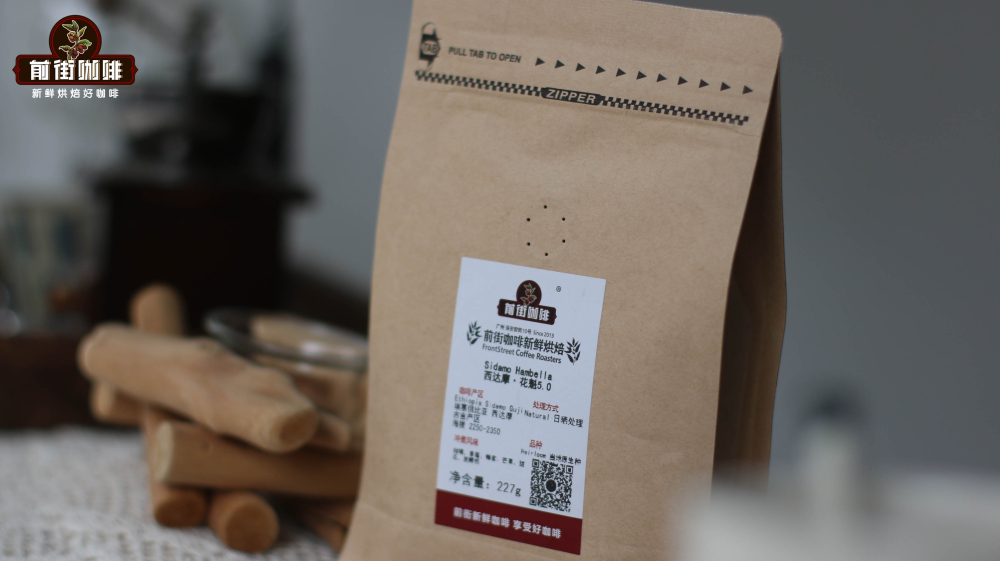
Making cold brew coffee at home is actually very simple—no expensive equipment or complicated steps needed. First, prepare a clean, airtight container and grind the coffee beans to a pour over level, about as coarse as granulated sugar. If you don’t have a grinder, you can ask a professional shop to grind it for you. It’s best to use freshly roasted coffee beans to ensure optimal flavor.
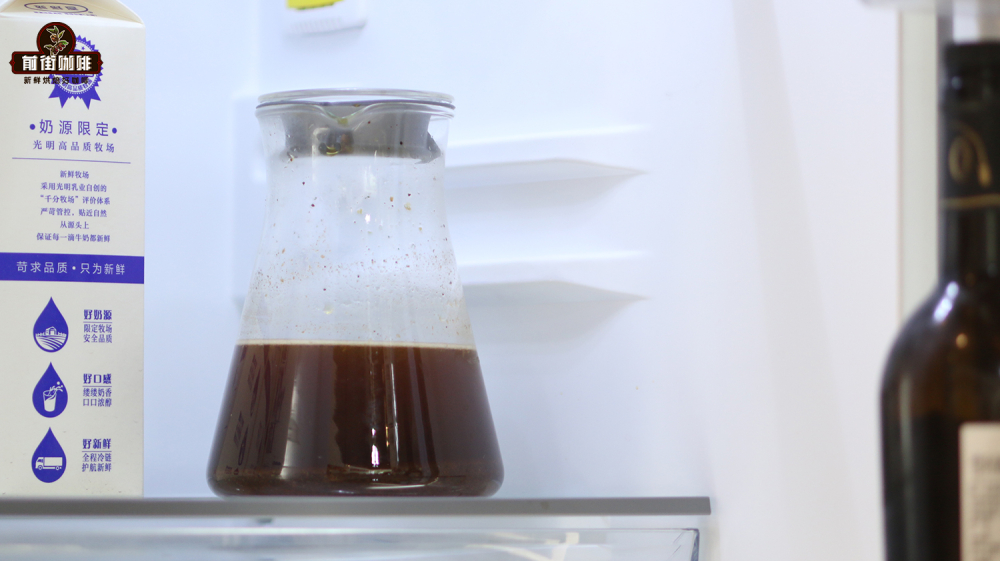
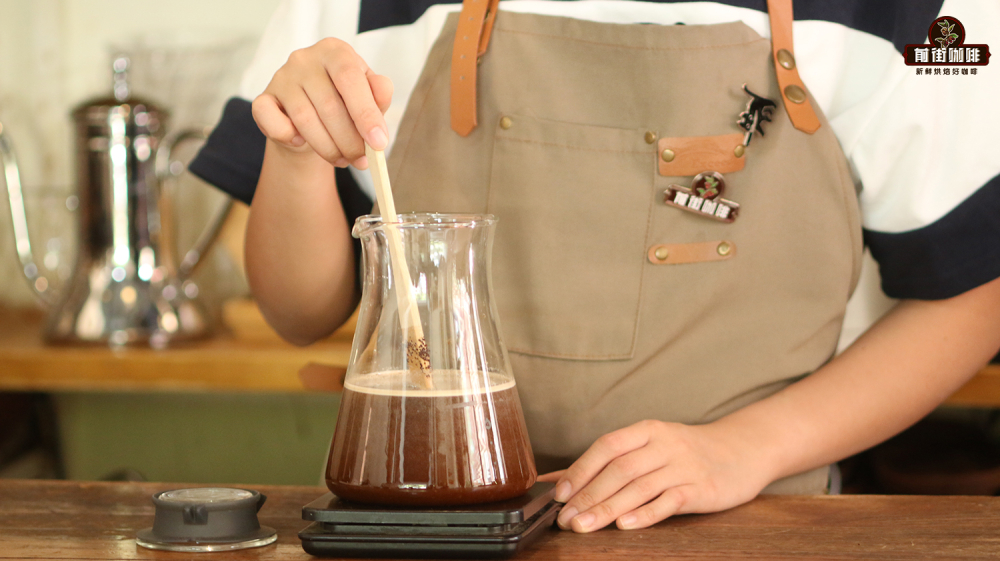
The standard coffee-to-water ratio is 40 grams of coffee to 520 milliliters of water, roughly a 1:13 ratio, which can be adjusted to personal taste. Stir the coffee grounds thoroughly with room temperature or cold water, then tightly seal the lid and place it in the refrigerator to steep for 8 to 12 hours. During this time, the coffee grounds will slowly release their essence, forming the unique cold brew flavor.
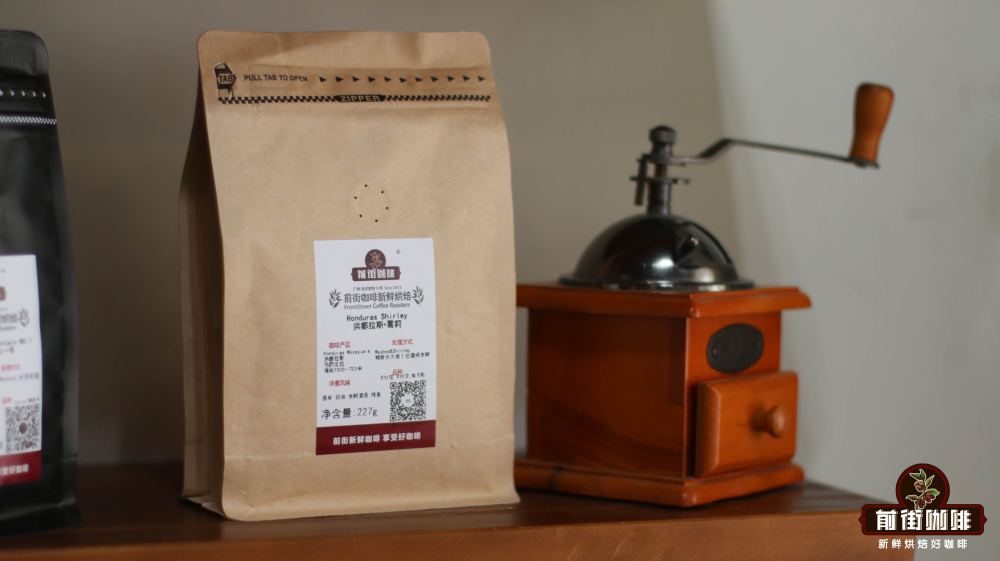
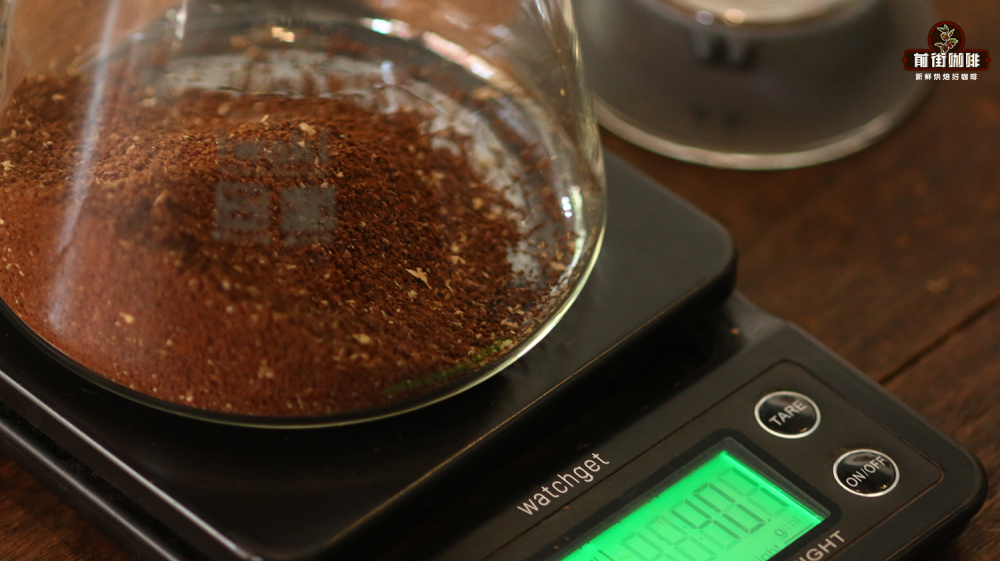
Once the time is up, filter the coffee liquid through a pour over filter cone and paper, or use a fine mesh sieve to remove the grounds—the cold brew is now complete. This process is simple and beginner-friendly, with a high tolerance for errors. Even first-timers can easily produce satisfying results. After filtering, it’s recommended to store the coffee liquid in a sealed container and refrigerate it, where it will maintain its fresh flavor for about 72 hours.
It’s worth noting that cold brew is not recommended for brewing at room temperature. A low-temperature environment not only helps control extraction speed and avoids releasing too much bitterness, but also maintains the purity of the coffee’s flavor. Therefore, the entire cold steeping process must be done in the refrigerator to ensure the best extraction results and flavor expression.
The above content is compiled by CoffeeHunters, a coffee news website.


