








Introduction:In recent years, making cold drip and cold brew coffee at home has become a popular new choice among many coffee enthusiasts. These two low-temperature extraction methods not only highlight the delicate flavors of coffee beans but also showcase refreshing layers of acidity and sweetness. This article will provide a detailed analysis of the differences in equipment required for cold drip and cold brew, the correct brewing process, storage recommendations, optimal drinking timing, and include practical tips to help you improve your homemade quality — allowing you to easily master the essence of cold-brewed coffee.
Cold Drip vs. Cold Brew: Both Low-Temperature Extractions, Yet Distinctly Unique
Both cold drip and cold brew are low-temperature extraction techniques, typically maintaining an extraction temperature between 0 to 7°C, which helps reduce the release of large molecular bitter and astringent substances. The main difference lies in the extraction method: cold brew is usually made by steeping (similar to a French press), while cold drip involves controlled dripping through a slow water flow rate (akin to the drip filtration principle of pour over). This difference results in cold brew having a generally more balanced flavor profile, whereas cold drip often exhibits a more distinct layering effect.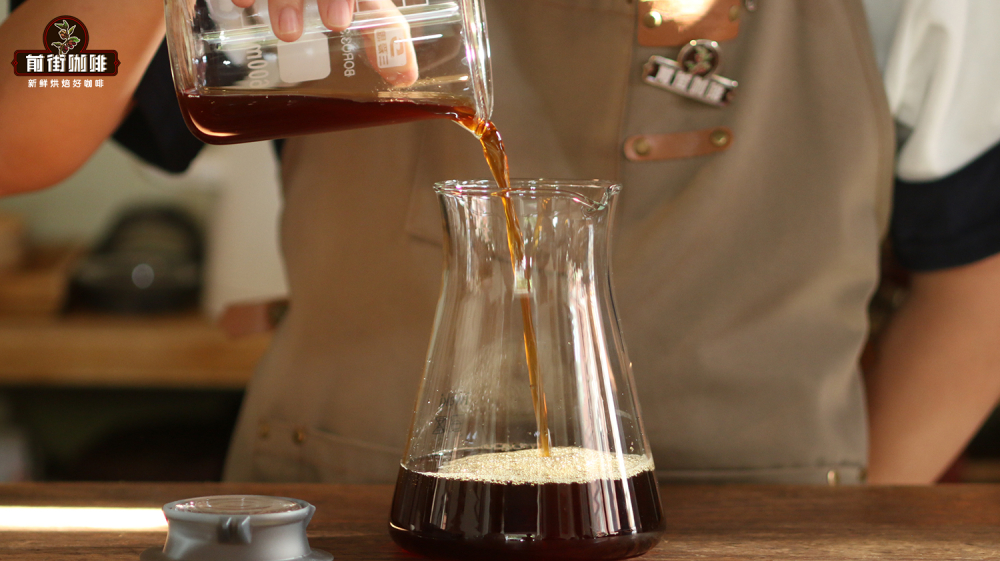
The Unique Charm of Low-Temperature Extraction
The greatest advantage of low-temperature extraction lies in its relatively low extraction efficiency, which can suppress some undesirable impurities and over-extracted flavors, such as excessive bitterness and astringency. As a result, cold drip coffee often has a fresh, sweet-and-sour tone, making it suitable for drinkers who prefer a clean and refreshing taste.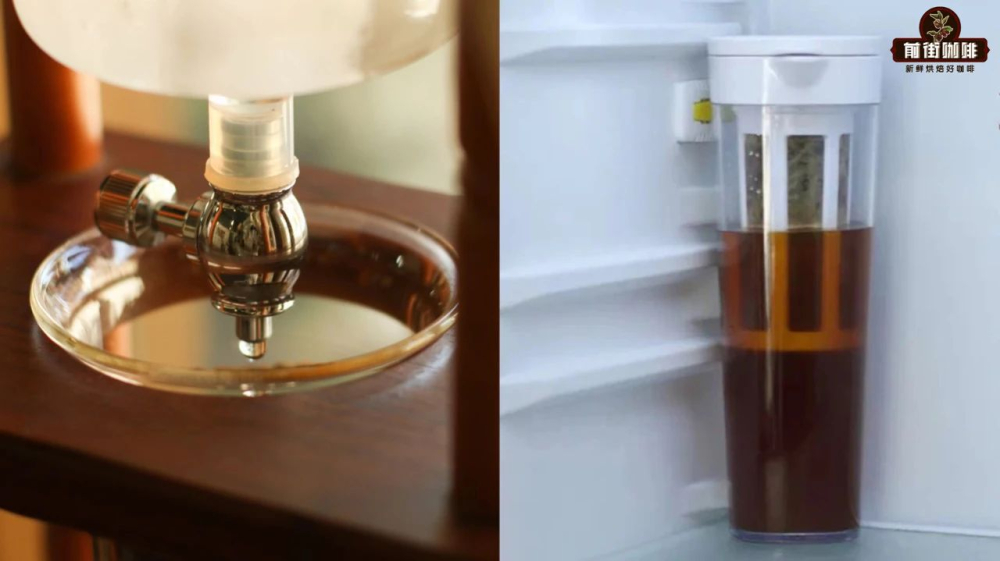
How to Choose Brewing Equipment? What Can Be Substituted?
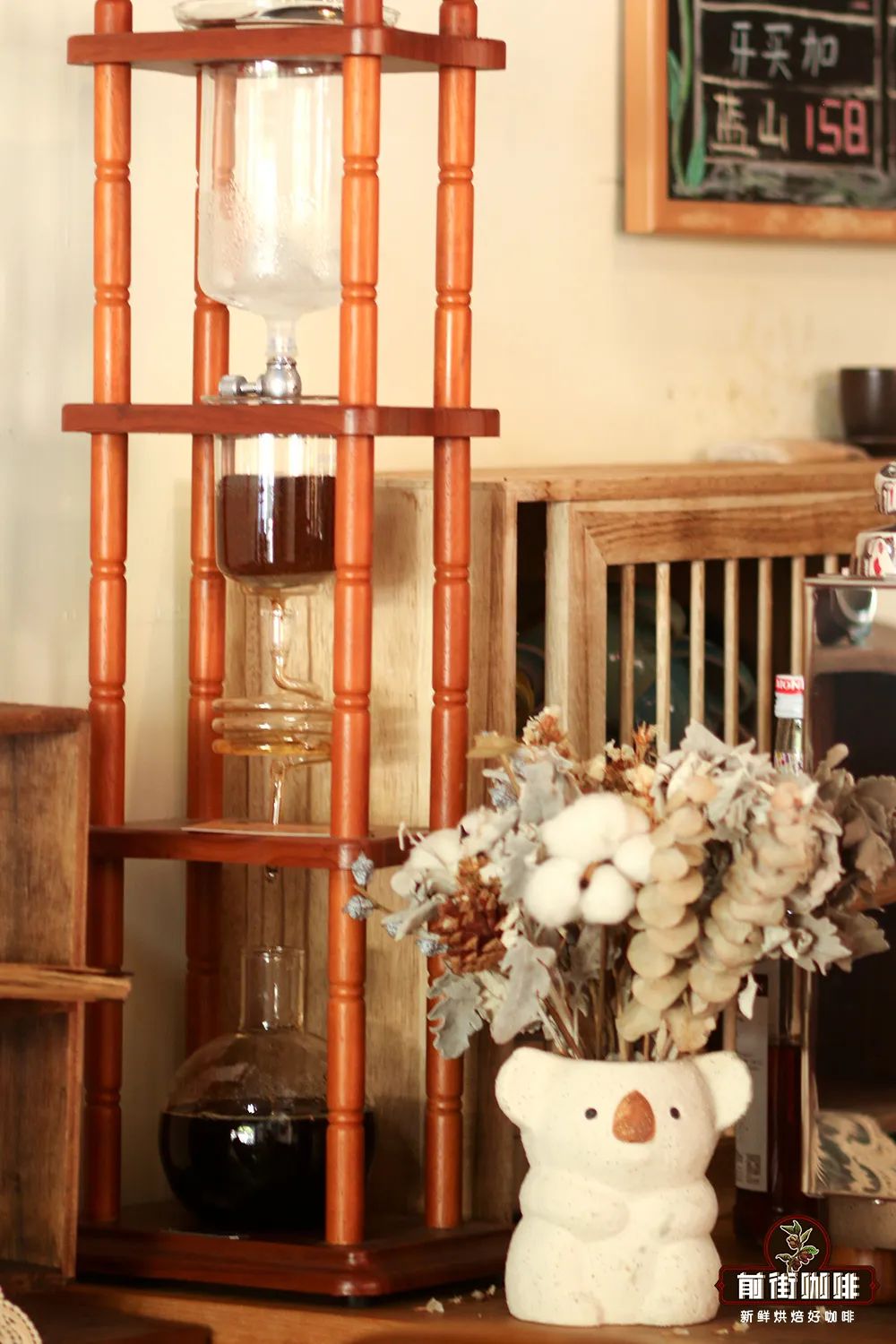
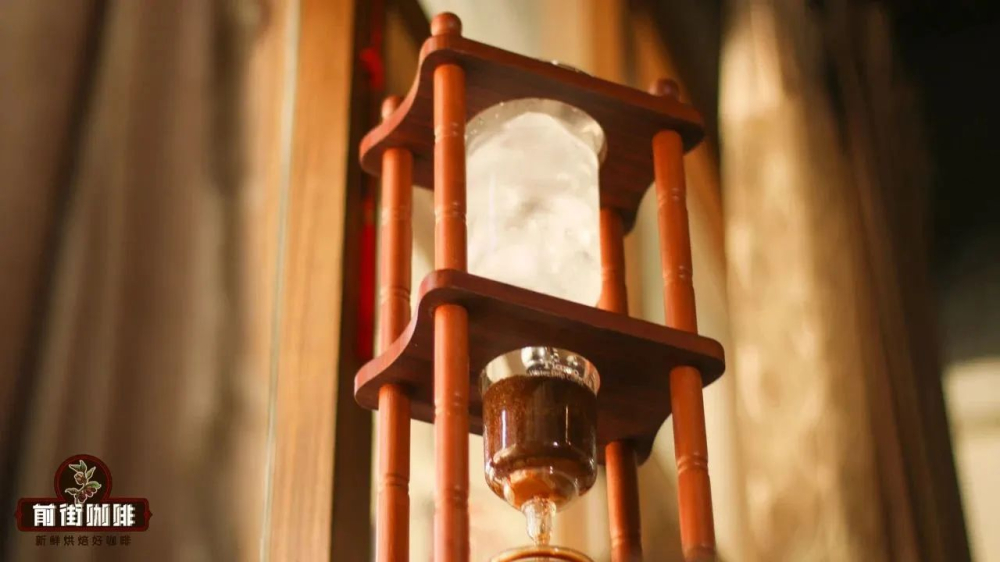
Cold brew coffee has lower equipment requirements — using just a clean, sealable container is sufficient for basic preparation. For more precise flavor control, a dedicated cold brew maker can be chosen. In contrast, cold drip coffee requires control over drip speed and layered collection, so it's recommended to use a professional cold drip brewer. There are few affordable alternatives on the market that can fully replace these. Additionally, the cold drip process relies heavily on a stable supply of ice water and a control valve, making it more dependent on specialized equipment.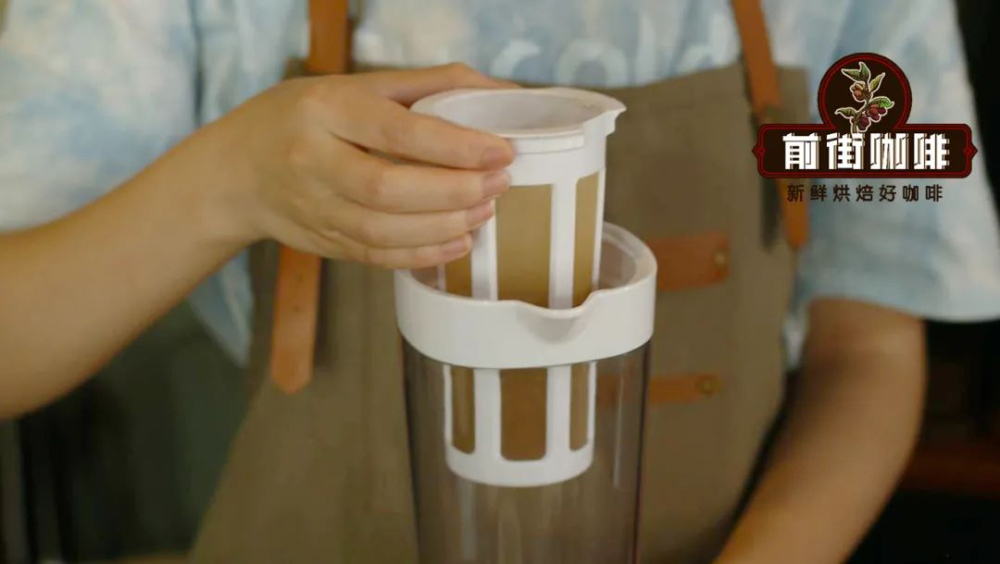 、
Coffee Bean Selection: Pair According to Flavor Preference
Different coffee beans with varying flavor profiles will exhibit different characteristics during cold drip and cold brew. If you enjoy fruity acidity and sweetness, choose beans with prominent fruity notes; for those preferring a balanced taste, opt for neutral beans that offer a well-rounded mix of acidity, sweetness, bitterness, and body; if you lean toward the rich and bold flavors of dark roast, go for traditional mellow varieties such as Indonesian or Mandheling types.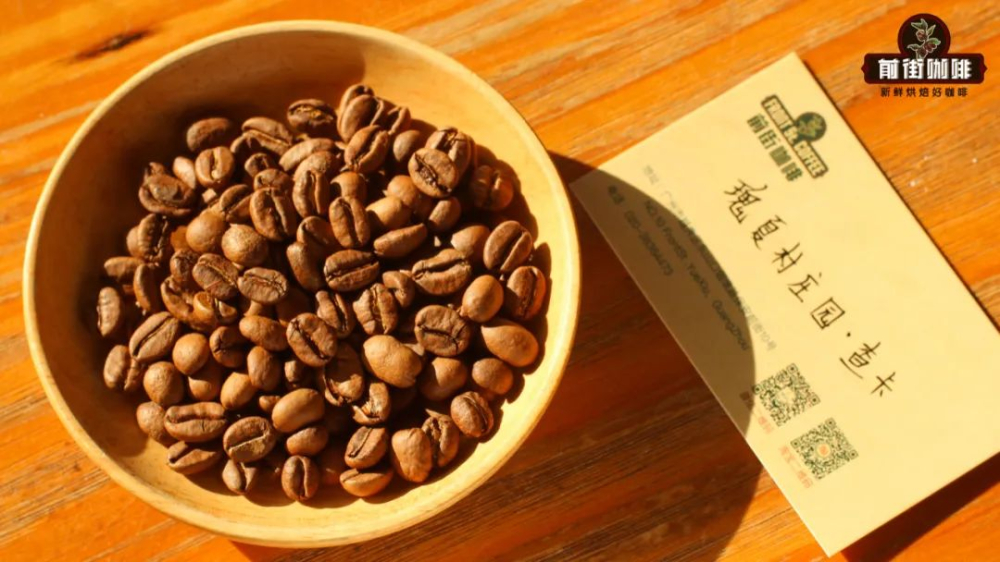
Why Is It Recommended to Wait a Night Before Drinking Cold Drip Coffee?
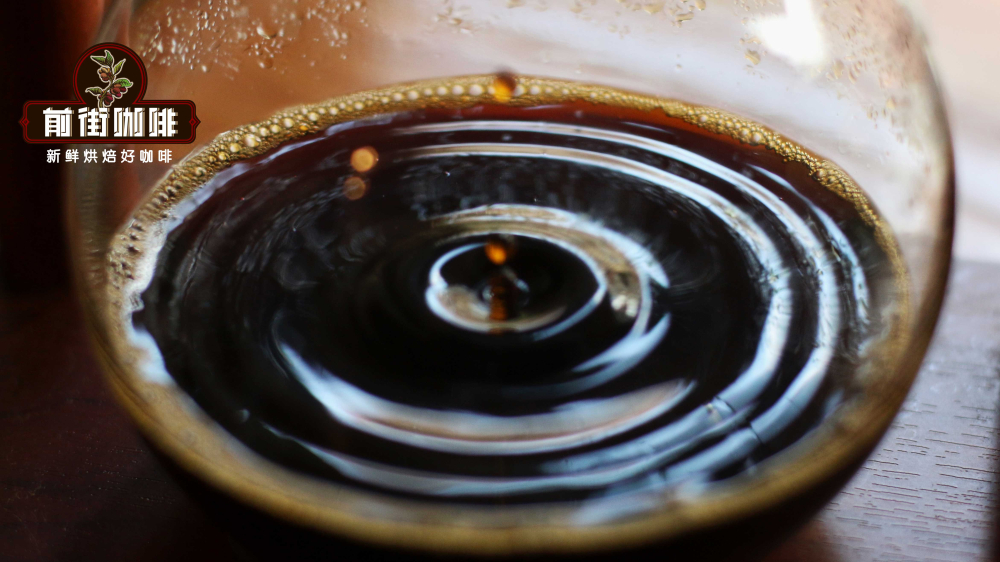
Although cold drip coffee can be consumed right after brewing, its flavor is usually better after being refrigerated and left to rest for 10–12 hours. Freshly dripped cold drip coffee often shows obvious layering (denser at the bottom, lighter at the top) and initially highlights only the mid-to-front characteristics of the beans. Pouring it into a sealed glass bottle and refrigerating it allows the flavors to blend evenly, and the cool environment may produce subtle fermentation effects, resulting in a richer aroma profile — such as slight fermented notes and a fuller aftertaste.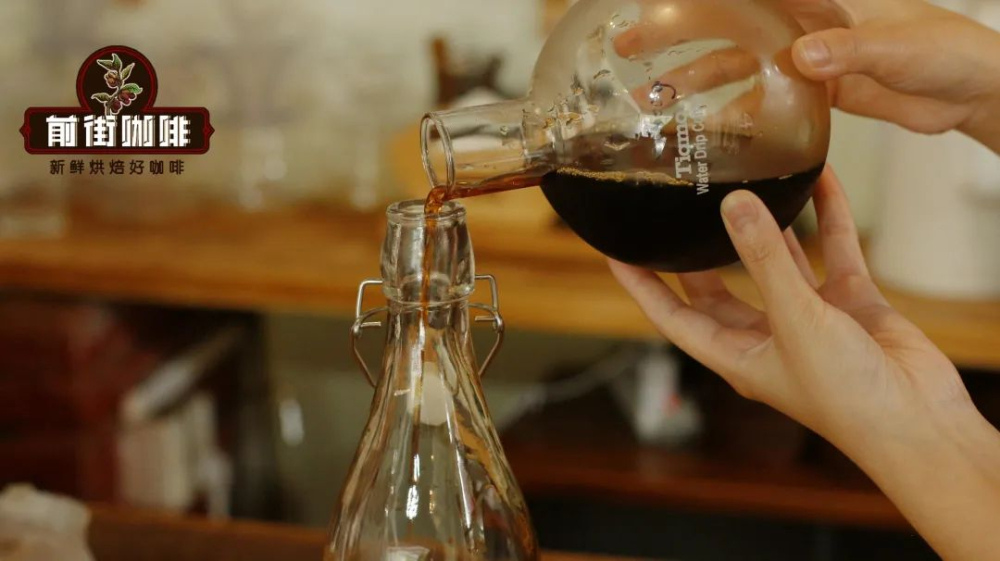 、
Shelf Life Recommendations for Cold Brew and Cold Drip Coffee
Low-temperature brewed coffee has a longer enjoyment period compared to coffee brewed at room temperature. Generally, cold drip coffee reaches peak flavor after 12 hours of refrigeration and is best consumed within 5 days to ensure optimal taste and food safety. For cold brew, it’s recommended to filter out the grounds and let it refrigerate for 4 hours before consumption for the best flavor, typically keeping for about 7 days. However, as time goes on, fermentation flavors may gradually overpower the original coffee aroma, so it’s advisable to enjoy it sooner rather than later.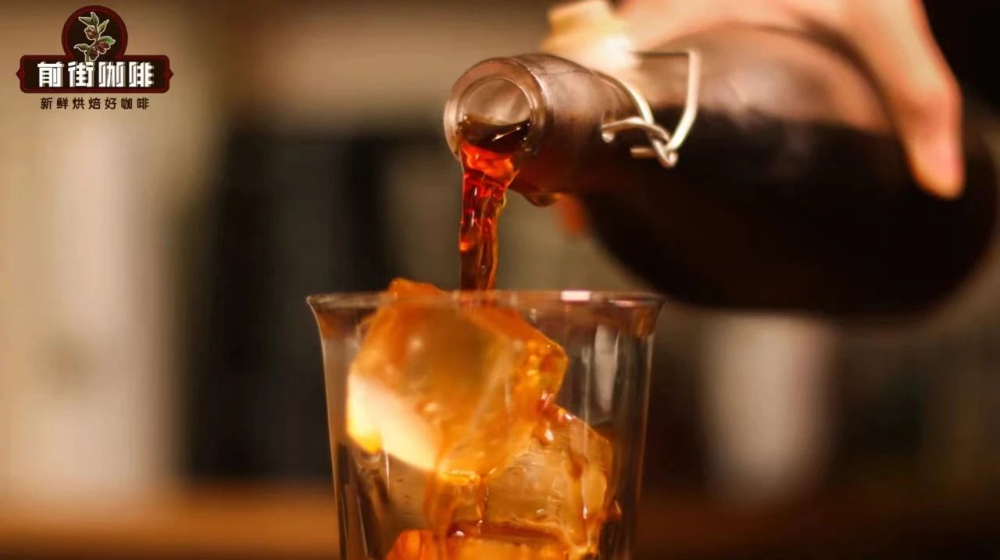
Quick Reminder: Watch for Signs of Spoilage
If your coffee shows obvious sour or rancid odors, unusual flavors, or has unidentifiable foam on the surface, it may have gone bad — it’s best to avoid drinking it. Proper storage and attention to shelf life will allow you to continue enjoying the unique charm of cold drip and cold brew coffee.
The above content is compiled by CoffeeHunters, a coffee news website.


