







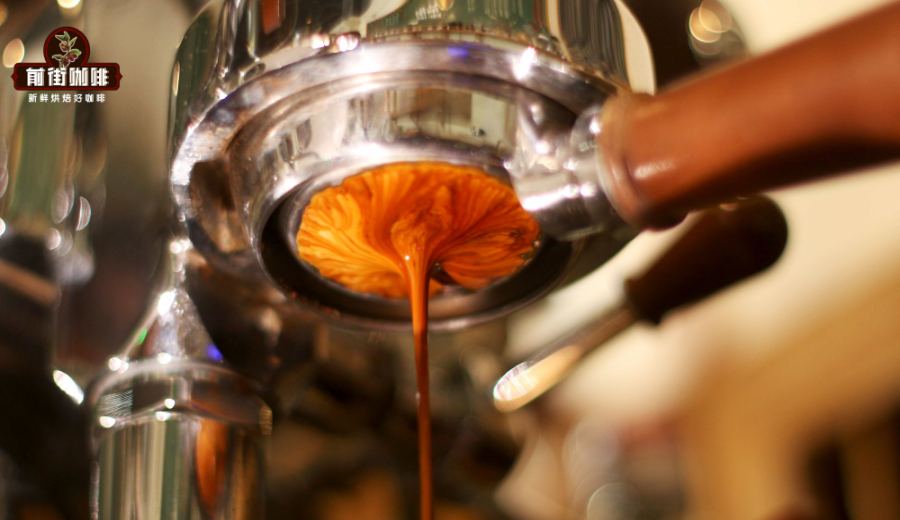
Introduction:Espresso is not only the soul of coffee shops but also the starting point for coffee enthusiasts worldwide. From classic shots to creative Dirty drinks, each beverage has its unique extraction logic and flavor profile. This article delves into the definitions, historical backgrounds, and practical brewing parameters of ten common espresso-based drinks, including precise coffee dosage, milk ratios, and cup volume recommendations. It also covers key techniques such as latte art and layering, helping you master comprehensive knowledge from basics to advanced levels—whether you’re recreating these drinks at home or interpreting menu items.
Espresso plays a staple role on coffee shop menus, but its richness goes far beyond imagination. Beyond the common Americano and latte, there are many more artisanal variations. Below, we’ll detail ten classic espresso drinks, from the foundational shot to creative styles, covering definitions, origins, and key brewing parameters, along with practical ratio suggestions and operational tips to help you deeply understand the uniqueness of each drink.
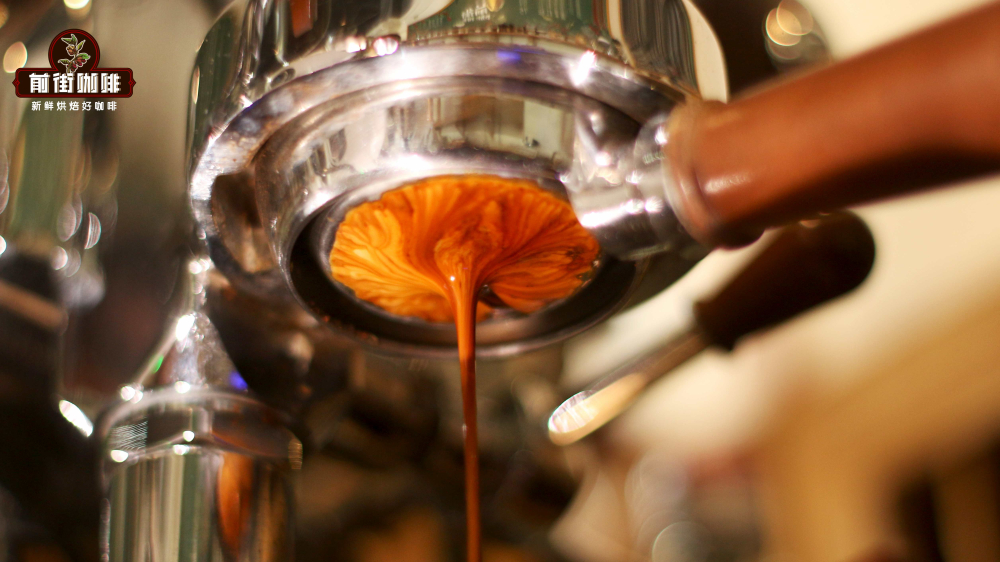
① Espresso: The Starting Point
Espresso is a concentrated extract made by forcing nearly boiling water under about 9 atmospheres of pressure through finely-ground coffee. A well-known coffee brand typically uses a base of 20 grams of coffee grounds to produce around 40 grams of espresso, topped with a layer of delicate crema (coffee foam), delivering a rich, aromatic flavor with a caramel-like finish. If this base isn’t extracted well, it will directly affect the performance of other espresso-based drinks.
② Americano: The Refreshing Version of Espresso
An Americano is made by diluting espresso with hot water. Legend has it that its origin is related to the WWII-era habit of American soldiers diluting espresso with water. A well-known coffee brand’s hot Americano ratio is 40 grams of espresso to 180 ml of hot water, totaling 220 ml, with a ratio of about 1:4.5. The flavor is mellower than espresso and pairs well with desserts.
③ Latte: The Balance of Milk and Coffee
Latte means "milk" in Italian, and a latte is made with a double shot of espresso (40 grams) as the base, paired with 260 grams of milk and about 1 cm of milk foam, allowing for beautiful latte art. The sweetness of the milk and the richness of the coffee blend perfectly here.
④ Cappuccino: The Classic with Thick Foam
Originating in Italy, the cappuccino’s name is linked to the Capuchin friars and their habits. Compared to a latte, a cappuccino has thicker, fluffier foam. The traditional ratio is 1:1:1 (espresso:milk:foam), emphasizing harmony between the coffee and foam. A well-known coffee brand uses a 180 ml tulip cup, pouring the espresso first and then adding the fluffy foam.
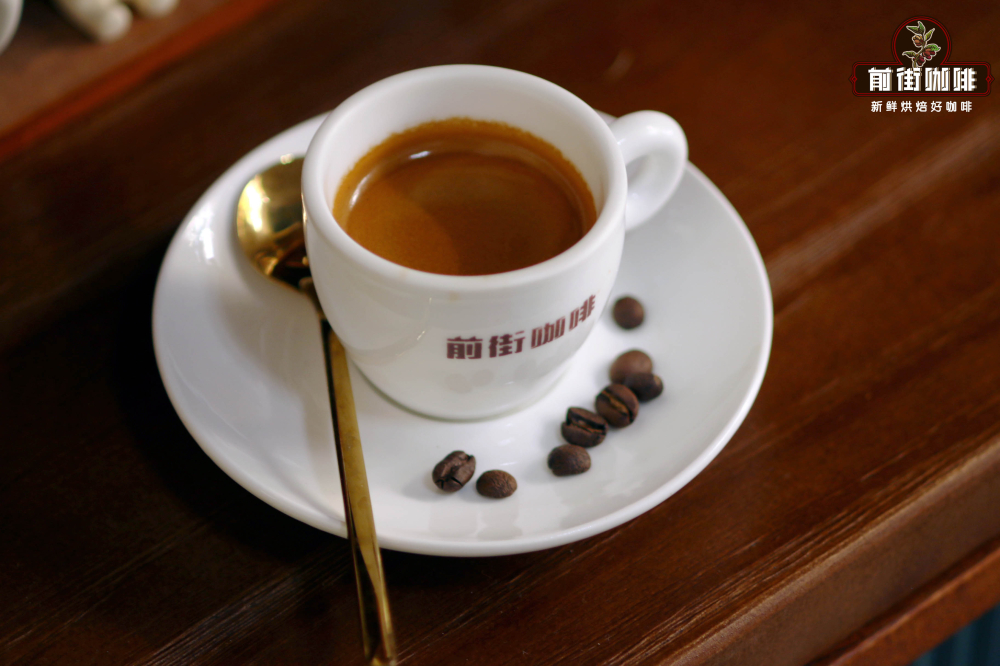
⑤ Flat White: Amplifying the Espresso Flavor
Originating in Australia, the flat white highlights the intense coffee flavor with a smaller cup size and less milk. A well-known coffee brand’s standard is a 220 ml glass, using 30 grams of espresso, paired with 190 ml of milk and about 0.5 cm of thin foam, available only as a hot drink.
⑥ Mocha: The Encounter of Chocolate and Coffee
The mocha combines coffee, milk, and chocolate, with variations including white mocha and zebra mocha. A well-known coffee brand’s formula is 40 grams of espresso, 20 grams of chocolate syrup, and 260 grams of hot milk, creating a sweet yet not overly heavy flavor.
⑦ Dirty: The Visual Drama of Ice and Heat
A dirty coffee is served in a glass, utilizing the temperature difference between hot espresso and cold milk to create a layered effect. A well-known coffee brand uses 150 grams of ice milk and 40 grams of espresso. The key is to position the spout about 1 cm above the liquid surface, allowing the espresso to slowly float on top of the milk, creating a “dirty” visual and a contrast of hot and cold textures.
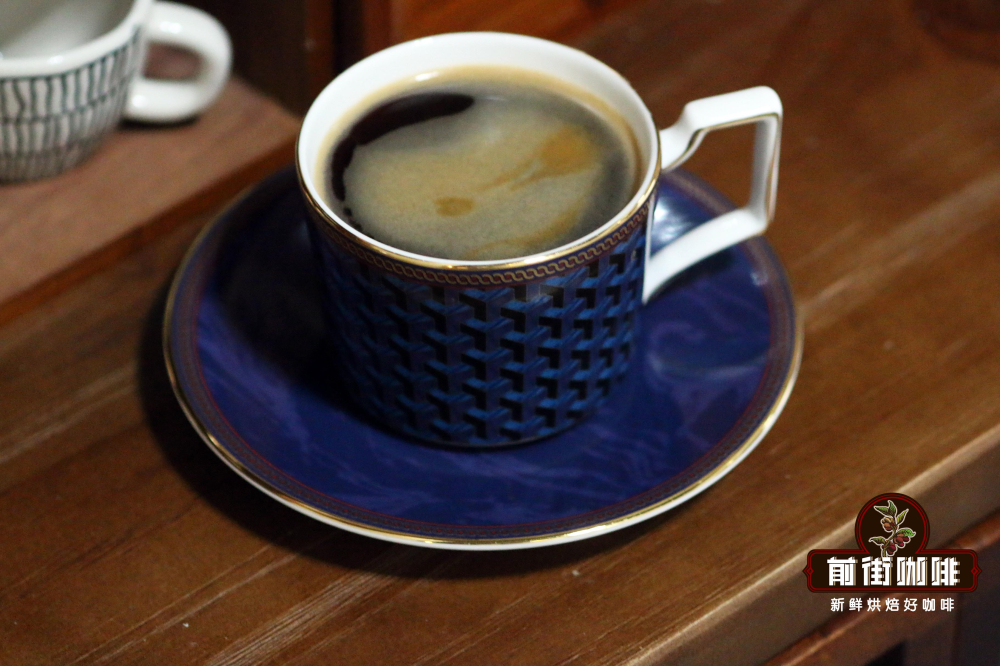
⑧ Macchiato: The Milk Foam Mark on Espresso
Macchiato means “mark” and originated from the Italian baristas’ creativity of marking espresso with a dollop of foam. A well-known coffee brand’s macchiato is made with 40 grams of espresso and a spoonful of delicate foam, simple yet showcasing the true flavor of the espresso.
⑨ Affogato: A Summer Pairing of Ice Cream and Coffee
This creative drink features a base of vanilla ice cream topped with a shot of espresso, creating a contrast of hot and cold. Perfect for summer, it offers an instant clash of sweet and bitter flavors.
⑩ Caramel Macchiato: Starbucks’ Sweet and Rich Signature Drink
Although named macchiato, it has little to do with the traditional version. This Starbucks star drink comes in a medium 355 ml size, containing 30 ml of espresso, paired with plenty of milk, foam, vanilla syrup, and caramel, delivering a sweet, rich, and indulgent flavor.
The above content is compiled by CoffeeHunters, a coffee news website.


