








Introduction:Sumatra is a key origin for specialty coffee in Indonesia, renowned for its unique wet-hulling process that creates classic flavors of low acidity and full body. This article delves into the origins of Mandheling, its processing techniques, and five representative bean varieties—including Lintong Mandheling, Golden Mandheling, Tiger Mandheling, Aged Mandheling, and Wahana Natural Mandheling—providing detailed flavor profiles along with practical roasting and brewing recommendations. It serves as an essential guide to understanding Sumatran coffee.
As a major coffee-growing region in Indonesia, Sumatra is celebrated worldwide for its distinctive wet-hulling process and bold flavors. The coffee here is not only known for its low acidity and rich body but also for its diverse aromatic layers, making it a favorite among many serious coffee enthusiasts. From the high-altitude regions of the Lintong mountains to Gayo, each type of Mandheling has its own unique character. This article will comprehensively analyze Sumatra’s main coffee types and processing methods, with a focus on five popular Mandheling bean varieties currently in the market.
The history of coffee cultivation in Sumatra dates back to the 17th century, when it was first introduced by Dutch colonists. Initially planted mainly on Java Island, Sumatra gradually became the representative coffee-producing region of Indonesia over time. Interestingly, although the term “Mandheling” originally referred to an indigenous tribe in Indonesia, it has now become synonymous with high-quality Arabica coffee from Sumatra. The popularity of this name is linked to the post-World War II Japanese market’s preference for coffee from this region, with local green bean trading companies such as PWN (Pwani Coffee Company) playing a key role in successfully promoting Sumatran coffee to the international market.
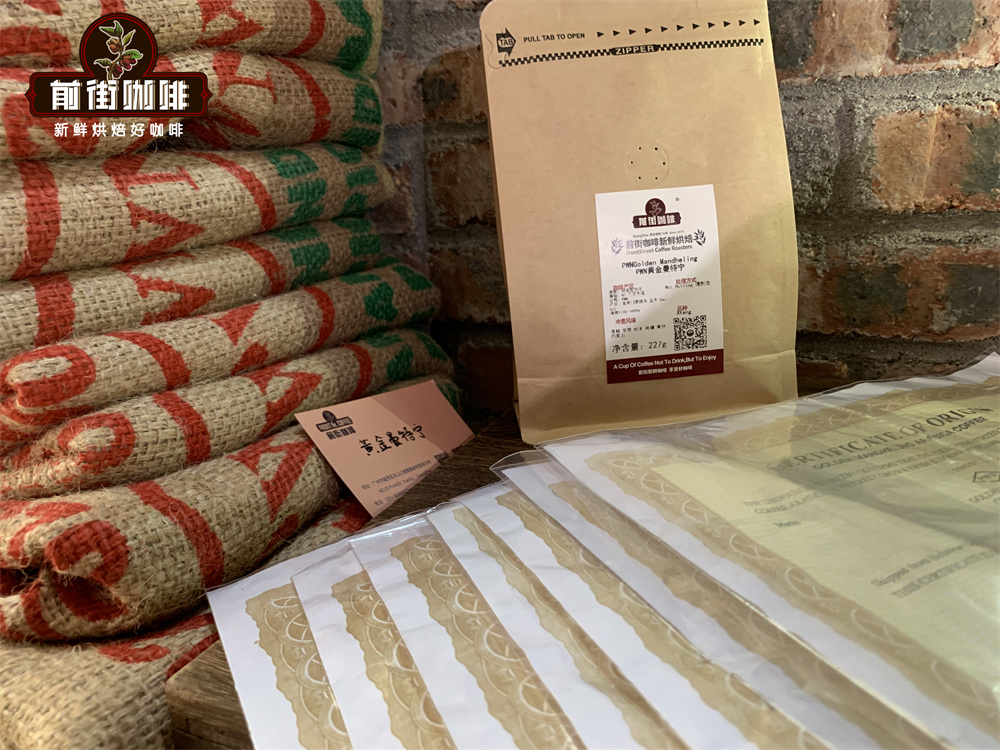
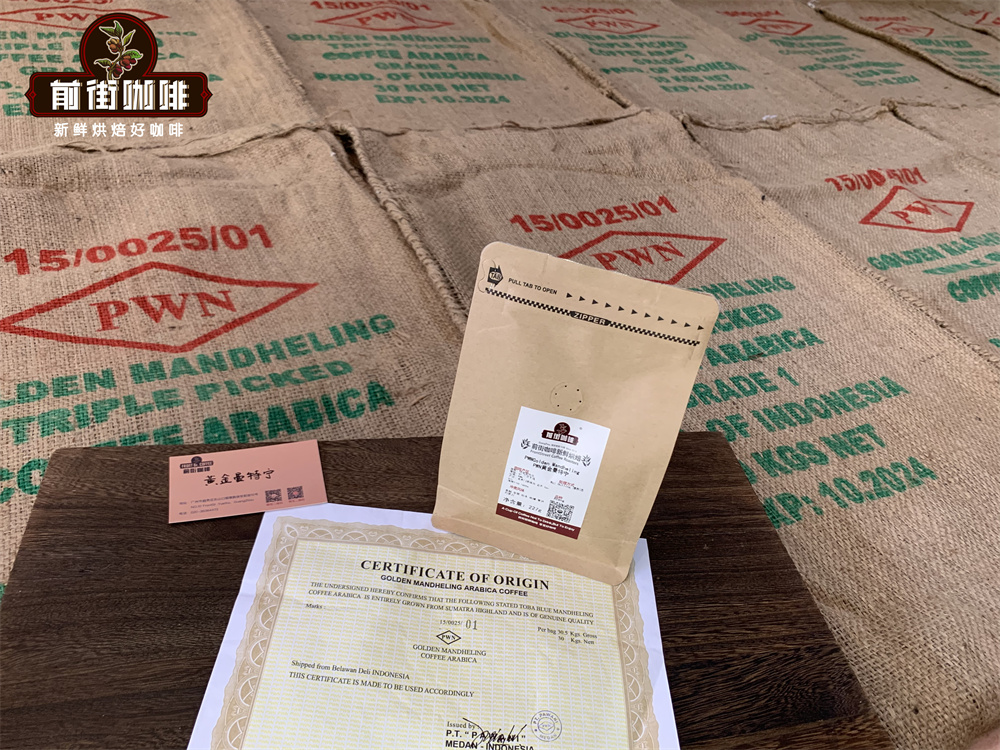
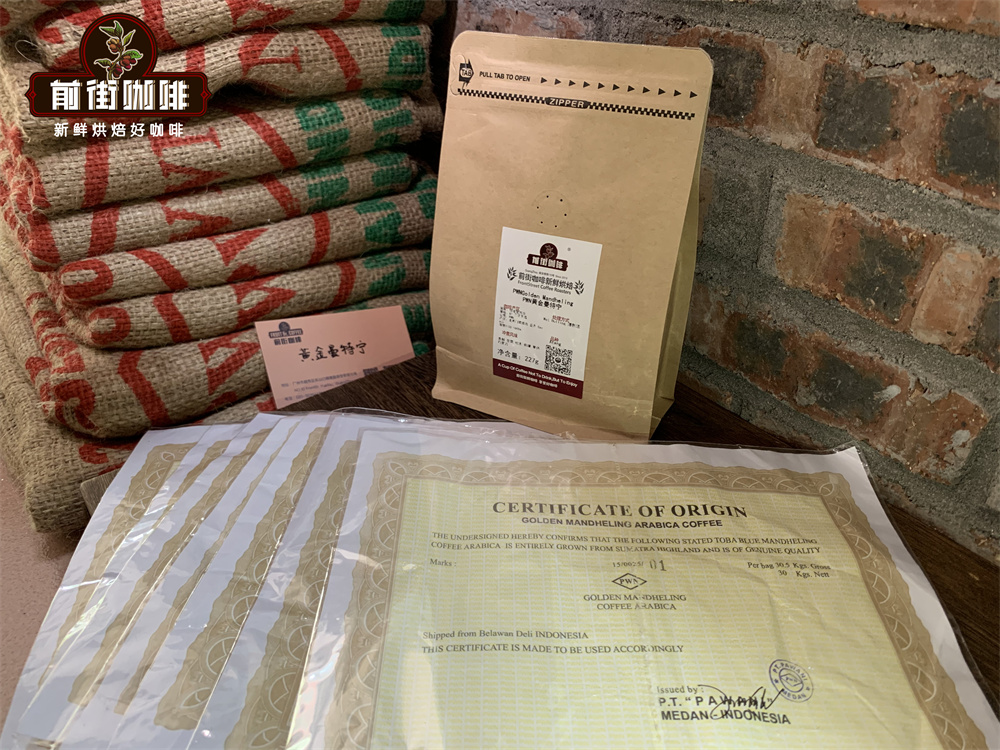
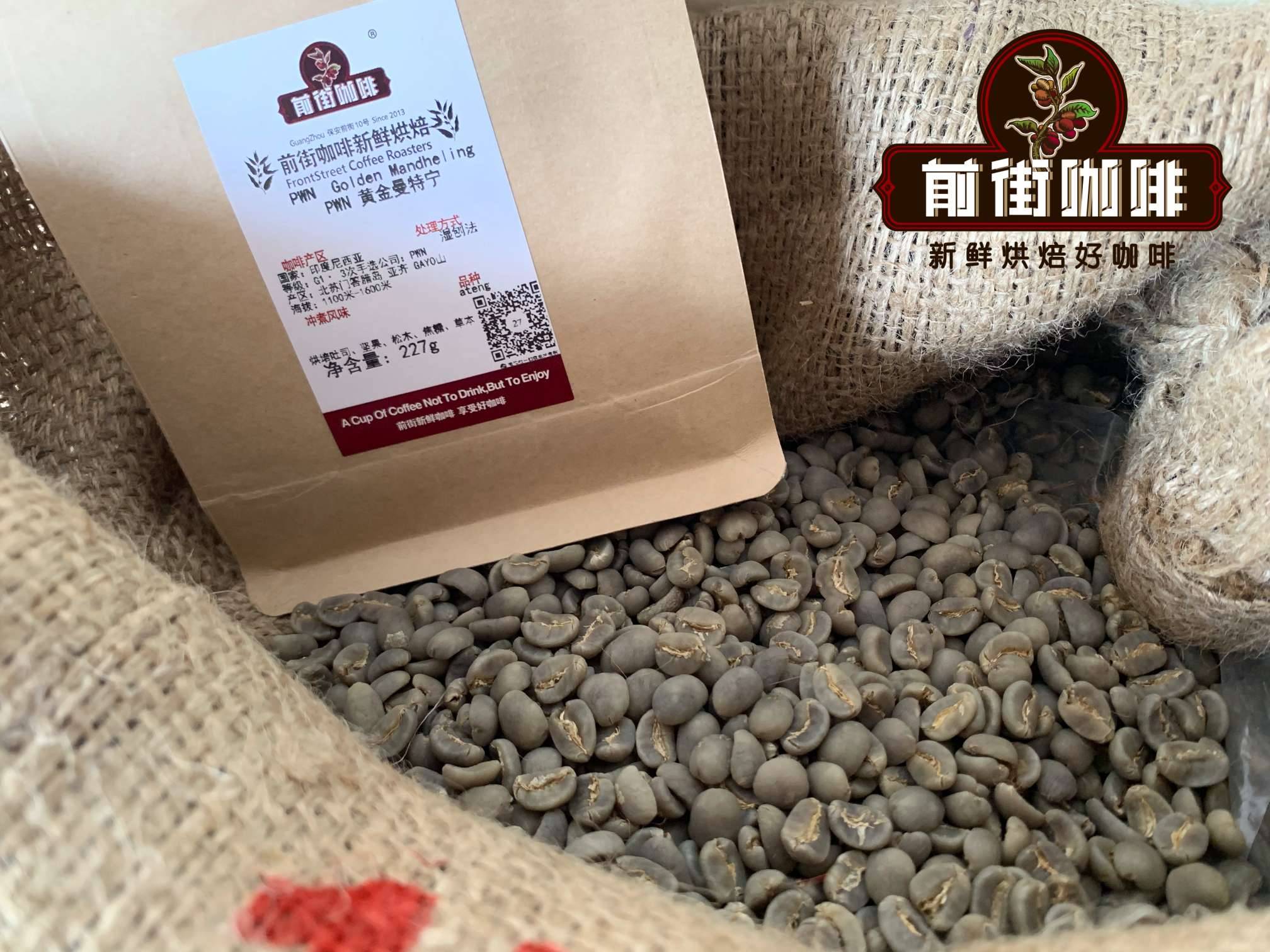
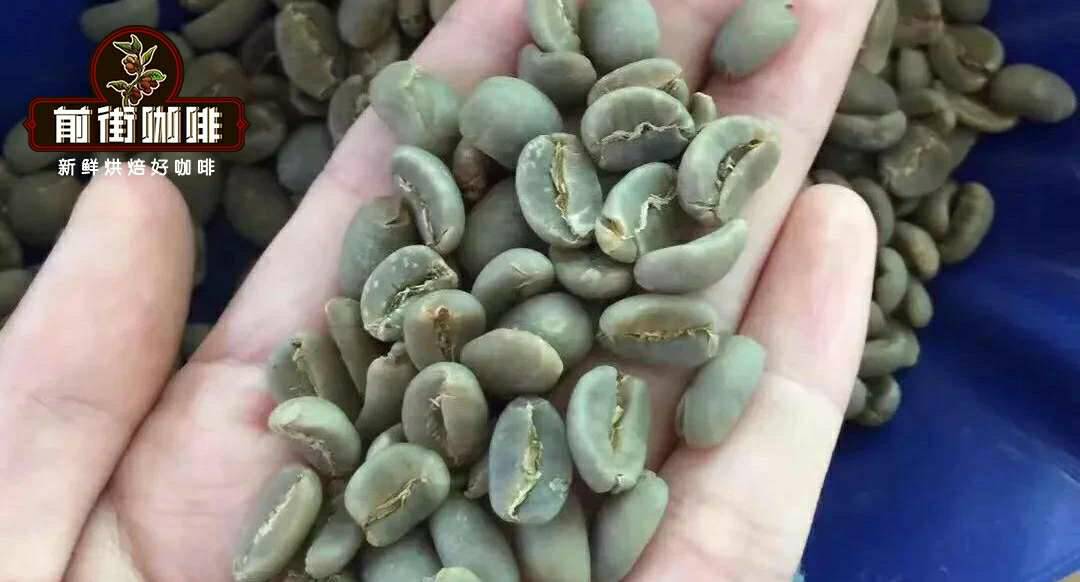
When it comes to Sumatran coffee, “Golden Mandheling” is undoubtedly one of the most representative offerings. This coffee bean is produced in the Lake Tawar region of the Gayo Mountains in northwestern Sumatra and is carefully selected by PWN. Only G1 grade green beans larger than eighteen screens with minimal defects are chosen, and they undergo multiple rounds of manual sorting to ensure uniform size and intact appearance. It is said that these green beans take on a captivating golden hue in sunlight, hence the name “Golden Mandheling.” Its flavor profile is clear, often featuring notes of nuts, spices, herbs, and chocolate, with a clean taste and pronounced sweetness—a true exemplar of high-altitude specialty coffee from Sumatra.
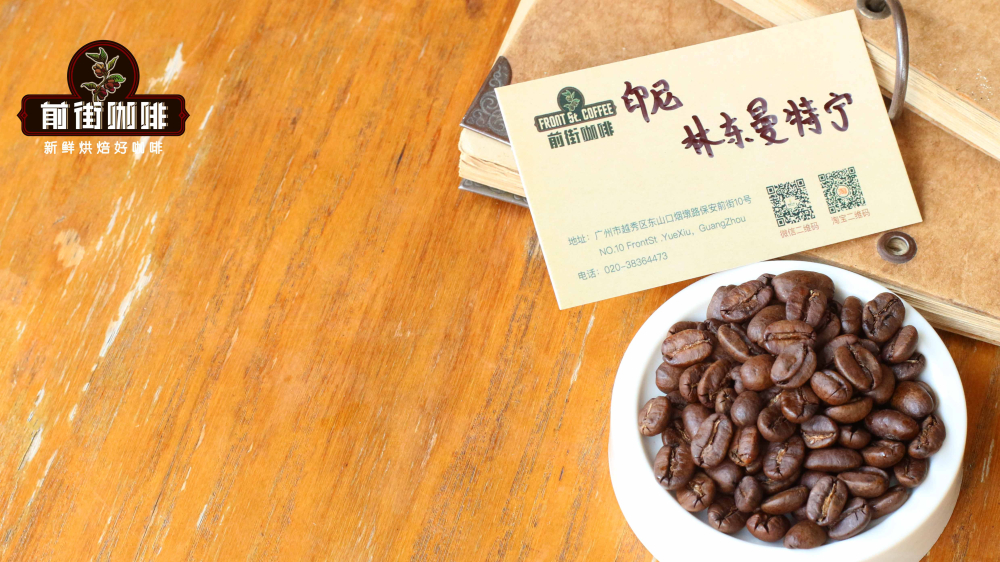
As for the commonly seen “Lintong Mandheling,” it is grown in the Lintong mountainous area in north-central Sumatra, near the famous Lake Toba. This coffee also employs Sumatra’s signature wet-hulling process. Due to the beans being semi-dried during processing, they are often compressed and deformed, resulting in the so-called “elephant hoof” bean shape. This is actually a typical characteristic of this processing method rather than a defect. Lintong Mandheling is known for its low acidity and rich, full-bodied flavor, with notes of herbs, chocolate, and caramel, offering a very balanced overall profile that is beloved by those who prefer heavier-tasting brews.
In addition to the two mentioned above, there are several other notable Sumatran Mandheling varieties worth exploring. First is “Tiger Mandheling,” which comes from the Tiger Estate in northern Sumatra, a region with higher altitudes that are conducive to the development of coffee flavors. Tiger Mandheling has strict selection criteria, requiring beans larger than seventeen screens with a defect rate below 4%. In terms of flavor, it often showcases rich notes of nuts, cream, dark chocolate, and a hint of unique traditional Chinese herbal aroma, with a prominent sweetness and distinct layers.
Another special offering is “Aged Mandheling.” Rather than simply storing green beans for years, this coffee undergoes professionally controlled storage that allows the beans to naturally age over time. This process gradually transforms the original acidity into rich sugary sweetness and complex woody notes. The aging must take place in a stable environment of temperature and humidity, with regular turning of the beans to prevent mold. After aging, the Mandheling’s acidity is reduced, the flavors become rounder, and it often exhibits the steady character of aged Pu-erh tea along with a deep chocolate aftertaste.
Finally, we must mention “Wahana Natural Mandheling,” which breaks from Sumatra’s tradition by not using the conventional wet-hulling method. Instead, it employs a natural sun-drying process to present a completely different flavor profile. The sun-drying process involves evenly spreading ripe coffee cherries and turning them multiple times daily over a period of two to three weeks until the moisture content drops to 11–13%. This method retains more pulp sugars, imparting bright tropical fruit acidity, rich fermented aromas, and a smooth mouthfeel, with particularly outstanding sweetness. It’s an excellent choice for those who enjoy fruity notes and unique processing methods.
When discussing Sumatran coffee, one cannot overlook its most iconic processing technique: wet-hulling. This method stems from practical considerations of the region’s rainy climate and economic conditions. It involves first removing the skin and pulp, allowing initial fermentation, then drying the beans to a semi-dry state before scraping off the mucilage and parchment layer, and finally continuing to sun-dry until the safe moisture level is reached. This approach enhances the coffee’s full body and low-acid characteristics, and also creates the uniquely structured flavors of Mandheling. In addition, some green beans undergo “aged wet-hulling” processing, where years of warehouse aging transform the acidity and deepen the complexity of the flavors.
Below is a summary of the flavor characteristics of five main Sumatran Mandheling varieties:
- Lintong Mandheling: Herbal, chocolate, caramel; overall balanced flavor, full-bodied and smooth
- Golden Mandheling: Nuts, spices, herbs, licorice, chocolate, and caramel; clean and soft mouthfeel
- Tiger Mandheling: Nuts, cream, dark chocolate, caramel, and herbal notes; pronounced sweetness
- Aged Mandheling: Aged Pu-erh, caramel, herbs, chocolate; low acidity with rich layers
- Wahana Natural Mandheling: Tropical fruits, fermented notes, balanced acidity and sweetness; smooth and bright mouthfeel
In terms of roasting and brewing, these five Mandheling varieties are recommended to be roasted to a medium to dark level, which helps reduce excessive acidity and enhances the expression of full body and sweetness. During actual roasting, slight adjustments can be made based on the unique traits of each bean—for example, Golden Mandheling suits medium-dark roasting to highlight its nutty character, while Wahana Natural Mandheling can be slightly lighter to preserve its fruity notes. For brewing, the Kono filter is recommended, with a water temperature of about 88°C, a coffee-to-water ratio of 1:15, and a grind size between 70–75% passing through a Chinese No. 20 sieve. This setup fully brings out the richness and aromatic layers of medium to dark-roasted coffee.
For brewing techniques, a staged extraction method is recommended: start with a 30-second bloom using 30 grams of water, then pour in a small circular motion until reaching 125 grams for the first stage. After the water level drops, continue pouring to 225 grams. The total extraction time should be around 2 minutes. This method helps achieve even extraction even at lower temperatures, avoiding over-extraction or under-extraction, and is especially suitable for medium to dark-roasted Sumatran Mandheling.
In summary, Sumatra’s Mandheling series, with its diverse processing methods and rich flavor expressions, offers something for both beginners and seasoned coffee enthusiasts. From the classic Lintong and Golden Mandheling to the distinctive Tiger, Aged, and Natural versions, each variety showcases the unique charm of Sumatran coffee and serves as an excellent starting point for exploring Indonesia’s specialty coffee offerings.
The above content is compiled by CoffeeHunters, a coffee news website.


